RaceTrac Closes $566M Potbelly Deal, Rewiring C‑Store Food Ambitions
RaceTrac’s all‑cash, $566M acquisition of Potbelly brings 445+ shops under a selective co‑location strategy, as foodservice gains share in convenience retail.

Photo by Bilal Rana on Unsplash
A Bold Move, Carefully Plated
RaceTrac has completed its acquisition of Potbelly Corporation in an all‑cash transaction valued at "approximately $566 million," paying "$17.12 per share"—a premium of "32‑47%" over Potbelly’s pre‑deal trading range. The merger closed on "October 23, 2025," taking Potbelly private, ceasing its common stock trading on Nasdaq, and positioning the sandwich brand as a wholly‑owned subsidiary within a larger convenience retail portfolio. Scale arrives on day one: Potbelly contributes "over 445" company‑ and franchise‑owned shops and "more than 5,200" team members and franchise partners, with a long‑term aim of "2,000" locations. RaceTrac, founded in "1934" and headquartered in Atlanta, brings "over 800" convenience stores under the RaceTrac and RaceWay banners and "approximately 1,200" Gulf stations—capacity that gives this pairing reach, optionality, and room to test what’s most balanced and nourishing for both brands. The transaction departs from incremental upgrades that characterize many c‑store food initiatives. By owning a fast‑casual engine outright, RaceTrac signals a thoughtful appetite for deeper foodservice capabilities while retaining the flexibility to adapt format by neighborhood and daypart. Analysis: The premium, immediate delisting, and combined scale suggest a confident, long‑horizon bet that a fully owned restaurant brand can elevate food credibility and margin structure inside a large convenience network.
Transformation With Traction
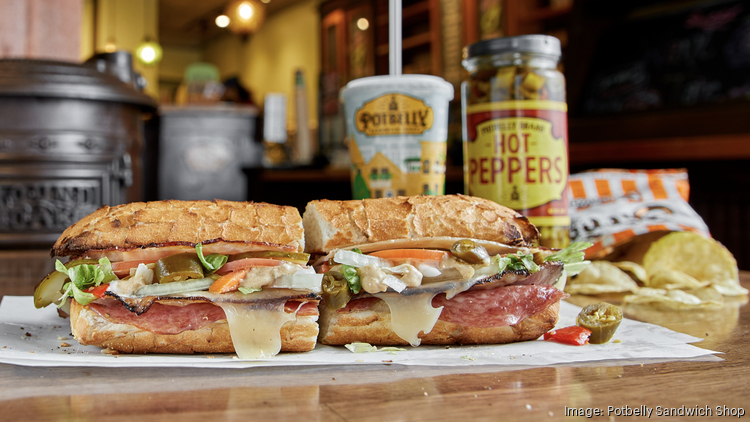
Under CEO Bob Wright, Potbelly launched a multi‑pillar transformation around menu innovation, digital growth, franchising expansion, and profitability gains. The Q2 2025 scorecard showed rising performance: same‑store sales up "3‑3.6%" with shop‑level margins at "16.7%"; adjusted EBITDA of "$9.6 million"; average unit volumes above "$1.3 million"; and restaurant build costs between "$600,000 to $700,000." Those metrics read like a thoughtfully balanced recipe—disciplined costs, improving margins, and a path to scale that doesn’t overreach. Crucially, the brand signaled momentum beyond the four walls. Potbelly reported "369" restaurants in development and "54" new franchise commitments in the quarter, creating pipeline strength to match RaceTrac’s ambitions. For a convenience retailer seeking a proven fast‑casual platform, these unit‑level economics and franchising tailwinds likely carried persuasive weight. What Potbelly appears to bring is not just a menu, but a system that converts traffic into sustainable economics. In an environment where c‑store footfall spans breakfast to late night, Potbelly’s performance arc offers a measured way to harmonize dayparts without diluting identity. Analysis: The Q2 figures underscore improving profit health and build‑cost pragmatism, aligning with RaceTrac’s opportunity to layer a scalable restaurant brand onto high‑traffic convenience settings.
Two Brands, One Intent
RaceTrac has made its operating stance explicit: Potbelly will continue as a distinct brand, with "no intention of placing Potbelly outlets in every RaceTrac location." The lens is selective rather than ubiquitous—an approach that leaves space for each concept to remain coherent and thoughtful in its own right. Melanie Isbill, RaceTrac’s chief brand officer, described the move as historic and emphasized opportunities for the brands to "co‑exist." Early learnings will concentrate in Atlanta, where Potbelly plans to open its first company‑owned locations, beginning in Chamblee in early "2026." This sets a clear geography for pilots without forcing a one‑size‑fits‑all rollout that could strain operational rhythms. With Potbelly’s "over 445" shops and a goal of "2,000" locations joining RaceTrac’s "over 800" convenience stores and "approximately 1,200" Gulf stations, the combined footprint offers multiple canvases—stand‑alone restaurants, selective co‑situations, and market entries that respect neighborhood patterns. It’s a measured way to balance identity with integration. Analysis: Keeping brands separate while testing targeted co‑location minimizes cannibalization risk and enables format fit by trade area, traffic flow, and daypart needs.
A Break From Incrementalism
Analysts labeled the transaction the "most surprising and potentially transformative c‑store foodservice decision of 2025," a framing that underlines how unusual it is for a convenience retailer to control, rather than just host, a fast‑casual chain. Isbill’s characterization of the deal as historic signals internal conviction that value can accrue through stand‑alone Potbelly growth and carefully chosen brand pairings. The plan to evaluate where the two can "co‑exist"—with a first company‑owned opening slated for Chamblee in early "2026"—gives the market something specific to watch. In practice, this allows the companies to align real‑estate logic, labor models, and merchandising strengths without compressing either brand’s personality. It’s a pivot from tinkering to ownership, with the potential to influence how peers think about food credibility, speed of service, and scalable operations. The early reaction—surprise coupled with curiosity—sets a high bar for the pilots to deliver traffic and margin signals that are both durable and nourishing to each brand’s equity. Analysis: External surprise paired with internal confidence elevates the stakes for pilot performance, turning Atlanta into an early bellwether for traffic, margin, and brand‑equity outcomes.
Paying Up For Patience
RaceTrac’s price—"$17.12 per share," a "32‑47%" premium—delivered immediate value to Potbelly shareholders while removing quarterly volatility via an all‑cash take‑private. The close on "October 23, 2025" made Potbelly a wholly‑owned subsidiary and ended Nasdaq trading for its common stock. Governance simplifies; operating horizons lengthen. Both companies communicated that Potbelly’s identity remains intact, and near‑term integration will center on evaluating co‑location and complementary market entries. That design preserves the brand’s restaurant‑first posture while allowing a private owner to invest across cycles, not just quarters. The structure, in short, creates room to be deliberate. It rewards a steady hand on expansion—expanding where the fit is natural, protecting where stand‑alone performance shines, and testing where synergies can be harvested without compromising what makes each concept feel considered and complete. Analysis: The premium and take‑private posture convey confidence in Potbelly’s trajectory and provide strategic freedom to pursue selective, longer‑term growth initiatives without public‑market cadence.
Foodservice’s Rising Share
Convenience retail has been leaning into food for two decades. NACS data shows foodservice’s portion of in‑store sales increased from "11.9%" in 2004 to "27.7%" in 2024. In the same year, total c‑store sales reached "$837.4 billion," with foodservice and merchandise generating "39.6%" of gross margin dollars. That arc clarifies why a retailer would want to own a credible restaurant brand instead of relying solely on in‑house programs. The move also parallels broader restaurant consolidation, including transactions such as Restaurant Brands International’s purchase of Firehouse Subs and Roark Capital’s acquisition of Subway. In that context, RaceTrac’s decision looks less like a detour and more like a next step—one that seeks to capture more daypart value and deepen guest trust in food quality and consistency. Owning a fast‑casual chain offers levers beyond menu boards: franchising reach, kitchen platform discipline, and a dedicated team accustomed to restaurant‑grade operations. When aligned with convenience traffic and merchandising, those elements can create a more balanced, margin‑forward mix. Analysis: Rising foodservice share and high gross‑margin contribution validate the logic of integrating a fully owned fast‑casual asset to capture value across formats and times of day.
What’s Still Undecided
RaceTrac has been clear about what it will not do—there is "no intention of placing Potbelly outlets in every RaceTrac location." Yet the specifics remain purposefully open‑ended. Beyond the initial Atlanta focus and a first company‑owned opening in Chamblee in early "2026," the companies have not provided detailed roll‑out counts, site selection criteria, or timelines. Integration playbooks are also undisclosed. Kitchen platforms, supply chain harmonization, and digital ordering alignment across the two brands have not been outlined publicly. While Potbelly reported "369" restaurants in development and "54" new franchise commitments in Q2 2025, how that pipeline maps onto RaceTrac’s markets is not specified. That restraint creates space to iterate. It also means investors, franchise partners, and team members will look to the pilots for signals—on staffing models, throughput, and the everyday dance between convenience retail and fast‑casual hospitality. Analysis: A selective‑coexistence stance enables optimization before scale, but the absence of granular plans makes near‑term operating impacts uncertain until pilot data emerges.
Pilots, Pace, And Payoff
Several metrics merit close attention. First, watch the Atlanta pilots, with Chamblee opening early "2026," for evidence that selective co‑location can deliver traffic gains without eroding shop‑level margins. Second, track Potbelly’s progress toward its "2,000"‑location ambition under new ownership, measuring whether franchising momentum remains steady and capital discipline holds. There’s also the question of translation: Potbelly’s recent Q2 performance—same‑store sales up "3‑3.6%" with shop‑level margins at "16.7%" and adjusted EBITDA of "$9.6 million"—sets a baseline. The test is how those unit‑level economics behave when paired with RaceTrac’s traffic patterns and merchandising strengths across different dayparts. If the combination preserves identity while broadening reach—and if the operations remain as thoughtful as they are ambitious—the model could provide a template for other convenience retailers exploring ownership of scalable QSR and fast‑casual assets. Analysis: Confirmation of traffic lifts and resilient margins in selective pairings would position this deal as a reference point for blending proprietary convenience programs with fully owned restaurant brands.
A Balanced Path Forward
This acquisition reads as both decisive and restrained. RaceTrac paid a premium to own a proven fast‑casual system, then chose not to spread it thin. By keeping brands distinct and treating co‑location as a tool rather than a mandate, the company protects what guests value while creating room to test new, complementary ways to serve them. From a strategic lens, the lesson is clear: in convenience retail, foodservice is no longer a side program. It’s a core driver—one best cultivated through a thoughtful blend of credibility, scale, and format flexibility. The Potbelly deal offers a carefully composed framework: build on real unit economics, invest with patience, and deploy where the fit feels natural and sustaining. If pilots in Atlanta validate the thesis, the path forward will look nourishing in multiple senses—supportive of margins, considerate of brand integrity, and aligned with how people actually move through their days. That’s not just growth; it’s growth with intention. Analysis: The deal’s structure and selective execution philosophy articulate a disciplined blueprint for c‑stores seeking deeper foodservice capabilities without compromising brand coherence.