
California Penalizes Dickey's for Franchise Disclosure Violations
California shifts to public enforcement strategy against Dickey's for deceptive franchise disclosures, signaling stricter state-level franchise oversight.
Franchising
Sep 10, 2026
California shifts to public enforcement strategy against Dickey's for deceptive franchise disclosures, signaling stricter state-level franchise oversight.
Sep 10, 2026
Paul Brown temporarily steps away from Inspire Brands as Scott Murphy assumes interim CEO role during confidential IPO filing process targeting late 2026.
Sep 10, 2026
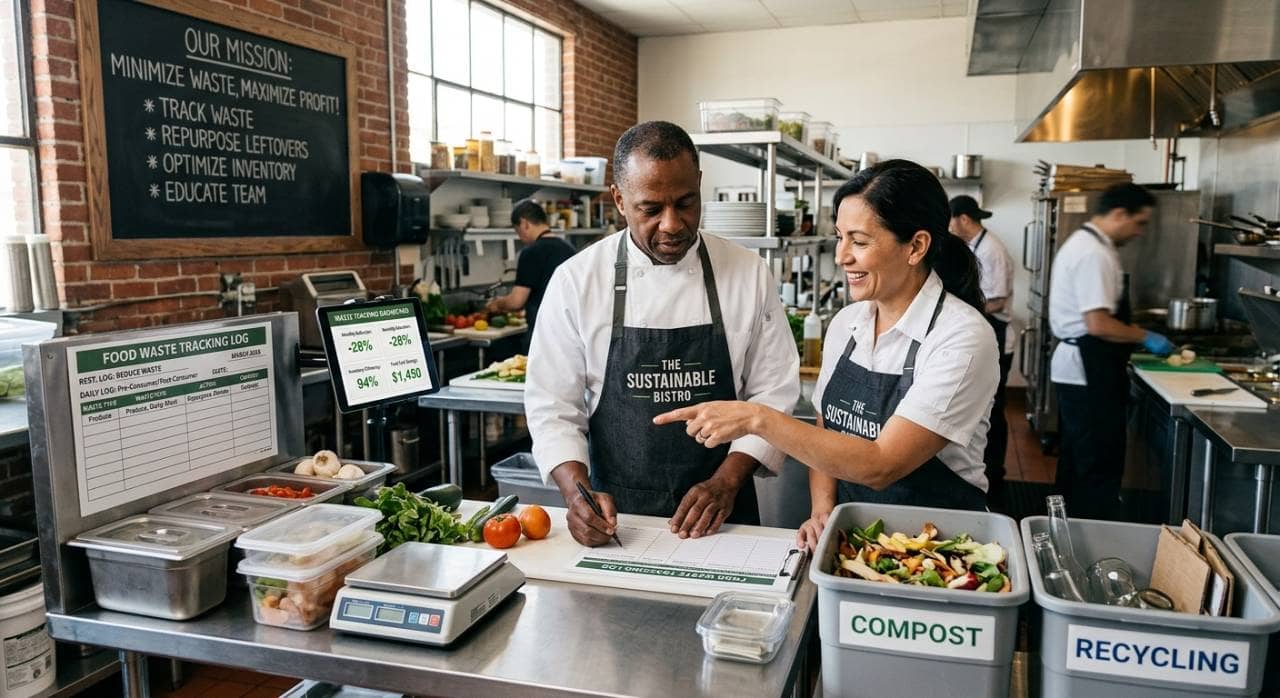
Learn how to reduce food waste in restaurants through smarter purchasing, storage, preparation, and service strategies that cut costs.
Sep 9, 2026
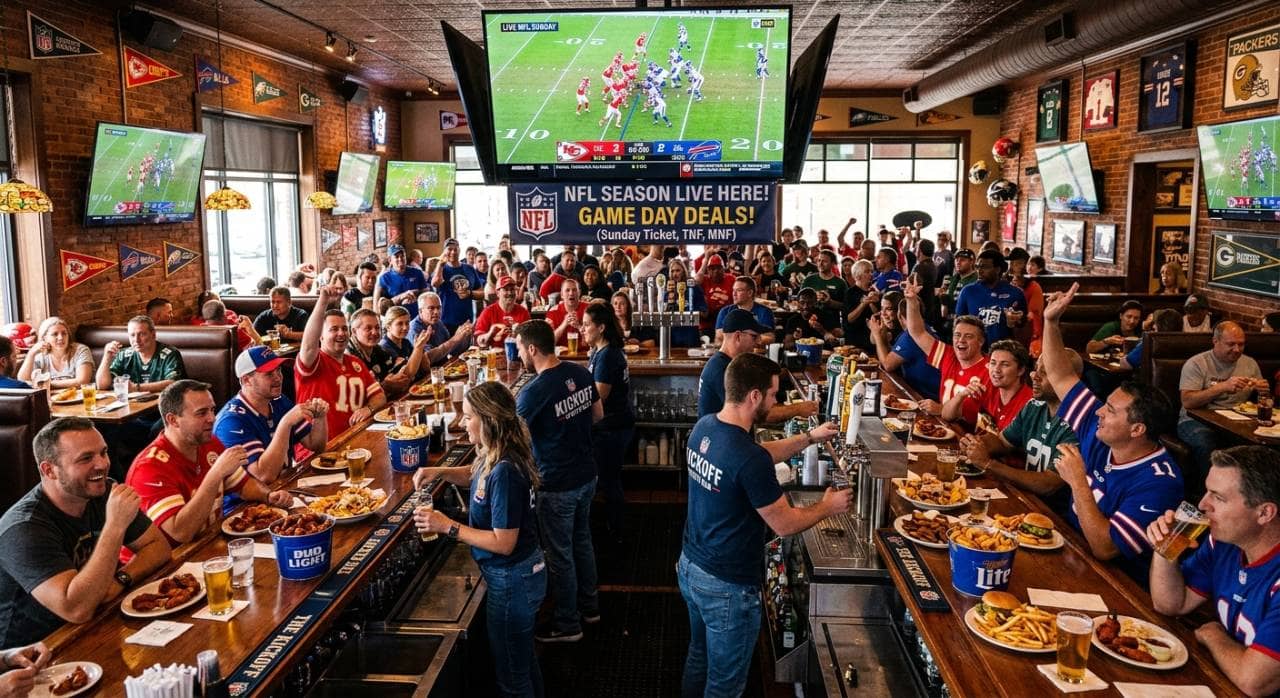
Prepare your restaurant for NFL season with smart menu planning, staffing, marketing, technology, and atmosphere strategies that boost season-long revenue.
Sep 9, 2026
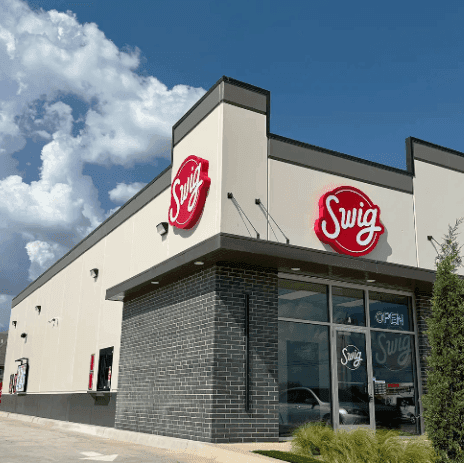
Swig signs franchise agreement for 11 South Denver locations, marking Colorado entry and validating its national expansion strategy.
Sep 8, 2026

Complete guide helping restaurant owners choose essential kitchen equipment - covering cooking, refrigeration, prep, sanitation, ventilation, safety, and long-term maintenance planning.
Sep 7, 2026
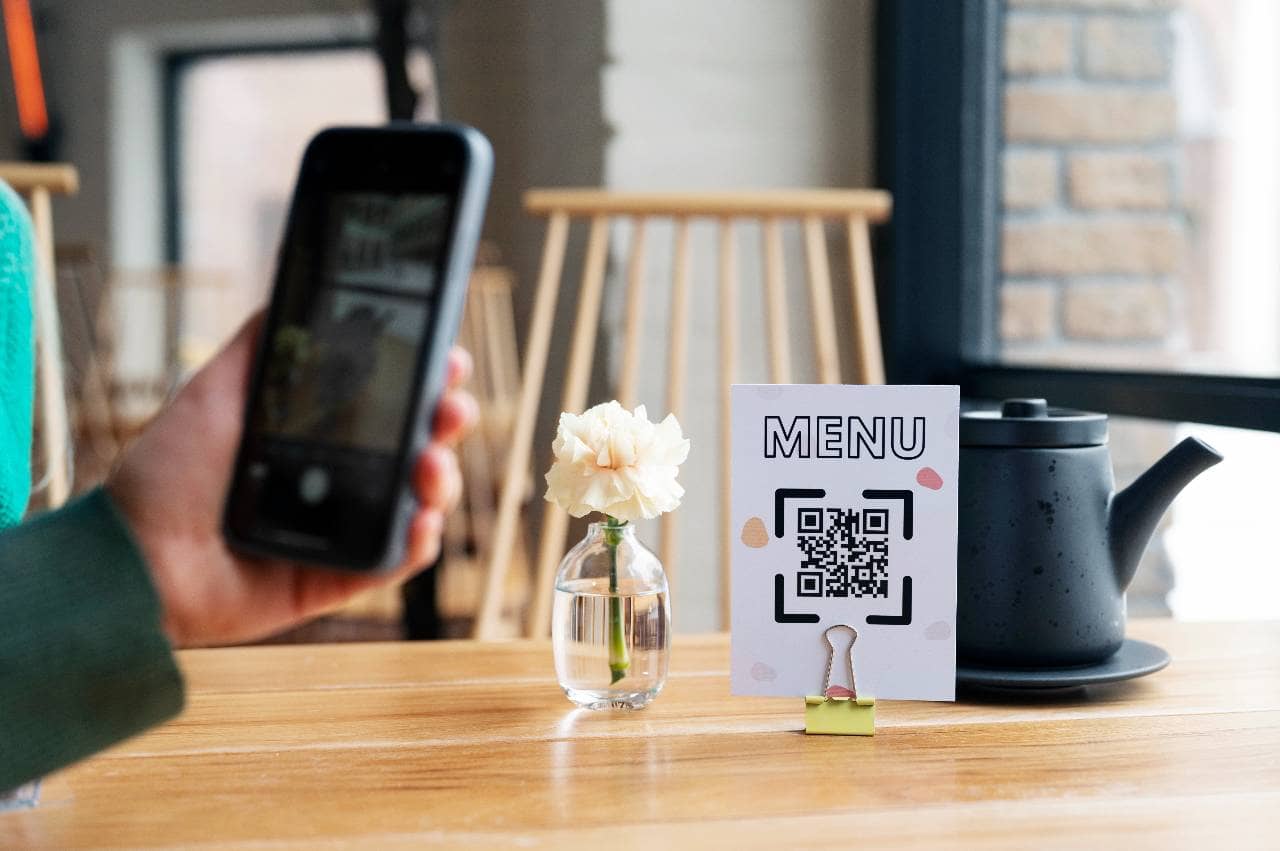
QR code menus let restaurants replace paper menus digitally, enabling instant updates, contactless browsing, ordering, and payment through simple smartphone scanning.
Sep 7, 2026

Avoiding common restaurant payroll mistakes - misclassification, tip credit errors, overtime miscalculations - protects businesses from costly penalties, back pay, and compliance risks.
Sep 4, 2026
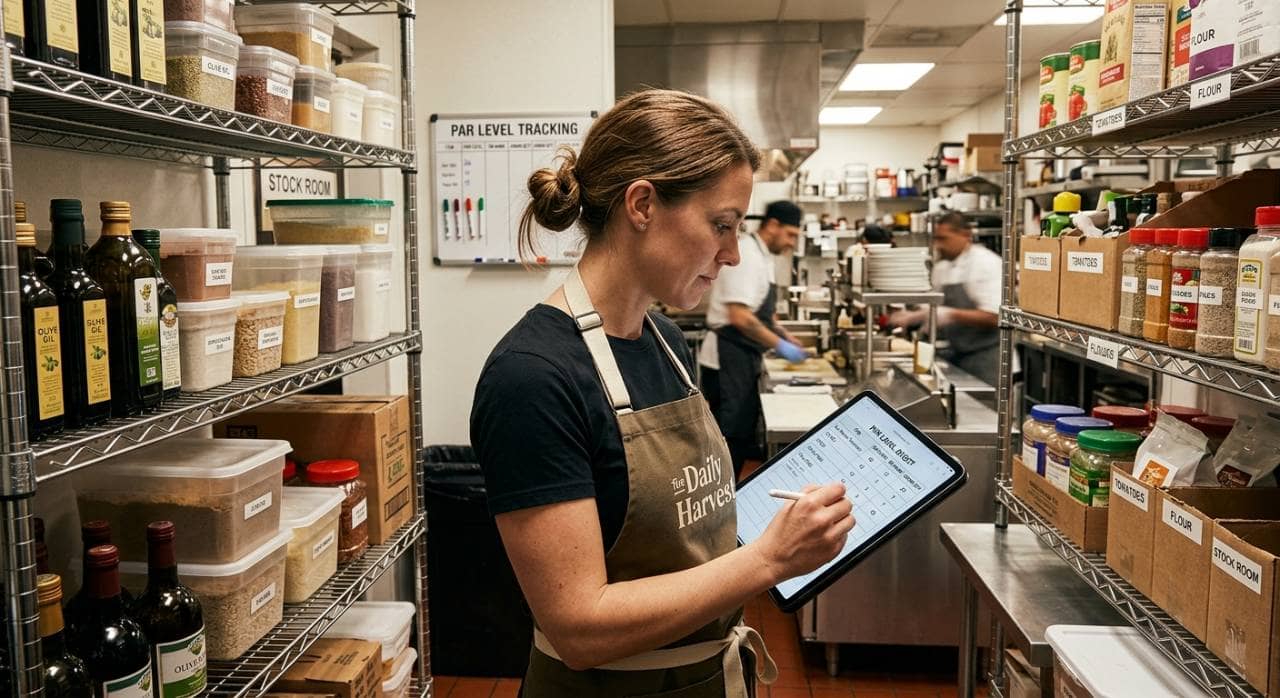
Learn to calculate par levels for restaurant food, beverages, and packaging inventory, preventing stockouts and waste through proper formulas.
Sep 4, 2026
Caribou Coffee appoints Zane Thomas-Rogers as Chief Operations Officer to strengthen execution across its expanding coffeehouse network.
Sep 4, 2026

Unlock Exclusive Access To Webinars, Events, And The Latest News For Free!
Fortress-backed RL Investor Holdings leads Red Lobster out of Chapter 11 with a $60M capital plan and new CEO, signaling a disciplined path to growth.

Photo by James Trenda
Red Lobster has crawled out of Chapter 11 with a sharpened mission. A Fortress-backed group, RL Investor Holdings LLC, joined forces with TCW Private Credit and Blue Torch to take the helm, returning the seafood icon to private standing. The restaurant base sits at 545 units, spread across 44 states and four Canadian provinces. Fortress’s plan signals a fresh direction, backed by more than $60 million in new funding designed to revitalize operations, the guest experience, and the 30,000-strong team under a refreshed strategic frame. The stage is set for a bold restart that prioritizes consistency and a clear path to growth. What this means for guests and crews is the next chapter for Red Lobster.
The RL Investor Holdings LLC vehicle, guided by Fortress, joins with the other partners to pursue a measured future. This block of capital will fund enhancements across operations and guest experience, while maintaining the existing footprint instead of chasing a wide nationwide rebuild. The result is a 545-unit platform insulated by disciplined site selection and cost controls. In short, the emphasis is on converting financial support into real, tangible improvements at the store level, with a clear line from leadership to the guest table.
May 2024 marked the start of a difficult chapter as debt and costs weighed on results. Red Lobster filed for Chapter 11 in May 2024 to address a debt burden reported around $300 million and to position the chain for a viable restart. In the months before restructuring, the company shuttered 93 locations to pare back underperforming assets and realign its real estate portfolio. The outcome aimed to preserve the core markets and safeguard the 30,000-strong workforce, a priority reflected in Fortress-backed leadership decisions. The path forward was about balance as much as bold moves.
Guided by Fortress leadership, the plan preserved the existing footprint while authorizing a more disciplined investment cycle. The emphasis shifted to realigning assets toward core markets and improving cash flow so the chain could weather inflation and rising rents. Importantly, the 30,000-person workforce was kept intact, underscoring that people and service culture stay central to the revival. In short, debt resolution and strategic investment formed a steadying hand, not a reckless sprint.
Creditors led the restructuring, culminating in the transfer of Red Lobster to RL Investor Holdings LLC, a Fortress-guided vehicle, with a plan to fund reinvestment across operations and guest experience. The acquisition preserved the existing unit base rather than pursuing a rapid nationwide rebuild, and anchored a measured approach to site selection and cost discipline. The strategy includes more than $60 million in fresh funding to support near-term improvements while the brand rebuilds its long-term position.
In addition to Fortress, the investor group includes TCW Private Credit and Blue Torch, underscoring a coalition of seasoned restaurant-finance specialists backing the revival. The company’s overall footprint, 545 units across the United States and Canada, reflects a realignment of resources toward high-potential locations, a move observers view as essential to restoring consistency in brand delivery.
Damola Adamolekun, elevated to chief executive, framed the move as a fresh direction and a “a new chapter” for Red Lobster. He recalled childhood visits to a Springfield location and spoke of the enduring mission to “serving diners high-quality seafood at affordable prices.” The message was clear: the leader will guide a 30,000-strong team to execute a revitalization plan and foster accountability and service excellence. Fortress's belief in restaurant-focused value creation underpins the transition, tying leadership to a disciplined operating playbook.
The leadership changes are paired with a growth-focused mindset and a plan to sharpen brand clarity, impose tighter cost discipline, and push store-level execution that translates into more consistent guest experiences. Adamolekun’s ties to the brand’s history underscore the aim to honor legacy while driving modern, reliable service wherever a guest sits down to eat.

Despite momentum, questions linger about pace and durability. Analysts will watch for same-store sales growth, the pricing strategy in place, the degree of real estate optimization, and how closely Fortress’s operating playbook translates to Red Lobster’s identity as it leans into menu innovation and digital channels. The answers will come from at-store execution, supplier partnerships, and the willingness to stay disciplined as costs move with a volatile economy.
In the end, the road to long-term stability hinges on execution at the store level and continued investor confidence. If the playbook translates to real, repeatable improvements in guest value, the fortress-backed revival can become a durable turnaround story, worth the trip for diners chasing consistency and for operators watching a legacy brand find its footing again.
