Restaurant Labor Laws Made Simple
A practical overview of restaurant labor laws covering hours, tips, minors, safety, harassment prevention, and simple audits to stay ready.


Importance of Labor Law Compliance
Most owners think about labor laws when they're worried about penalties, back pay, or a surprise complaint. But the bigger impact shows up in day-to-day operations - especially when your restaurant is busy and decisions are made fast. Compliance is really about building a workplace that runs consistently, even when you're short-staffed, slammed on weekends, or training new managers.
First, labor law compliance protects your time. When rules aren't clear, you spend hours putting out fires- fixing timecards, answering employee questions, handling disputes about tips, or reacting to injuries and conflicts. Every one of those problems pulls you away from sales, guest experience, and coaching your team.
Second, it protects your money in ways that are easy to miss. A single pattern - like managers editing timecards without notes, employees working "just 10 minutes - after clock-out, or inconsistent break practices - can create expensive outcomes. Even if you never face a formal audit, those issues often lead to higher turnover, more callouts, and lower trust. People quit faster when they feel scheduling is unfair, safety is ignored, or policies are applied differently depending on who is working.
Third, it protects your managers. Many compliance breakdowns don't start with bad intent - they start with a manager trying to make it work during a rush. If you don't give managers clear guardrails (what's allowed, what's not, what to document), they'll invent their own rules. That's when risk grows across multiple shifts and locations.
You're building a system - clear policies, simple training, and routine checks that keep wages, minors, safety, and fair workplace standards under control - without slowing down service.

Know Which Laws Apply to You
Restaurant labor law compliance starts with one simple truth - the rules are layered. You don't just follow "the law." You follow federal rules, plus your state rules, plus any city or county rules that add extra requirements. In most places, the strictest rule is the one that matters for your operation.
At the federal level, a few frameworks touch nearly every restaurant. Wage-and-hour rules (like minimum wage, overtime basics, and recordkeeping expectations) are commonly tied to federal standards. Workplace safety expectations are often anchored in national safety requirements and best practices. And fair workplace protections cover things like discrimination, harassment, and retaliation, which influence how you hire, schedule, discipline, and terminate employees. Even if you've never had a complaint, these categories shape what normal management should look like.
Then come state and local rules - where the real complexity starts. Many states and cities go beyond federal baselines with higher minimum wages, specific break requirements, predictive scheduling rules, paid sick leave, youth employment limits, or extra posting/notice rules. If you operate in more than one city or state, you can't assume one handbook covers everything. A policy that's fine in one location might be incomplete or risky - in another.
So how do owners handle this without turning into a lawyer? Use a simple three-step approach -
1. Map your locations. List every state/city where you employ people, including any future expansion targets.
2. Standardize what you can. Create one "core" set of policies (timekeeping, breaks, tips, harassment reporting, safety basics).
3. Add local addendums. For each location, add a short local page- wage rates, break rules, minor hours, required notices, and any special scheduling requirements.
This approach keeps your operation consistent while still respecting local rules. The goal isn't to create paperwork - it's to make sure your managers know what applies in their store, on their shifts, right now.
Wages and Hours
Wages and hours are where restaurants get into trouble most often - not because owners are trying to do something wrong, but because shifts move fast and managers make quick calls. If your policies are vague, small normal habits can turn into real compliance risk. Here are the main areas to lock down.
1) Pay rates and minimum wage basics - Every role should have a clear pay rate, and any change (raise, promotion, cross-training pay) should be documented. If you use tipped roles, make sure your tip practices and pay rules are clearly defined so there's no confusion about what employees are owed.
2) Overtime rules - Overtime isn't always just "over 40 hours." Some locations have daily overtime or other thresholds. Even in standard weekly overtime areas, restaurants get hit when someone stays late to close, covers a callout, or works a double. The fix is simple - track hours in real time and make managers aware of overtime triggers before they approve extra coverage.
3) Off-the-clock work - Prep before clock-in, side work after clock-out, answering work texts at home, or "just helping for a few minutes" can still count as paid work time. The clean rule is - if someone is working, they must be clocked in - and managers need to enforce it consistently.
4) Breaks and meal periods - Busy rushes are where break issues happen. Build break windows into the shift, assign coverage, and track exceptions. If breaks are missed or late, document what happened and handle any required next steps under your local rules.
5) Time edits and recordkeeping - Manager timecard edits should require a reason and a consistent process. When possible, get employee confirmation. Then review edits regularly so you can catch patterns early (like a certain shift constantly missing breaks or a manager frequently adjusting clock-outs).
When these five pieces are tight, you reduce the most common labor-law headaches - and you build trust with your team at the same time.
Hiring and Classification
Hiring is where compliance either becomes easy - or becomes a constant headache later. Most restaurant labor problems don't start on payroll day. They start when expectations aren't clear at the beginning- what the job is, how it's paid, what the schedule looks like, and what good performance means. Here are the main points to get right.
1) Classify workers correctly - Restaurants sometimes try to use independent contractors for roles that look like normal employee work (set schedules, supervised tasks, ongoing duties). That's a high-risk area. In general, if you control how, when, and where the work is done - and the person is part of daily operations - they're likely an employee. Use contractors carefully, with clear scopes and invoices, and avoid using them to fill regular shift coverage.
2) Use clear job descriptions and consistent offers - Create a simple job description for each role (cashier, cook, server, shift lead, etc.) that lists key duties, physical requirements if relevant, and basic schedule expectations. Then keep your pay offers consistent for the same role and experience level. Inconsistent offers can create fairness issues and invite complaints.
3)Onboarding Paperwork - New-hire steps should be standardized - work authorization forms (like I-9 in the U.S.), tax forms, emergency contact, signed policies, and required notices. A checklist prevents "we forgot to do that" moments - especially when multiple managers hire.
4) Train managers - Hiring risk often comes from casual conversations. Managers should avoid questions that touch protected personal topics and avoid making promises like "you'll always get weekends off" or "we don't really do overtime here." Keep interviews structured and job-related.
5) Document training and early performance - You don't need complex paperwork, but you do need proof that training happened - especially for safety, harassment reporting, and key operational policies. Use a simple sign-off - what was covered, the date, and who trained them. This protects you and gives employees clarity.
When hiring and classification are clean from day one, you reduce disputes, improve consistency across managers, and build a workplace that's easier to run - and easier to defend if questions come up later.
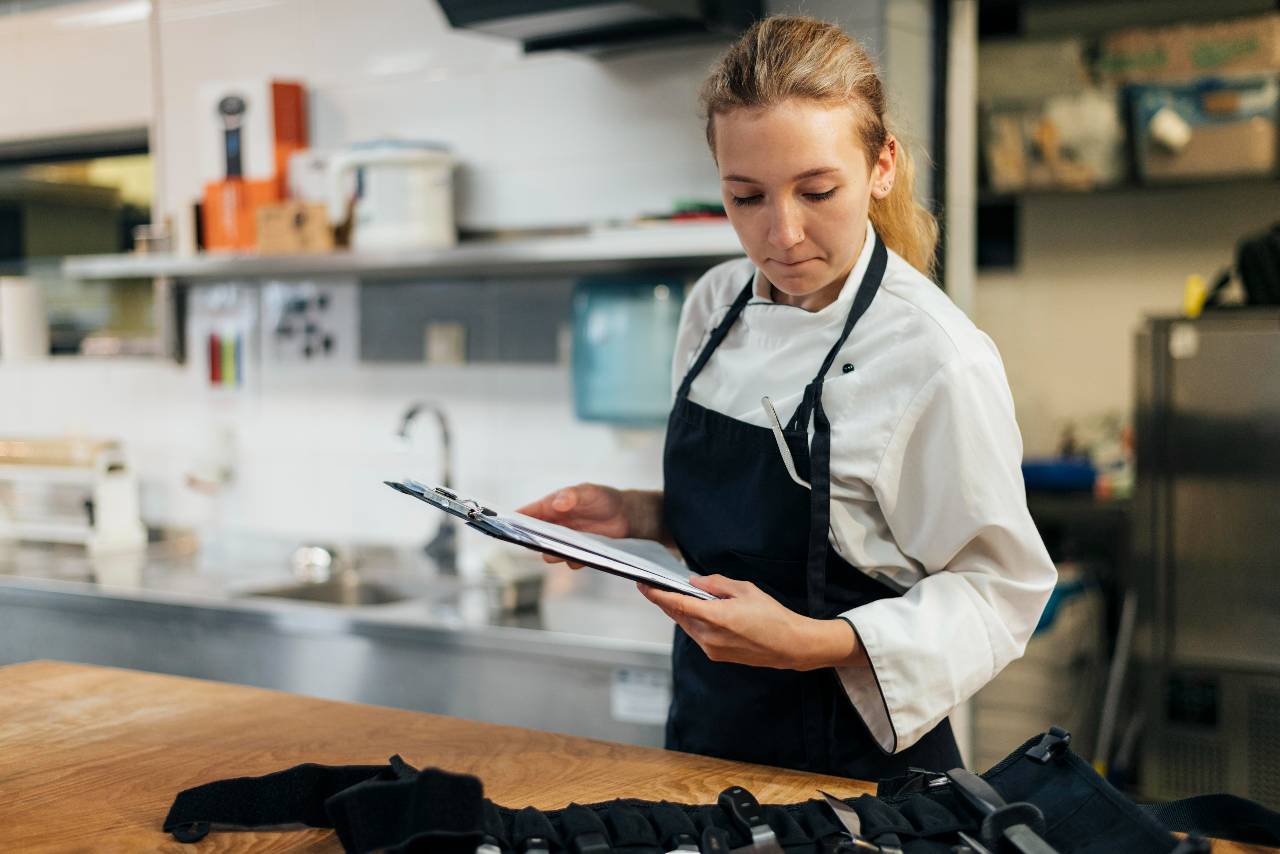
Minor Labor Laws
Hiring teens can be a huge win for restaurants - great energy, strong availability around school schedules, and a solid talent pipeline. But minor labor rules are stricter for a reason - younger workers need extra protection around hours, late-night work, and hazardous tasks. The safest approach is to set clear "guardrails" so managers don't make risky decisions during a rush.
1) Verify age and follow required permits - Don't rely on "they look old enough." Keep a consistent process to verify age during onboarding and follow any work permit rules that apply in your area. This is the foundation for everything else.
2) Know the hours rules - Minor hour limits vary by location, but the themes are consistent- restrictions on late-night work, limits on total daily/weekly hours (especially during school weeks), and rules about how long minors can work without breaks. Don't make this a manager memory test - build it into scheduling standards, and use alerts or checks before schedules are posted.
3) Separate "safe tasks" from "restricted tasks" - Many violations happen in the kitchen. Certain equipment (like some slicers, power-driven machines, and other hazardous tools) and certain duties (late-night cleanup, certain baking/heat risks, or heavy lifting in some cases) may be restricted for minors. Create a simple list -what minors CAN do vs.what they cannot do in your restaurant. Post it where managers schedule and where training happens.
4) Create a minor-friendly station plan - Make it easy for managers to assign minors safely - host/greeter, cashier, runner, dining room resets, simple prep (where allowed), labeling, stocking light items, packaging, and other low-risk tasks. When roles are pre-defined, you avoid "just jump on that machine for a minute."
5) Train managers and document exceptions - Your biggest risk is inconsistency. Train managers on minor rules during their onboarding and refresh it seasonally (summer hiring spikes are common). If a schedule exception happens - like a minor staying late due to a surprise rush - document what happened and correct it immediately.
The goal isn't to avoid hiring minors. The goal is to run a safe, structured program that protects young workers and keeps your restaurant out of preventable trouble.
Safety and OSHA
Restaurant safety isn't just a "training day" topic. It's an everyday operational system - because most injuries happen during normal work - wet floors, hot surfaces, sharp tools, heavy lifting, rushed cleaning, and chemical use. The best safety programs aren't complicated. They're consistent.
1) Focus on the hazards - Most restaurant incidents come from the basics- slips and falls (wet floors, grease, clutter), cuts (knives, slicers where allowed, broken glass), burns (fryers, ovens, steam), strains (lifting, repetitive motions), and chemical exposure (cleaners, degreasers). Start by naming these hazards clearly and making sure every employee knows the "safe way" to handle them.
2) Train for safety - Safety training should be short, job-specific, and repeated. New hires need immediate training on knives, hot equipment, lifting, chemical labels, and what PPE to wear. Then reinforce with quick refreshers - 5 minutes before a shift is better than a yearly lecture nobody remembers.
3) Build simple routines - Daily routines do more than posters ever will. Examples - wet-floor signs placed immediately, "clean as you go" rules, non-slip shoes policy, knife storage standards, and end-of-shift equipment shutdown checks. Make the routine the rule - so safety doesn't depend on who's working.
4) Handle chemicals and cleaning - Restaurants often use strong chemicals. Keep them labeled, stored correctly, and never mixed. Train staff on where Safety Data Sheets are kept (or the digital equivalent) and what to do if there's skin or eye exposure. This is a common weak spot because cleaning gets rushed.
5) Treat incidents like operational data - When an injury happens, your first job is care and documentation. Then ask - what caused it, and how do we prevent it next time? Track incidents by type (slip, burn, cut), location (dish, line, walk-in), and shift pattern. Even a small log helps you spot trends, fix hazards, and show you're actively managing safety.
When safety becomes part of daily operations - training, routines, and follow-up - you reduce injuries, reduce downtime, and create a workplace people want to stay in.
Fair Workplace Rules
Restaurants are people-heavy businesses. That's your strength - but it's also where risk lives if expectations aren't clear. Fair workplace compliance isn't about "saying the right thing." It's about having consistent processes so hiring, scheduling, discipline, and promotions don't feel random or personal.
1) Keep decisions consistent - Most problems start when standards aren't consistent. If two employees do the same job but get treated differently (better shifts, fewer write-ups, faster promotions), people fill in the blanks. Use simple, job-related criteria for decisions - performance, availability, skills, reliability, guest feedback, and policy compliance. Document the reason for major changes like demotions or terminations.
2) Have a clear anti-harassment policy - A policy doesn't help if employees don't believe anything will happen. Define what harassment can look like (comments, jokes, touching, repeated unwanted attention), state it's not tolerated, and explain how to report it. Most importantly - provide more than one reporting option (not just "tell your manager"), because sometimes the manager is the problem.
3) Train managers - Managers don't need legal language - they need a playbook. When someone reports a concern, the manager should - listen without arguing, document what was said, escalate to the right person, and avoid retaliation. Many restaurants get into trouble because a manager tries to "handle it quietly" or makes the employee feel punished for speaking up.
4) Prevent retaliation - Retaliation is one of the fastest ways to turn a small issue into a serious one. In restaurants, retaliation often shows up through schedules - fewer hours, worse sections, undesirable shifts, or sudden discipline. Build a rule that any schedule change or disciplinary action after a complaint must be reviewed by an owner/GM/HR-type reviewer for consistency.
5) Handle accommodations - Sometimes employees need a change due to disability, pregnancy, or religious practices - like a modified duty, a schedule adjustment, or a uniform change. You don't have to say yes to everything, but you do need a consistent process- listen, discuss options, document what you offered, and apply standards evenly.
When you make fairness "operational" - clear rules, manager training, and documented decisions - you protect the business and create a workplace where good people stay.