Restaurant Technology Trends in 2026
Explore restaurant technology trends in 2026, including AI, automation, digital ordering, workforce tools, connected kitchens, personalization, and profitability strategies today.
Technology
Aug 28, 2026
Explore restaurant technology trends in 2026, including AI, automation, digital ordering, workforce tools, connected kitchens, personalization, and profitability strategies today.
Aug 28, 2026
Learn the startup costs of opening an ice cream shop, including rent, equipment, renovations, permits, inventory, labor, marketing, and reserves.
Aug 28, 2026
Learn practical ways to reduce labour costs through smarter scheduling, forecasting, productivity, cross-training, automation, overtime control, and performance monitoring strategies.
Aug 26, 2026

A restaurant P&L statement reveals sales, expenses, and profits, helping owners manage costs, improve margins, and plan finances more effectively.
Aug 26, 2026
RaceTrac has appointed Jill Pemberton as chief financial officer, succeeding Karla Ahlert, who moves into the newly created role of chief administrative officer.
Aug 26, 2026

Levain Bakery appoints Lorna Sommerville and Taya Stenson as co-CEOs, blending operational and marketing expertise to power national expansion and innovation while staying rooted in its brand values.
Aug 25, 2026
A payroll advance policy helps restaurant owners define eligibility, limits, repayment, documentation, approval procedures, and compliance requirements for employee advances.
Aug 24, 2026
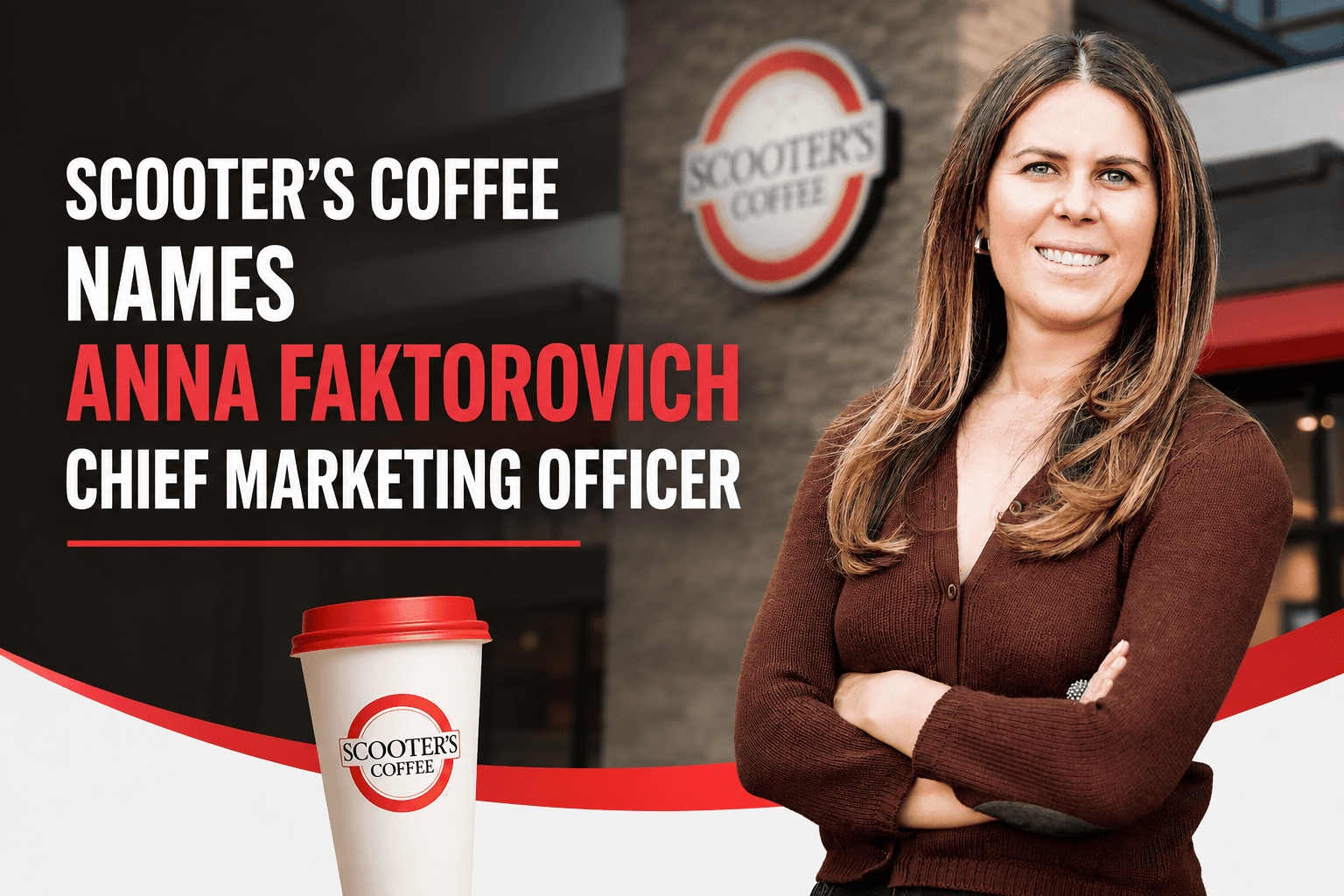
Anna Faktorovich, a seasoned marketing executive, has been named Chief Marketing Officer at Scooter’s Coffee, bringing decades of multi-brand experience to fuel the franchise’s next growth stage.
Aug 25, 2026
Create a practical restaurant marketing plan by setting goals, targeting customers, choosing channels, budgeting wisely, scheduling campaigns, and measuring results.
Aug 24, 2026
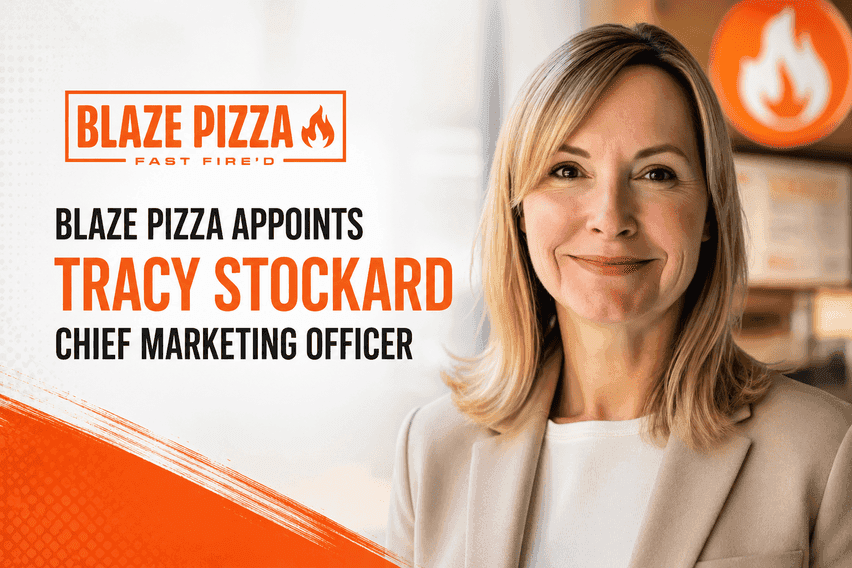
Blaze Pizza welcomes Tracy Stockard as Chief Marketing Officer, bringing decades of brand and franchise experience to drive strategic growth and guest engagement.
Aug 25, 2026

Unlock Exclusive Access To Webinars, Events, And The Latest News For Free!
Explore restaurant technology trends in 2026, including AI, automation, digital ordering, workforce tools, connected kitchens, personalization, and profitability strategies today.
Restaurant technology in 2026 is moving beyond basic POS systems and online ordering. Restaurants are increasingly using connected technology to improve productivity, control costs, make faster decisions, and create more convenient guest experiences. This shift is being driven partly by ongoing operating pressures. U.S. restaurant industry sales are projected to reach $1.55 trillion in 2026, but operators continue to face rising costs and uneven customer traffic. As a result, restaurants are looking toward technology to improve efficiency without sacrificing service. Technology adoption is already widespread, although many restaurants still see room for improvement. Research shows that 60% of operators consider their restaurants part of the technology mainstream, while nearly 30% believe they are behind their competitors. Only about one in ten consider themselves technology leaders. Key areas receiving attention include ordering and payments, marketing, customer feedback, and back-office operations. Some of the most important restaurant technology trends in 2026 include - 1. Artificial intelligence for analyzing sales, labor, menu, inventory, and guest data. 2. Predictive analytics for forecasting demand and supporting purchasing and scheduling decisions. 3. Automation for reducing repetitive administrative and operational tasks. 4. Digital ordering and self-service tools that give customers faster and more convenient ways to order. 5. Workforce management technology for scheduling, time tracking, labor forecasting, and employee communication. 6. Integrated back-office systems that connect POS, inventory, accounting, labor, and reporting data. AI adoption is particularly notable. Recent industry research found that 87% of restaurant operators and decision-makers surveyed said they were comfortable using AI, while nearly nine in ten were already experimenting with it in some form. For restaurant owners, the goal should not be to adopt every new technology available. The more important question is whether a technology can solve a specific operational problem, reduce unnecessary costs, save employee time, improve the guest experience, or provide better information for making profitable decisions.
Artificial intelligence is becoming one of the most important restaurant technology trends in 2026 because it can help owners turn large amounts of operational data into faster, more useful decisions. Instead of reviewing separate sales, labor, inventory, and menu reports manually, restaurants can increasingly use AI-powered tools to identify patterns and highlight areas that need attention. Predictive analytics takes this a step further by using historical and current restaurant data to estimate what may happen next. Accurate forecasts can help owners plan purchasing, food preparation, staffing, and cash flow before demand changes affect operations. Restaurants can use AI and predictive analytics in several areas - 1. Sales forecasting - Estimate future revenue using historical sales, day of the week, seasonality, recent trends, and other demand factors. 2. Labor planning - Predict busy and slow periods so managers can build schedules that better match expected customer demand. 3. Inventory forecasting - Estimate ingredient requirements based on expected sales to help reduce excess purchasing, shortages, and waste. 4. Menu analysis - Identify high-performing items, slow sellers, popular modifiers, and opportunities to adjust pricing or menu placement. 5. Performance monitoring - Detect unusual changes in sales, labor costs, ticket times, discounts, or other operational metrics. 6. Guest marketing - Analyze customer behavior to help restaurants create more targeted promotions and loyalty campaigns. Restaurant operators are already using AI for many of these decisions. Analysis of AI usage across more than 125,000 restaurant locations during the first quarter of 2026 found that 47% of participating restaurants asked AI about sales and revenue, 34% about menu and inventory, 32% about guests and marketing, and 29% about operations and reporting. The biggest advantage is not simply having more data. It is being able to convert that data into actions. For example, instead of only seeing that labor costs increased last week, an AI-powered system may help identify which shifts or dayparts contributed to the increase. Predictive tools can then help managers adjust future schedules based on expected demand. Restaurant owners should still review AI-generated recommendations rather than relying on them automatically. Forecast quality depends on accurate data, and managers need to account for factors such as local events, weather, promotions, staffing changes, and unexpected demand. When combined with operational experience, AI and predictive analytics can help owners make faster, more informed decisions that support efficiency and profitability.

Back-office automation is becoming a major part of restaurant technology in 2026 because many owners are still spending significant time on repetitive administrative work. Tasks such as entering invoices, updating inventory records, processing payroll, reconciling accounts, preparing reports, and tracking expenses can consume hours each week when handled manually. Automation helps restaurants reduce that workload by allowing software systems to collect, organize, and transfer data with less manual input. When POS, inventory, labor, accounting, and purchasing systems are connected, information can move between departments automatically instead of being entered multiple times. Restaurant owners can automate several back-office functions, including - 1. Invoice processing - Capture supplier invoices digitally and transfer purchasing data into accounting systems. 2. Inventory management - Update stock levels, track usage, and identify potential shortages or overordering. 3. Payroll preparation - Connect employee time records with payroll systems to reduce manual calculations and data entry. 4. Accounting workflows - Automatically categorize transactions, reconcile financial records, and organize expense data. 5. Purchasing - Generate suggested orders based on inventory levels, historical usage, and forecasted demand. 6. Reporting - Combine sales, labor, food cost, and operational data into dashboards that managers can review quickly. 7. Performance alerts - Notify managers when labor costs, food costs, overtime, inventory variance, or other KPIs move outside established targets. The biggest benefit of automation is consistency. Manual processes often depend on managers remembering to complete tasks, transfer information, or update spreadsheets. Automated systems can standardize these workflows and reduce the risk of missed entries, duplicate data, or delayed reporting. Integration is especially important. A restaurant may use several useful software platforms, but disconnected systems can create additional administrative work. For example, managers may need to export sales information from one platform, labor data from another, and inventory information from a third before combining everything manually. Restaurant owners should therefore evaluate whether new technology can integrate with their existing systems. A connected back-office technology stack can provide a more complete view of restaurant performance while reducing repetitive tasks.
Digital ordering continues to reshape how customers interact with restaurants in 2026. Mobile apps, restaurant websites, QR codes, self-service kiosks, and tableside ordering systems give guests more control over how they browse menus, customize meals, place orders, and make payments. Customer acceptance of these technologies is already high. Recent industry research found that 74% of consumers would use a smartphone app to order and pay if it were available, while 70% would order and pay through a restaurant website. In addition, 68% said they would use a self-service electronic kiosk. For restaurant owners, digital ordering can support several operational improvements - 1. Faster ordering - Guests can place orders without waiting for an employee to become available. 2. Greater order accuracy - Customers enter their own selections, modifiers, and special requests directly into the system. 3. Automated upselling - Digital menus can suggest drinks, sides, desserts, upgrades, and add-ons during checkout. 4. Improved labor deployment - Employees can spend less time taking routine orders and more time preparing food, serving guests, or managing restaurant operations. 5. Better customer data - First-party ordering systems can capture purchase histories and preferences that support loyalty and marketing programs. 6. More ordering options - Customers can choose between kiosks, mobile ordering, websites, traditional counter service, or other channels depending on their preferences. Self-service technology is especially relevant for quick-service and fast-casual restaurants. However, the goal should not necessarily be to replace employees. Instead, kiosks and other ordering tools can handle repetitive transactions while employees focus on tasks where personal service provides more value. Integration is critical when adopting these technologies. Orders placed through websites, apps, kiosks, and other digital channels should ideally flow directly into the restaurant's POS and kitchen systems. Otherwise, employees may have to re-enter orders manually, increasing the risk of delays and mistakes. Restaurant owners should also avoid forcing every customer into a single digital experience. Older customers, guests with accessibility needs, or people who simply prefer human interaction should still have convenient alternatives. The strongest digital ordering strategy combines speed and automation with choice. Restaurants that make ordering easier while maintaining reliable service can use technology to improve convenience, increase operational efficiency, and create more opportunities to grow average check size and revenue.
Labor remains one of the largest and most difficult costs for restaurant owners to manage. In 2026, workforce technology is becoming more important as restaurants look for ways to schedule employees more accurately, reduce administrative work, improve communication, and keep labor aligned with customer demand. Instead of building schedules primarily from manager judgment, restaurants can use workforce management software that combines historical sales, forecasted demand, employee availability, labor targets, and scheduling rules. This gives managers more information when deciding how many employees are needed for each shift. AI is also beginning to play a larger role in workforce management. Recent 2026 industry research found that among restaurants using AI, 26% use it for employee scheduling, demonstrating how artificial intelligence is moving into everyday labor planning. Restaurant owners can use workforce technology in several areas - 1. Demand-based scheduling - Build schedules around forecasted sales and expected customer traffic rather than relying only on fixed staffing patterns. 2. Labor forecasting - Estimate how many labor hours may be needed for upcoming shifts, days, or weeks. 3. Time and attendance - Digitally record employee clock-ins, clock-outs, breaks, and total hours worked. 4. Overtime monitoring - Alert managers when employees are approaching overtime thresholds so schedules can be adjusted before unnecessary costs occur. 5. Employee availability - Allow workers to submit availability and time-off requests through mobile tools instead of relying on paper forms or messages. 6. Shift management - Give employees tools to view schedules, request shift changes, or communicate scheduling needs. 7. Manager communication - Centralize announcements, scheduling updates, and workforce information so employees have a consistent source of information. Technology can also reduce some of the administrative burden placed on restaurant managers. Industry research indicates that workforce technology can free managers from repetitive tasks, allowing them to spend more time running operations, training employees, coaching teams, and monitoring performance. The greatest value comes from connecting labor decisions with actual restaurant demand. For example, if forecasts indicate lower sales during a particular afternoon, managers can adjust staffing before the shift rather than discovering afterward that labor costs were too high. If demand is expected to increase during dinner, additional employees can be scheduled before service becomes overwhelmed. However, automated scheduling should not completely replace manager judgment. Local events, employee skill levels, training requirements, unexpected absences, promotions, and other factors may not always be captured perfectly by software. The broader trend in 2026 is toward using technology to give managers better workforce information before labor problems occur. With stronger forecasting, scheduling, time tracking, and communication tools, restaurant owners can control labor costs more effectively while ensuring they have enough employees available to maintain service quality.
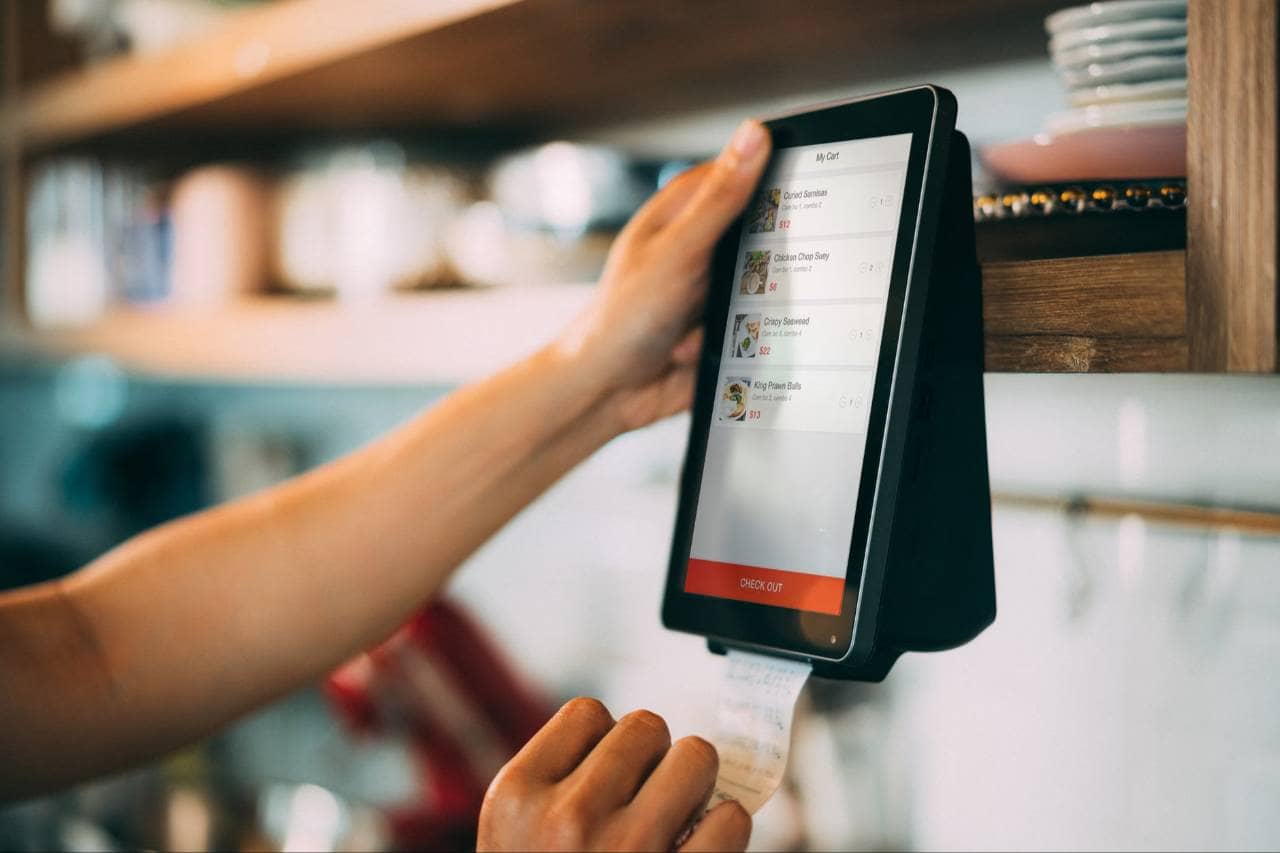
Kitchen technology is becoming an increasingly important part of restaurant operations in 2026 as owners look for ways to improve speed, order accuracy, communication, and productivity. With orders now arriving from dining rooms, websites, mobile apps, kiosks, drive-thrus, and third-party channels, kitchens need systems that can organize demand without creating additional confusion. One of the most important technologies is the kitchen display system (KDS). Instead of relying entirely on printed tickets, a KDS displays orders digitally, routes items to the appropriate preparation stations, tracks fulfillment times, and helps kitchen employees see which orders should be prioritized. Connected kitchen technology can help restaurants improve several areas - 1. Digital ticket routing - Automatically send individual menu items to the correct cooking or preparation station. 2. Real-time order visibility - Give kitchen employees a clear view of incoming, active, and completed orders. 3. Ticket-time tracking - Measure how long orders take to prepare and identify periods when service begins slowing down. 4. Order consolidation - Bring dine-in, takeout, delivery, kiosk, and online orders into a shared production workflow. 5. Kitchen communication - Reduce dependence on verbal instructions and handwritten or printed tickets. 6. Smart equipment monitoring - Use connected sensors and systems to monitor equipment performance and identify potential problems. 7. Operational analytics - Track preparation times, order volume, and workflow data to identify bottlenecks. Newer restaurant technology is also expanding beyond digital tickets. Connected sensors and edge-computing systems can process operational information inside the restaurant, including equipment performance and order data. These technologies can potentially help restaurants detect equipment problems earlier, monitor operations in real time, and improve order accuracy. For restaurant owners, visibility is particularly valuable. If average ticket times consistently increase during Friday dinner service, kitchen data can help managers determine whether the problem originates at a particular preparation station, menu item, or stage of production. Managers can then adjust workflows, preparation procedures, staffing, or equipment accordingly. Integration remains essential. Kitchen technology should ideally connect directly with the POS and digital ordering systems so orders move automatically from the customer to the appropriate kitchen station. When systems are disconnected, employees may still need to organize or re-enter information manually, reducing the benefits of automation. The goal of connected kitchen technology to create a faster, more visible, and more coordinated kitchen workflow. Restaurant owners who use kitchen data effectively can identify operational bottlenecks earlier, improve communication, and make better decisions about staffing, preparation, and service.
Customer experience technology in 2026 is becoming more personalized as restaurants use loyalty data, purchase history, digital ordering behavior, and automated marketing tools to better understand individual guests. Instead of sending the same promotion to every customer, restaurants can increasingly tailor offers and communications based on what people actually order and how often they visit. Personalization remains an opportunity for many operators. Recent industry research found that only about 20% of surveyed restaurant guests said they consistently receive personalized experiences, suggesting that many restaurants still have room to improve how they use customer data. Restaurant owners can use technology to personalize several parts of the guest experience - 1. Loyalty programs - Reward customers based on visit frequency, spending, or specific purchasing behaviors. 2. Personalized promotions - Send offers based on previous orders, favorite menu items, or customer preferences. 3. Automated marketing - Trigger email, SMS, or app messages when customers have not visited recently or reach a loyalty milestone. 4. Customer segmentation - Group guests based on order frequency, average spend, preferred locations, or ordering channels. 5. Menu recommendations - Suggest relevant add-ons or items based on past purchases and current orders. 6. Birthday and milestone offers - Automatically send rewards tied to birthdays, anniversaries, or loyalty achievements. 7. Feedback requests - Trigger surveys or review requests after specific purchases or visits. For example, a customer who regularly orders vegetarian meals may respond better to a promotion featuring a new vegetarian menu item than to a generic discount. Similarly, a frequent lunch customer could receive an offer designed specifically to encourage another weekday visit. Integration is important because customer information may come from several different systems. POS platforms, online ordering, loyalty programs, reservations, mobile apps, and marketing software can each collect valuable data. When these systems are connected, restaurant owners can build a more complete view of customer behavior. Restaurants should also use customer data responsibly. Guests should clearly understand how their information is collected and used, and restaurants should follow applicable privacy and marketing regulations. By combining customer data with automation, restaurant owners can create more targeted experiences that encourage repeat visits, strengthen loyalty, and increase customer lifetime value.