
California Penalizes Dickey's for Franchise Disclosure Violations
California shifts to public enforcement strategy against Dickey's for deceptive franchise disclosures, signaling stricter state-level franchise oversight.
Franchising
Sep 10, 2026
California shifts to public enforcement strategy against Dickey's for deceptive franchise disclosures, signaling stricter state-level franchise oversight.
Sep 10, 2026
Paul Brown temporarily steps away from Inspire Brands as Scott Murphy assumes interim CEO role during confidential IPO filing process targeting late 2026.
Sep 10, 2026
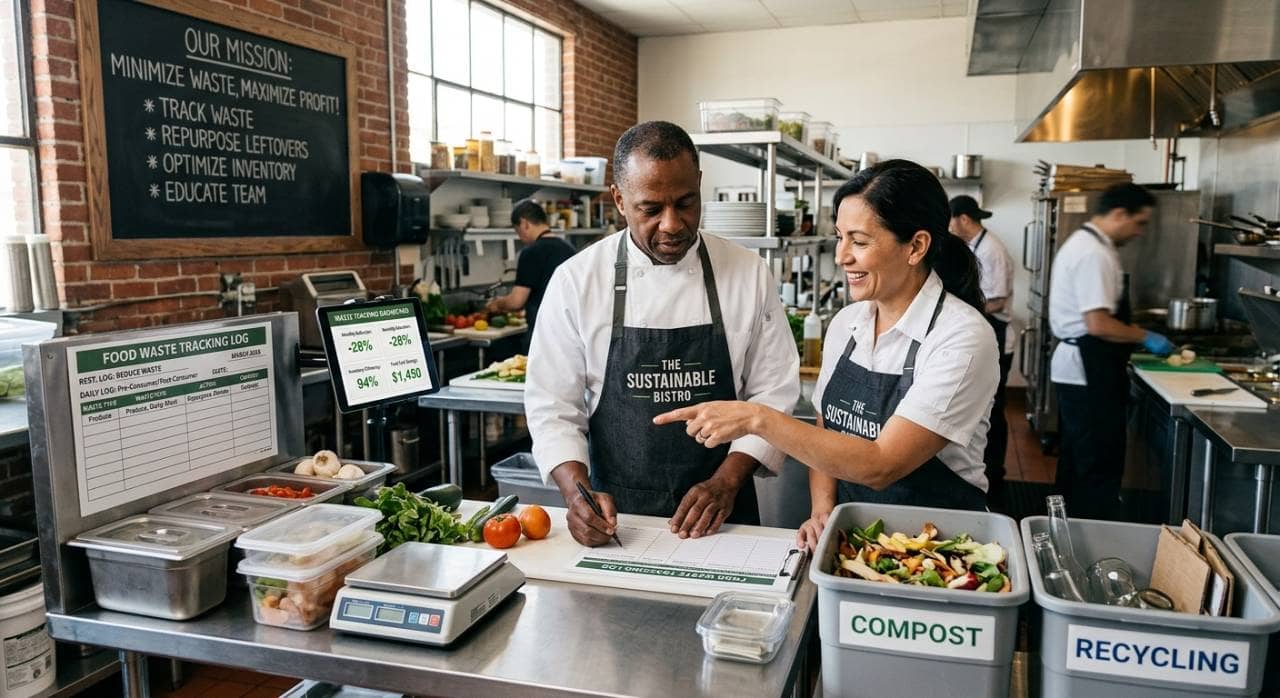
Learn how to reduce food waste in restaurants through smarter purchasing, storage, preparation, and service strategies that cut costs.
Sep 9, 2026
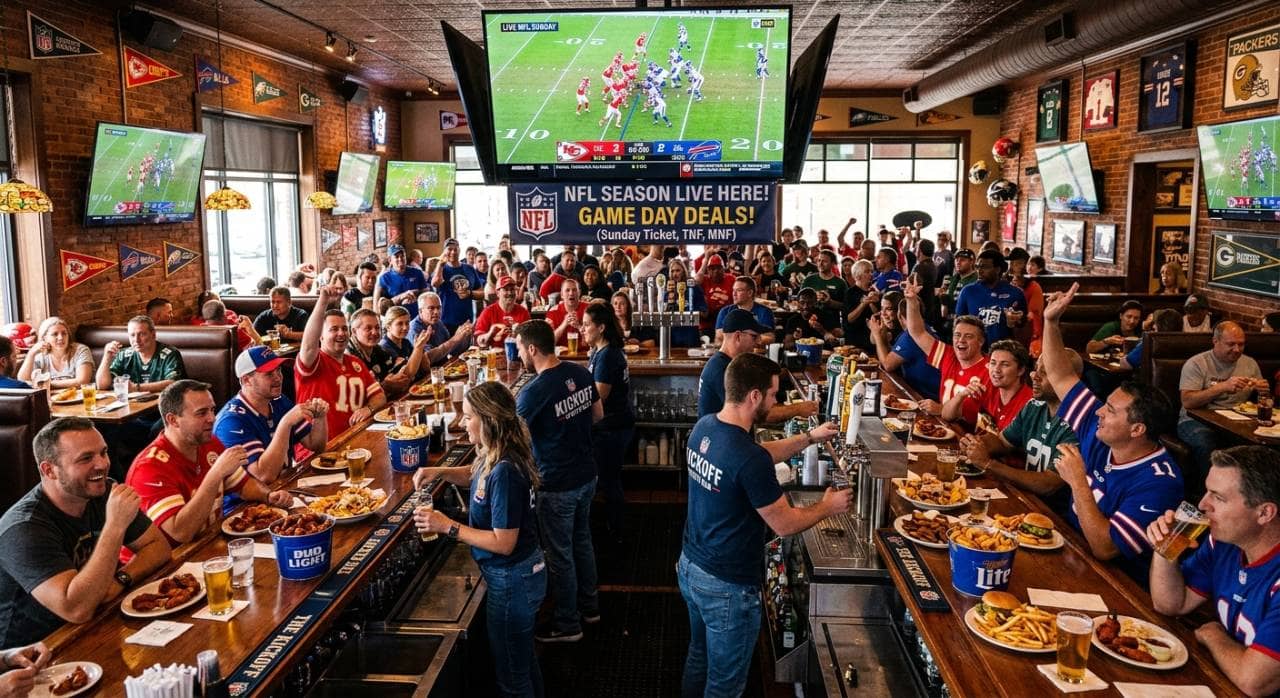
Prepare your restaurant for NFL season with smart menu planning, staffing, marketing, technology, and atmosphere strategies that boost season-long revenue.
Sep 9, 2026
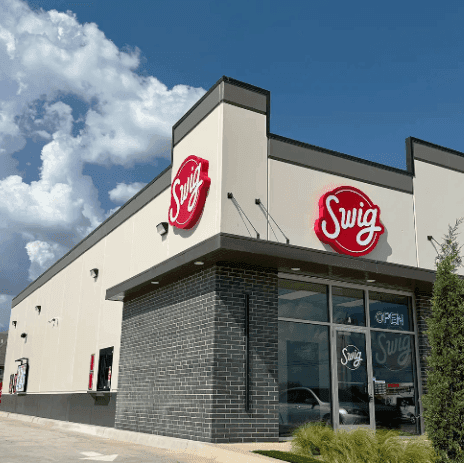
Swig signs franchise agreement for 11 South Denver locations, marking Colorado entry and validating its national expansion strategy.
Sep 8, 2026
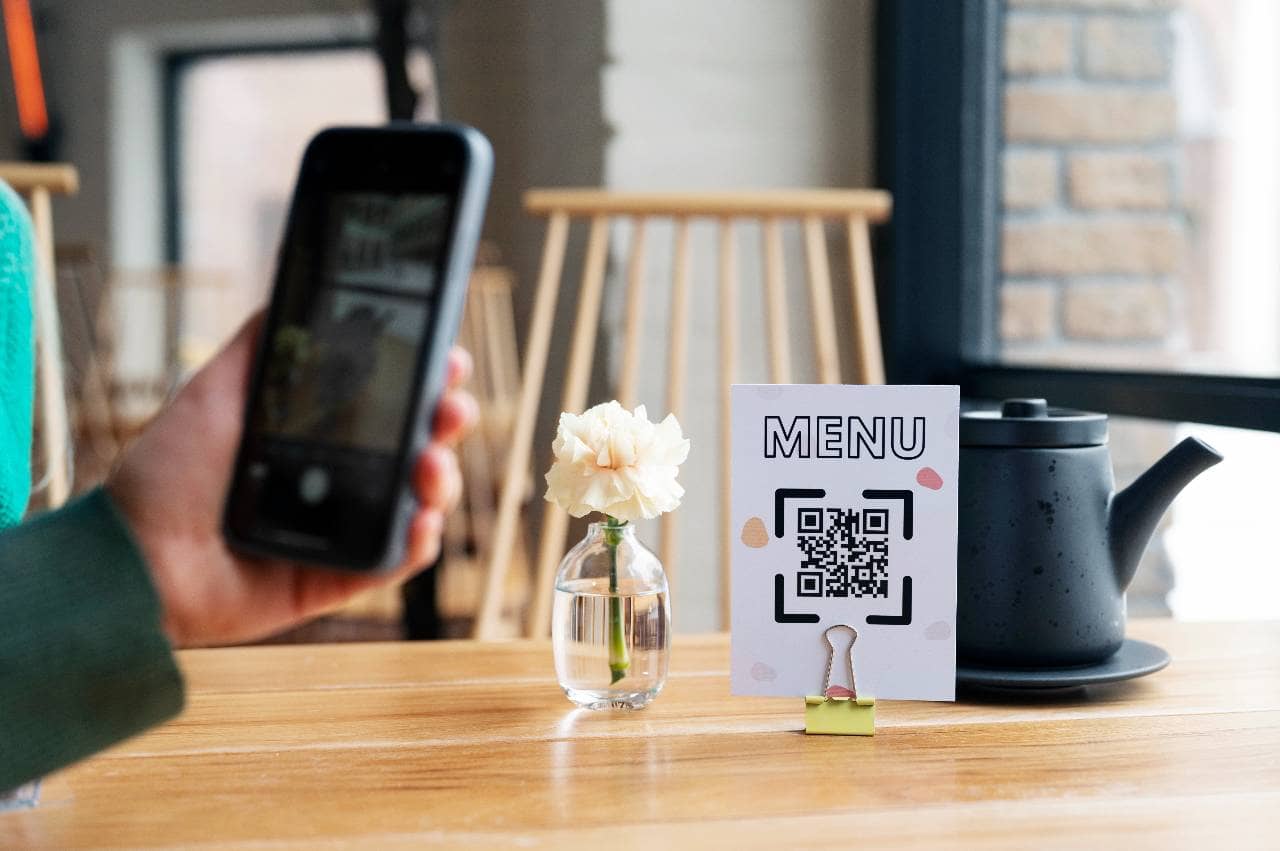
QR code menus let restaurants replace paper menus digitally, enabling instant updates, contactless browsing, ordering, and payment through simple smartphone scanning.
Sep 7, 2026
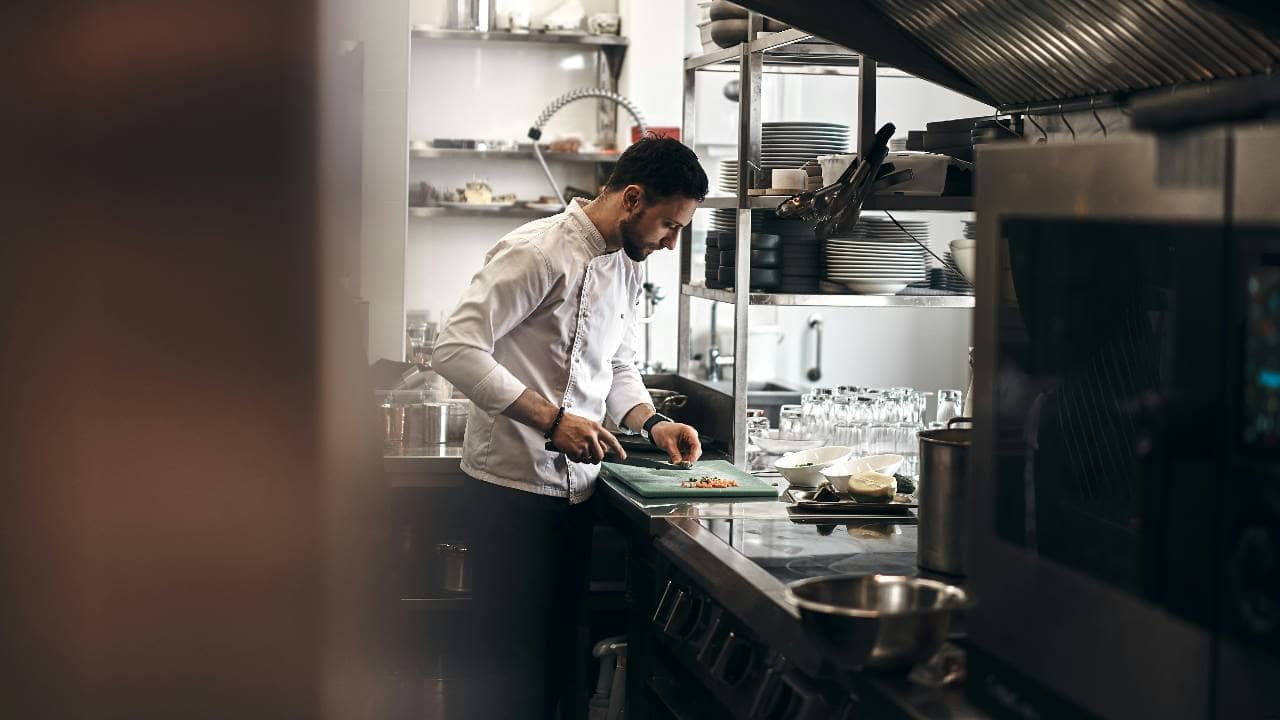
Complete guide helping restaurant owners choose essential kitchen equipment - covering cooking, refrigeration, prep, sanitation, ventilation, safety, and long-term maintenance planning.
Sep 7, 2026

Avoiding common restaurant payroll mistakes - misclassification, tip credit errors, overtime miscalculations - protects businesses from costly penalties, back pay, and compliance risks.
Sep 4, 2026
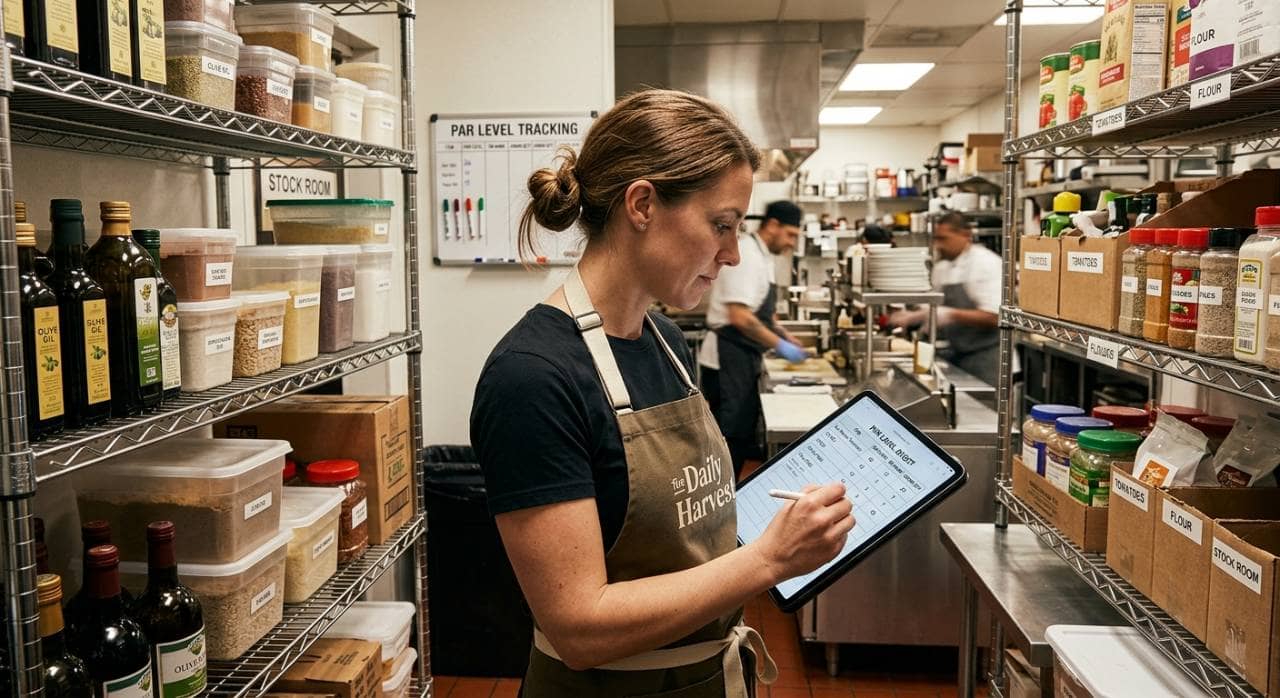
Learn to calculate par levels for restaurant food, beverages, and packaging inventory, preventing stockouts and waste through proper formulas.
Sep 4, 2026
Caribou Coffee appoints Zane Thomas-Rogers as Chief Operations Officer to strengthen execution across its expanding coffeehouse network.
Sep 4, 2026

Unlock Exclusive Access To Webinars, Events, And The Latest News For Free!
Rivals push lean formats, incentives, and partnerships to outpace Chipotle's rapid growth in fast-casual Mexican.

Chipotle Mexican Grill stands as the standard-bearer in fast-casual. Its footprint isn’t just big, it’s a tangible pressure point for rivals. As of June 30, 2024, the company operated 3,530 company-operated restaurants, with a trailing-12-month unit sales figure around $3.146 million per store. In the second quarter, it opened 52 new company locations, of which 46 included a Chipotlane, the drive-thru pickup lane that anchors the brand’s approach to speed and convenience. Revenue for the quarter hovered near $2.97 billion, buoyed by new openings and robust transaction growth. The broader context shows more than 3,500 restaurants in operation across the U.S., Canada, the U.K., France, Germany, and Kuwait. A June 26, 2024 stock split punctuated the expansion cadence.
Chipotlane lanes have become a strategic lever, not just for throughput but for creating urgency among guests to choose Chipotle for digital-first experiences. The scale and reach impose a ceiling for rivals and set a high bar for margins. The footprint spanning the U.S., Canada, the U.K., France, Germany, and Kuwait frames an ambition: scale quickly, but with disciplined risk management.
The implication is simple: scale buys time, but margin discipline wins. The next phase will be defined by how challengers translate unit economics into durable guest value across a broader footprint.
District Taco, a 17-unit brand anchored in Washington, D.C., pursues authentic Yucatecan flavors and distinctive offerings like breakfast tacos, now accounting for about 10% of sales. CEO Osiris Hoil frames growth as a long game, anticipating roughly 15 years to national reach, and has signed development agreements for at least 71 units with openings planned in Orlando and other markets. The model centers on smaller footprints and deep community ties, targeting suburban neighborhoods, colleges, and local organizations to build lasting connections.
Qdoba has leaned on incentives to accelerate development, offering a $100,000 cash incentive for franchisees that build new units by September 2026, with ambitions to net roughly 100 openings per year in the near term. Burritobar, the U.S. offshoot of Canada’s Barburrito, advocates a lean 1,000–1,500 square-foot footprint and a broader menu beyond traditional Mexican fast casual. Moe’s Southwest Grill, under GoTo Foods, remodels stores and streamlines operations to reverse unit declines while pursuing multi-unit growth in strategically chosen markets.
Operational focus and margin go hand in hand with growth. These brands stress cost discipline, targeted markets, and flexible formats that can adapt to local demand, while believing smaller formats can deliver speed and guest value without sacrificing economics.
Ab Igram, executive director of the Tariq Farid Franchise Institute at Babson College, highlights the strategic edge of aligning with experienced multi-unit operators to accelerate growth. He argues Chipotle has defined the market and rivals must locate exploitable weaknesses. Osiris Hoil cautions a measured expansion with an implied 15-year horizon to broad reach. Together, these voices sketch a landscape where expansion hinges on unit economics, site strategy, and dependable guest value.
Jeremy Vitaro, Qdoba’s chief development officer, underscores the ongoing importance of recruiting strong franchisees, timing market entries, and remodeling company-owned stores into smaller formats. The emphasis remains on balancing experienced operators with flexible locations to sustain margins while expanding the footprint.
Taken together, these voices map a high-stakes race where growth stays robust but is tethered to unit economics and the ability to deliver consistent guest value across a wider reach.

Rubio’s Coastal Grill filed for Chapter 11 in June 2024 to facilitate a sale, leading to the closure of 48 California locations while preserving core footprints in California, Arizona, and Nevada. Separately, Tijuana Flats filed Chapter 11 in April 2024 and was acquired by Flatheads LLC; the turnaround includes closures and renewed growth. These developments illustrate the fragility that can accompany rapid expansion in a highly competitive segment, even as others restructure to restore unit economics.
The broader dynamic in franchised restaurants shows pressure points across the system. The chapter filings are documented by PR Newswire and major outlets, underscoring the costs of scaling quickly in a competitive field.

Industry signals point to a Mexican fast-casual landscape defined by divergent strategies. Some brands lean into authentic storytelling and community ties, others push smaller formats and tech-enabled operations. Chipotle’s scale remains a defining driver, while rivals pursue master franchising, co-branding, and real estate experimentation to keep pace.
Macro factors include inflation, labor dynamics, and evolving consumer expectations. The pace of openings and the mix of company-owned versus franchised units will likely shift as the market seeks durable margins and guest value.
The sector’s trajectory suggests a high ceiling for brands that pair disciplined site selection with a compelling local promise and scalable operations.
