
California Penalizes Dickey's for Franchise Disclosure Violations
California shifts to public enforcement strategy against Dickey's for deceptive franchise disclosures, signaling stricter state-level franchise oversight.
Franchising
Sep 10, 2026
California shifts to public enforcement strategy against Dickey's for deceptive franchise disclosures, signaling stricter state-level franchise oversight.
Sep 10, 2026
Paul Brown temporarily steps away from Inspire Brands as Scott Murphy assumes interim CEO role during confidential IPO filing process targeting late 2026.
Sep 10, 2026
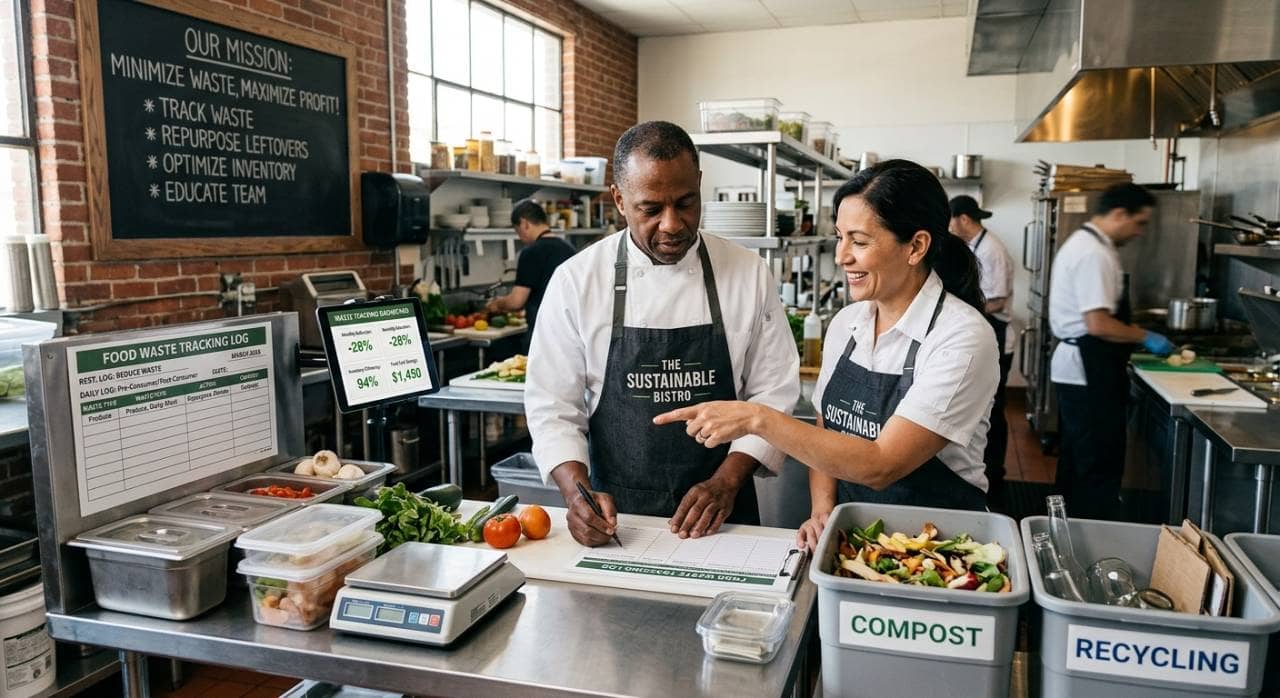
Learn how to reduce food waste in restaurants through smarter purchasing, storage, preparation, and service strategies that cut costs.
Sep 9, 2026
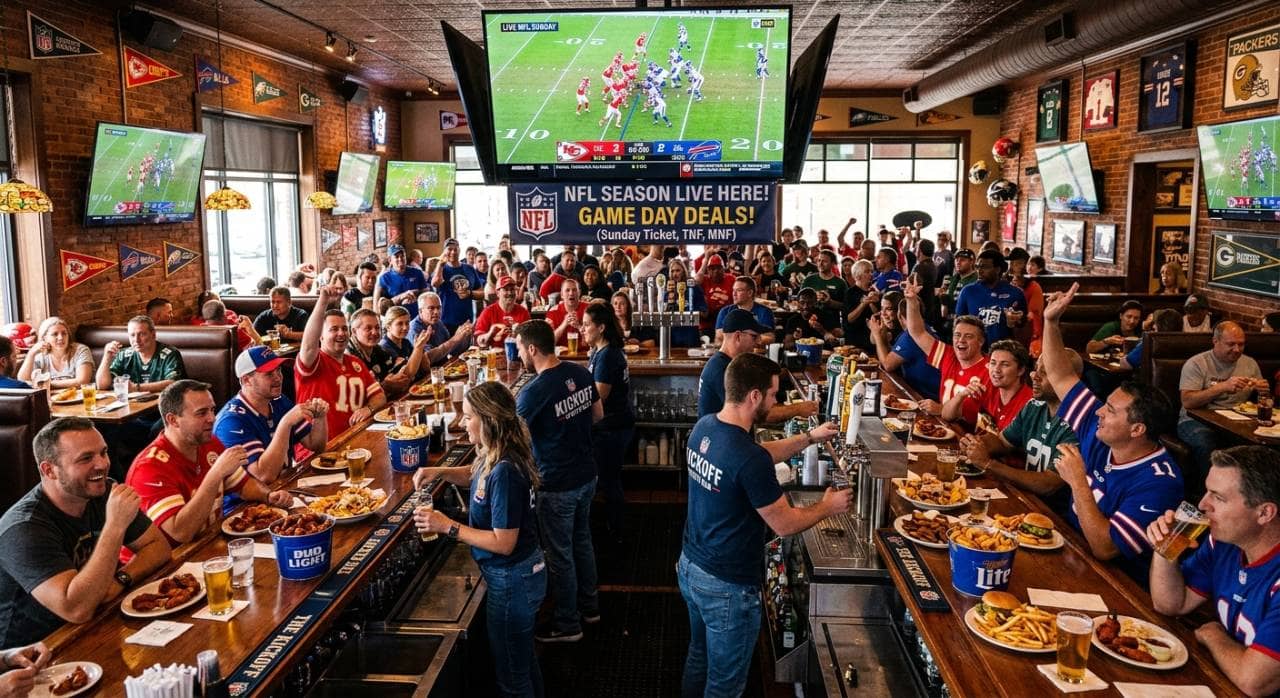
Prepare your restaurant for NFL season with smart menu planning, staffing, marketing, technology, and atmosphere strategies that boost season-long revenue.
Sep 9, 2026
Swig signs franchise agreement for 11 South Denver locations, marking Colorado entry and validating its national expansion strategy.
Sep 8, 2026
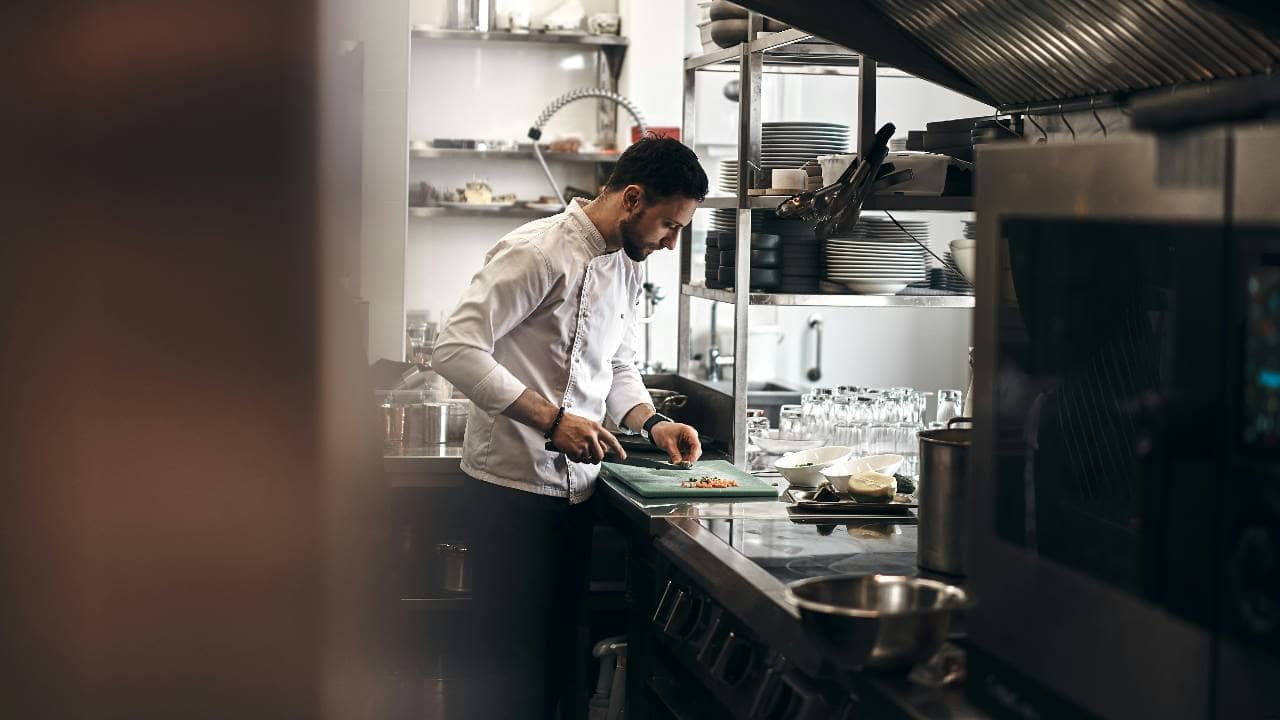
Complete guide helping restaurant owners choose essential kitchen equipment - covering cooking, refrigeration, prep, sanitation, ventilation, safety, and long-term maintenance planning.
Sep 7, 2026
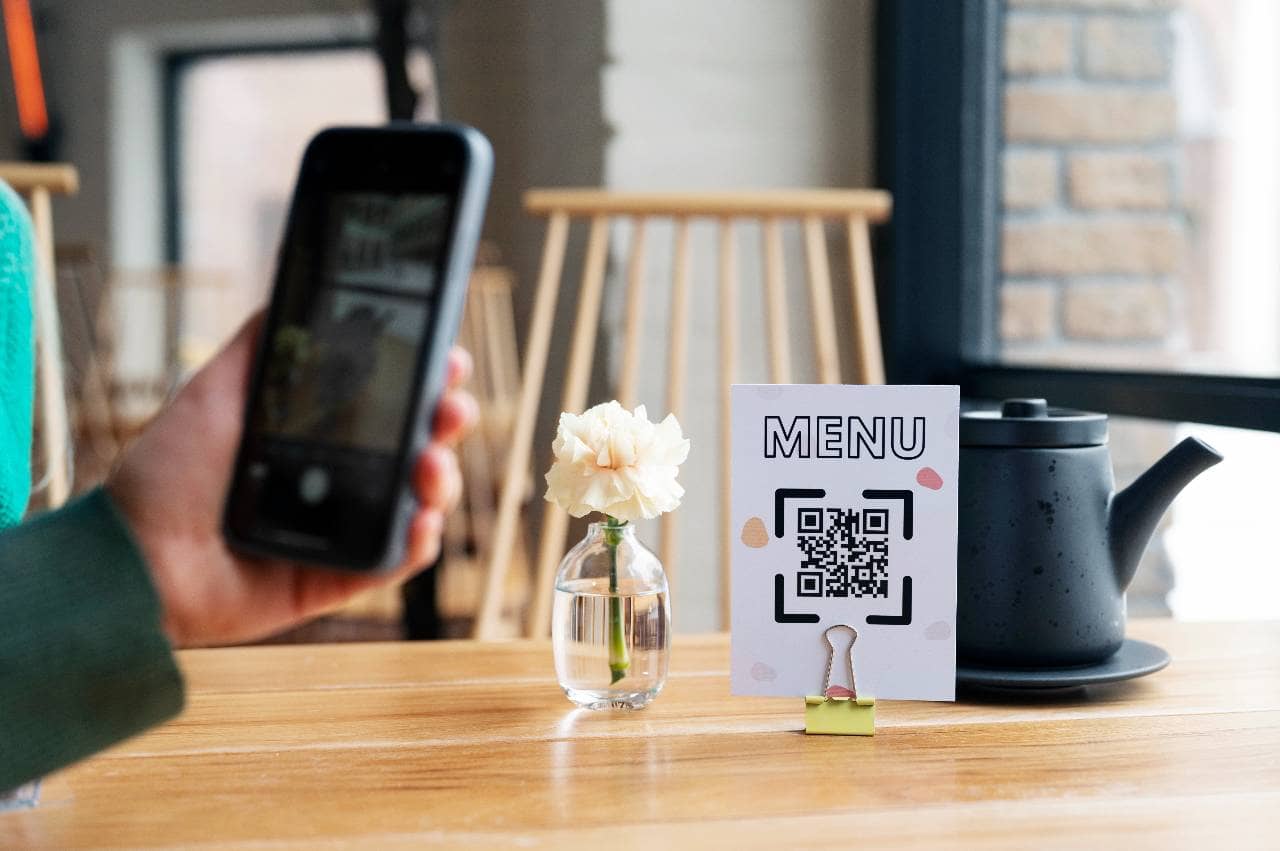
QR code menus let restaurants replace paper menus digitally, enabling instant updates, contactless browsing, ordering, and payment through simple smartphone scanning.
Sep 7, 2026

Avoiding common restaurant payroll mistakes - misclassification, tip credit errors, overtime miscalculations - protects businesses from costly penalties, back pay, and compliance risks.
Sep 4, 2026
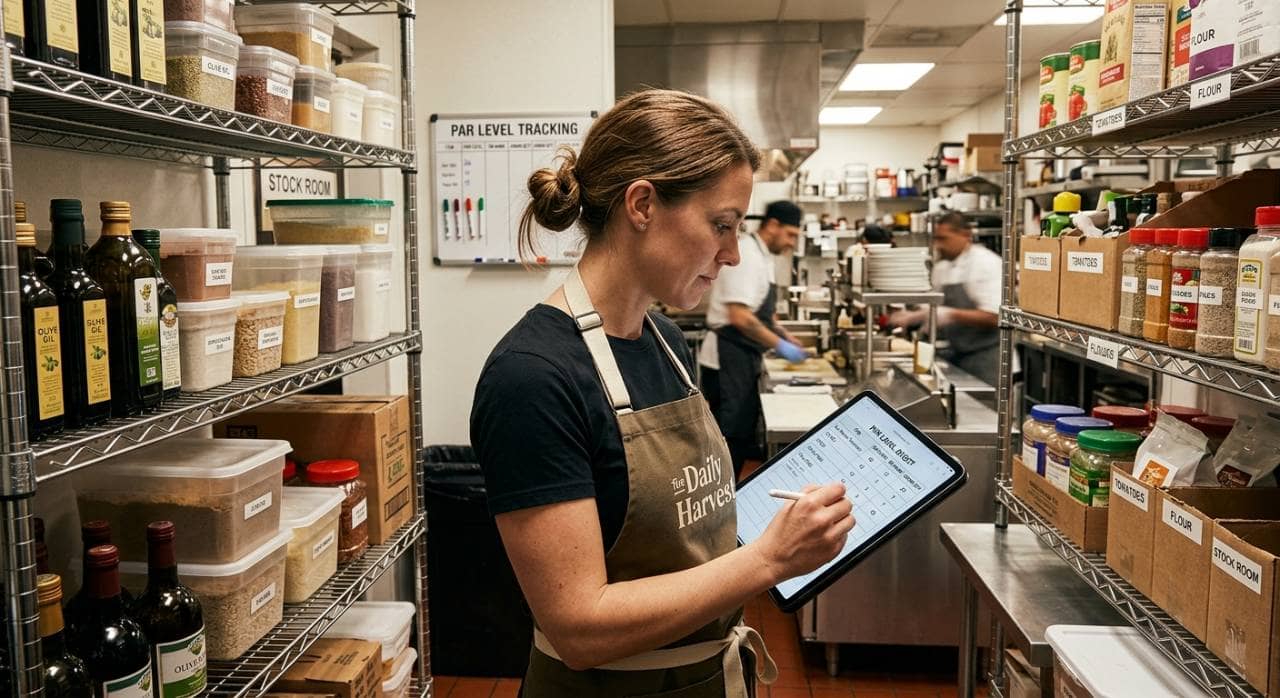
Learn to calculate par levels for restaurant food, beverages, and packaging inventory, preventing stockouts and waste through proper formulas.
Sep 4, 2026
Caribou Coffee appoints Zane Thomas-Rogers as Chief Operations Officer to strengthen execution across its expanding coffeehouse network.
Sep 4, 2026

Unlock Exclusive Access To Webinars, Events, And The Latest News For Free!
Saucy by KFC launches in Frisco as an equity-funded Florida-tested experiment, signaling Yum Brands' broader U.S. rollout strategy.

Photo by Hasnain Shafique
Saucy by KFC is stepping out of its Florida sandbox with a high-stakes westward move. Born in Orlando in December 2024, the concept has since grown into a Florida footprint of 10 locations with at least five more slated for the current development cycle. Yum Brands has locked in 13 Florida leases to support continued growth, including sites earmarked for Saucy. The Frisco launch marks the first sustained push beyond Florida and signals Yum’s conviction that Saucy can serve as a proving ground for a larger national rollout. It’s a deliberate test, not a one-off tease, designed to show how the format performs in a different dining landscape.
At the center of Saucy’s mechanics is a 100% equity structure: Yum Brands funds and operates the concept in-house, eschewing traditional franchising for a rapid-iteration workflow. In February 2025, then-CEO David Gibbs described the approach as a deliberate test-and-polish cycle meant to yield practical insights for KFC’s U.S. long-term strategy. The Frisco expansion is built as a scale test in a recognizable, high-velocity market, an approach Yum has used with other brands to sharpen system-wide best practices. The Florida test bed, meanwhile, offers a controlled environment to refine guest flow, service rhythms, and the underlying economics before the brand travels to new geographies.
In short, Saucy’s next phase is a carefully calibrated ramp. How Frisco performs will steer how quickly the concept leaves the state lines and how fast Yum scales the test into broader markets. That result will bookend the Florida chapter and set the tempo for future iterations, whether in Texas, Georgia, or beyond.
Out of the gate, Saucy’s core differentiator is built in the kitchen and the planning room. The model centers on a 100% equity approach where Yum funds and runs the concept in-house, not a franchise network. In Florida, guests are invited to customize with 11 sauces and a lineup of tenders and sammies on King’s Hawaiian rolls, with crinkle-cut fries as a staple. The Florida footprint serves as a living lab for refining the guest experience, the menu structure, and the service model ahead of broader travel beyond the state. The expansion logic, choosing a high-growth market as a testbed, reflects Yum’s broader strategy: incubate, learn, then decide.
Bev strategy and format: Saucy’s signature drinks have evolved with Drips by Pepsi, a crafted beverage concept that elevates the dining experience. The approach pairs strong flavor with a beverage-led differentiation in a crowded chicken category. The 11 sauces invite personal customization and cross-pairing, supporting cross-utility across tenders, sammies, and sides. The Frisco experiment serves as a scale test to see how these elements translate to guest engagement, speed of service, and unit economics in a different market.
Taken together, the model’s in-house execution plus rapid iteration set a clean beat for what comes next. If Frisco buys into Saucy, the plan is simple: keep testing, speed up, then decide. The test is not ceremonial; it’s calibrated to deliver actionable data.
Momentum since Orlando is not accidental. Saucy’s 11 distinct sauces, combined with tenders and 'sammies' on King’s Hawaiian rolls, has become a signature proposition. The Florida footprint acts as a living lab for refining the guest experience, menu structure, and service model ahead of broader travel beyond the state. The living lab approach helps to refine the concept's format and operations before expanding to a Texas test and beyond.
Beating a path through a crowded field, Saucy sits at the intersection of fast-casual convenience and experiential dining. Its equity-backed testing ground gives Yum a unique lens on scalability, guest engagement, and operational execution, while facing competition from established chicken players and other fast-casual innovators. The emphasis is on beverage-led differentiation and an attachment-driven menu that invites sharing and repeat visits.
So far, the Florida experiment is the benchmark; Frisco is the qualifier. The results will show whether Saucy can translate its momentum into repeatable, sustainable growth.
Gaps, uncertainties, and what to watch. The Texas-focused test must translate in regions with different tastes and retail realities. The Florida-to-Texas ramp is the learning loop guiding pace, store formats, and menu tweaks that maximize guest appeal and profitability. Leadership transitions at Yum, specifically Gibbs’ 2026 retirement, could shift speed and priorities as the company reaffirms its strategy.
Observers will monitor whether the Frisco launch yields the same excitement and repeatable results as Florida. The interplay with leadership changes could influence how quickly the brand expands under the equity-based framework.
How Yum frames Saucy matters beyond a single restaurant. The outcome will ripple through KFC's U.S. strategy and help define the role of test-driven concepts in a crowded market.

If Saucy proves adaptable beyond Florida, Yum’s development playbook could tilt toward equity-backed pilots, in-house ops, and rapid iteration across multiple high-potential markets. The Texas test could also shape how other operators view flavor-forward, attachment-driven menus and premium beverage programs as core differentiators in a crowded chicken segment.
Should the Texas test deliver measurable guest appeal and solid unit economics, Saucy could influence KFC’s U.S. strategy and even the broader landscape for fast-casual chicken nationwide. The concept’s emphasis on customization and experiential dining aligns with consumer demand and could prompt a recalibration of Yum’s portfolio.
Bottom line: Saucy’s fate rests on data, not drama. If Frisco delivers, the runway to a larger national push opens, and fast.
