California Penalizes Dickey's for Franchise Disclosure Violations
California shifts to public enforcement strategy against Dickey's for deceptive franchise disclosures, signaling stricter state-level franchise oversight.
Franchising
Sep 10, 2026
California shifts to public enforcement strategy against Dickey's for deceptive franchise disclosures, signaling stricter state-level franchise oversight.
Sep 10, 2026
Paul Brown temporarily steps away from Inspire Brands as Scott Murphy assumes interim CEO role during confidential IPO filing process targeting late 2026.
Sep 10, 2026
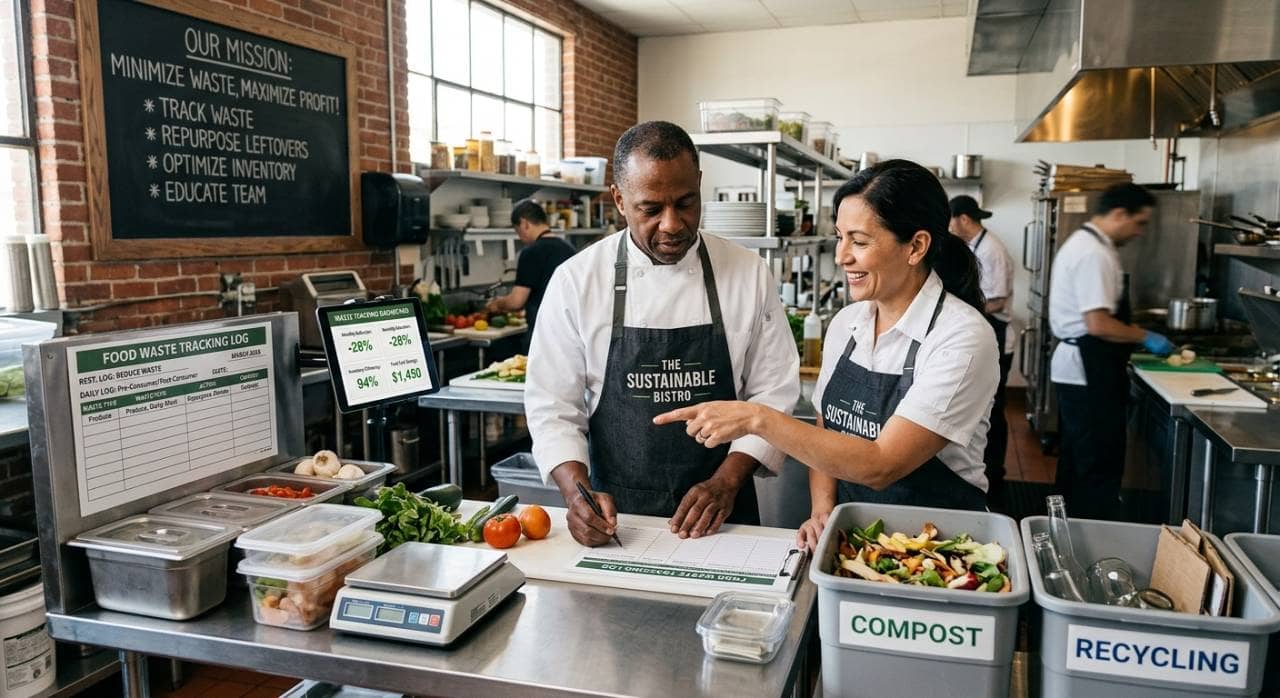
Learn how to reduce food waste in restaurants through smarter purchasing, storage, preparation, and service strategies that cut costs.
Sep 9, 2026
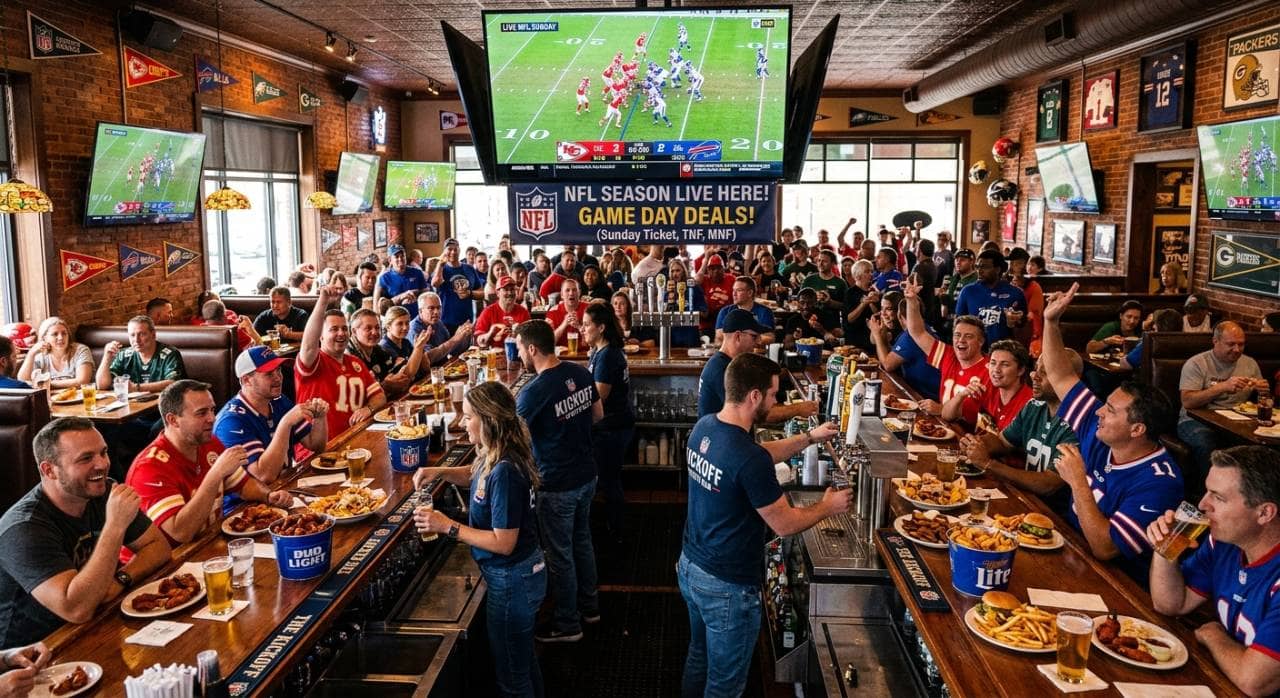
Prepare your restaurant for NFL season with smart menu planning, staffing, marketing, technology, and atmosphere strategies that boost season-long revenue.
Sep 9, 2026
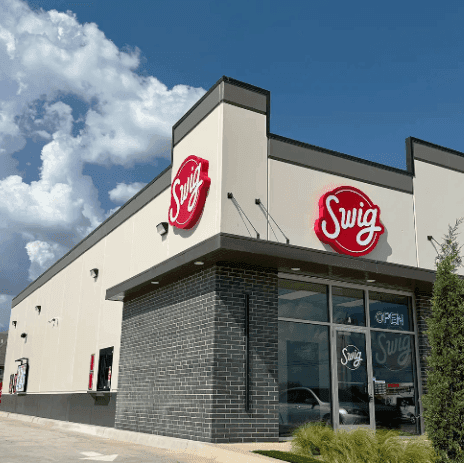
Swig signs franchise agreement for 11 South Denver locations, marking Colorado entry and validating its national expansion strategy.
Sep 8, 2026
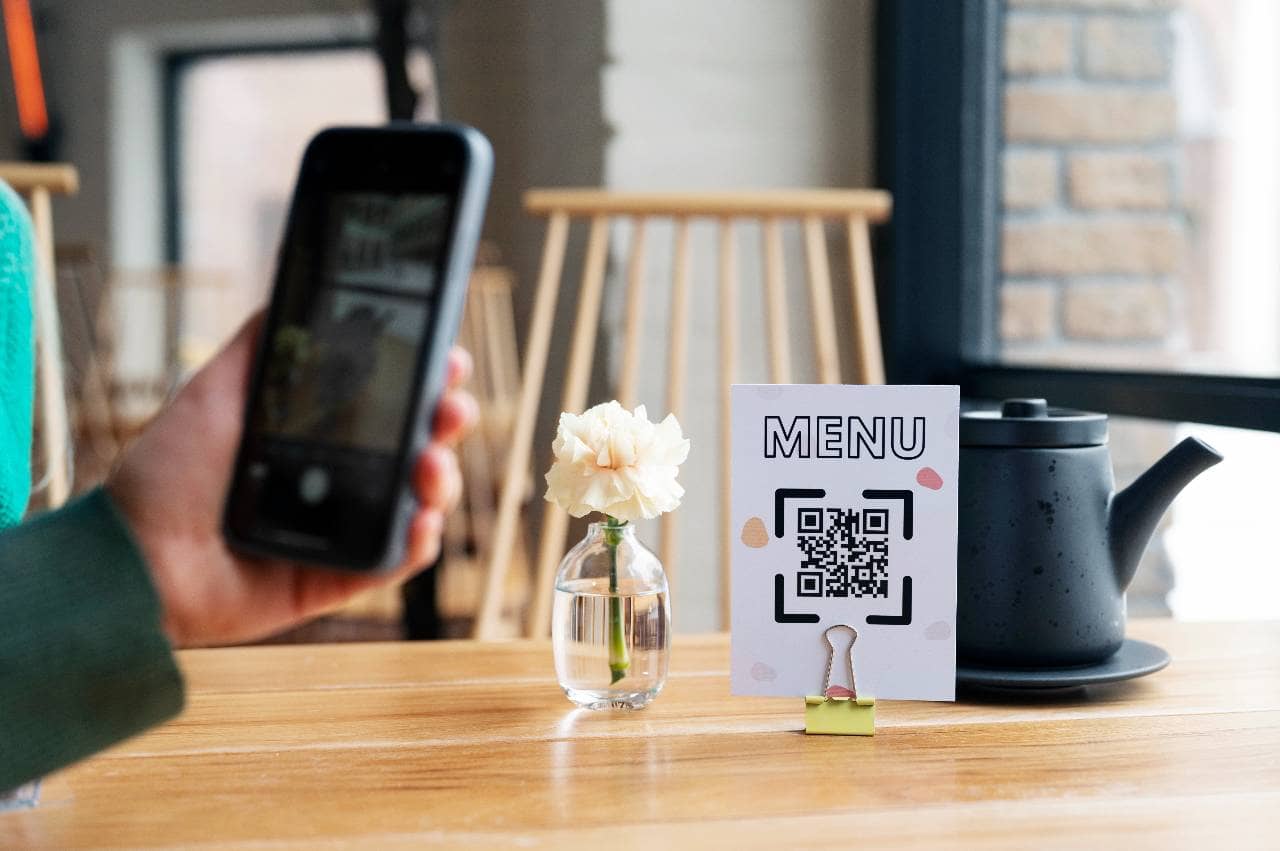
QR code menus let restaurants replace paper menus digitally, enabling instant updates, contactless browsing, ordering, and payment through simple smartphone scanning.
Sep 7, 2026

Complete guide helping restaurant owners choose essential kitchen equipment - covering cooking, refrigeration, prep, sanitation, ventilation, safety, and long-term maintenance planning.
Sep 7, 2026

Avoiding common restaurant payroll mistakes - misclassification, tip credit errors, overtime miscalculations - protects businesses from costly penalties, back pay, and compliance risks.
Sep 4, 2026
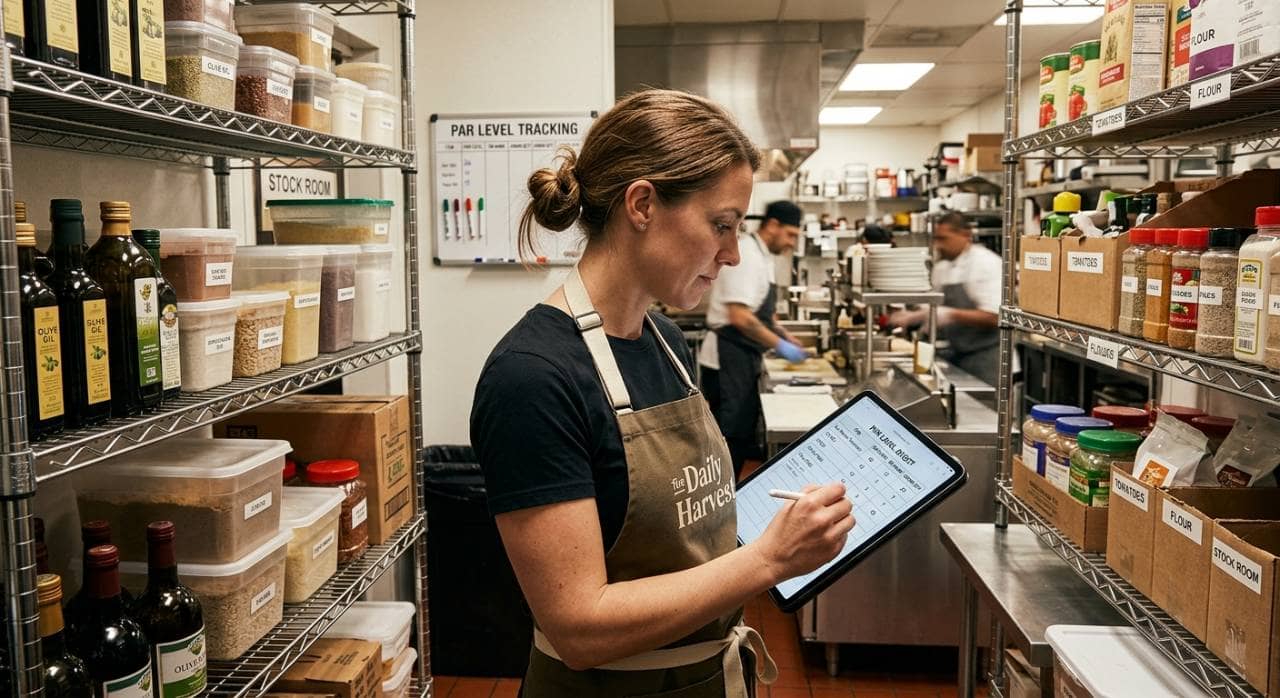
Learn to calculate par levels for restaurant food, beverages, and packaging inventory, preventing stockouts and waste through proper formulas.
Sep 4, 2026
Caribou Coffee appoints Zane Thomas-Rogers as Chief Operations Officer to strengthen execution across its expanding coffeehouse network.
Sep 4, 2026

Unlock Exclusive Access To Webinars, Events, And The Latest News For Free!
Dig Inn blends seasonality with experiential events to grow beyond lunch, turning food into community moments.

Photo by Ksenia Yakovleva
Dig Inn isn’t chasing flash so much as planting a season-long rhythm. The Dig Inn brand builds its menu around vegetables and what’s growing in the ground, turning seasonality into a storytelling engine. That approach shapes not just what ends up in a bowl, but how the brand talks about food with neighbors and communities. In 2024, leadership leaned into a broader lifestyle narrative, tying menus to nearby neighborhoods and experiences. It’s a strategy that invites customers to see Dig as a seasonal companion, not a one-off lunch stop:
That seasonal rhythm shows up in real terms: menus anchored in regionally available ingredients and local leadership at each Dig location. The spring menu underscored a commitment to seasonality with items like a Crispy Chicken Sandwich and other bowls guided by present-tied produce and chef-driven prep. The expansion mindset lets Dig tailor items to local markets while preserving a unifying seasonal thread that travels with guests. It isn’t just about what’s on the tray; it’s about how a bowl becomes a signal of place and time, a narrative customers can follow across markets.
Seasonal product development at Dig feels like a living program, not a one-off launch. The company blends recipes with experiences that invite guests to participate in real time. The Crispy Chicken Protein rolled out via live cooking events across multiple markets, where attendees learned to make the protein themselves and walked away with Dig’s breading to try at home. 'We want to share our love of cooking [so much] that we’re even willing to show you how to make it.' said Jessica Serrano, signaling a push to turn cooking into a shared moment and to widen Dig’s reach beyond a single meal.
Beyond that protein, the spring menu added a Crispy Chicken Sandwich in April, followed by Nashville hot and crispy tofu variants after what the company described as 'really, really fantastic feedback' from guests. The lineup also features a Dinner program via Family Dinner options and seasonal summer items that evoke barbecue flavors, such as roasted street corn and a picnic slaw. The strategy signals a deliberate push to extend Dig’s relevance across dayparts, with flexible menu design and rapid responsiveness to consumer input.

Dig’s Brooklyn moment put the theory into practice. The Brooklyn pickleball celebration paired samples with free lessons and clinics, turning a summer menu push into a community gathering. Dig described the event as a 'great way to spend time with Dig fans.' That line captures the mood: food as a touchpoint for shared activity. The activation underscored a broader industry interest in experiential marketing, showing how a seasonal story can become tactile, social, and memorable. This wasn’t a one-off stunt; it was a proof-of-concept for a brand that wants brand affinity through belonging.
Guests sampled menu items, joined free lessons, and shared reactions that amplified Dig’s narrative beyond the bowl. The Brooklyn event fed a broader pattern: experiential activations resonate with younger consumers who prize shared experiences alongside dining and turn casual visits into repeat visitors. Media coverage and social chatter echoed the trend, suggesting experiential activations deepen brand communities and keep Dig relevant in a crowded landscape.
Dig’s leadership and footprint march in step with its growth goals. The Bethesda location opened in February 2024, signaling a multi-market push. In June 2024, Jessica Serrano was promoted to Chief Marketing Officer, a milestone widely reported in trade press. By mid-2025, Serrano had moved to Einstein Bros Bagels as CMO, a transition that industry outlets highlighted as part of a broader leadership shift. All the while, Dig pressed on with menu evolution and a summer relaunch that delved back into the brand’s roots while keeping a broader seasonal frame.
That leadership shift matters because it tests a growth model built on regional tailoring and seasonality. The Bethesda opening shows a convergence of expansion and branding, while Serrano’s move signals the unpredictable path of high-growth concepts. The ongoing menu evolution, including a summer return to the brand’s seasonal storytelling and a deeper relaunch strategy, points to a plan balancing consistency with local adaptation. The result: Dig aims to stay relevant across markets even as executive leadership changes ripple through strategy and product decisions.

Dig sits inside a bigger industry move: seasonality and experiential marketing have become levers for differentiation in a crowded fast-casual world. The approach mirrors broader narratives that tie food to lifestyle and community, through partnerships, live cooking demos, and place-based events that build loyalty and everyday relevance. Coverage of Dig’s pivot aligns with reports of multi-format expansions and culinary innovation that test how seasonal storytelling can anchor growth.
Yet questions linger about long-term outcomes. How Serrano’s exit or other leadership moves affect brand storytelling and menu development remains to be seen. Cross-market balance, profitability, guest repeat rates, and supply-chain resilience will hinge on execution and continued consumer appetite for experiential dining.