
California Penalizes Dickey's for Franchise Disclosure Violations
California shifts to public enforcement strategy against Dickey's for deceptive franchise disclosures, signaling stricter state-level franchise oversight.
Franchising
Sep 10, 2026
California shifts to public enforcement strategy against Dickey's for deceptive franchise disclosures, signaling stricter state-level franchise oversight.
Sep 10, 2026
Paul Brown temporarily steps away from Inspire Brands as Scott Murphy assumes interim CEO role during confidential IPO filing process targeting late 2026.
Sep 10, 2026
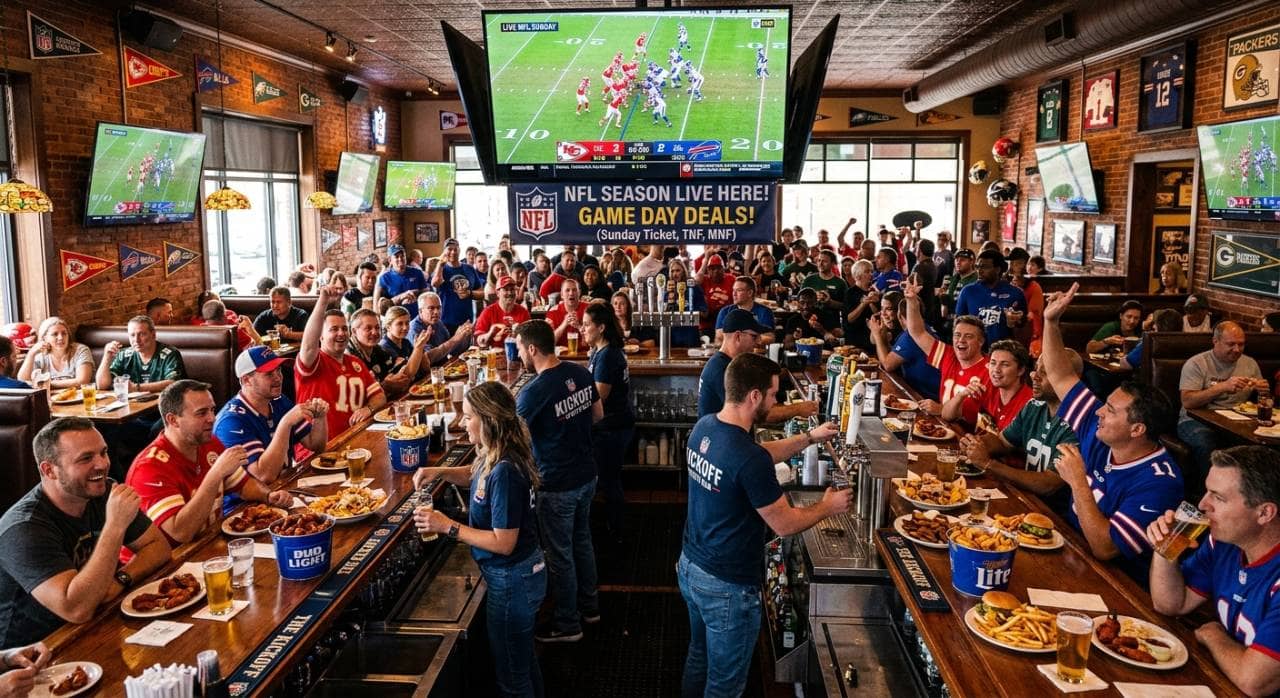
Prepare your restaurant for NFL season with smart menu planning, staffing, marketing, technology, and atmosphere strategies that boost season-long revenue.
Sep 9, 2026
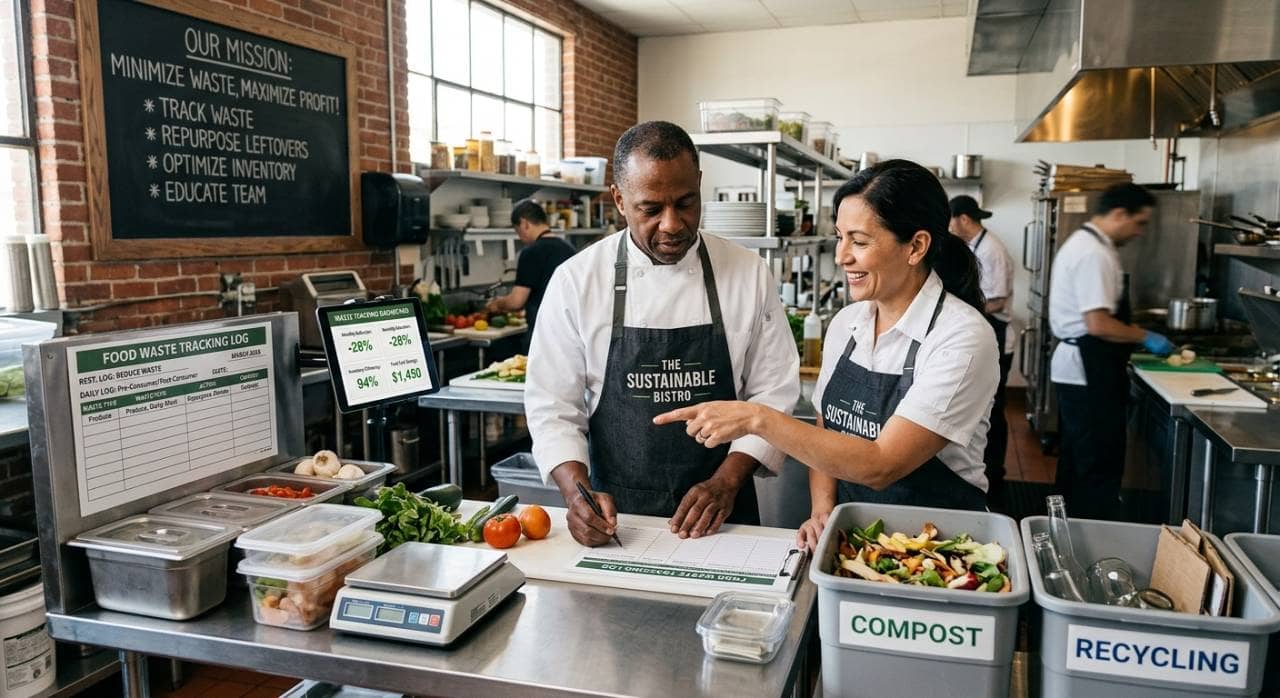
Learn how to reduce food waste in restaurants through smarter purchasing, storage, preparation, and service strategies that cut costs.
Sep 9, 2026
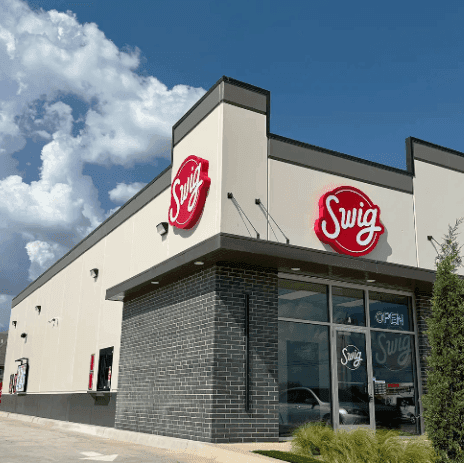
Swig signs franchise agreement for 11 South Denver locations, marking Colorado entry and validating its national expansion strategy.
Sep 8, 2026
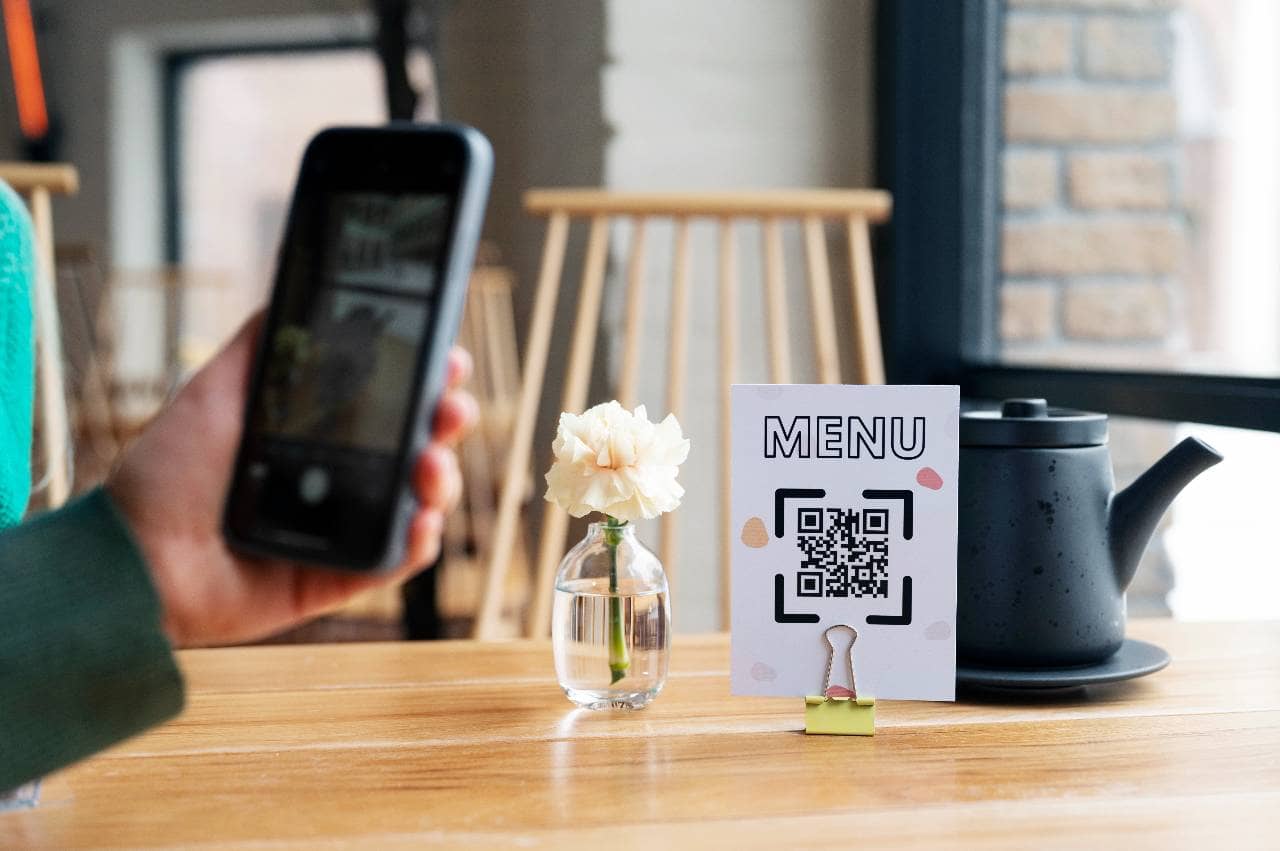
QR code menus let restaurants replace paper menus digitally, enabling instant updates, contactless browsing, ordering, and payment through simple smartphone scanning.
Sep 7, 2026
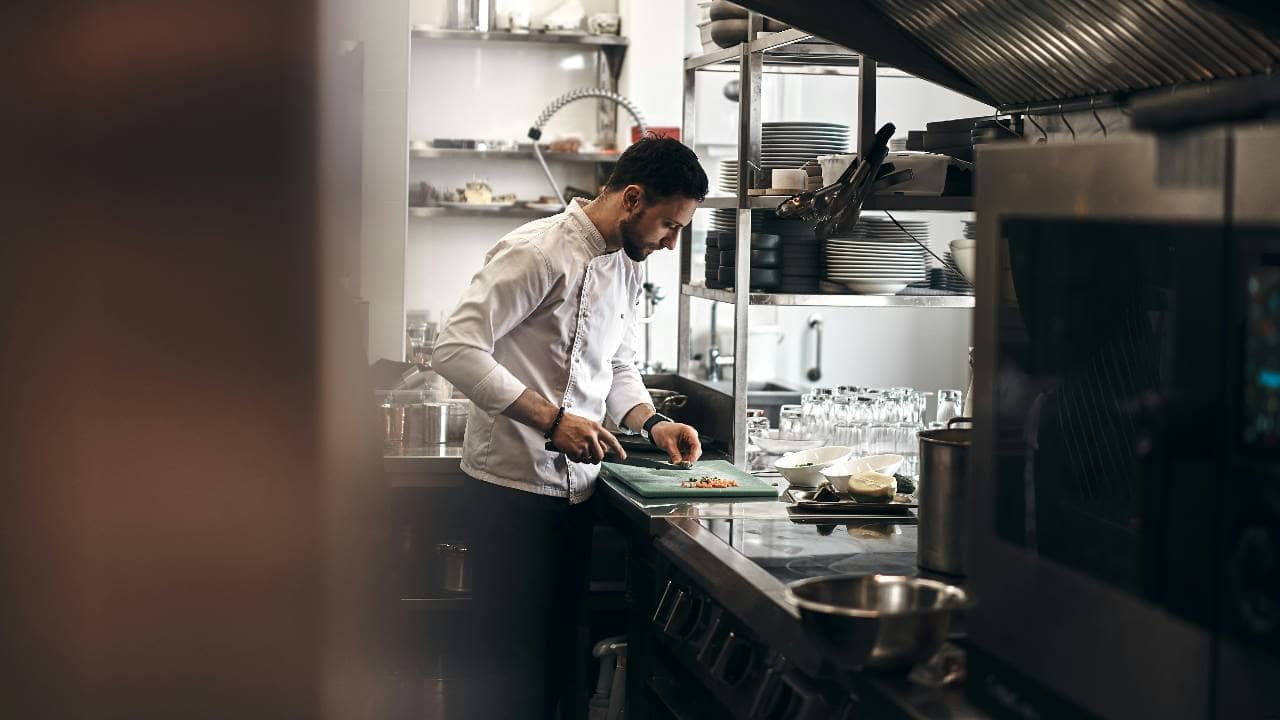
Complete guide helping restaurant owners choose essential kitchen equipment - covering cooking, refrigeration, prep, sanitation, ventilation, safety, and long-term maintenance planning.
Sep 7, 2026

Avoiding common restaurant payroll mistakes - misclassification, tip credit errors, overtime miscalculations - protects businesses from costly penalties, back pay, and compliance risks.
Sep 4, 2026
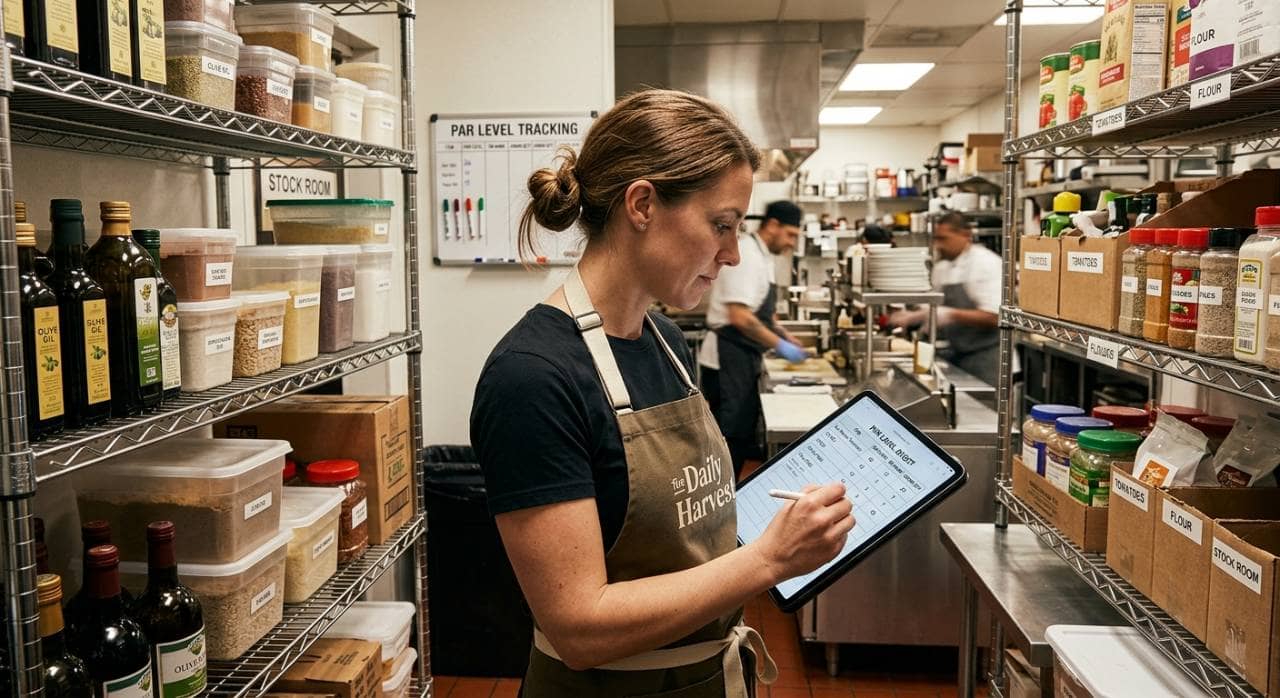
Learn to calculate par levels for restaurant food, beverages, and packaging inventory, preventing stockouts and waste through proper formulas.
Sep 4, 2026
Caribou Coffee appoints Zane Thomas-Rogers as Chief Operations Officer to strengthen execution across its expanding coffeehouse network.
Sep 4, 2026

Unlock Exclusive Access To Webinars, Events, And The Latest News For Free!
Industry giants recalibrate growth with lean portfolios, asset-light models, and experiential campaigns to sustain momentum into 2026.

Photo by Veronica Reverse
Across the dining landscape, a quiet recalibration is taking hold. The appetite for expansion has cooled as operators balance foot traffic with delivery, digital ordering, and off-premise channels. In the vanguard of this shift stand industry leaders, Papa John’s, Noodles & Company, Dutch Bros, Taco Bell Cantinas, and TGI Fridays, recrafting trajectories through portfolio discipline, selective growth, and immersive campaigns. It is not merely about store counts; it is a conversation about where value is created and how margins endure when promotions saturate the market. The question before us is how leadership translates ambition into steady momentum, even as the landscape grows more promotional. What lies beneath these headlines, and how will this leadership translate ambition into real performance?
Those forces are visible in the numbers and plans shaping the quarter. For Papa John’s, North America comps declined about 4% in the second quarter, a reminder of a promotional marketplace and shifting consumer habits. Yet, in 2025 North America comps were roughly flat to +2%, hinting at pockets of resilience. Leadership has signaled a deliberate push to refine product, pricing, and store-level execution as a path to regain momentum. At the same time, Noodles & Company is narrowing its footprint to improve unit economics, aiming to close 28–32 company-owned units in 2025 with continued progress into 2026. Taken together, these moves reveal a broader pivot toward efficiency and selective, profitable growth.

To read the season’s menu of moves is to see a quietly audacious reshaping of the growth equation. Papa John’s leans into international momentum to offset softer domestic demand, while recalibrating the share of company-owned versus refranchised units. Noodles & Company continues a clear portfolio discipline, closing underperformers and redirecting capital toward higher-potential sites. The same thread runs through Dutch Bros and Taco Bell Cantinas, where margin rigor sits beside experiential marketing that aims to deepen loyalty without eroding price discipline. The result is a framework for 2026 that prizes efficiency paired with differentiated guest experiences.
Concrete signals accompany the rhetoric. Public disclosures show that by year-end 2025, Noodles & Company anticipated closing 31–34 company-owned and 7–8 franchised units, part of a broad portfolio repositioning. Earlier communications had set a target to shutter 28–32 company-owned locations in 2025, with the pace continuing into 2026. Across the other banners, Dutch Bros notched an earnings beat and guided higher for the year, though investor sentiment wavered as the market questioned sustainability in a high-velocity segment. Taco Bell Cantinas demonstrated a marketing-led evolution, an immersive, community-forward approach that seeks deeper loyalty beyond the dining room.
Leadership commentary and investor sentiment illuminate how far the industry has to travel to steady growth. Papa John’s leadership has framed the challenge in terms of a cautious consumer environment and heightened promotional activity, a stance echoed in earnings discussions. The company's dynamics reveal a tension between improving international performance and softer domestic demand, a theme that echoes across chains seeking brand equity under price pressure. Dutch Bros executives have stressed demand strength and margin discipline, even as market observers debate the durability of outperformance amid volatility. On the financing front, Taco Bell Cantinas has captured attention for cultural engagement and experiential marketing while navigating broader macro signals.
In the market’s theatre, the response to these quarterly messages has been mixed. Dutch Bros delivered a beat on earnings and offered a higher full-year forecast, yet a trading-day retreat reminded investors that appetite for rapid expansion remains scrutinized in a stock market famous for its nerves. Meanwhile, Taco Bell Cantinas has generated tangible buzz for culture-driven campaigns, even as executives acknowledge that the event-driven lift depends on sustaining the Rewards program and broader discretionary spend.

Marketing experimentation remains a defining frontier for category leaders. Taco Bell Cantinas’ activation, framed as an 'early retirement community' for Rewards Members, was designed to generate buzz beyond the dining table and deepen fan loyalty through experiential experiences. The San Diego weekend event, scheduled for August 17–18, 2024, showcased how a fast-food brand can leverage lifestyle storytelling to broaden its appeal and create shareable moments in a crowded field. Coverage from Marketing Dive and industry outlets emphasized that Cantinas represented a calculated shift toward culture-led marketing, a tactic many brands have adopted to connect with core fans while expanding reach. The Cantinas program also highlighted ticketing dynamics, sold out in days, evidence of strong engagement from a devoted Rewards base.
This is not mere spectacle; it is a test of whether experiential experiences can translate into durable customer lifetime value and expanded loyalty beyond promotions. Cantinas’ reach demonstrates how culture-led storytelling can become a long-term asset in a field too often defined by price competition and quick campaigns.
Despite the flurry of activity, multiple unknowns cloud the 2026 horizon. Portfolio adjustments, especially at Noodles & Company, carry timing risks as restaurants close and leases terminate, with figures cited at 28–32 closures for 2025 and a broader target into 2026. The durability of Papa John’s international momentum and the sustainability of Dutch Bros’ high-velocity growth remain in focus as investors weigh macro signals and execution risk. For TGI Fridays, the asset-light transition and cross-border ownership dynamics add governance considerations that may stretch into 2026. Cantinas’ long-term impact on brand equity and customer lifetime value remains an open question given its novelty.
Taken together, these developments signal a category-wide tilt toward disciplined portfolio management, hybrid ownership models, and creative customer engagement as the core levers of growth. Growth now hinges on selective investments in locations, campaigns, and channels most likely to deliver profitable returns. Authentic leadership and transparent reporting will remain essential to maintaining trust with investors, franchisees, and guests, particularly as consumer spending stays nuanced and competition remains intense. As 2026 approaches, the balance between experimentation, such as Cantinas, and disciplined execution will likely define which brands emerge with stronger earnings resilience and deeper consumer loyalty.
