
California Penalizes Dickey's for Franchise Disclosure Violations
California shifts to public enforcement strategy against Dickey's for deceptive franchise disclosures, signaling stricter state-level franchise oversight.
Franchising
Sep 10, 2026
California shifts to public enforcement strategy against Dickey's for deceptive franchise disclosures, signaling stricter state-level franchise oversight.
Sep 10, 2026
Paul Brown temporarily steps away from Inspire Brands as Scott Murphy assumes interim CEO role during confidential IPO filing process targeting late 2026.
Sep 10, 2026
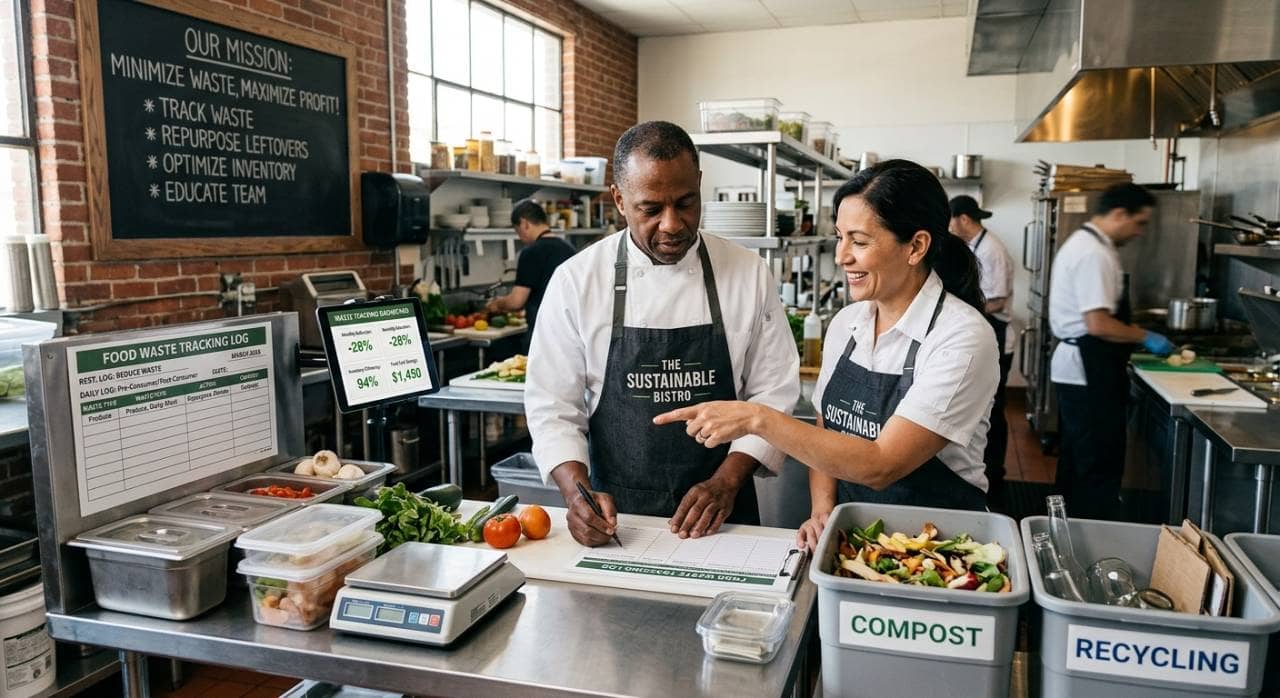
Learn how to reduce food waste in restaurants through smarter purchasing, storage, preparation, and service strategies that cut costs.
Sep 9, 2026
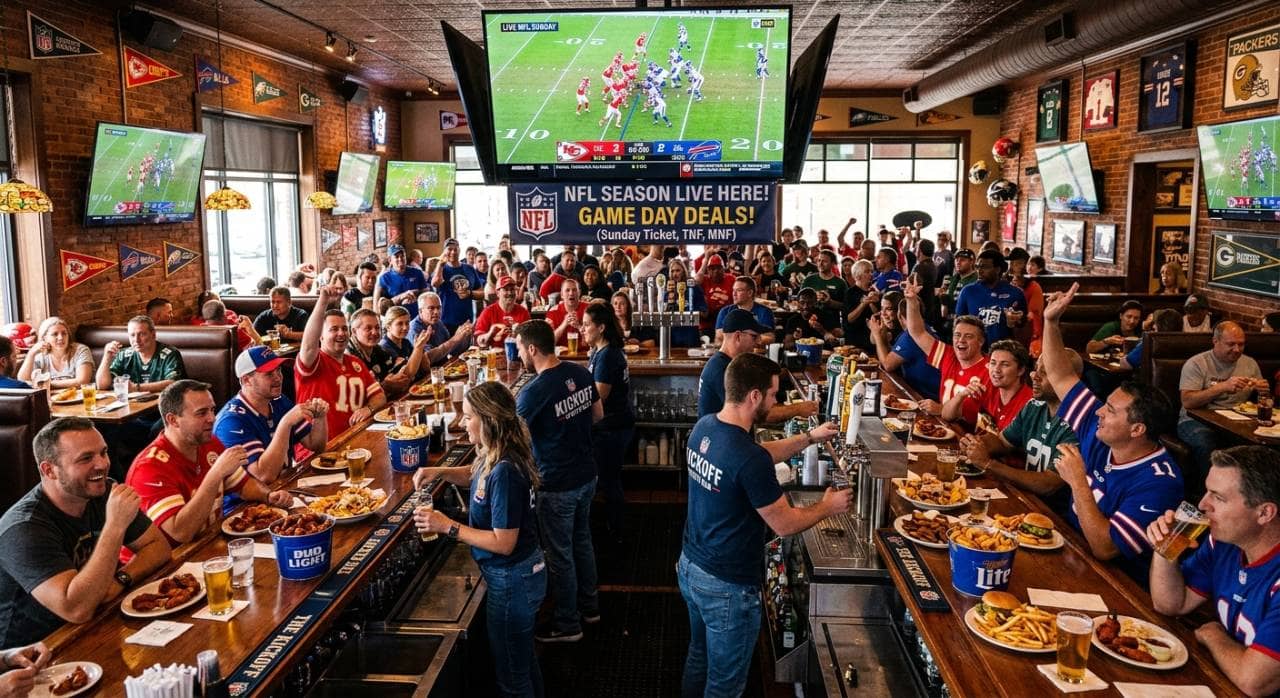
Prepare your restaurant for NFL season with smart menu planning, staffing, marketing, technology, and atmosphere strategies that boost season-long revenue.
Sep 9, 2026
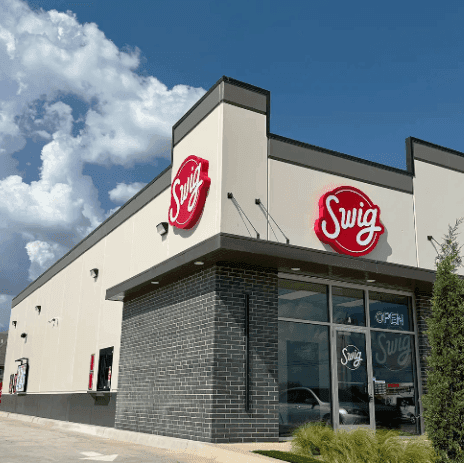
Swig signs franchise agreement for 11 South Denver locations, marking Colorado entry and validating its national expansion strategy.
Sep 8, 2026
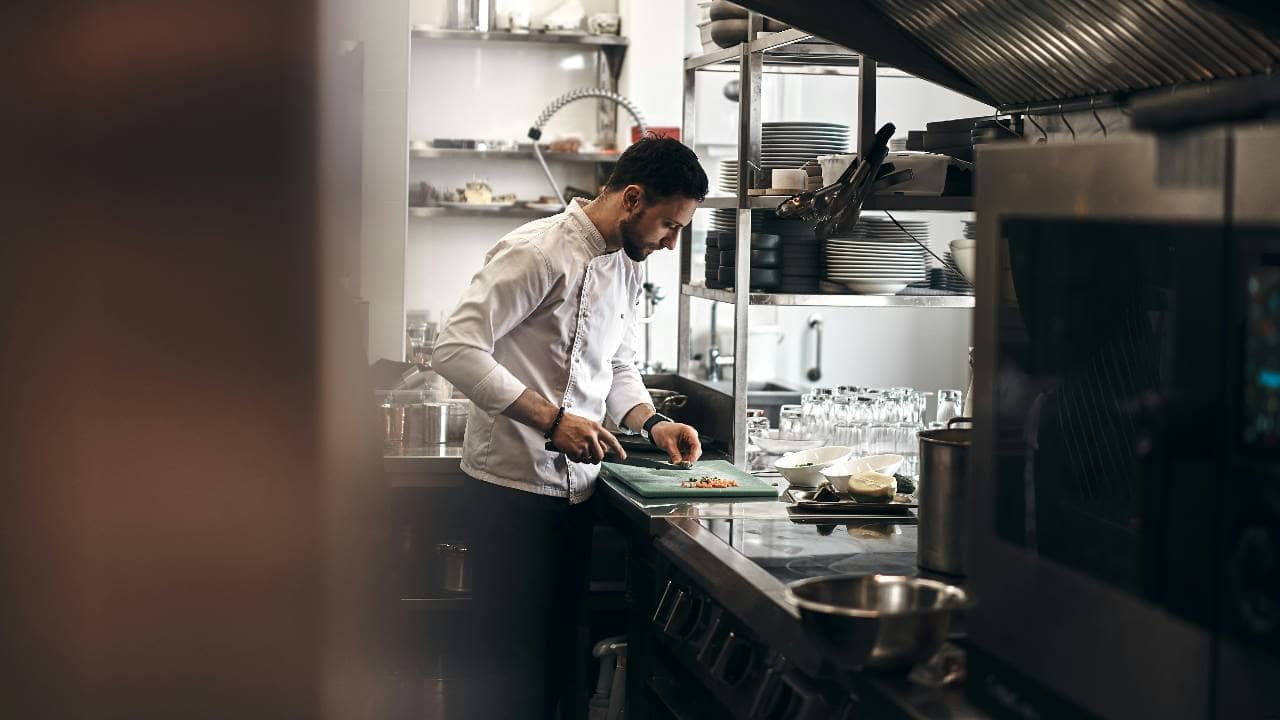
Complete guide helping restaurant owners choose essential kitchen equipment - covering cooking, refrigeration, prep, sanitation, ventilation, safety, and long-term maintenance planning.
Sep 7, 2026
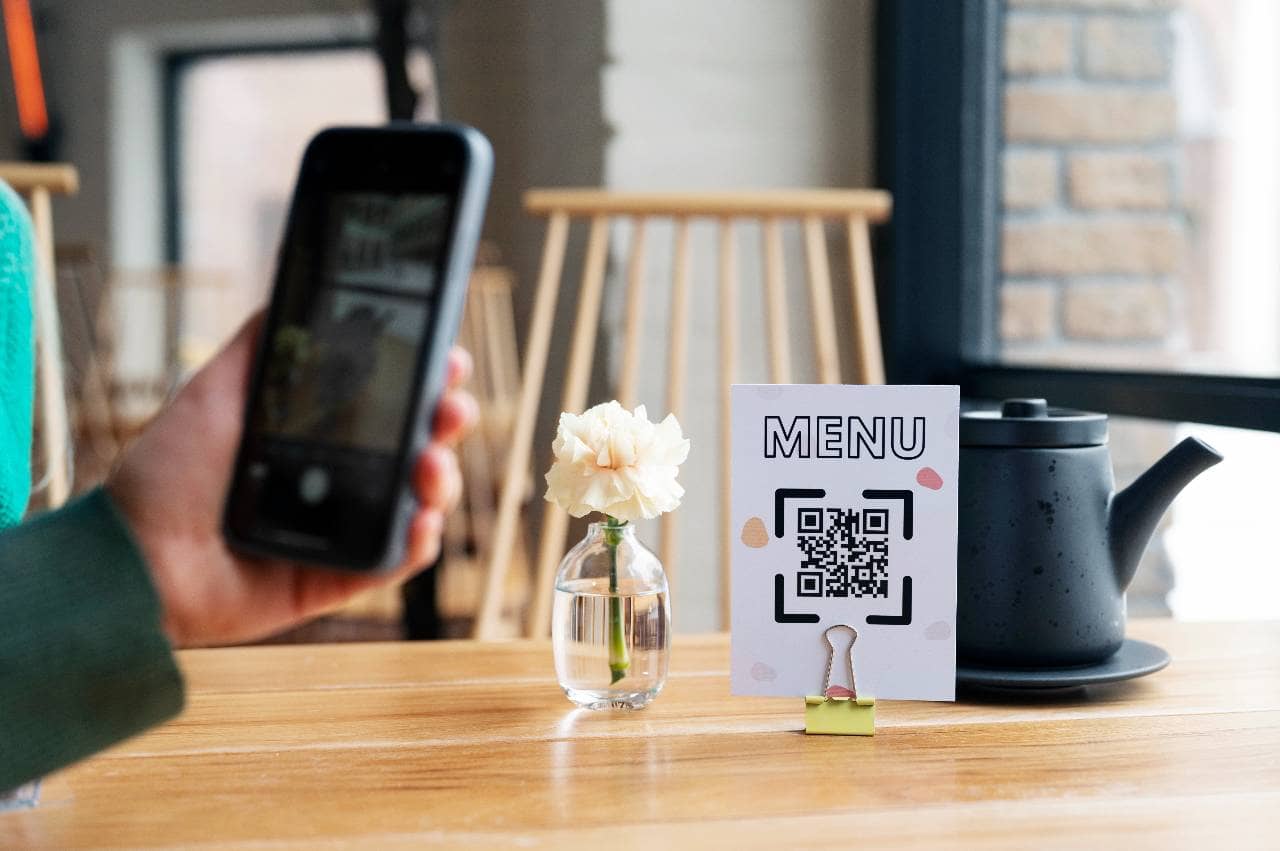
QR code menus let restaurants replace paper menus digitally, enabling instant updates, contactless browsing, ordering, and payment through simple smartphone scanning.
Sep 7, 2026

Avoiding common restaurant payroll mistakes - misclassification, tip credit errors, overtime miscalculations - protects businesses from costly penalties, back pay, and compliance risks.
Sep 4, 2026
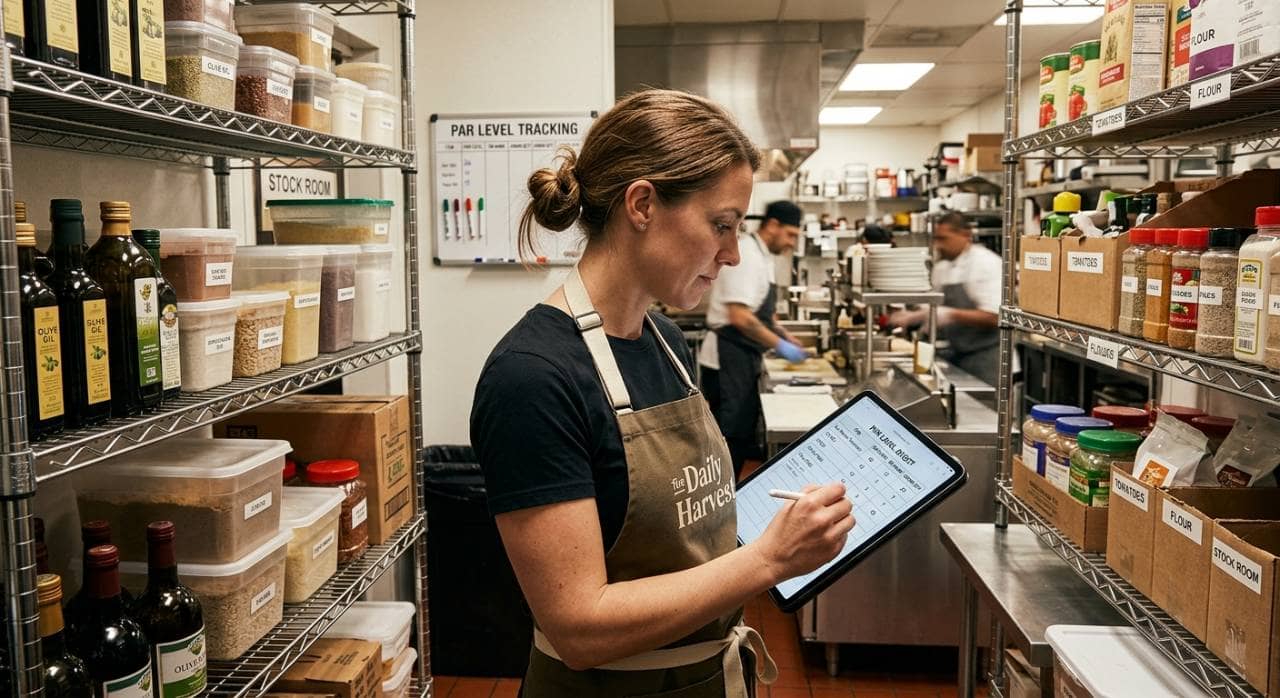
Learn to calculate par levels for restaurant food, beverages, and packaging inventory, preventing stockouts and waste through proper formulas.
Sep 4, 2026
Caribou Coffee appoints Zane Thomas-Rogers as Chief Operations Officer to strengthen execution across its expanding coffeehouse network.
Sep 4, 2026

Unlock Exclusive Access To Webinars, Events, And The Latest News For Free!
Sweetgreen shifts from universal automation toward a selective IK rollout, balancing store formats, labor economics, and growth toward 2030.

Photo by Hybrid Storytellers
Sweetgreen recalibrates its automation ambitions, hinting that restraint is becoming a virtue. The stance shifts away from a plan for universal automation in every store toward a toolkit-driven approach that can bend to different formats, markets, and real estate realities. The Infinite Kitchen remains central, but deployment is selective, prioritizing newer formats and urban sites where the economics justify the investment. In practice, this means measuring how robotics can speed throughput while preserving the sense that a Sweetgreen bowl is crafted with care, seasonality, and a human touch.
That shift is concrete: four IK locations are in operation to date, two built by Spyce, one retrofitted at Penn Plaza in New York, and the company’s first square IK model. At a public conference, “I don’t think you’ll see them in every single store for the reason that we have a lot of older smaller stores in the D.C. area and Philadelphia, and we would probably not go back and retrofit.” echoes the pragmatic constraint. Yet Sweetgreen also emphasizes that IK stores should look and feel like a Sweetgreen, not a robot kiosk, grounding the technology in human-centered design, not engineering whimsy.
Taken together, the approach signals a careful balance: embrace throughput enhancements where they fit, protect the guest experience, and acknowledge the limits of older stores. The next section turns to how IK actually operates on the floor, robotics, conveyors, and a brand that remains welcoming even as machines do some of the assembly.

On the floor, Infinite Kitchen uses robotics to assemble bowls along a conveyer-belt workflow, a design meant to boost margins and throughput without erasing Sweetgreen’s identity. The aim is balance, speed where it matters, care in the final bowl, so guests still feel a crafted, not robotic, experience. The first IK location outside Chicago opened in May and delivered a margin uplift in its early weeks, signaling the model can be profitable even as labor scales.
The footprint has grown to four stores: two built by Spyce, one retrofitted at Penn Plaza in New York, and the company’s first square IK model. Even with automation, the brand emphasizes maintaining a distinct brand feel rather than a robotic experience; IK stores should look and feel like a Sweetgreen location, not a chrome kiosk. This is human-centered design in action, where technology serves hospitality rather than replaces it.
The practical upshot: robotics boost throughput where it matters, while the dining room remains recognizably Sweetgreen. The method isn’t about replacing people but reallocating labor to where it adds the most value, letting kitchen energy support a thoughtful, nourishing bowl experience.

On the floor, Infinite Kitchen is a deliberate fusion of efficiency and care. IK stores are designed to feel like Sweetgreen spaces, not robotic outposts; the ethos remains hospitality-first even as smart workflows accelerate throughput. The early margin uplift at the first non-Chicago IK location underscores the viability of a model that respects the brand while delivering results.
