
California Penalizes Dickey's for Franchise Disclosure Violations
California shifts to public enforcement strategy against Dickey's for deceptive franchise disclosures, signaling stricter state-level franchise oversight.
Franchising
Sep 10, 2026
California shifts to public enforcement strategy against Dickey's for deceptive franchise disclosures, signaling stricter state-level franchise oversight.
Sep 10, 2026
Paul Brown temporarily steps away from Inspire Brands as Scott Murphy assumes interim CEO role during confidential IPO filing process targeting late 2026.
Sep 10, 2026
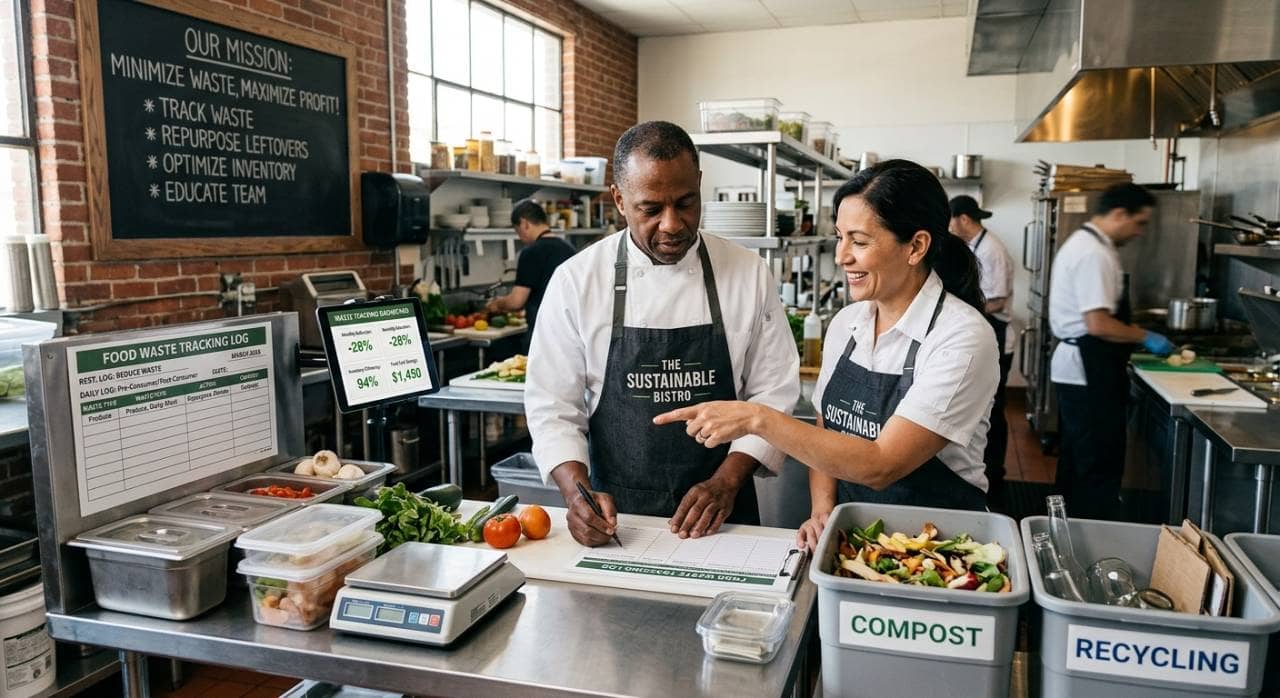
Learn how to reduce food waste in restaurants through smarter purchasing, storage, preparation, and service strategies that cut costs.
Sep 9, 2026
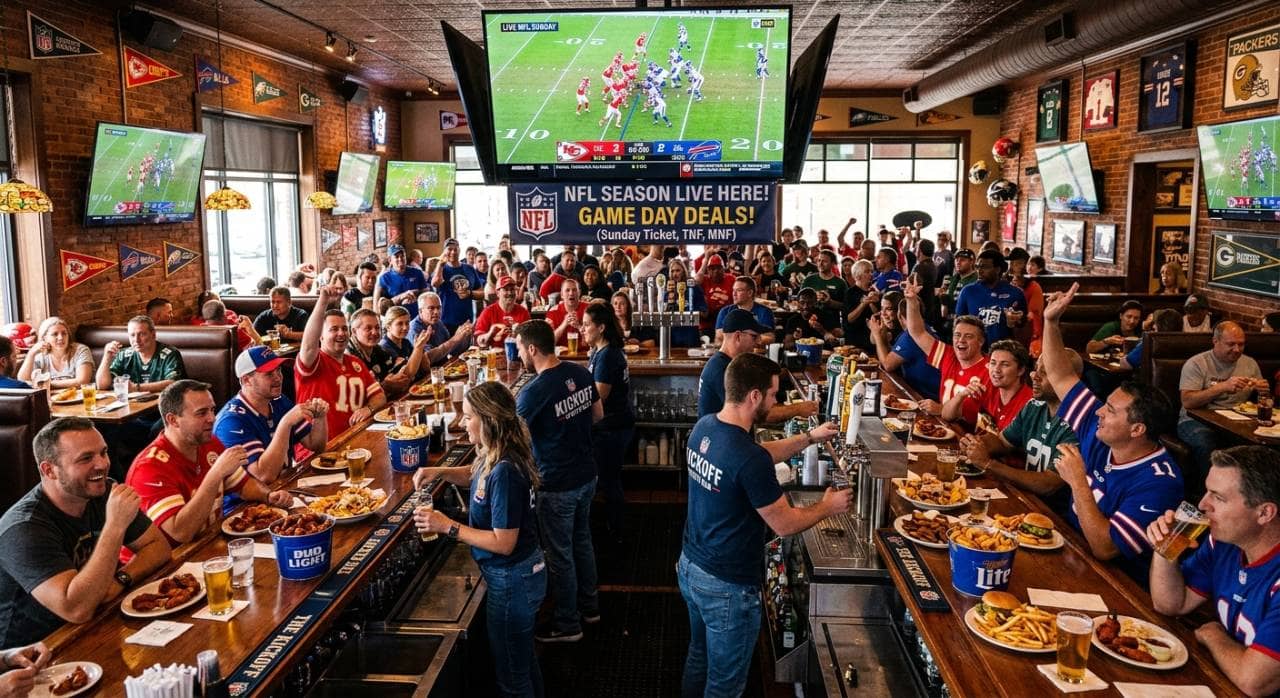
Prepare your restaurant for NFL season with smart menu planning, staffing, marketing, technology, and atmosphere strategies that boost season-long revenue.
Sep 9, 2026
Swig signs franchise agreement for 11 South Denver locations, marking Colorado entry and validating its national expansion strategy.
Sep 8, 2026
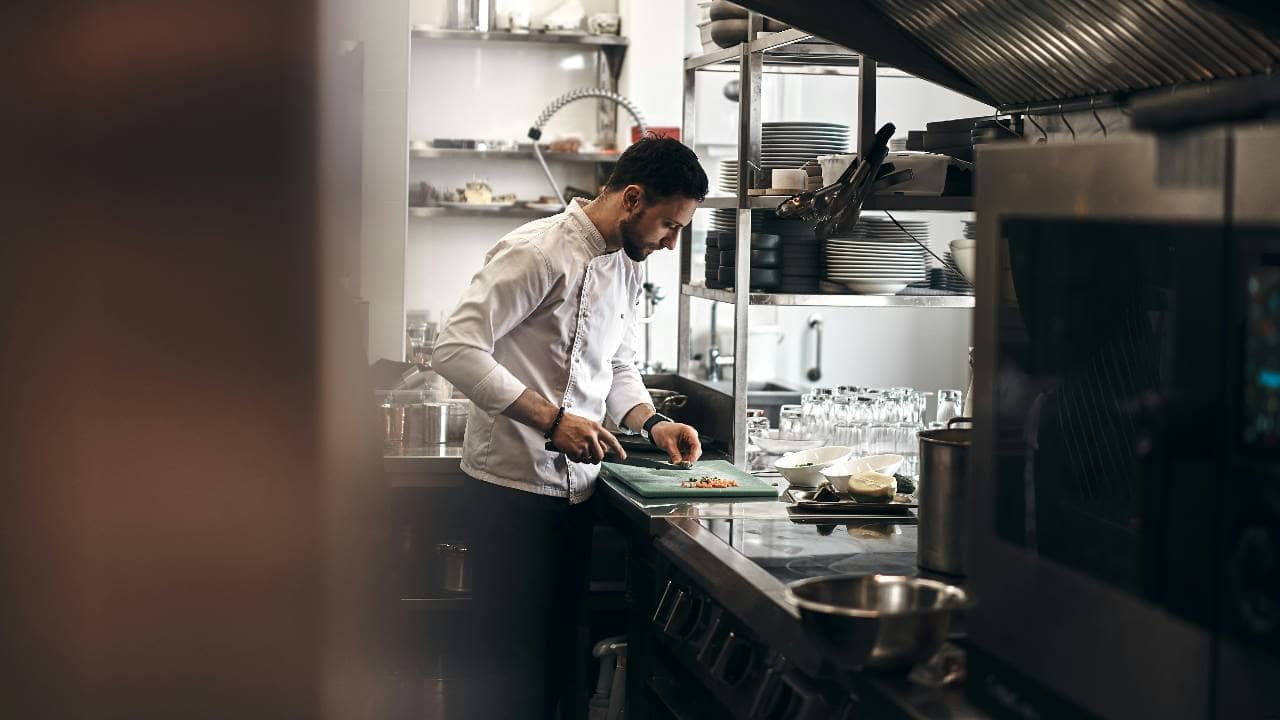
Complete guide helping restaurant owners choose essential kitchen equipment - covering cooking, refrigeration, prep, sanitation, ventilation, safety, and long-term maintenance planning.
Sep 7, 2026
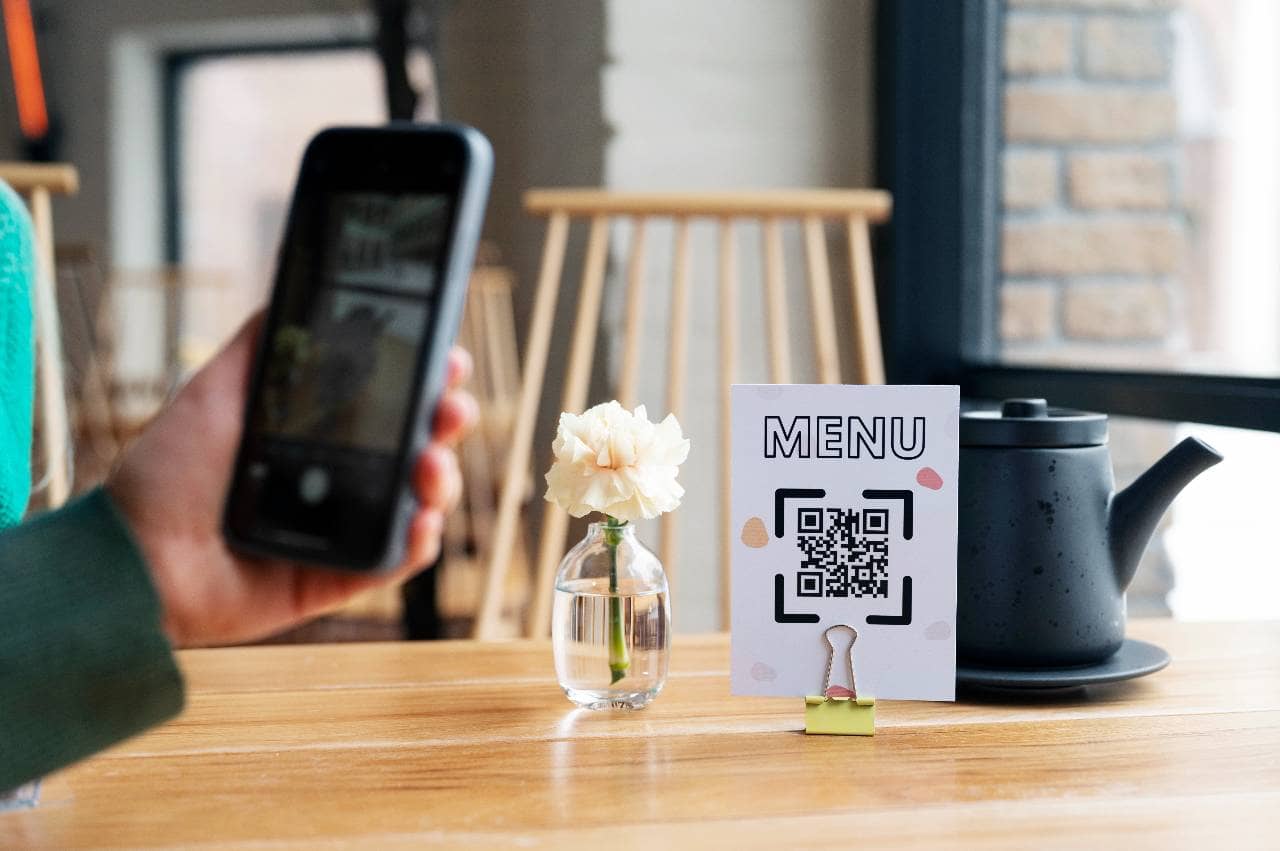
QR code menus let restaurants replace paper menus digitally, enabling instant updates, contactless browsing, ordering, and payment through simple smartphone scanning.
Sep 7, 2026

Avoiding common restaurant payroll mistakes - misclassification, tip credit errors, overtime miscalculations - protects businesses from costly penalties, back pay, and compliance risks.
Sep 4, 2026
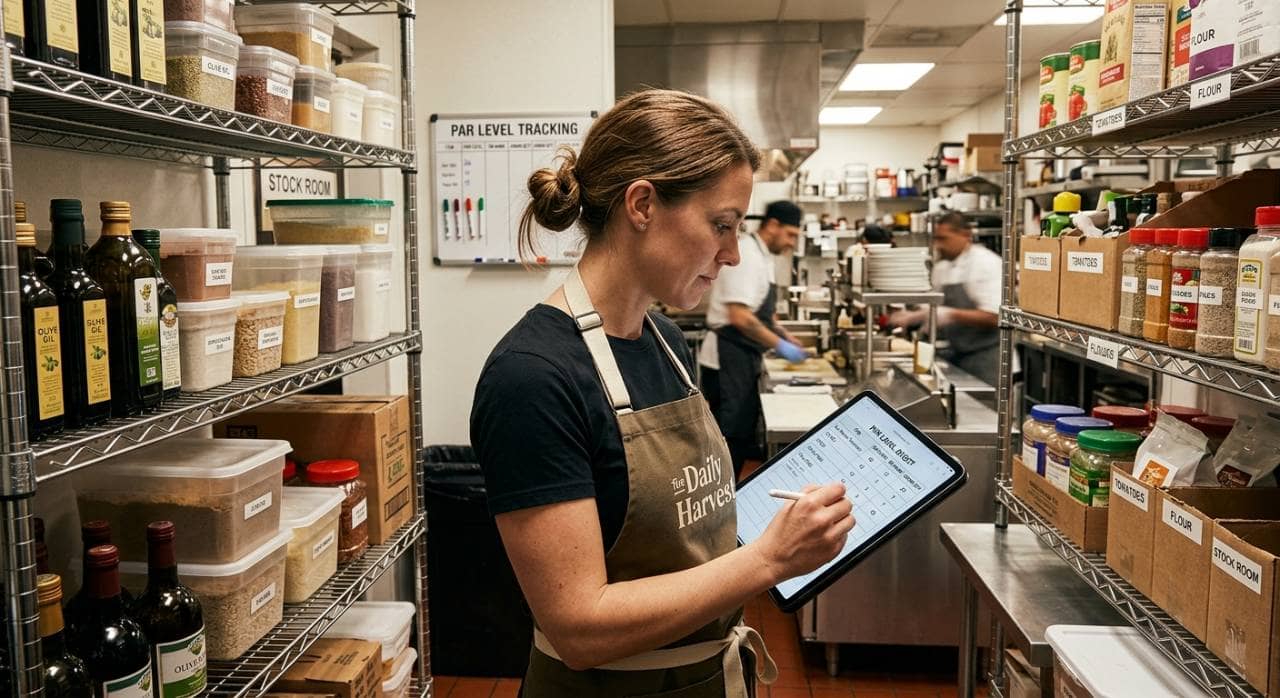
Learn to calculate par levels for restaurant food, beverages, and packaging inventory, preventing stockouts and waste through proper formulas.
Sep 4, 2026
Caribou Coffee appoints Zane Thomas-Rogers as Chief Operations Officer to strengthen execution across its expanding coffeehouse network.
Sep 4, 2026

Unlock Exclusive Access To Webinars, Events, And The Latest News For Free!
Teriyaki Madness rolls out Mad Dash, a GPS-enabled curbside platform delivering fresh, made-to-order bowls at the curb, redefining off-premises.

Photo by Adhitya Sibikumar
From Teriyaki Madness’s Denver roots, a quiet revolution travels to the curb. The brand’s bowls, fresh, made-to-order, customizable, enter a new chapter through Mad Dash, a platform that treats curbside as a stage for precision rather than speed alone. In a period when off-premises demand remains resilient, the idea is not simply to accelerate service but to curate a guest journey that respects the menu’s integrity. If the line between kitchen and street can be orchestrated, curbside becomes a signal of identity rather than a compromise.
Mad Dash uses GPS tracking to meet guests at the curb ten seconds prior to their arrival, food in hand. This precision reduces interior queues and lengthy parking-lot idling, enabling a fast, fresh handoff that preserves the made-to-order quality the brand cherishes. By aligning staffing and kitchen output with each incoming guest, the platform aims to lift throughput without compromising customization. It is a deliberate recalibration: technology serving hospitality, not rushing it. In this new choreography, curbside becomes a refinement of the guest journey, not merely a place to wait.
"Our food is fresh, it's made to order, it's customizable, it just doesn't lend well to a traditional drive-thru." said Jodi Boyce.
"I think as an industry, curbside kind of went away a little bit in the last couple of years." she adds.

Mad Dash reshapes the curbside moment into a orchestrated extension of the kitchen. The GPS grid tracks arrivals so that staff greet guests seconds before they arrive, moving from waiting to handing off with quiet economy. The effect is twofold: it shortens in-lot idling and interior queues while safeguarding the bowls’ freshness and customization. The technique is not a race against time but a careful alignment of people, pans, and parking spots, the art of service executed with data. This is how the guest journey is reimagined, one curbside moment at a time.
Operational Harmony emerges when staffing and kitchen output align with anticipated arrivals. The system guides allocation so orders are ready just as guests reach the curb, preserving made-to-order quality while driving throughput. This technology-enabled approach designed to accelerate service while preserving quality positions curbside as a strategic differentiator rather than a price-based race. It’s a shift that says: hospitality can be nimble, and precision can feel personal.
Teriyaki Madness leadership has welcomed Mad Dash as a clear pivot to reshape the guest journey. On the Take-Away with Sam Oches podcast, Jodi Boyce described curbside as part of a broader sales and traffic-building strategy, underscoring that elevated guest experience and operational precision can drive loyalty without heavy discounting. The brand also emphasizes that Mad Dash plays to its core strengths, freshness, customization, and made-to-order meals, which do not translate easily to traditional drive-thru formats.
“In their materials, Mad Dash is a technology-enabled approach designed to accelerate service while preserving quality.” The framing keeps the focus on speed without sacrificing the menu’s integrity, a balance the brand believes can become a hallmark of off-premises hospitality. By tying curbside to a broader strategy, Teriyaki Madness signals that the best lanes of growth may lie where a guest’s appetite and a kitchen’s discipline meet in real time.

Industry peers have embraced curbside as part of a broader digital shift. From quick-service to fast casual, brands are expanding curbside and order-ahead options as part of a multi-channel strategy, using curbside to blur lines between app-based pickup and dine-in experiences. The sector notes that off-premises channels now command a substantial share of restaurant traffic, and concepts are investing in automation and data-driven guest journeys to stay competitive.
The broader market’s mood aligns with Teriyaki Madness’s stance: curbside, when executed well, can complement drive-thru and delivery without eroding margins. The conversation continues to center on how data, automation, and precise staging shape outcomes across diverse concepts.
Still, questions remain about how curbside will perform long-term for made-to-order menus, how restaurant technology ecosystems will scale across a franchise network, and what labor implications may arise from higher levels of on-demand coordination. Analysts emphasize that success will depend on meticulous execution, from order readiness to curbside staging, and on balancing guest expectations with the cost of technology deployment. As the industry evolves, operators will likely reassess channel mixes as macro conditions change.
The debate centers on whether the technology-heavy curbside can scale across a franchise network without diluting service standards or inflating labor costs. The takeaway is pragmatic: curbside demands precision, cost control, and a thoughtful operational plan that respects the menu’s ethos while inviting guests to return by design, not discount.
Implications for the future point to a blended approach where curbside complements drive-thru and delivery without forcing concessions on quality. Teriyaki Madness’s Mad Dash demonstrates how a fast-casual concept can harness real-time data and operational discipline to redefine the off-premises experience. If the model proves scalable, other brands may follow with tailored curbside programs that honor each concept's unique menu and service standards, shaping a new baseline for guest journeys in the evolving restaurant landscape.
“If the model proves scalable, other brands may follow with tailored curbside programs.” The horizon suggests a future where technology and hospitality are not at odds but in concert, guiding guests along a refined path from parking lot to plate, with the gentleness of a well-timed gesture and the certainty of a plan well executed.
