The Essential Restaurant Cleaning Checklist
A complete restaurant cleaning checklist for owners, covering daily, weekly, and monthly routines to maintain food safety and guest satisfaction.


Importance of Cleaning Checklist
Cleanliness is one of the first things guests notice when they walk into your restaurant. They see the floors, tables, menus, and restrooms before they ever taste the food. If something looks dirty or messy, many people will assume the kitchen is the same and decide not to come back.
As an owner, you probably already know cleaning is important. The hard part is making sure it actually gets done, especially on busy days. When tickets are piling up and staff are tired, it's easy for simple tasks like wiping handles, checking restrooms, or sweeping corners to be pushed aside. Over time, this can lead to health inspection problems, bad reviews, and worn-out equipment.
A written cleaning checklist helps prevent that. It takes the guesswork out of cleaning and gives your team clear direction. Everyone can see what needs to be cleaned, how often it should be done, and who is responsible.
How to Build a Cleaning Checklist
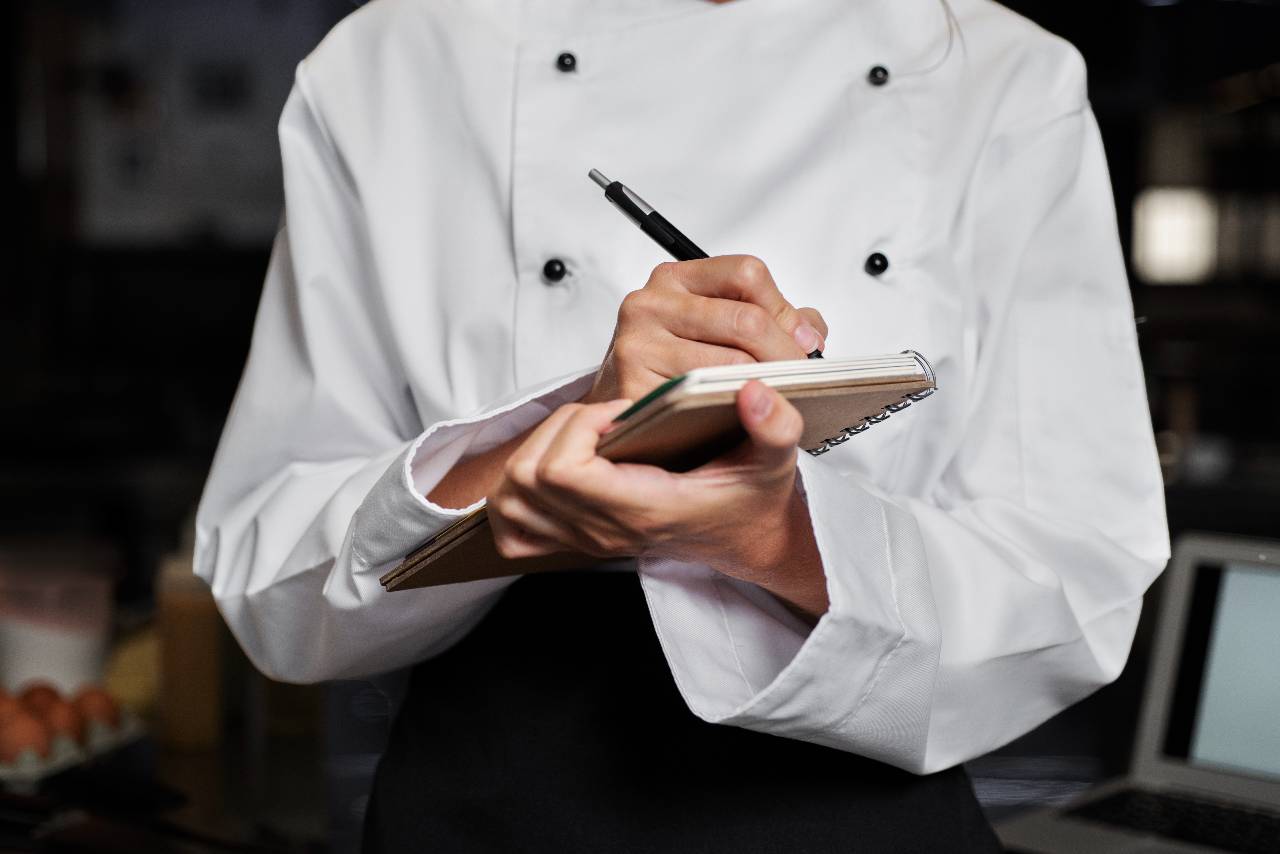
A cleaning checklist only helps if people can follow it. If it's too long, too confusing, or buried in a binder, it will be ignored. The goal is to make a list that is clear, visible, and easy to use during a busy shift.
Start by breaking your restaurant into simple zones instead of thinking about the whole building at once. Common zones are - Front-of-House (entry, dining room, bar), Back-of-House (kitchen, prep, dish, storage), Restrooms, and Exterior (doors, patio, parking area if you have one). This makes it easier for staff to know which part they own."
Next, decide how often each task should be done. Use a few simple time buckets -
1. Per use or per table - wiping tables, sanitizing menus, resetting stations
2. Per shift - restocking restrooms, spot mopping, trash checks
3. Daily - full floor mops, line breakdown, deep wipe-downs
4. Weekly - behind equipment, vents, walls, chairs, grout
5. Monthly - high dusting, detailed equipment cleaning, exterior windows
Then, assign each task to a role, not a specific person. For example- busser, server, line cook, dishwasher, shift lead. People may change, but the role stays the same. This reduces confusion and arguments about "who was supposed to do what."
Keep the format simple. A basic table with columns for Task, Area, Frequency, and Role is enough. Post printed copies where staff can see them, or use a basic digital checklist if your team is comfortable with it. The key is that no one has to guess - your checklist should answer what, where, when, and who at a glance.
Front-of-House Cleaning Checklist
Front-of-house is where guests decide how they feel about your restaurant in the first 30 seconds. Even if the food is great, dirty doors, sticky tables, or dusty light fixtures can turn people away. A clear FOH cleaning checklist helps your team keep this area ready all day, not just at opening.
Entrance and Host Area
This is the first thing guests see. Add these tasks to your list -
- Wipe door handles, push plates, and glass on entry doors
- Sweep or spot mop the entry floor
- Dust host stand, shelves, and any decor
- Check mats so they are clean, flat, and not a trip hazard
- Make sure menus or buzzers at the host stand are clean and organized
Dining Room
Guests look at the table and the floor right away. Your checklist should include -
- Wipe tables, chairs, and booth seats after every use
- Sanitize table tops and highchairs between guests
- Check and wipe condiment caddies, salt and pepper, and menu holders
- Sweep under tables and in corners each shift
- Spot clean walls and windows as needed
- Do a full floor sweep and mop at the end of the night
Bar Area (if you have one)
Bars collect spills, glass rings, and clutter fast. Include -
- Wipe bar top and bar stools regularly
- Clean bar mats and surfaces at opening and closing
- Wipe coolers, beer taps, and splash zones
- Keep the back bar organized and free of sticky bottles
It helps to split FOH cleaning into before service, during service, and after close. This way, staff know what needs to be done at each stage of the shift. A clean front-of-house makes guests more comfortable and supports better reviews and return visits.
Back-of-House Cleaning Checklist
Back-of-house is where food safety starts. A clean kitchen protects guests, keeps your team safer, and helps equipment last longer. A clear checklist makes it easier for cooks and dish staff to keep up, even when tickets are flying in.
Line and Prep Stations
These areas get the most use, so they need steady attention. Your checklist should include -
- Wipe and sanitize cutting boards, prep tables, and counters between tasks
- Change sanitizer buckets and towels on a regular schedule
- Keep knives, tongs, and small tools clean and stored in the right place
- Clean and organize reach-in coolers- wipe shelves, toss spills, rotate product
- Check that labels and dates are visible and correct
Cooking Equipment
Grease and food buildup can cause fires, smoke, and bad smells. Add these tasks -
- Wipe down grills, flat tops, and ranges during slower moments
- Skim and filter fryers as needed, then do full fryer cleanings on a set schedule
- Clean oven doors, handles, and inside racks regularly
- Wipe under heat lamps and around pass windows at the end of each shift
Dish Area
If the dish area falls behind, the whole kitchen slows down. Include -
- Keep sinks and dish machine free of food scraps
- Clean and de-lime dish machine as recommended by the manufacturer
- Wipe walls, shelves, and handles in the dish area daily
- Sweep and mop floors, focusing on drains and corners
Storage and Walk-Ins
Storage areas show how well the kitchen is managed. Your list should cover -
- Wipe shelves and remove any sticky spots or spills
- Sweep and mop walk-in floors
- Check for expired or spoiled items and remove them
- Keep food off the floor and stored in sealed containers
A strong BOH cleaning checklist reduces illness risk, lowers waste, and supports safer, faster service. When the back-of-house is clean and organized, your team can focus on cooking instead of fighting clutter and mess.
Daily Cleaning Checklist
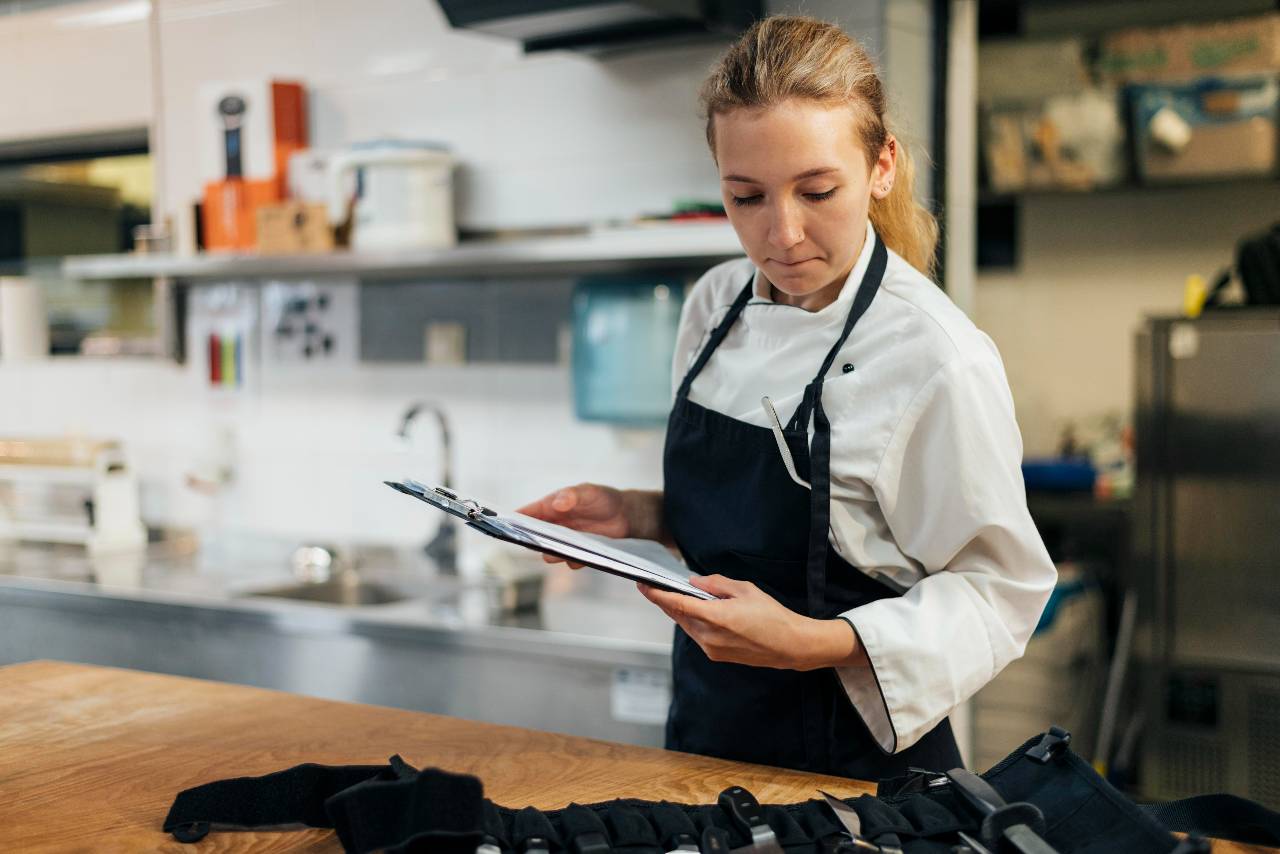
Daily cleaning is the base that everything else sits on. If the daily work is solid, weekly and monthly cleaning is much easier. Your daily checklist should focus on tasks that protect food safety, guest comfort, and basic hygiene.
Opening Tasks
These items help you start the day on the right foot -
- Walk the dining room, bar, and restrooms to check for any obvious issues
- Wipe and sanitize tables, counters, and host stand surfaces
- Make sure sanitizer buckets are filled and labeled in all needed areas
- Check restrooms- toilets, sinks, mirrors, soap, paper, trash
- Inspect the line and prep areas for cleanliness before food work begins
Mid-Shift Tasks
These tasks keep things under control while you are busy -
- Wipe high-touch surfaces like door handles, railings, and POS screens
- Check restrooms every hour for supplies, trash, and spills
- Spot sweep high-traffic areas in the dining room and kitchen
- Empty trash and food waste before bins are overflowing
- Change dirty towels and refresh sanitizer buckets as needed
Closing Tasks
Closing is where you reset for tomorrow -
- Fully break down the line- wipe, sanitize, and dry all surfaces
- Clean and store utensils, small-wares, and containers
- Do a full sweep and mop of dining room, kitchen, dish, and restrooms
- Empty and reline all trash and recycling cans
- Organize walk-ins and dry storage; cover and label all items
A clear daily cleaning checklist should fit on one page and be easy to mark off. Include a space for staff initials and a manager sign-off. This keeps everyone accountable and makes sure nothing gets missed at the end of a long day.
Weekly Cleaning Checklist
Weekly cleaning fills the gaps that daily tasks can't reach. These are the jobs that keep buildup, odors, and damage from getting out of control. When you schedule them every week, they take less time and help you avoid bigger, more expensive problems later.
Front-of-House Weekly Tasks
In FOH, focus on the details guests notice over time -
- Wipe walls, baseboards, and corners where dust and splashes collect
- Clean light fixtures, ceiling fans, and vents within reach
- Move tables and chairs to sweep and mop underneath and behind them
- Deep clean booths and upholstery with the right cleaner or vacuum attachment
- Scrub floors more thoroughly, paying attention to grout lines and stains
Back-of-House Weekly Tasks
In BOH, the goal is to cut down grease, food buildup, and hidden mess -
- Pull out small equipment (carts, prep tables, speed racks) and clean behind and under them
- Clean fryer exteriors and do scheduled fryer boil-outs if needed
- Wipe walls and stainless steel surfaces in high-splash areas
- Clean the outside and door gaskets of coolers and freezers
- Scrub drains, floor mats, and hard-to-reach floor areas
Restrooms and Exterior Weekly Tasks
These areas can hurt your image if they are only cleaned at a basic level -
- Scrub restroom walls, stall doors, and behind toilets
- Deep clean sinks, faucets, and drain areas
- Wipe doors, door frames, and push plates
- Clean exterior windows you can safely reach
- Check outdoor seating, signs, and trash areas for dirt and stains
You can group weekly tasks by day so the workload is spread out. For example, deep floors on Monday, walls and fixtures on Wednesday, equipment and drains on Friday. A steady weekly routine helps keep inspection scores strong and reduces surprise we need a full deep clean moments.
Monthly (and Periodic) Cleaning Checklist
Monthly and periodic cleaning tasks are the ones that protect your building and equipment over time. They are easy to ignore because they don't look urgent, but skipping them leads to bigger repairs, pest issues, and surprise deep-clean bills.
Facility-Level Monthly Tasks
These jobs help your restaurant look well cared for -
- High dusting of ceiling corners, vents, ducts, and areas above eye level
- Clean ceiling tiles that have stains or grease marks (replace if needed)
- Wash inside and outside of windows, including frames and ledges
- Deep clean entry mats and floor runners
- Power wash patios or outdoor seating areas if you have them
Equipment and Infrastructure
Regular attention here keeps gear working and extends its life -
- Schedule hood and duct cleaning as required by your local rules and volume
- Pull out heavy equipment (grills, ovens, fryers, coolers) to clean behind and under
- Inspect and clean cooler and freezer door gaskets; replace damaged ones
- De-scale dish machines, coffee machines, and ice machines as recommended
- Check seals around sinks and counters to prevent leaks and mold
Pest Prevention and Storage
A clean space is one of the best pest control tools -
- Inspect storage rooms and dry goods shelves for spills, open bags, or crumbs
- Make sure all food is off the floor and stored in sealed containers
- Check for gaps under doors, broken screens, or cracks where pests can enter
- Clean and inspect trash and recycling areas, inside and outside
You don't have to do all monthly tasks on the same day. Spread them across the month or quarter and add them to a calendar. The goal is steady, simple upkeep, not one huge cleaning day that burns everyone out. Over time, these periodic tasks lower risk and keep your restaurant looking and feeling well maintained.