True Food Kitchen Files Bankruptcy, Closes 12 Sites
True Food Kitchen filed for Chapter 11 bankruptcy, closing 12 locations and shrinking to 34 restaurants across 14 states amid $42.1 million in debt.
News
Oct 5, 2026
True Food Kitchen filed for Chapter 11 bankruptcy, closing 12 locations and shrinking to 34 restaurants across 14 states amid $42.1 million in debt.
Oct 5, 2026

Snooze Eatery names industry veteran Amy Hom as COO, starting Sept. 28, to strengthen hospitality and operations ahead of its next growth phase.
Oct 5, 2026

Opening a second restaurant location requires readiness, clear goals, financial planning, funding, smart strategy, standardized operations, strong teams, and careful launch monitoring for sustainable growth.
Sep 30, 2026

Evaluate restaurant industry performance in Q3 2026 through key trends affecting restaurant sales, traffic, consumer spending, labor, costs, and technology.
Oct 2, 2026
Improve restaurant visibility with local SEO by optimizing Google Business Profile, targeting local keywords, managing reviews, and maintaining accurate online information.
Oct 5, 2026
Restaurants can control operating costs by tracking food, labor, rent, utilities, technology, marketing, and other expenses against sales.
Oct 5, 2026
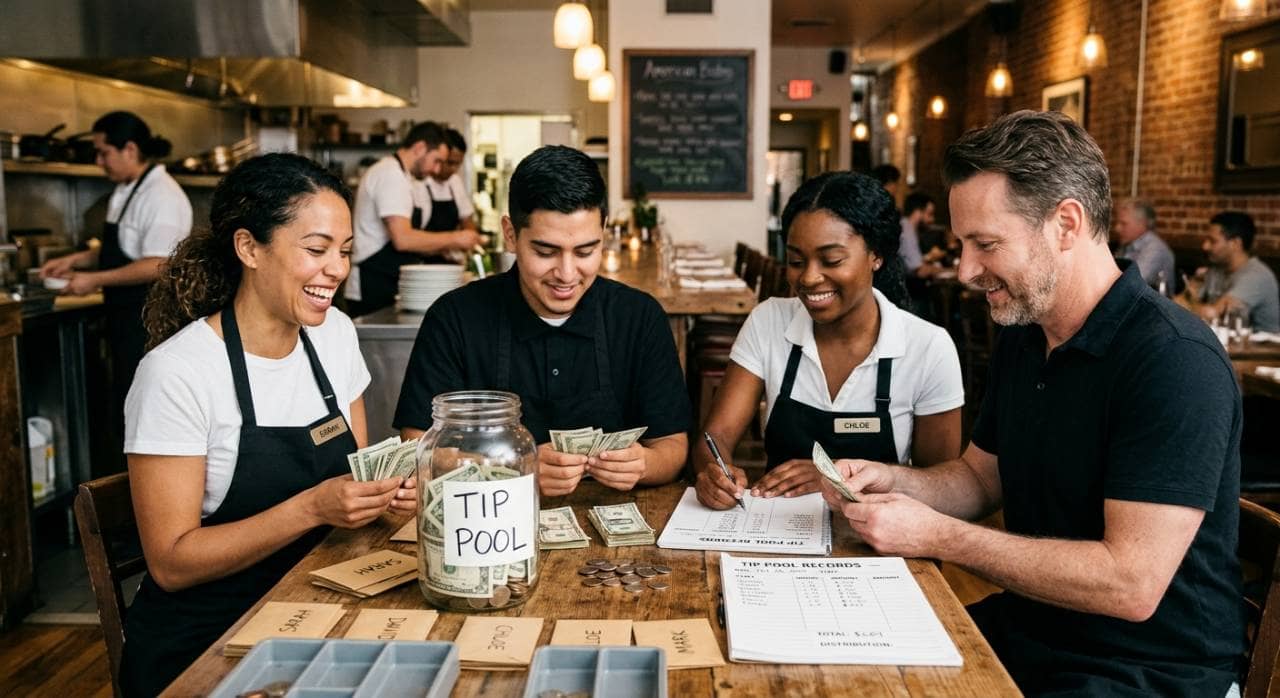
Understand tip pooling rules, employee eligibility, distribution methods, compliance requirements, recordkeeping practices, and policies restaurant owners need for proper tip management.
Oct 2, 2026

Whit's Frozen Custard hires industry veteran Amos Durbin as COO to guide franchise expansion, drawing on two decades of restaurant leadership experience.
Oct 2, 2026
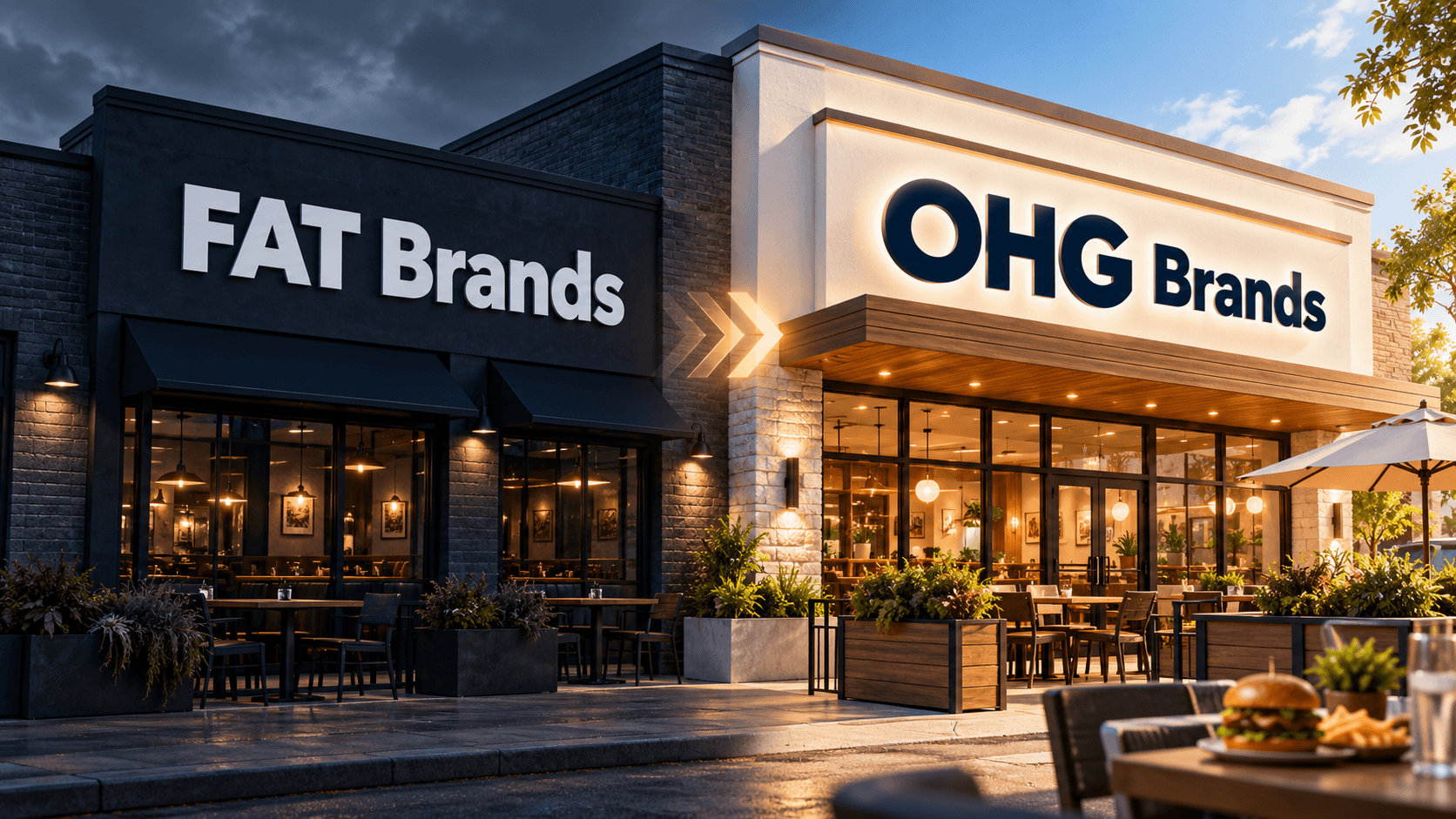
FAT Brands' $1B acquisition empire fell into bankruptcy and sold for $965M, re-emerging as OHG Brands with 1,700 restaurants.
Oct 1, 2026
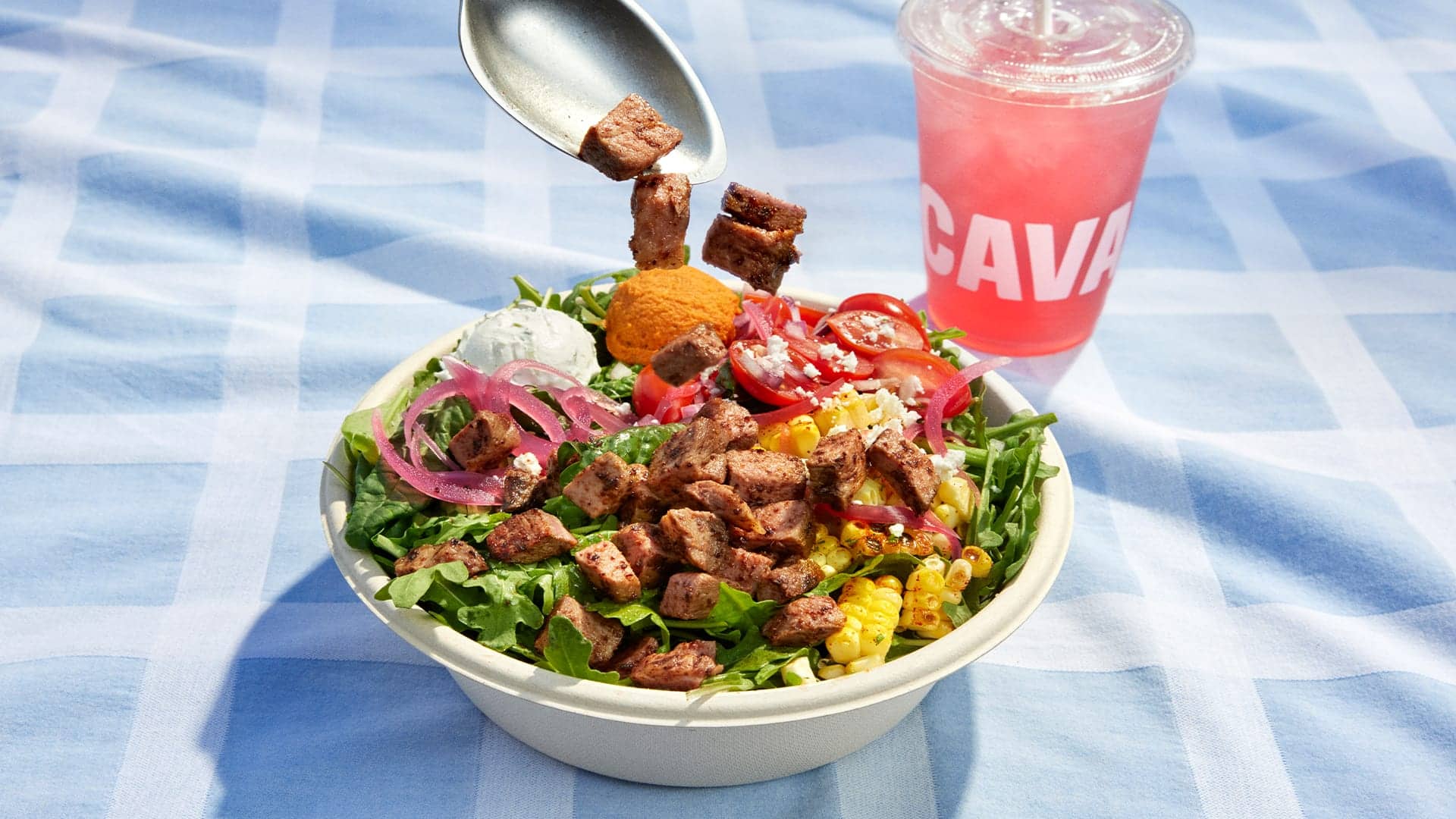
CAVA names John Ludeke, former Dr. Squatch Chief Brand Officer, as its new CMO to drive national growth and guest loyalty.
Oct 1, 2026

Unlock Exclusive Access To Webinars, Events, And The Latest News For Free!
Explore the growing trend of off-premise dining, its impact on restaurant operations, and consumer preferences shaping the industry.

Photo by Toa Heftiba
Consumer preferences are reshaping the restaurant industry, with a notable preference for off-premise dining experiences. The data from a recent NRA report highlights that millennials and Gen Z consumers consider off-premise dining an integral part of their lifestyle. Takeout has gained significant importance, with 67% of Gen Z consumers and 64% of millennials emphasizing its significance.
Off-premise dining has emerged as a key revenue driver for many restaurants, prompting operators to revamp their business models to cater to this demand effectively. The statistics reflect a substantial increase in off-premise orders, with consumers opting for delivery, takeout, and drive-thru services regularly. This shift has pushed operators to expand their off-premise offerings and reevaluate their operational strategies.

Photo by Toa Heftiba
To meet the evolving preferences of consumers, restaurants have been making significant changes to their operations. Reports show that a considerable number of limited-service and full-service operators have modified their physical spaces, including interiors and parking lots, to facilitate off-premise orders. Brands like Wendy’s, Burger King, and Denny’s have initiated remodel programs to accommodate the rising off-premise traffic, leading to enhanced sales performance.

Photo by Toa Heftiba
As off-premise dining continues to gain momentum, restaurants are anticipating further shifts in their operational structures. Projections suggest an increased adoption of various channels such as curbside pickup windows, dedicated takeout counters, and additional drive-thru lanes to streamline off-premise services. Industry leaders recognize these changes not merely as operational updates but as strategic growth opportunities in an ever-evolving market.