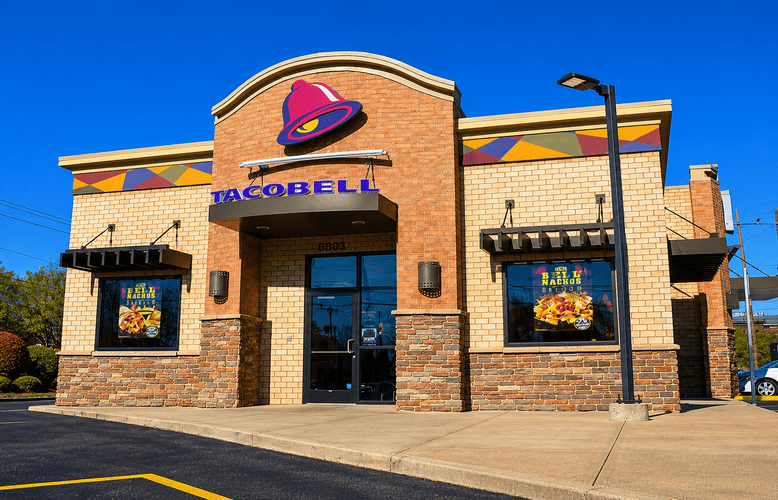
Taco Bell Franchise Expansion in Midwest
Southpaw adds 43 Ohio Taco Bell restaurants to its impressive portfolio, highlighting franchise growth and strengthening the Midwest QSR landscape.
news
Jun 26, 2026
Southpaw adds 43 Ohio Taco Bell restaurants to its impressive portfolio, highlighting franchise growth and strengthening the Midwest QSR landscape.
Jun 26, 2026
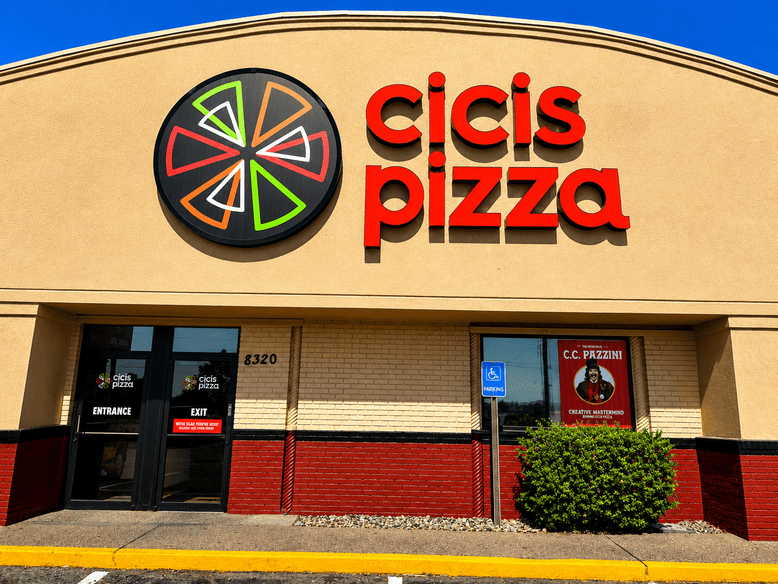
Discover how Cicis Pizza's rewards program skyrocketed to over one million members in under a year, driving customer engagement and retention. See the lessons for restaurant loyalty programs.
Jun 26, 2026
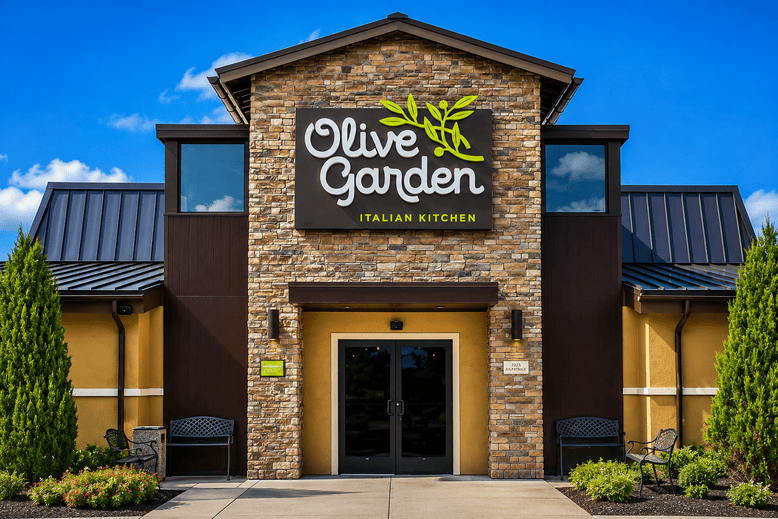
Darden Restaurants surpassed $13 billion in sales, fueled by robust performance at LongHorn Steakhouse and innovative menu changes at Olive Garden. Explore the strategies driving this industry giant’s continued dominance.
Jun 26, 2026
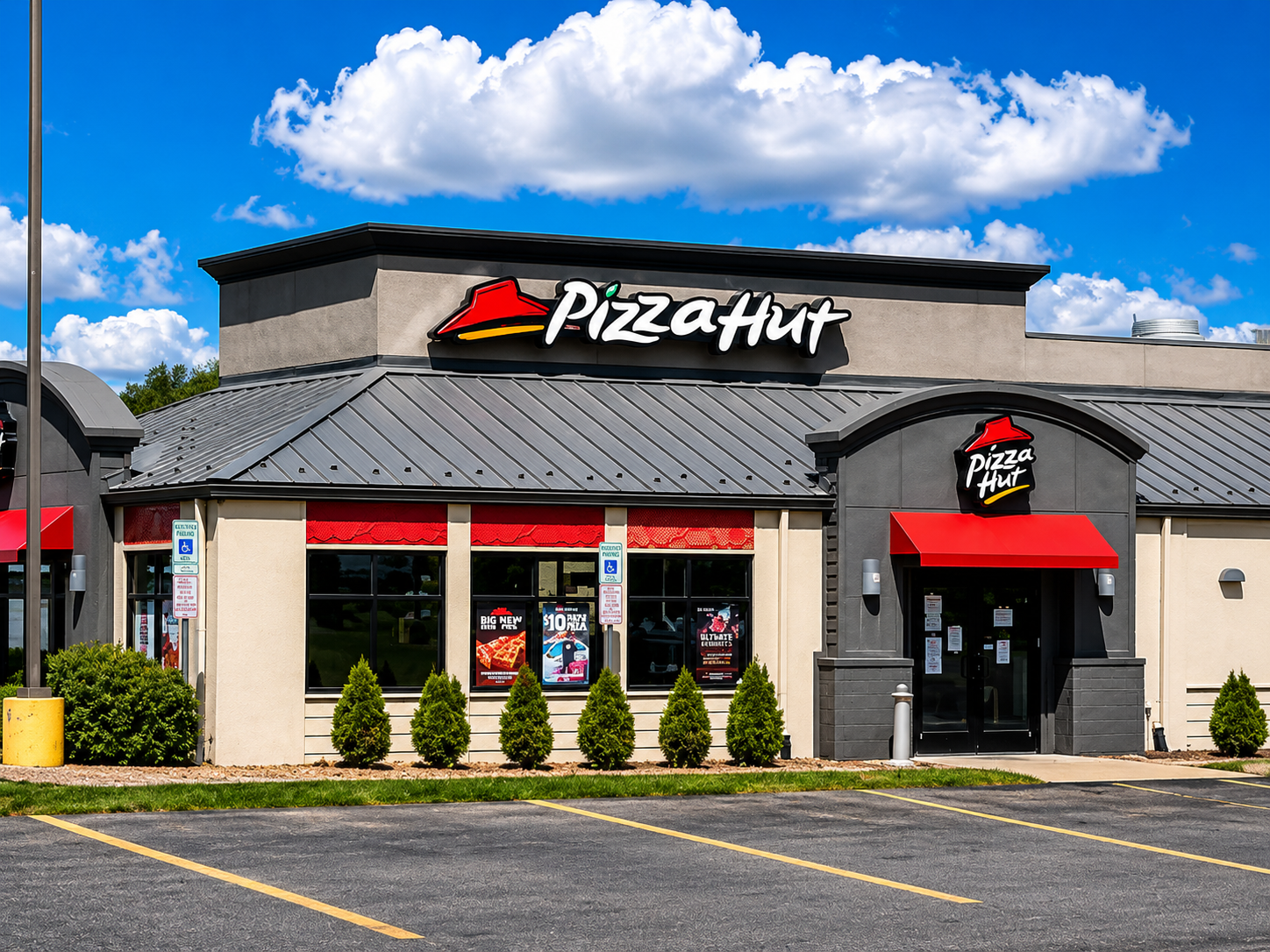
The fallout of Pizza Hut's mandated AI delivery system rollout has ignited a $100 million lawsuit from a leading franchisee, highlighting crucial franchisor-franchisee lessons for all restaurant owners.
Jun 26, 2026
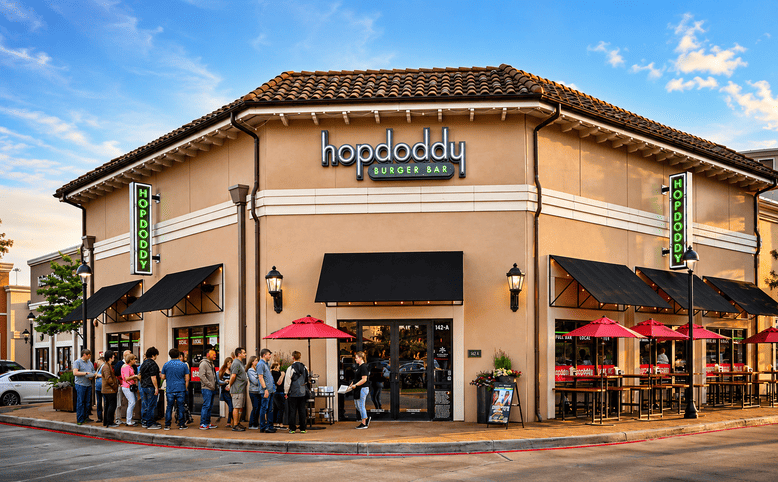
Founders Table Restaurant Group acquires fast-casual leader Hopdoddy Burger Bar, expanding its reach to over 200 restaurants and accelerating operational growth across the platform.
Jun 25, 2026
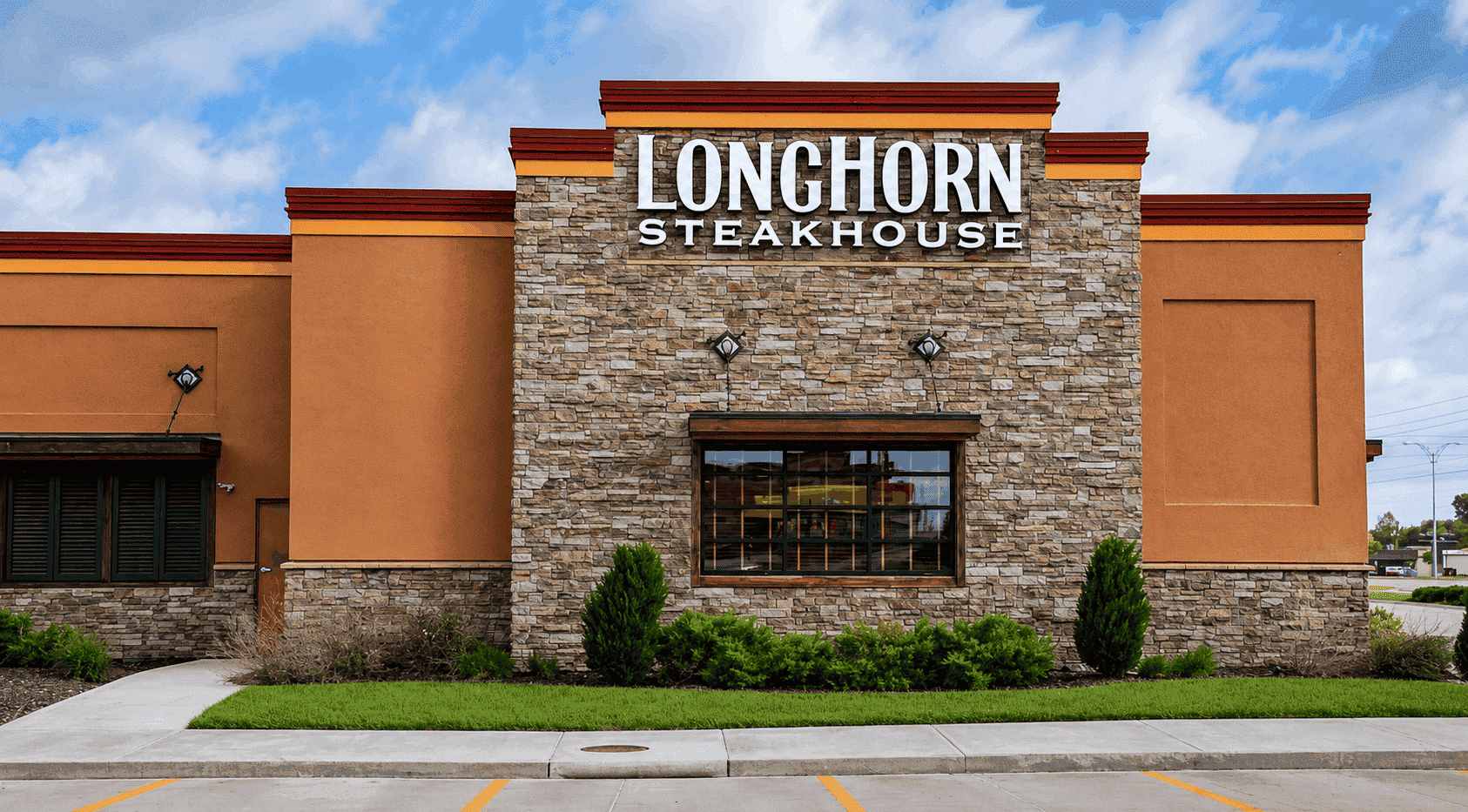
LongHorn Steakhouse surpassed $1 billion in quarterly sales for the first time, driven by strong value perception and menu innovation. Restaurant leaders can draw key lessons for thriving when consumer price sensitivity is high.
Jun 25, 2026
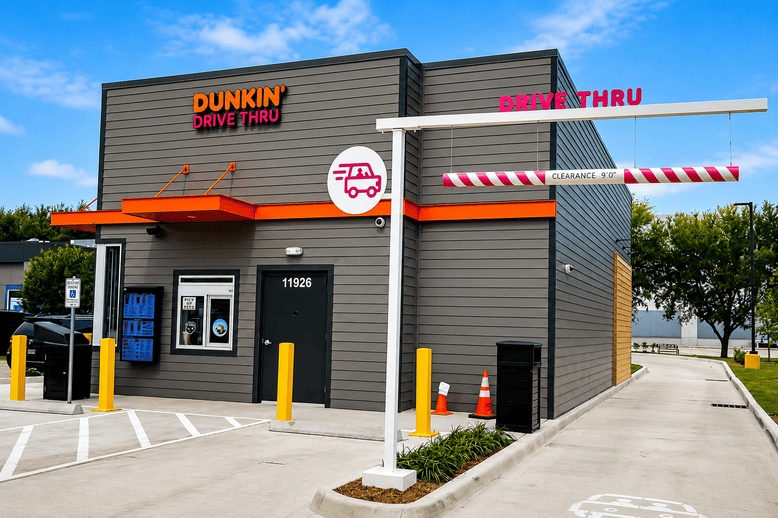
Inspire Brands is preparing for an IPO aiming for a $20B valuation. Discover how giants like Arby’s, Sonic, and Dunkin’ are performing as part of this dynamic portfolio.
Jun 25, 2026
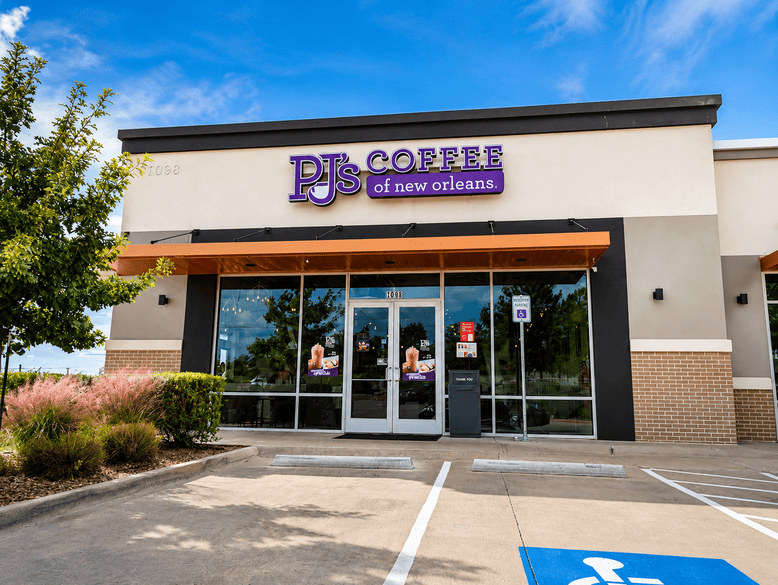
Estepp Energy, known for multi-unit brands like Little Caesars, is adding PJ's Coffee to its Kentucky convenience stores, marking a strategic expansion into specialty coffee.
Jun 24, 2026
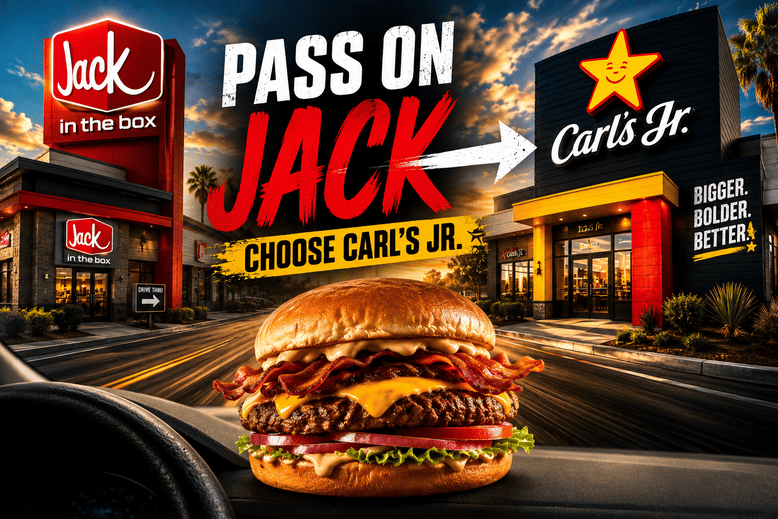
Carl's Jr. has launched a "Pass on Jack" marketing campaign rewarding loyalty members with a free Sourdough Star burger for driving past a Jack in the Box to reach a Carl's Jr. location- a direct shot at its California-based burger rival.
Jun 24, 2026
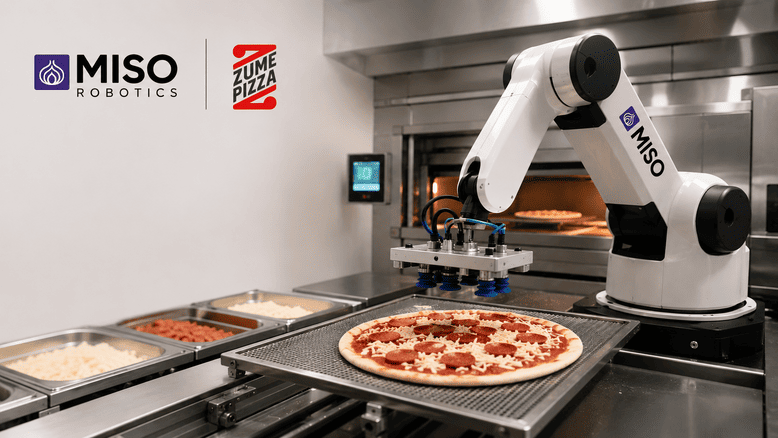
Miso Robotics has acquired Zume Pizza’s technology deck, giving new life to pizza automation and food robotics for forward-thinking restaurant operators.
Jun 24, 2026
Clopen shifts may seem efficient, but they reduce rest, increase fatigue, and harm employee performance. Learn how back-to-back shifts impact morale, productivity, and retention and how better scheduling can improve team well-being and business outcomes.

In fast-paced industries like restaurants and retail, scheduling decisions are often driven by one primary goal - keeping operations running smoothly with limited staff. Managers are constantly trying to balance labor costs, customer demand, and shift coverage. In the process, certain scheduling practices become common, not because they are ideal, but because they seem efficient. One such practice is the clopen shift, where an employee is scheduled to close late at night and return early the next morning to open. At first glance, this may look like a practical solution to staffing challenges. But beneath the surface, clopen shifts create a serious problem that affects employee well-being, performance, and long-term retention.
On paper, clopen shifts may seem like a convenient way to ensure coverage without hiring additional staff. In reality, they significantly reduce the amount of rest an employee gets between shifts. After finishing a closing shift, employees still need time to commute home, eat, unwind, and prepare for sleep. By the time they actually get into bed, only a few hours remain before they need to wake up and return for the opening shift.This compressed recovery time leaves employees physically exhausted and mentally drained before their next shift even begins. Over time, repeated exposure to this cycle can have serious consequences.
Fatigue is not just about feeling tired, it directly affects how employees think, act, and perform. When employees are sleep-deprived, their ability to concentrate decreases. Their reaction times slow down, and they are more likely to make mistakes. Tasks that would normally feel routine become more difficult to complete efficiently. In customer-facing roles, the impact is even more noticeable. Tired employees may appear disengaged, less attentive, or even irritable. This can lead to poor customer interactions, slower service, and a decline in overall customer satisfaction. In high-pressure environments, fatigue can also increase the risk of workplace errors and accidents, further affecting operational efficiency.
Clopen shifts don’t just affect physical health; they also take a toll on emotional well-being. Employees who are repeatedly scheduled for back-to-back shifts often feel that their time and energy are not being respected. This can create a sense of frustration and resentment. Over time, this emotional strain leads to disengagement. Employees may stop putting in the same level of effort, not because they don’t care, but because they are simply too exhausted to perform at their best. It also sends an unintended message - that operational convenience is being prioritized over employee well-being. This perception can weaken trust and reduce overall morale within the team.
If clopen shifts are affecting your team, the signs will become visible over time. Managers should pay attention to patterns such as -

Clopen shifts may solve immediate staffing challenges, but they often create bigger problems in the long run. Reduced performance, lower morale, and increased turnover all come at a cost. What appears to be a quick and efficient solution can ultimately harm both your team and your business. When employees are overworked and under-rested, the quality of their work declines. This affects not only productivity but also the overall customer experience. In the long term, burnout caused by repeated clopen shifts can lead to employee turnover, forcing businesses to spend time and resources on hiring and training replacements.
Avoiding clopen shifts doesn’t require a complete overhaul of your scheduling system, it starts with more thoughtful planning. One of the most effective steps is to ensure adequate recovery time between shifts. Providing at least 10–12 hours between a closing and opening shift can significantly improve employee well-being. You can also rotate closing and opening responsibilities among different team members to distribute workload more fairly. This prevents the same employees from repeatedly facing exhausting schedules. Planning schedules in advance can also help reduce the need for last-minute decisions that lead to clopens.
When employees are well-rested, the difference is immediately noticeable. They are more alert, more focused, and more engaged in their work. Well-rested employees are also more likely to provide better customer service, make fewer mistakes, and maintain a positive attitude throughout their shifts. From a business perspective, this leads to improved productivity, stronger team morale, and better overall performance. Most importantly, employees who feel that their well-being is respected are more likely to stay with the organization.
Clopen shifts may seem like a practical solution in the moment, but they come at a high cost. They impact employee health, reduce performance, and weaken morale over time. If you want to build a strong, reliable team, it’s essential to look beyond short-term efficiency and focus on sustainable scheduling practices. Because when employees have the time, they need to rest and recover, they are far more capable of showing up, performing well, and contributing to long-term success.