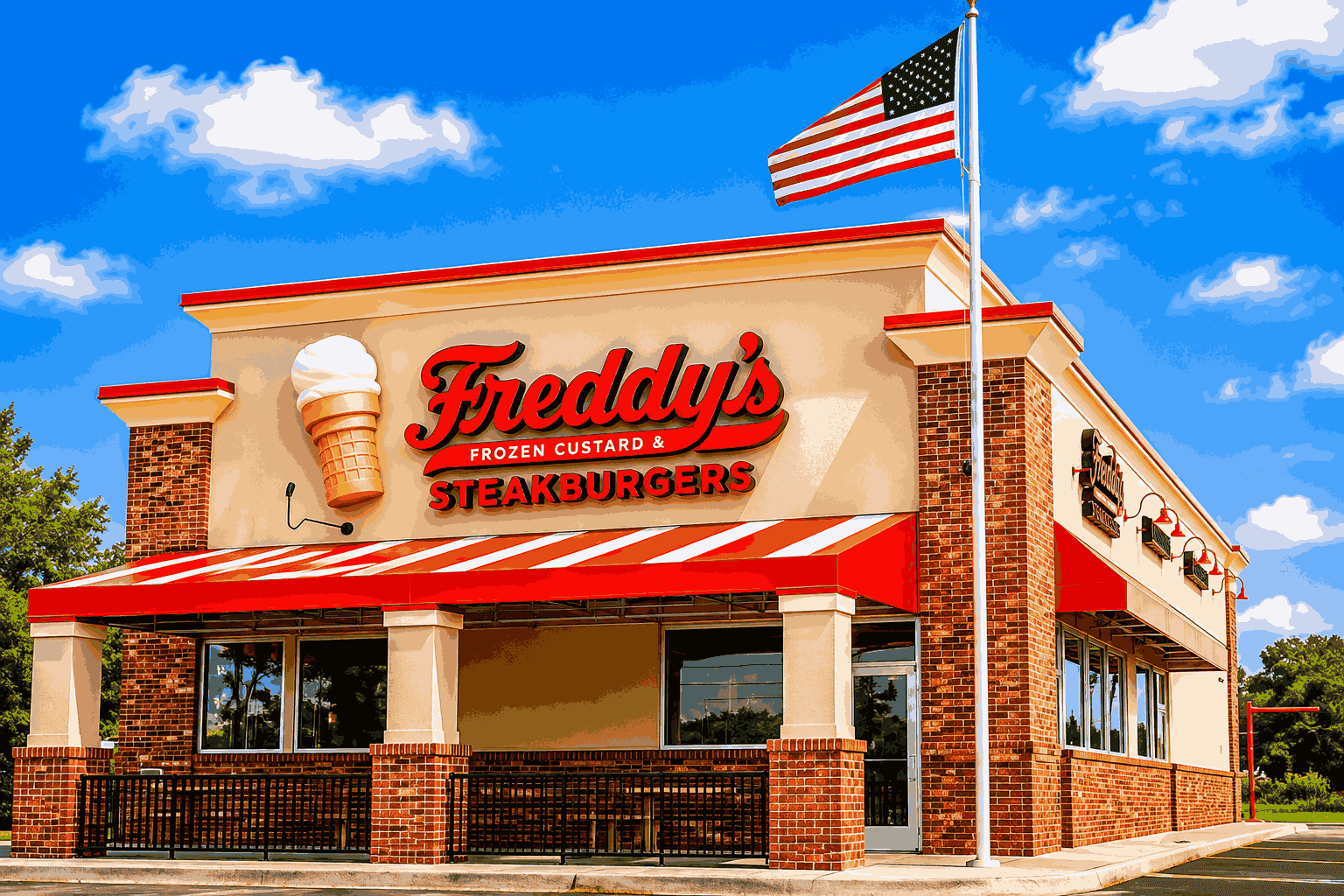
Culinary Leadership Shapes Freddy’s Future
Freddy’s Frozen Custard & Steakburgers promotes Rick Petralia to Executive Chef & VP of Training & Innovation, signaling a strategic focus on culinary excellence and franchisee support.
News
Aug 12, 2026
Freddy’s Frozen Custard & Steakburgers promotes Rick Petralia to Executive Chef & VP of Training & Innovation, signaling a strategic focus on culinary excellence and franchisee support.
Aug 12, 2026
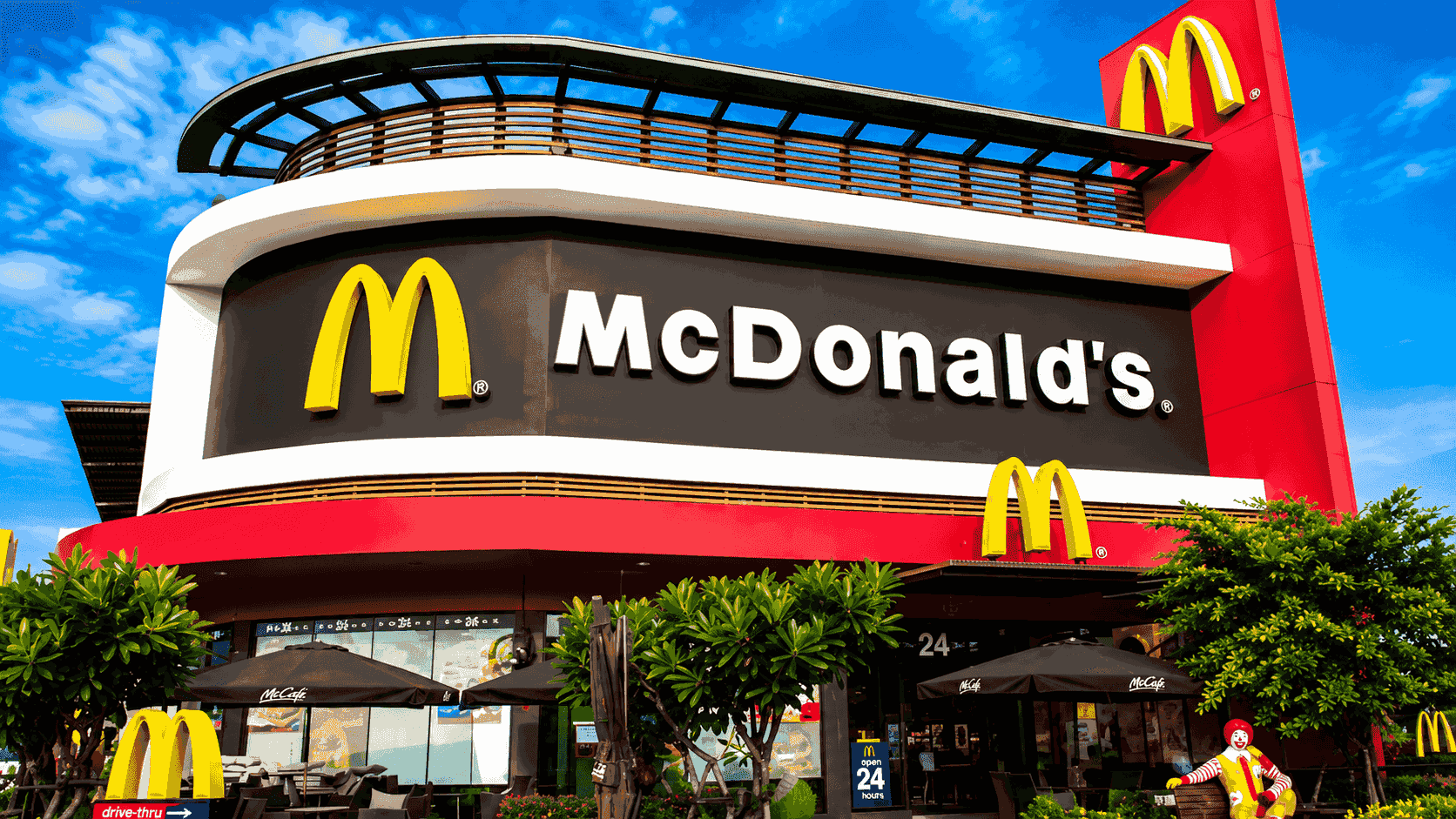
McDonald’s USA has appointed Patrick Gerber as chief restaurant officer, leveraging his decades of global experience to boost operations, food quality, and customer satisfaction in the U.S. market.
Aug 11, 2026
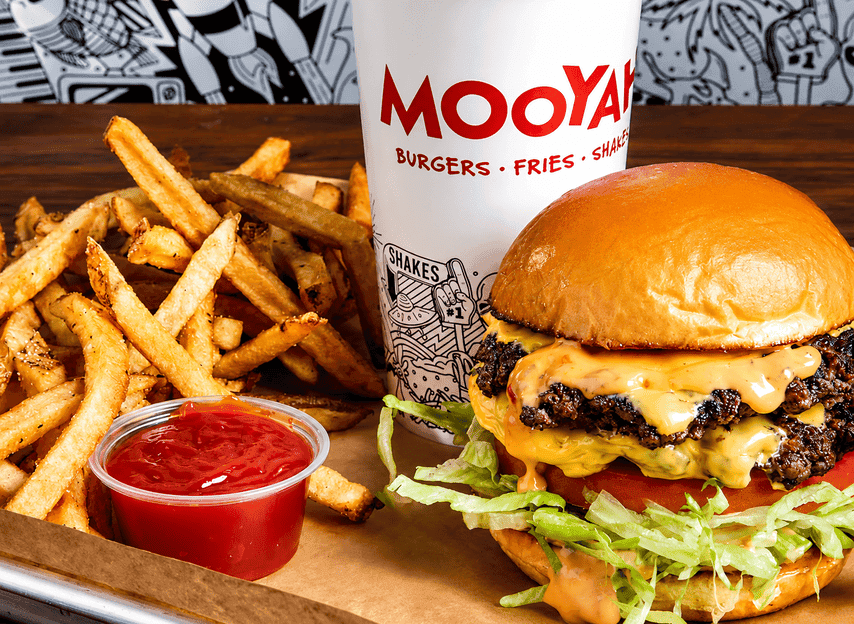
MOOYAH Burgers, Fries & Shakes partners with Great USA Foods LLC to launch a master franchise in the UAE, accelerating international expansion into Dubai and Abu Dhabi. Learn the impact for restaurant owners and growth lessons.
Aug 12, 2026
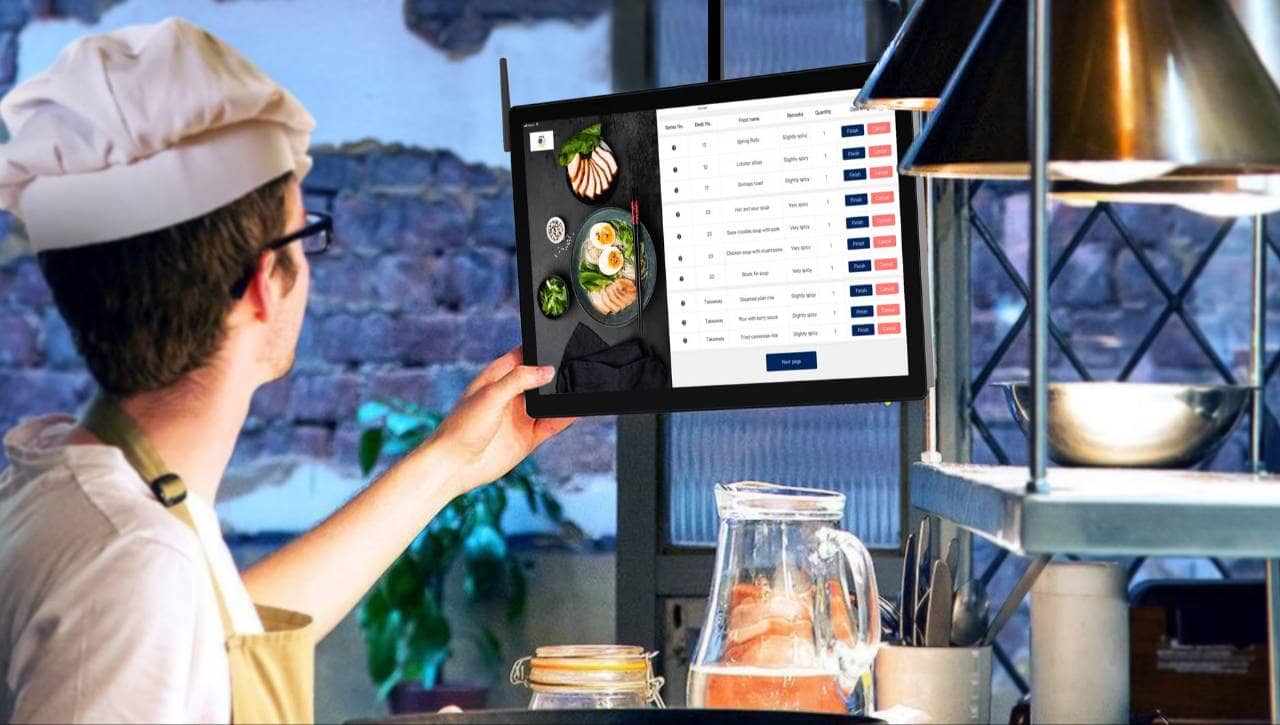
See how a kitchen display system supports faster service, better communication, accurate orders, organized workflows, and improved kitchen performance management.
Aug 10, 2026
Red Robin welcomes marketing veteran Scott Hudler as its new CMO, aiming to revitalize brand strategy and guest engagement during a critical turnaround phase.
Aug 11, 2026
Discover how a Zaxbys team member's creative marketing efforts earned her an executive role, and what the move shows about employee-driven branding in restaurants.
Aug 11, 2026

Avoiding hiring mistakes helps restaurant owners reduce turnover, control labor costs, improve staffing decisions, and build stronger, more reliable teams.
Aug 10, 2026
With traffic and sales slipping, Wendy’s new CEO Bob Wright sets a bold multi-pronged plan to restore food quality, brand value, and operational execution.
Aug 10, 2026
Explore practical ways to manage restaurant overhead costs while protecting service quality, employee productivity, food standards, and long-term profitability goals.
Aug 7, 2026
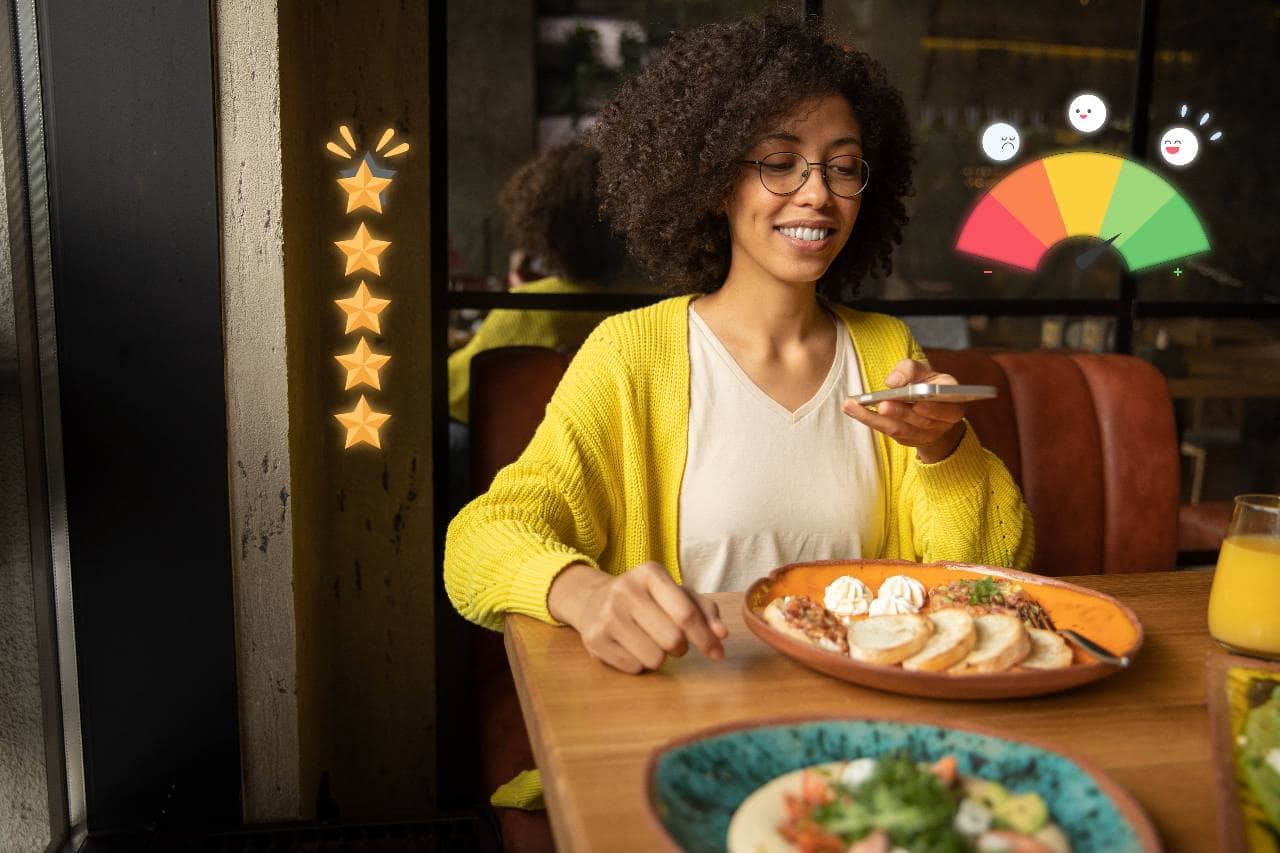
Get more restaurant reviews by creating memorable experiences, asking customers at the right time, simplifying feedback, and monitoring review performance.
Aug 7, 2026
A warm, expert-led look at McDonald’s Q1 results, menu makeover, and the refranchise question shaping its growth.
In the soft glow of a café-lit newsroom, the newest numbers arrive with a patient, comforting cadence. McDonald’s reported a 6 percent year-over-year rise in global sales for the first quarter, and global comparable sales climbed 3.8 percent, outpacing internal expectations even as inflation nibbled at margins. The mood is steady, the room gentler than the headlines might suggest, as teams across markets lean into a strategy built on accessibility, relevance, and careful execution. At the center of the story, CEO Chris Kempczinski frames the quarter as the product of three interlocking levers: “compelling value that brings customers in the door, breakthrough marketing that gives people a reason to choose McDonald’s, and great-tasting menu innovation that keeps us relevant and gives customers more of what they want.” The trio is designed to work in concert, sustaining demand across markets even when the external weather turns a bit harsher.
In this rhythm, the company emphasizes a disciplined, hospitable approach, where affordability meets culinary curiosity. The news arrives with a soft assurance: a reminder that hospitality can be a strategy in itself, especially when inflation and costs press against everyday budgets.
Three interlocking levers, value, marketing, and menu innovation, are presented as the engine of momentum. The phrase is not just a slogan but a careful alignment of affordability, cultural relevance, and taste that can travel across diverse markets. As the quarter unfolds, executives emphasize that this balance is tested, but resilient, and that the playbook is designed to endure through inflationary pressure and geopolitical volatility, including the war in the Middle East, by keeping prices thoughtful, messages consistent, and flavors meaningful. The takeaway is less about a single stunt and more about a patient design: a hospitality-forward business model that invites regulars and new faces alike to stay a little longer.

Responding to feedback from customers and franchisees, McDonald’s relaunched value meals in September after the earlier McValue push at the start of 2025. The enhanced value offerings are designed for price-sensitive consumers and include new deals such as Under $3 Menu items and a $4 Breakfast Meal. Kempczinski stresses that these options create clear, consistent value across different times of day, reinforcing a global approach where many large markets already feature everyday affordable pricing and bundled meals. In Italy, for example, the brand reintroduced legacy favorites to celebrated demand, while Australia expanded on a beverage test that began in the U.S. Other markets rolled out beverage innovations, Germany and Canada piloting new platforms, and the U.S. adding three McCafé refreshers and three crafted sodas, with Red Bull-infused drinks on the horizon. These moves show how innovation and international consistency can keep the menu feeling fresh and accessible.
Industry observers note that the under-3-dollar and expense-conscious bundles are not an isolated tactic but part of a broader, global adjustment toward everyday affordable pricing and well-timed menu experimentation. Axios even frames beverages as a potential tailwind as flavors evolve and energy drinks enter the lineup.

Beyond menus, McDonald’s is recalibrating its ownership mix to optimize returns in a volatile environment. The company relies on strategic hedging for food, paper, and energy to cushion rising costs, while a looming remodel cycle, decades after the Experience of the Future remodel, promises another systemwide refresh. Franchisees may participate more in certain remodels and sales-driving updates, signaling a willingness to partner on transformation. At the end of 2025, the U.S. portfolio counted 644 corporate-owned restaurants, underscoring the ongoing refranchising conversation. Globally, about 95 percent of McDonald’s restaurants were franchised, highlighting a business model built on scalable, franchise-centric growth that can better absorb external headwinds.
Chief Financial Officer Ian Borden emphasized momentum, noting that the U.S. system “continued to build on that momentum” into the first quarter, a sentiment that aligns with a broader strategy to optimize returns through a balanced mix of company-owned and franchised units.
Ownership balance and a decade-long remodel cadence shape the capital plan. By considering partnerships with franchisees on remodels and other updates, leadership signals a pragmatic approach to investments: grow where returns are robust, share the burden where costs are high, and keep a watchful eye on margins. The end-state, an ecosystem where franchisees carry much of the daily risk but benefit from scale, innovation, and a disciplined capital plan, remains a core theme as the company navigates inflation and geopolitical volatility while preserving long-run value.
Investors and industry observers have treated the quarterly results as a validation of McDonald’s value-led growth and ongoing menu experimentation. Analysts have noted that the combination of value offerings, **consistent marketing**, and refreshed menu items has helped shield demand from the erosive effects of price inflation. The first-quarter comp performance, together with strong systemwide sales momentum, reinforces expectations that beverage innovations and loyalty initiatives can underpin sustained growth. Coverage from Axios highlighted the beverage strategy as a potential tailwind, while other outlets underscored the durability of the value push as a reliable driver of foot traffic.
“Beverages are expected to be a tailwind for the business as McDonald’s introduces different flavors and Red Bull infused energy drinks throughout the year.” wrote Axios, capturing how the beverage program is viewed as a lever for ongoing growth. The broader narrative, value-led growth paired with menu experimentation, appears to be resonating with investors who see a path to sustained traffic and loyalty participation in a shifting consumer landscape.

McDonald’s 2025 annual report underscores a franchising-heavy model, with roughly 95 percent of restaurants worldwide owned by franchisees. The company’s Accelerating the Arches growth playbook maps a path toward roughly 50,000 restaurants globally by the end of 2027, supported by openings and development investments. The plan seeks to balance scale with efficiency, channeling capital toward share repurchases and loyalty growth while sustaining returns. Taken together, the international footprint and growth ambitions position McDonald’s to navigate a dynamic global environment by leaning into a franchise-first approach that rewards both scale and discipline.
50,000 restaurants by 2027 is more than a number, it signals a strategy to pair global reach with efficient operations. The mix of franchise-driven growth, capital discipline, and ongoing loyalty investments aims to keep McDonald’s competitive as markets swing between price sensitivity and the desire for convenience, digital ordering, and reliable service. In this view, scale becomes a tool for resilience, allowing the company to weather inflation and volatility while preserving value for shareholders, franchisees, and workers alike.
Despite momentum, several uncertainties remain. The market and promotional calendars can create seasonal swings, and analysts warn that Q2 could see meaningful deceleration from Q1’s 3.8 percent comp gain. Inflation and geopolitical tensions remain headwinds that could affect consumer behavior and supply chains, even as hedging programs provide some cushion. The durability of a value-led strategy will depend on how well McDonald’s sustains traffic growth, loyalty participation, and cost discipline across markets as the external environment evolves. The ground remains unsettled enough to require vigilance without dampening the sense that careful execution can endure.
Road ahead means balancing affordability with freshness, pricing clarity with marketing momentum, and store formats with digital and delivery pathways. The refranchising conversation remains a strategic instrument, one that could improve cash flow and margins while preserving the ability to test and scale new formats. The lessons for the industry lie in harmonizing price points, consistent marketing, and a coherent remodel cadence as McDonald’s pursues the 50,000-restaurant milestone with a largely franchised model that supports long-term value for all stakeholders.