
How to Organize a Restaurant Chart of Accounts
A restaurant chart of accounts separates sales, costs, and labor, uses logical numbering, and stays maintained, producing clearer financial reports.
Accounting
Sep 23, 2026
A restaurant chart of accounts separates sales, costs, and labor, uses logical numbering, and stays maintained, producing clearer financial reports.
Sep 23, 2026
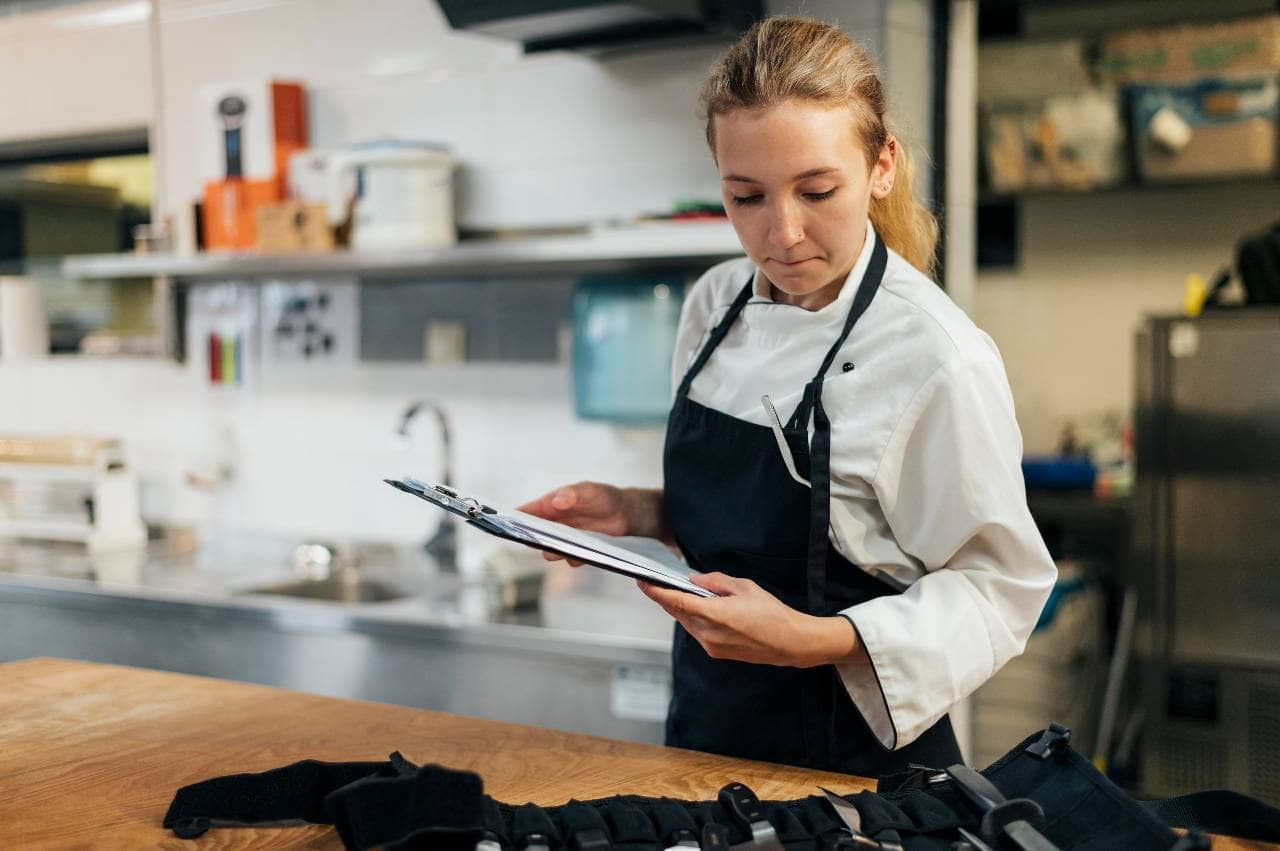
This restaurant inventory count checklist helps owners track food, beverages, packaging, and supplies, cutting waste, controlling costs, improving purchasing decisions.
Sep 23, 2026
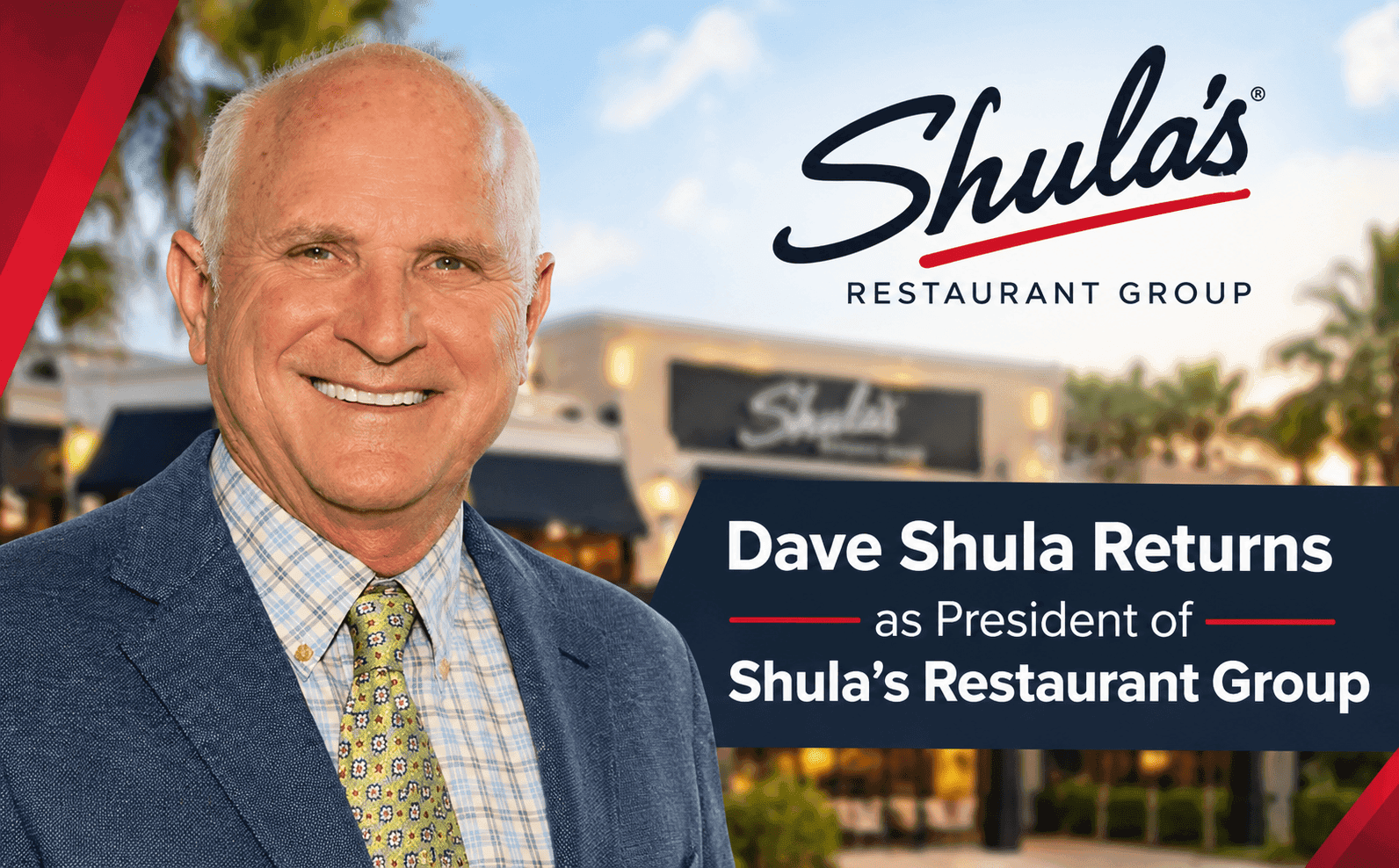
Dave Shula rejoins Shula's Restaurant Group as president, leading growth into Palm Beach Gardens and a 2027 Thomasville, Georgia expansion.
Sep 23, 2026
McDonald's commits $8.5 billion through 2036 to modernize restaurants, boost cash flow by $100,000 per store, and grow chicken and beverage sales.
Sep 23, 2026
WKS Restaurant Group promotes Jay Spongberg to president and COO after he helped grow the company from 65 to 382 restaurants over 16 years.
Sep 23, 2026

Smokey Mo's BBQ names Von Dawson, a Dine Brands veteran, as VP of Franchise Development to lead its Texas expansion strategy.
Sep 23, 2026
.png&w=3840&q=70)
Meritage Hospitality's Chapter 11 filing pulls 5% of Wendy's U.S. stores into bankruptcy, exposing cracks in franchising's bigger-is-safer bet.
Sep 21, 2026
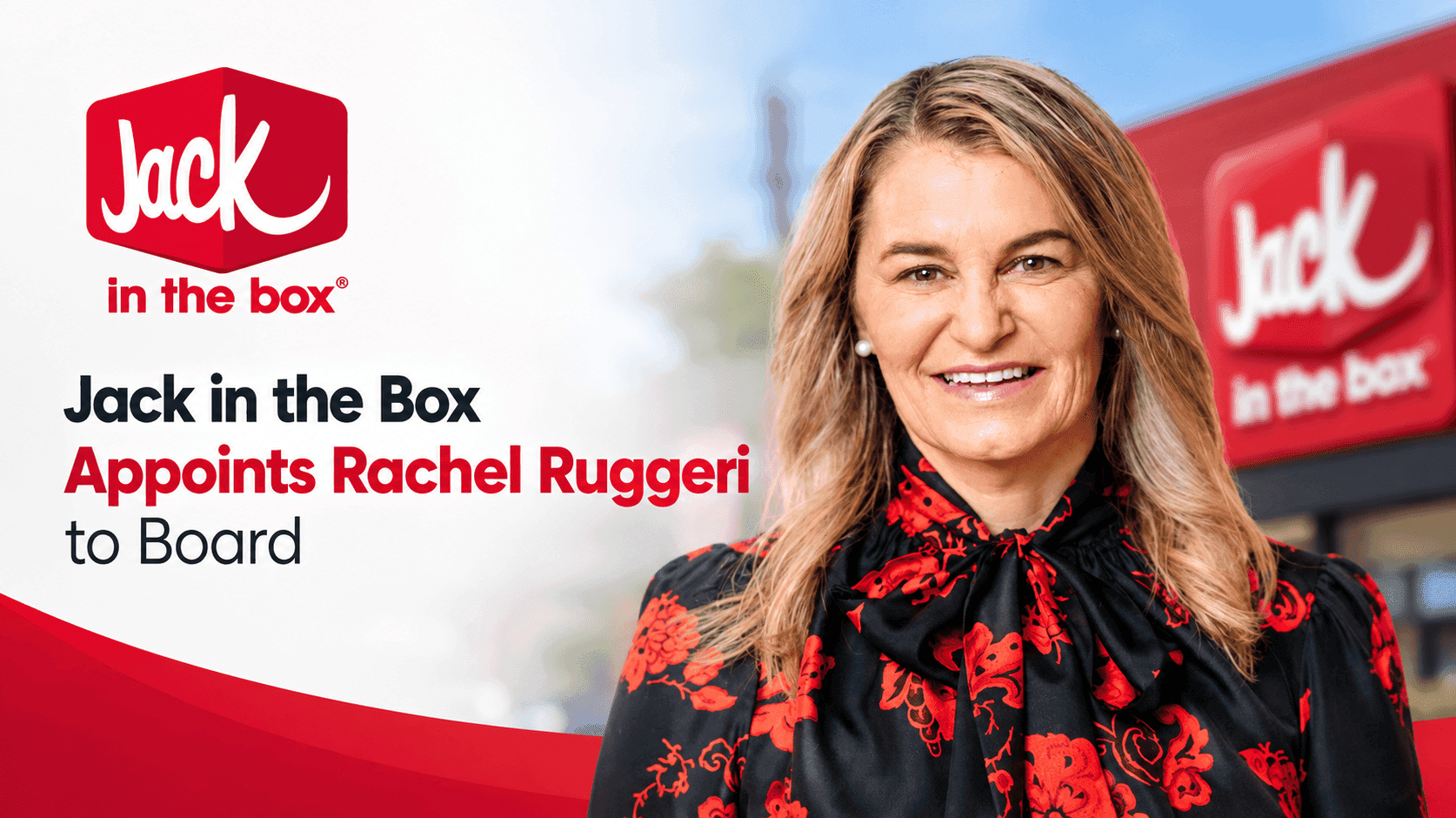
Jack in the Box names Rachel Ruggeri to its board as Michael Murphy retires, amid a CEO transition and deal with investor GreenWood.
Sep 21, 2026

Restaurant inventory tracking helps owners monitor stock, control food costs, reduce waste, improve purchasing, and make informed operational decisions.
Sep 21, 2026
Improve restaurant Google Maps rankings by optimizing your business profile, selecting accurate categories, gathering reviews, adding photos, and strengthening local relevance signals.
Sep 21, 2026

Unlock Exclusive Access To Webinars, Events, And The Latest News For Free!
Explore practical ways to manage restaurant overhead costs while protecting service quality, employee productivity, food standards, and long-term profitability goals.

Before reducing restaurant overhead costs, you need to understand where your money is going. Cutting expenses without reviewing the numbers first can lead to poor decisions, such as reducing staffing during busy periods or delaying maintenance that later results in expensive repairs. Start by reviewing your restaurant's recurring operating expenses over the past several months. Separate these costs into fixed expenses and variable expenses. Fixed overhead costs generally remain relatively stable regardless of sales volume, while variable costs can rise or fall depending on usage, business activity, or operating conditions. Common restaurant overhead costs include - 1. Rent and occupancy costs - Rent, property fees, insurance, and common-area maintenance charges can represent a significant portion of monthly overhead. 2. Utilities - Electricity, gas, water, internet, and waste removal expenses can increase quickly, especially in restaurants with energy-intensive kitchen equipment. 3. Insurance and licenses - General liability insurance, property insurance, permits, licenses, and other required fees should be included when evaluating overhead. 4. Technology and subscriptions - Point-of-sale software, scheduling platforms, accounting systems, music services, and other subscriptions can create substantial recurring expenses. 5. Repairs and maintenance - HVAC systems, refrigeration equipment, cooking appliances, plumbing, and other equipment require ongoing maintenance. 6. Administrative expenses - Office supplies, accounting services, banking fees, professional services, and other back-office expenses also contribute to overhead. Once you have categorized your expenses, calculate how much each category represents compared with your restaurant's total revenue. For example - Overhead Cost Percentage = Total Overhead Costs / Total Revenue x 100 Tracking this percentage over time can help you identify expenses that are growing faster than sales. Instead of making broad cost cuts, focus first on categories where spending has increased unexpectedly or where you are paying for resources you no longer need. Identifying your largest and fastest-growing overhead costs gives you a clear starting point for reducing expenses without compromising food quality, staffing, or customer service.
Utility costs are a major source of restaurant overhead, especially because commercial kitchens rely heavily on refrigeration, cooking equipment, ventilation, lighting, heating, and air conditioning. Reducing energy and water use can lower monthly expenses without affecting food quality or customer service. First review electricity, gas, and water bills from the past 6 to 12 months. Look for unusual increases, seasonal patterns, or periods when usage rises faster than sales. This can help you identify equipment problems, inefficient operating habits, or unnecessary consumption. Restaurant owners can reduce utility expenses by focusing on several areas - 1. Maintain refrigeration equipment - Dirty condenser coils, damaged door seals, and incorrect temperature settings can cause refrigerators and freezers to consume more electricity. 2. Service HVAC systems regularly - Replacing filters and maintaining heating and cooling systems can improve efficiency while keeping dining areas comfortable. 3. Reduce unnecessary equipment use - Avoid turning on ovens, fryers, ventilation systems, and other high-energy equipment earlier than necessary. 4. Use energy-efficient lighting - Replacing older bulbs with LED lighting can reduce electricity consumption and typically requires less frequent replacement. 5. Control water usage - Repair leaking faucets, pipes, and toilets quickly. Consider low-flow fixtures where they do not interfere with kitchen sanitation or operational needs. 6. Create energy-saving opening and closing procedures - Employees should know which lights, appliances, and equipment must be turned on or shut down at specific times. Restaurant owners should also monitor energy use after making changes. Compare utility expenses against sales and operating hours rather than looking only at the monthly bill. This provides a clearer picture of whether efficiency is actually improving. The goal should not be to reduce energy use at the expense of comfort, food safety, or kitchen performance. Instead, focus on eliminating waste and improving equipment efficiency so the restaurant can lower overhead costs while maintaining reliable service.
Vendor contracts and recurring subscriptions can quietly increase restaurant overhead costs over time. Service fees, software subscriptions, equipment leases, waste removal, pest control, linen services, and maintenance agreements may continue for months or years without being reviewed closely. Start by creating a list of every recurring expense your restaurant pays each month, quarter, or year. Include both large contracts and smaller subscriptions. Even relatively inexpensive services can become costly when several unused or overlapping tools accumulate. Restaurant owners should review these expenses in several ways - 1. Compare current pricing - Check whether similar vendors offer better rates for the same level of service. This gives you useful information before renewing or renegotiating a contract. 2. Negotiate existing agreements - Ask vendors about lower rates, volume discounts, longer-term pricing, or bundled services. Long-standing customers may have more negotiating leverage than they realize. 3. Eliminate unused subscriptions - Review software platforms, memberships, entertainment services, reporting tools, and other subscriptions. Cancel services that employees rarely use or that duplicate features available elsewhere. 4. Review contract terms - Pay attention to automatic renewals, cancellation fees, minimum purchase requirements, and annual price increases. 5. Evaluate service frequency - Some services may be scheduled more often than necessary. Adjusting delivery, maintenance, linen, or waste pickup frequency may reduce costs without affecting operations. 6. Consolidate vendors when practical - Using fewer suppliers or service providers may simplify billing and create opportunities for volume discounts. Avoid choosing vendors based on price alone. A lower-cost provider that delivers inconsistent service, poor product quality, or unreliable support can create larger operational problems.

Labor is one of the largest restaurant expenses, but reducing labor costs does not have to mean cutting staff aggressively. The better approach is to improve how labor hours are scheduled and used so the restaurant can maintain service standards while avoiding unnecessary payroll expenses. Compare employee schedules with actual sales and customer traffic. Look for periods when too many employees are scheduled during slow hours or when too few employees are available during peak periods. Better alignment between staffing and demand can reduce wasted labor hours while protecting service quality. Restaurant owners can improve labor efficiency in several ways - 1. Schedule around expected demand - Use historical sales, reservations, local events, day of the week, and meal periods to estimate how many employees are needed. 2. Reduce unnecessary overtime - Monitor employee hours throughout the week and adjust schedules before overtime becomes unavoidable. 3. Cross-train employees - Train employees to perform multiple responsibilities where appropriate. A cross-trained team can provide more flexibility when demand changes or someone calls out. 4. Improve shift planning - Clearly define opening, closing, prep, cleaning, and service responsibilities so employees spend less time waiting for instructions or duplicating work. 5. Monitor labor productivity - Track metrics such as labor cost percentage, sales per labor hour, and overtime hours to identify areas where scheduling can improve. 6. Protect peak-period staffing - Avoid reducing labor simply to meet a cost target. Understaffing during busy periods can lead to slower service, mistakes, employee burnout, and dissatisfied customers. Restaurant owners should focus on eliminating inefficient labor hours rather than eliminating necessary positions. Small scheduling improvements across multiple shifts can create meaningful savings over time.
Food and inventory costs are not always classified as traditional overhead, but poor inventory management can increase operating expenses and reduce restaurant profitability. Waste, spoilage, overordering, theft, and inconsistent portion sizes can all create unnecessary costs without improving the customer experience. Start by comparing inventory purchases with actual sales and ingredient usage. Large differences may indicate waste, inaccurate portioning, ordering problems, or poor inventory controls. Restaurant owners can reduce food and inventory-related expenses by focusing on several areas - 1. Track inventory consistently - Conduct regular inventory counts so managers know what is in stock, what is being used, and which items are moving slowly. 2. Improve ordering accuracy - Base purchase quantities on historical sales, expected demand, current inventory levels, and upcoming promotions. This helps reduce both overstocking and stockouts. 3. Reduce food waste - Track spoiled, damaged, overprepared, or returned food. Recording the reason for each type of waste can help identify recurring problems. 4. Standardize recipes and portions - Use consistent recipes, portion tools, and serving guidelines so ingredient usage remains predictable across shifts. 5. Apply proper inventory rotation - Follow first-in, first-out procedures where appropriate to help use older ingredients before newer stock. 6. Monitor supplier pricing - Review invoice prices regularly and compare them with previous purchases. Significant increases may require renegotiation, alternative products, or new suppliers. 7. Limit unnecessary emergency purchases - Poor planning often leads to last-minute orders at higher prices. Better forecasting can reduce these unplanned expenses. Cost control should never come at the expense of food quality or portion consistency. Reducing serving sizes without evaluating customer expectations, for example, may create complaints and hurt perceived value. The objective is to eliminate avoidable waste rather than simply buy cheaper ingredients. Strong inventory controls help restaurants purchase the right amount of food, use ingredients efficiently, and maintain consistent quality while keeping overall operating costs under control.
Unexpected equipment failures can quickly increase restaurant overhead costs. Refrigerators, freezers, ovens, fryers, HVAC systems, dishwashers, and other commercial equipment operate for long hours, making regular maintenance essential. When small problems are ignored, they can develop into expensive repairs, emergency service calls, or complete equipment replacements. Restaurant owners can reduce repair expenses by taking a preventive approach - 1. Create a maintenance schedule - List all major equipment and establish daily, weekly, monthly, and annual maintenance requirements based on manufacturer recommendations. 2. Inspect equipment regularly - Look for warning signs such as unusual noises, temperature fluctuations, leaks, damaged seals, slow performance, or higher energy consumption. 3. Clean equipment properly - Grease, dust, food particles, and debris can reduce equipment efficiency and shorten its lifespan. Employees should follow clear cleaning procedures for each piece of equipment. 4. Address small problems early - A minor leak, worn gasket, or unusual sound may be inexpensive to fix initially but could become a major repair if ignored. 5. Train employees on proper use - Incorrect equipment operation can cause unnecessary wear and damage. Staff should understand startup, shutdown, cleaning, and basic troubleshooting procedures. 6. Keep maintenance records - Document inspections, repairs, service dates, replacement parts, and recurring problems. These records can help managers identify equipment that is becoming increasingly expensive to maintain. 7. Plan for eventual replacement - Track the age and condition of major equipment so replacement costs can be included in future budgets rather than becoming unexpected expenses. Preventive maintenance should also support food safety and service reliability. For example, properly maintained refrigeration protects ingredient temperatures, while reliable cooking equipment helps kitchens maintain consistent ticket times. By maintaining equipment before problems become emergencies, restaurant owners can reduce unexpected repair costs, extend equipment life, and minimize disruptions that could negatively affect employees and customers.

Administrative work can consume significant management time and increase restaurant overhead costs, especially when employees rely on spreadsheets, paper records, manual data entry, or disconnected systems. The right technology can reduce repetitive work, improve accuracy, and allow managers to spend more time on operations and customer service. Restaurant owners should focus on technology that solves specific operational problems rather than adding software simply because it offers more features. Consider these opportunities - 1. Automate employee scheduling - Scheduling software can help managers build shifts based on availability, labor requirements, and expected demand while reducing time spent creating schedules manually. 2. Simplify payroll and time tracking - Digital timekeeping systems can record employee hours, reduce manual calculations, and make payroll preparation more efficient. 3. Improve inventory management - Inventory software can help track stock levels, ingredient usage, purchasing, and food costs without relying entirely on manual spreadsheets. 4. Automate accounting tasks - Connecting sales, invoices, payroll, and expense data can reduce duplicate data entry and improve financial reporting. 5. Centralize operational reporting - Dashboards can bring sales, labor, inventory, and other performance information into one place, making it easier for managers to identify problems quickly. 6. Reduce paperwork - Digital checklists, temperature logs, maintenance records, and task management systems can reduce printing, filing, and manual recordkeeping. 7. Integrate existing systems - When POS, scheduling, payroll, inventory, and accounting tools share information, employees may spend less time entering the same data into multiple systems. When selected carefully, restaurant technology can lower overhead costs while giving managers more time to focus on employees, food quality, and the customer experience.
Reducing restaurant overhead costs should improve profitability without weakening the experience customers receive. Cutting expenses too aggressively can create slower service, inconsistent food quality, poor cleanliness, equipment problems, or understaffed shifts. For that reason, restaurant owners should monitor both financial results and operational performance after making cost-saving changes. Start by reviewing overhead expenses every month and comparing them with revenue, previous periods, and budget targets. This makes it easier to identify whether savings are actually improving financial performance. Restaurant owners should monitor several areas - 1. Track overhead cost percentage - Calculate total overhead costs as a percentage of revenue and watch how the figure changes over time. 2. Compare actual spending with budget - Review major expense categories such as utilities, maintenance, software, insurance, and administrative costs to identify unexpected increases. 3. Measure service performance - Monitor ticket times, customer complaints, order accuracy, cleanliness, and other service indicators after implementing cost reductions. 4. Protect food quality - Avoid changes that create inconsistent portions, lower ingredient quality, or food safety concerns simply to reduce expenses. 5. Monitor employee workload - Cost reductions should not create unrealistic workloads that increase mistakes, overtime, absenteeism, or turnover. 6. Set category-specific savings goals - Instead of making broad cuts, establish realistic targets for areas such as utilities, subscriptions, maintenance, or administrative spending. 7. Review results regularly - Some savings may look effective initially but create higher costs later. For example, delaying equipment maintenance could reduce expenses this month while increasing the risk of a costly breakdown. The most effective overhead strategy focuses on eliminating waste, inefficiency, and unnecessary spending rather than reducing resources that directly support customers. By continuously reviewing expenses alongside operational metrics, restaurant owners can determine which cost-saving measures are sustainable. This approach helps lower overhead costs while protecting food quality, employee productivity, service speed, and the overall customer experience.
