
How to Organize a Restaurant Chart of Accounts
A restaurant chart of accounts separates sales, costs, and labor, uses logical numbering, and stays maintained, producing clearer financial reports.
Accounting
Sep 23, 2026
A restaurant chart of accounts separates sales, costs, and labor, uses logical numbering, and stays maintained, producing clearer financial reports.
Sep 23, 2026
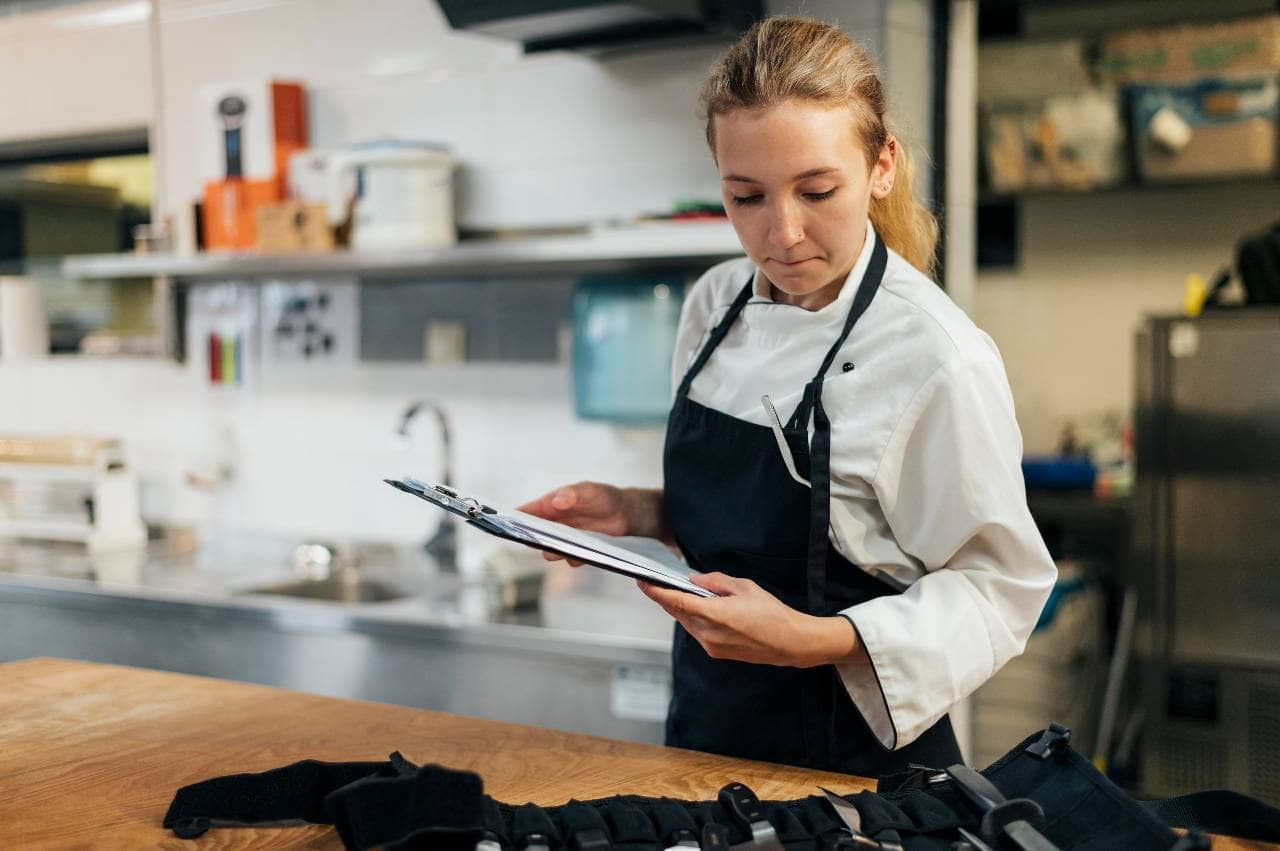
This restaurant inventory count checklist helps owners track food, beverages, packaging, and supplies, cutting waste, controlling costs, improving purchasing decisions.
Sep 23, 2026

Dave Shula rejoins Shula's Restaurant Group as president, leading growth into Palm Beach Gardens and a 2027 Thomasville, Georgia expansion.
Sep 23, 2026

McDonald's commits $8.5 billion through 2036 to modernize restaurants, boost cash flow by $100,000 per store, and grow chicken and beverage sales.
Sep 23, 2026

WKS Restaurant Group promotes Jay Spongberg to president and COO after he helped grow the company from 65 to 382 restaurants over 16 years.
Sep 23, 2026

Smokey Mo's BBQ names Von Dawson, a Dine Brands veteran, as VP of Franchise Development to lead its Texas expansion strategy.
Sep 23, 2026
.png&w=3840&q=70)
Meritage Hospitality's Chapter 11 filing pulls 5% of Wendy's U.S. stores into bankruptcy, exposing cracks in franchising's bigger-is-safer bet.
Sep 21, 2026
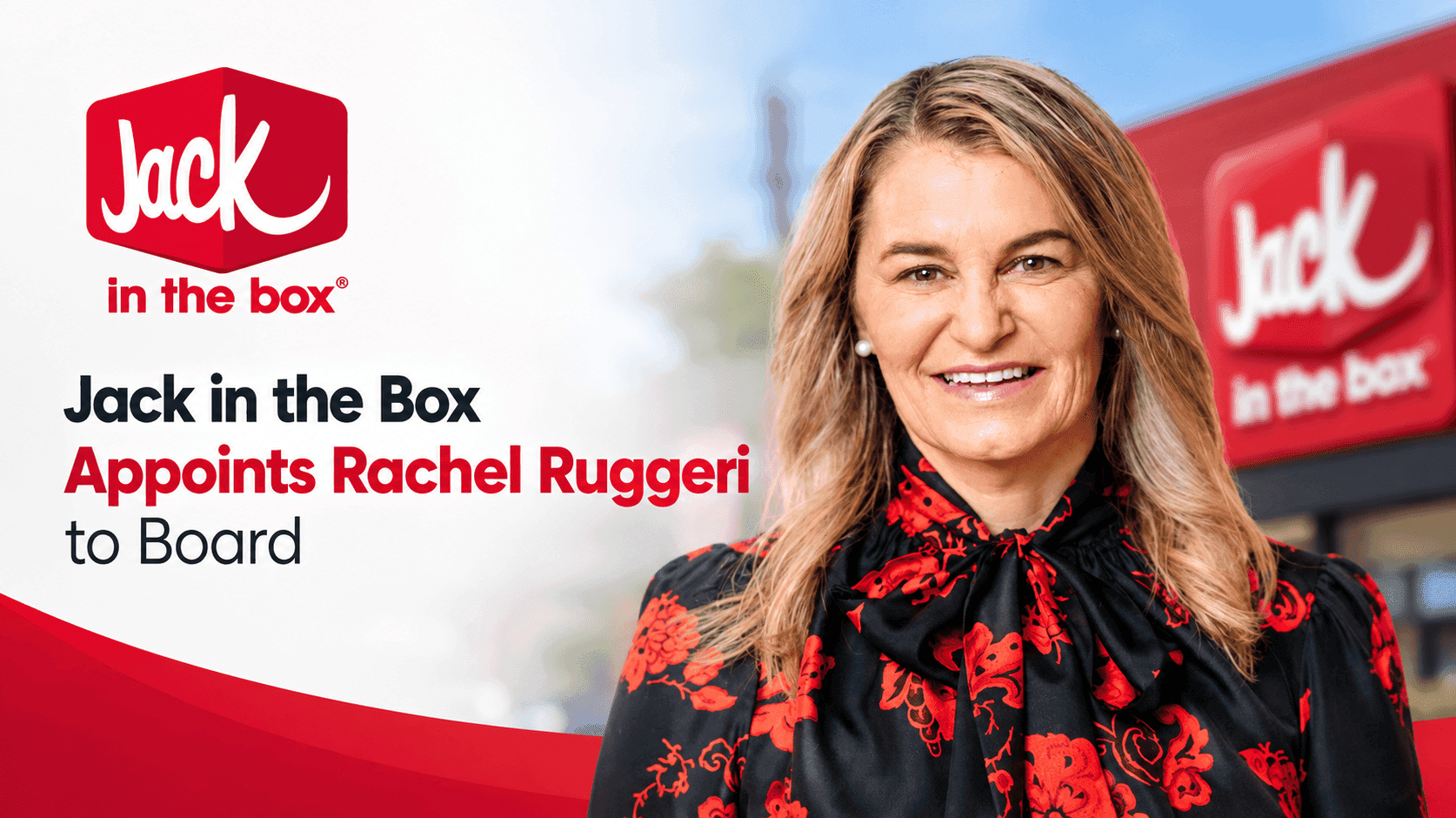
Jack in the Box names Rachel Ruggeri to its board as Michael Murphy retires, amid a CEO transition and deal with investor GreenWood.
Sep 21, 2026

Restaurant inventory tracking helps owners monitor stock, control food costs, reduce waste, improve purchasing, and make informed operational decisions.
Sep 21, 2026
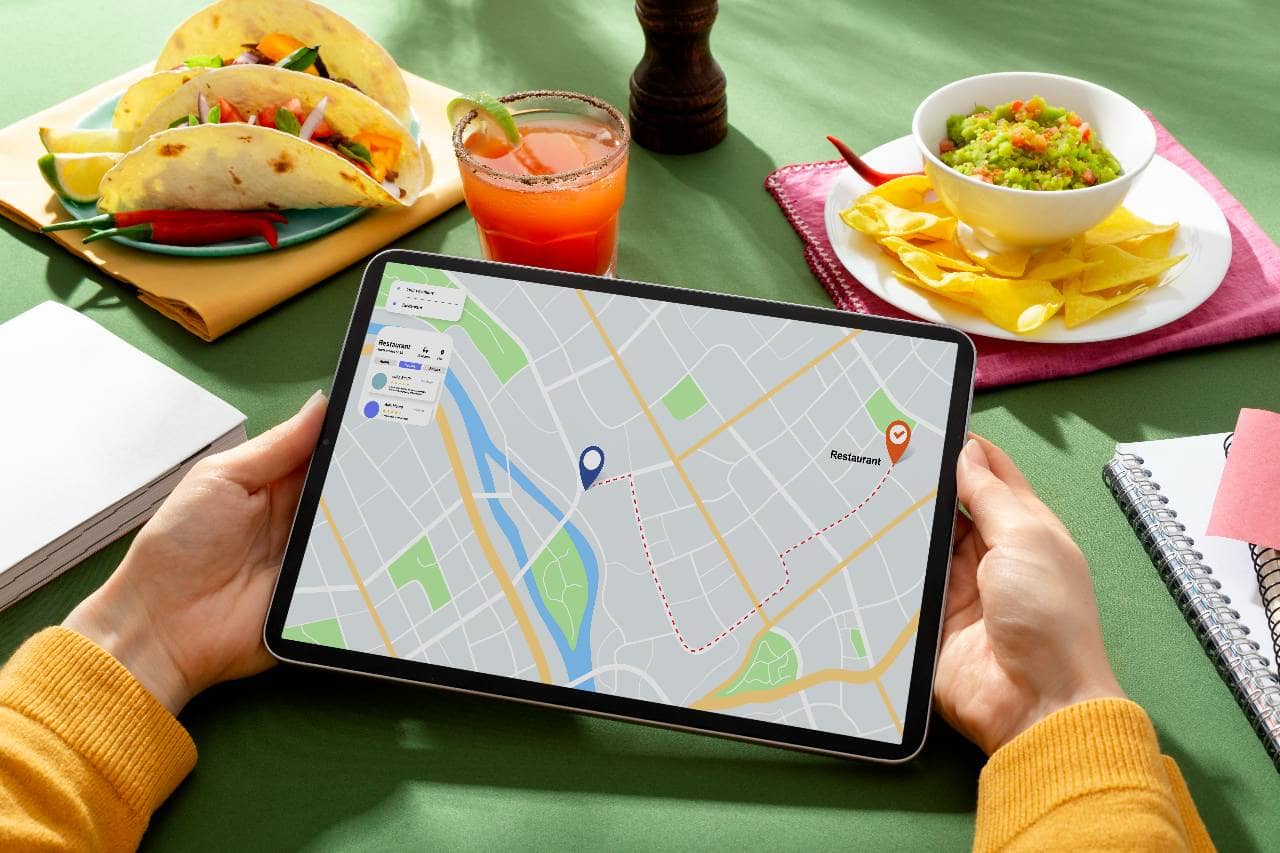
Improve restaurant Google Maps rankings by optimizing your business profile, selecting accurate categories, gathering reviews, adding photos, and strengthening local relevance signals.
Sep 21, 2026

Unlock Exclusive Access To Webinars, Events, And The Latest News For Free!
Get more restaurant reviews by creating memorable experiences, asking customers at the right time, simplifying feedback, and monitoring review performance.
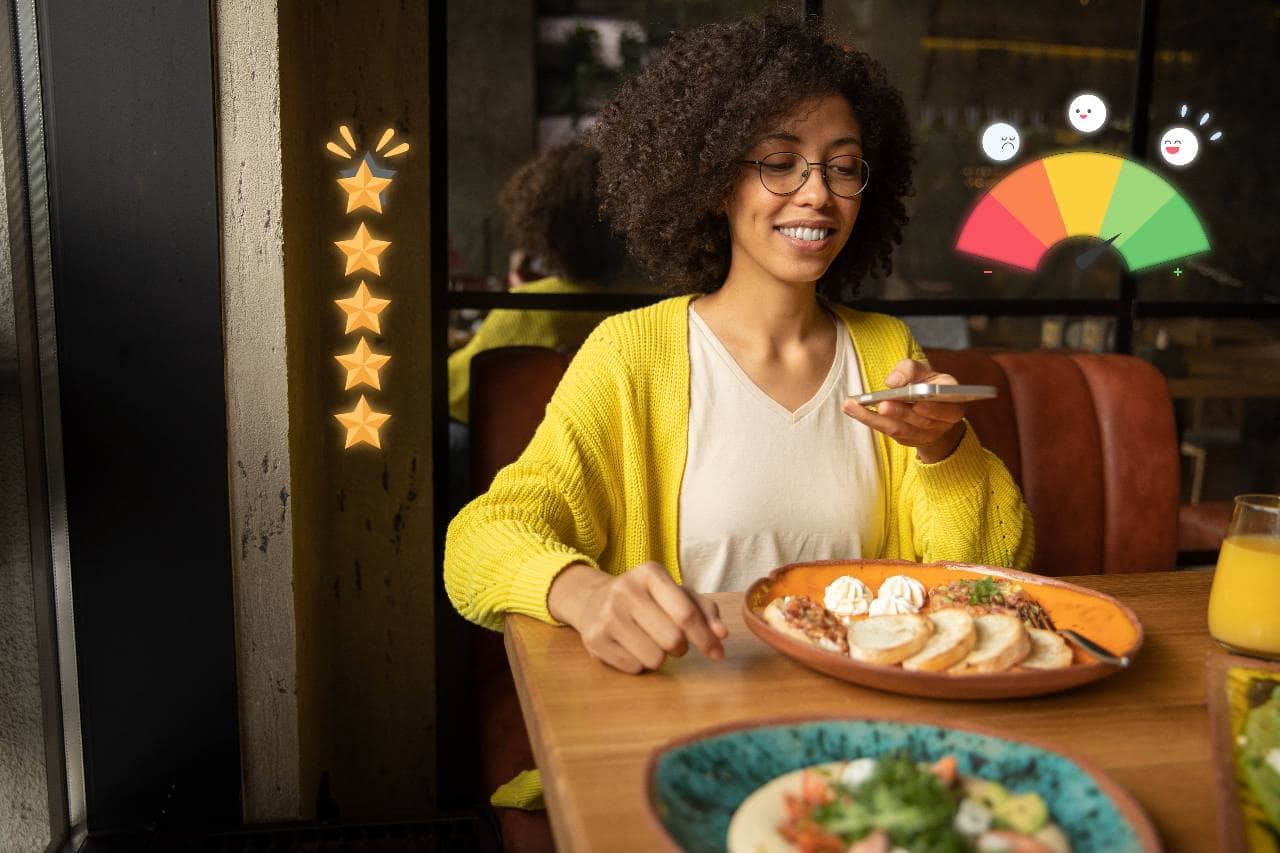
Restaurant reviews play an important role in how potential customers decide where to eat. Before visiting a restaurant, many diners check online ratings, read recent comments, and look at customer photos to understand what kind of experience they can expect. A strong collection of positive reviews can make a restaurant appear more trustworthy and encourage new customers to choose it over nearby competitors. Reviews also contribute to a restaurant's overall online reputation. Customers may leave feedback about food quality, service, cleanliness, atmosphere, pricing, wait times, and other parts of their visit. When similar comments appear repeatedly, restaurant owners can use that feedback to identify both strengths and areas that need improvement. Online reviews may also support a restaurant's visibility in local search results. Maintaining an active review profile with recent customer feedback gives search engines and potential guests additional information about the business. For restaurant owners, this makes review generation an important part of local marketing and reputation management. Restaurant reviews can provide several benefits, including - 1. Building customer trust by showing experiences from previous guests. 2. Influencing dining decisions when customers compare nearby restaurants. 3. Providing operational feedback about food, service, and customer experience. 4. Strengthening online reputation through consistent positive feedback. 5. Supporting local visibility by maintaining an active presence on review platforms. Restaurant owners should focus on consistently delivering a strong customer experience and making it easy for satisfied guests to share honest feedback.
Before asking customers to leave restaurant reviews, owners need to make sure the dining experience gives guests something positive to talk about. Review generation starts with consistent execution across food quality, service, cleanliness, speed, and overall hospitality. If these areas are unreliable, asking for more reviews can simply increase the visibility of existing problems. Restaurant owners should pay attention to the parts of the customer journey that have the greatest impact on satisfaction. These include - 1. Food quality and consistency - Meals should meet the same standards every time, including taste, presentation, portion size, and temperature. 2. Friendly and attentive service - Employees should greet customers promptly, communicate clearly, check on tables when appropriate, and handle requests professionally. 3. Cleanliness - Dining areas, restrooms, counters, menus, and other customer-facing spaces should remain clean and well maintained. 4. Reasonable wait times - Long waits for seating, ordering, food preparation, or payment can negatively affect the overall experience, even when the food is good. 5. Fast problem resolution - Mistakes will occasionally happen. What matters is how quickly and effectively employees respond. Managers should empower staff to address common issues before customers leave dissatisfied. Restaurant owners should also review customer feedback regularly to identify recurring problems. If several guests mention slow service, incorrect orders, or inconsistent food quality, those comments can point to operational issues that need attention. The strongest review strategy begins before a customer is ever asked for feedback. By consistently delivering an experience that meets or exceeds expectations, restaurants create more opportunities for satisfied customers to voluntarily share positive restaurant reviews.
Timing can make a major difference when asking customers to leave restaurant reviews. The best moment is usually when a guest has clearly had a positive experience and the interaction still feels fresh. Asking too early can feel forced, while waiting too long may reduce the chance that the customer follows through. Restaurant owners should look for natural opportunities to request feedback, such as - 1. After a customer compliments the food or service. When a guest voluntarily shares positive feedback, employees can politely suggest that they share their experience online. 2. At the end of a successful meal. Servers can mention reviews when presenting the check or thanking guests for visiting, as long as the request does not interrupt the dining experience. 3. After completing an online order. Restaurants can send a review request shortly after pickup or delivery, giving customers enough time to receive and enjoy their order. 4. Following a reservation or loyalty visit. Automated follow-up messages can invite guests to leave feedback after their visit. 5. After resolving a customer concern successfully. If a problem is handled well and the customer expresses satisfaction with the resolution, a review request may be appropriate. Employees should avoid repeatedly asking customers or making them feel obligated to leave positive feedback. The request should be brief, polite, and focused on honest feedback rather than a specific rating. For example, staff can simply thank customers for visiting and mention that online feedback helps the restaurant improve. By choosing the right moment and keeping the request natural, restaurant owners can increase the likelihood that satisfied customers leave restaurant reviews without making the interaction feel uncomfortable or overly promotional.

Even satisfied customers may not leave restaurant reviews if the process takes too many steps. Restaurant owners can improve participation by making review links easy to find and simple to access immediately after a positive dining experience. A good review process should require as little effort as possible. Instead of asking customers to search for the restaurant online, provide a direct path to the review platform. Restaurants can make the process easier by using - 1. Direct review links - Add links that take customers directly to the restaurant's review page rather than its general website or social profile. 2. QR codes - Place QR codes on receipts, table tents, menus, takeout packaging, or checkout displays so customers can open the review page with their phones. 3. Digital receipts - Include a clear review link in emailed or texted receipts after a purchase. 4. Restaurant websites - Add a visible feedback or review button where returning customers can quickly access the preferred review platform. 5. Post-visit messages - Send a short follow-up through email or SMS with a direct link after the customer has completed their visit or order. 6. Takeout and delivery packaging - A small printed message or QR code on bags, boxes, or inserts can remind off-premise customers to share feedback. Before using any review link or QR code, restaurant owners should test it on multiple devices to make sure it works correctly and leads customers to the intended page. Keep the message simple as well. A short request such as "Tell us about your experience" is usually easier to understand than a long explanation. Reducing friction makes it more convenient for satisfied guests to share restaurant reviews while their experience is still fresh.
Digital channels give restaurant owners additional opportunities to request restaurant reviews after customers complete their visit or order. These methods can be especially useful because they allow restaurants to reach customers when the dining experience is still recent without requiring employees to ask every guest in person. Restaurants can use several digital channels to encourage feedback - 1. Email follow-ups - Send a short thank-you email after a reservation, online order, or loyalty visit. Include a direct review link and keep the message brief. 2. SMS messages - Text messages can provide a convenient way for customers to leave feedback from their phones. Avoid sending too many messages or making the request feel promotional. 3. Online ordering systems - Restaurants can include review requests in order confirmation pages, digital receipts, or post-purchase communications. 4. Reservation platforms - After a customer completes a reservation, automated follow-up messages can invite them to share feedback about their experience. 5. Loyalty programs - Frequent customers already have an established relationship with the restaurant, making loyalty communications a natural place to request honest feedback. 6. Restaurant apps - Restaurants with mobile apps can include review prompts after completed orders or visits, as long as notifications are not excessive. Timing and frequency are important. Sending a request too long after the visit may reduce response rates, while sending multiple reminders can annoy customers. Restaurants should also avoid offering rewards specifically in exchange for positive reviews, since review platforms may restrict or prohibit incentivized feedback. The goal is to create a simple, consistent system that reminds satisfied customers to share their experiences. By connecting review requests to existing digital touchpoints, restaurant owners can generate more restaurant reviews without adding unnecessary work for employees.
Employees can play an important role in generating more restaurant reviews because they interact directly with customers throughout the dining experience. However, review requests should feel natural rather than scripted or aggressive. Proper training can help employees recognize the right moments to ask for feedback and use language that feels appropriate. Restaurant owners should give staff clear guidelines for when and how to mention reviews. Key training points can include - 1. Recognize positive customer signals. Employees can look for moments when guests compliment the food, thank the staff, or express satisfaction with their experience. 2. Keep the request simple. Staff should avoid lengthy explanations. A short statement inviting the customer to share feedback online is usually enough. 3. Ask for honest feedback. Employees should never pressure customers to leave a five-star review. The goal should be to encourage genuine feedback. 4. Avoid asking dissatisfied customers. If a guest has raised a complaint or appears unhappy, employees should focus on resolving the issue rather than requesting a review. 5. Explain where customers can leave reviews. Staff should know where QR codes, review links, or other feedback options are located so they can easily direct interested customers. 6. Avoid repeated requests. Customers should not hear the same review request from several employees during one visit. Managers can also practice simple review-request scenarios during employee training or pre-shift meetings. This helps staff become more comfortable mentioning feedback without making the interaction sound rehearsed. When employees understand the restaurant's review process, they can help create more opportunities for satisfied guests to share their experiences. Consistent training also ensures that review requests remain professional, respectful, and aligned with the restaurant's customer service standards.

Getting more restaurant reviews is only part of the process. Restaurant owners should also respond to the feedback customers leave. Active responses show that the restaurant pays attention to guest experiences and values the time customers spend sharing their opinions. A consistent review response strategy should include both positive and negative feedback. 1. Thank customers for positive reviews. A brief, personalized response can reinforce a positive experience and strengthen the relationship with the guest. Avoid using the exact same response for every review. 2. Address negative reviews professionally. Respond calmly and acknowledge the customer's concern without becoming defensive. When appropriate, explain how the restaurant plans to investigate or address the issue. 3. Personalize each response. Mention specific details from the customer's review, such as a menu item or service experience, when appropriate. This helps the response feel genuine rather than automated. 4. Respond within a reasonable timeframe. Review platforms should be monitored regularly so feedback does not remain unanswered for long periods. 5. Move sensitive conversations offline. Complicated complaints involving refunds, employee concerns, or detailed service problems may be better handled through direct communication rather than a lengthy public exchange. 6. Use feedback to identify recurring problems. Individual complaints may represent isolated incidents, but repeated comments about slow service, incorrect orders, cleanliness, or food quality can signal operational problems that require attention. Restaurant owners should establish clear responsibilities for review responses so employees know who monitors platforms and who handles serious complaints. Responding consistently can also encourage future customers to leave restaurant reviews because they can see that feedback receives attention. Review management should therefore be treated as an ongoing conversation with customers rather than simply a process for collecting ratings.
Restaurant owners should track their restaurant reviews over time to understand whether their review strategy is working. Monitoring reviews helps owners see changes in customer sentiment, identify recurring problems, and determine which efforts are generating more feedback. Start by tracking a few practical review metrics - 1. Total number of reviews - Monitor how many new reviews the restaurant receives each week or month. A steady increase can indicate that review requests are reaching more customers. 2. Average star rating - Track changes in the restaurant's overall rating across major review platforms. A declining rating may signal problems that require attention. 3. Review frequency - Recent reviews are important because they show potential customers what the restaurant experience is currently like. Long gaps between reviews can make a profile appear inactive. 4. Common customer comments - Group recurring feedback into categories such as food quality, service, cleanliness, wait times, pricing, and order accuracy. 5. Review response rate - Measure how consistently the restaurant responds to customer feedback, especially complaints or detailed reviews. 6. Review sources - Identify which platforms generate the most restaurant reviews so managers know where to focus monitoring and engagement efforts. Restaurant owners should review this information regularly rather than focusing only on individual negative comments. Looking at trends over several weeks or months makes it easier to identify patterns. For example, repeated complaints about slow service may indicate scheduling or kitchen workflow problems. Frequent praise for a particular employee, menu item, or service feature may highlight strengths worth maintaining. The goal is to create a continuous cycle - deliver a strong customer experience, request honest feedback, monitor restaurant reviews, and use that feedback to improve operations. Over time, this approach can help restaurants build a stronger online reputation while gaining useful insight into what customers value most.
