
Starbucks Closes 250 Stores Amid Sales Growth
Starbucks is closing 250 North America stores even as sales climb, revealing a strategic push to trim weak locations and fund renovations.
News
Sep 25, 2026
Starbucks is closing 250 North America stores even as sales climb, revealing a strategic push to trim weak locations and fund renovations.
Sep 25, 2026

This restaurant inventory count checklist helps owners track food, beverages, packaging, and supplies, cutting waste, controlling costs, improving purchasing decisions.
Sep 23, 2026

A restaurant chart of accounts separates sales, costs, and labor, uses logical numbering, and stays maintained, producing clearer financial reports.
Sep 23, 2026
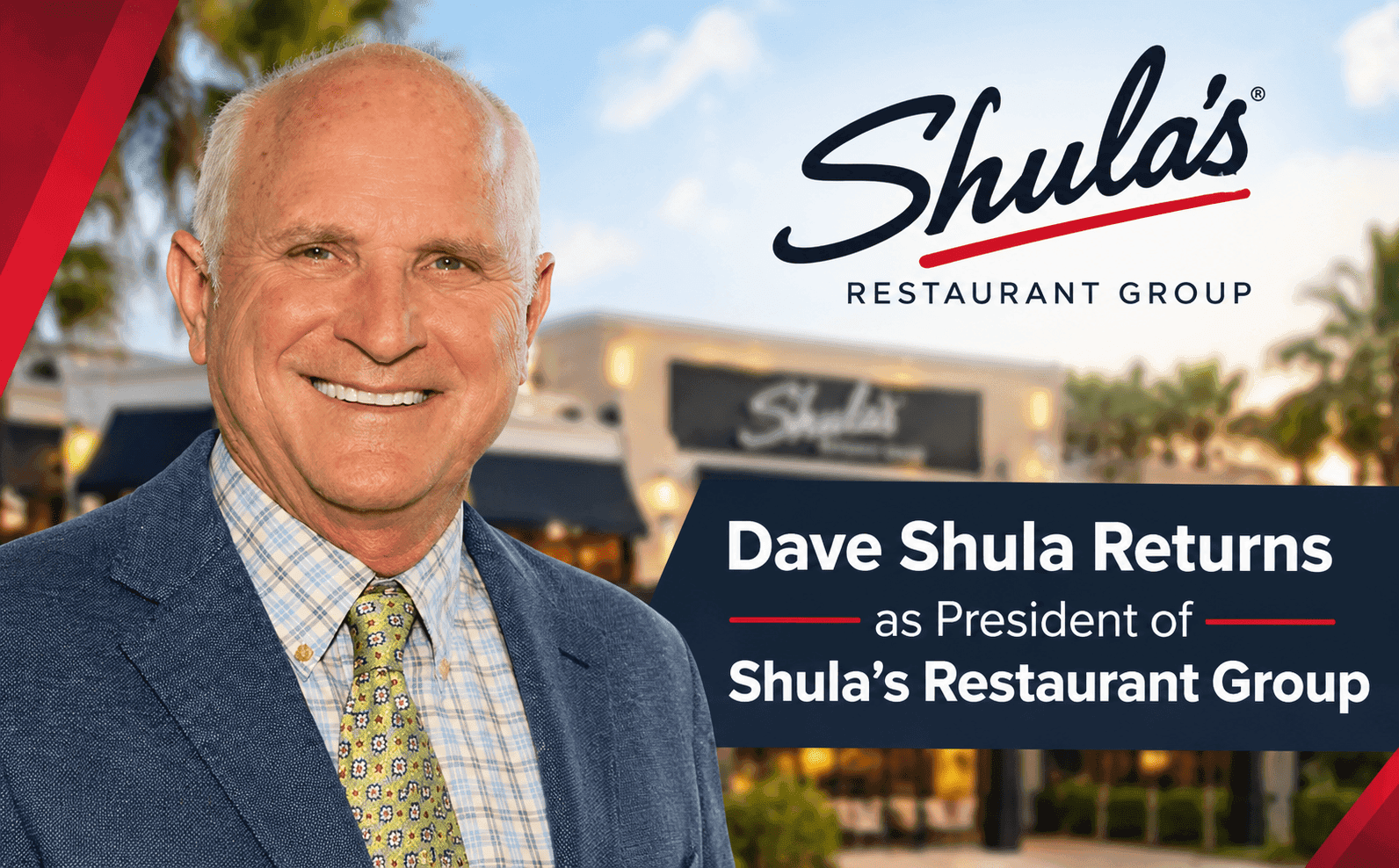
Dave Shula rejoins Shula's Restaurant Group as president, leading growth into Palm Beach Gardens and a 2027 Thomasville, Georgia expansion.
Sep 23, 2026

McDonald's commits $8.5 billion through 2036 to modernize restaurants, boost cash flow by $100,000 per store, and grow chicken and beverage sales.
Sep 23, 2026

WKS Restaurant Group promotes Jay Spongberg to president and COO after he helped grow the company from 65 to 382 restaurants over 16 years.
Sep 23, 2026

Smokey Mo's BBQ names Von Dawson, a Dine Brands veteran, as VP of Franchise Development to lead its Texas expansion strategy.
Sep 23, 2026
.png&w=3840&q=70)
Meritage Hospitality's Chapter 11 filing pulls 5% of Wendy's U.S. stores into bankruptcy, exposing cracks in franchising's bigger-is-safer bet.
Sep 21, 2026
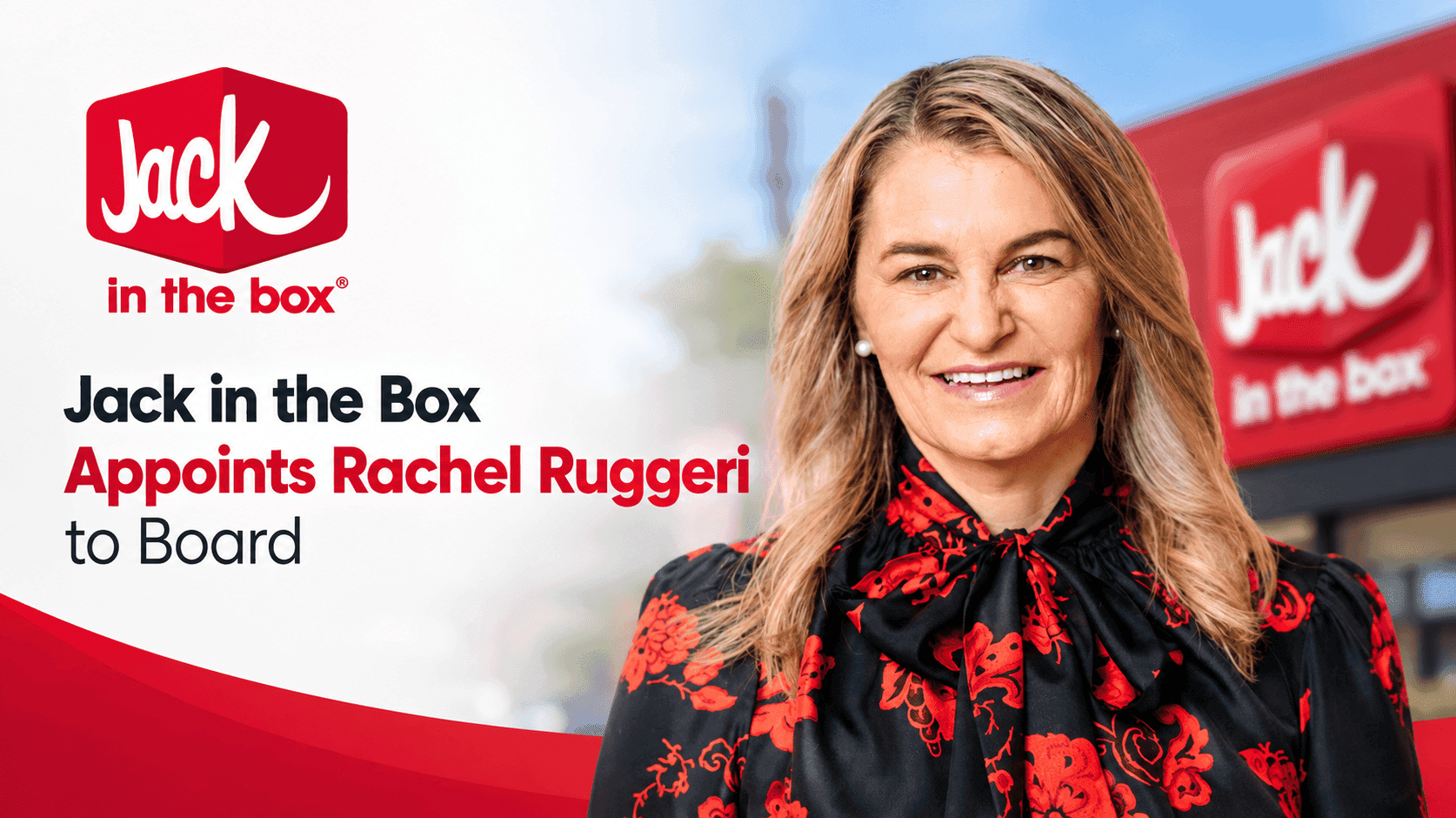
Jack in the Box names Rachel Ruggeri to its board as Michael Murphy retires, amid a CEO transition and deal with investor GreenWood.
Sep 21, 2026

Improve restaurant Google Maps rankings by optimizing your business profile, selecting accurate categories, gathering reviews, adding photos, and strengthening local relevance signals.
Sep 21, 2026

Unlock Exclusive Access To Webinars, Events, And The Latest News For Free!
Avoiding hiring mistakes helps restaurant owners reduce turnover, control labor costs, improve staffing decisions, and build stronger, more reliable teams.

Hiring the right employees is one of the most important responsibilities restaurant owners and managers handle. Restaurants depend on cooks, servers, hosts, bartenders, dishwashers, supervisors, and other employees to keep daily operations running smoothly. When the hiring process is rushed or inconsistent, a poor hiring decision can create problems that extend far beyond an open position. Restaurant hiring mistakes can increase costs in several ways. When an employee leaves shortly after being hired, the restaurant may need to spend additional time advertising the position, reviewing applications, conducting interviews, completing paperwork, and training another employee. Managers may also need to cover open shifts or schedule overtime while searching for a replacement. The impact can also reach restaurant operations. A new employee who is not prepared for the responsibilities of the role may struggle with productivity, food preparation, customer service, teamwork, or following established procedures. Other employees may need to spend more time correcting mistakes or covering unfinished work, which can add pressure to an already busy team. Restaurant owners can reduce hiring risks by establishing clear job requirements, asking consistent interview questions, communicating expectations early, and creating a structured onboarding process. A more deliberate approach can help restaurants make stronger hiring decisions while reducing unnecessary recruiting, training, scheduling, and labor costs.
estaurant owners often feel pressure to hire quickly when they are short-staffed. An open position can leave managers covering shifts, employees working additional hours, and service teams operating with fewer people than they need. While filling the position quickly may seem like the fastest solution, rushing the hiring process can create even more problems. Hiring too quickly may cause managers to skip important steps such as reviewing applications carefully, asking structured interview questions, checking availability, or confirming whether the candidate understands the responsibilities of the job. This increases the risk of hiring someone who is not prepared for the role or whose schedule does not match the restaurant's needs. A rushed hire can become expensive if the employee leaves shortly after starting. The restaurant may have to repeat the entire hiring process, including recruiting, interviewing, paperwork, training, and scheduling. Existing employees may also need to cover shifts while a replacement is found. Restaurant owners can reduce this risk by creating a simple, repeatable hiring process before staffing problems become urgent. This process should include - 1. Define the position clearly. Identify the responsibilities, required skills, schedule, and availability needed. 2. Use basic screening criteria. Review applicants based on consistent requirements instead of hiring the first available person. 3. Conduct structured interviews. Ask candidates similar job-related questions so managers can compare responses fairly. 4. Confirm availability early. Make sure the candidate can consistently work the shifts the restaurant needs. 5. Avoid making immediate decisions under pressure. When possible, compare multiple qualified candidates before extending an offer. The goal is to prevent staffing urgency from turning into repeated hiring, training, and turnover costs.
A job description is often a candidate's first introduction to a restaurant position. If the description is vague, incomplete, or inaccurate, the restaurant may attract applicants who do not understand the role or cannot meet its requirements. For example, a posting that simply says hiring kitchen staff does not explain whether the employee will prepare food, operate equipment, clean workstations, receive deliveries, or work closing shifts. Candidates may apply without realizing what the job actually involves, which can lead to mismatched expectations after hiring. Restaurant owners can improve job descriptions by clearly explaining the most important parts of the position. 1. List the main responsibilities. Describe the duties employees will perform during a typical shift. 2. State required availability. Include expectations for nights, weekends, holidays, opening shifts, or closing shifts when relevant. 3. Explain experience and skill requirements. Separate qualifications that are required from those that are simply preferred. 4. Clarify physical demands. Mention standing for long periods, lifting requirements, or working in hot kitchen environments when they are essential to the role. 5. Communicate compensation clearly. Include pay information where appropriate and explain whether the position may involve tips, benefits, or other compensation. 6. Keep the description accurate. Avoid making the role sound easier, more flexible, or more senior than it actually is just to attract more applicants. Clear job descriptions help candidates determine whether the position fits their skills, availability, and expectations before they apply. This can reduce unsuitable applications, improve interview quality, and lower the risk of employees leaving soon after they discover that the actual job is different from what they expected.

Previous restaurant experience can be valuable, but relying on it too heavily can cause owners to overlook candidates who may be a better long-term fit. A person may have years of experience but still struggle with reliability, teamwork, communication, or adapting to the restaurant's procedures. At the same time, a candidate with limited restaurant experience may have strong customer service skills, a willingness to learn, and the ability to perform well after proper training. For many entry-level positions, these qualities can be just as important as previous industry experience. Restaurant owners should evaluate candidates using a broader set of criteria. 1. Separate required skills from trainable skills. Determine which abilities employees must have before starting and which can be taught during onboarding. 2. Evaluate reliability. Ask questions about attendance, scheduling commitments, and how candidates handle responsibilities. 3. Look for strong communication skills. Restaurant employees need to communicate clearly with coworkers, managers, and customers throughout each shift. 4. Assess willingness to learn. Candidates who accept feedback and adapt quickly may perform better than experienced applicants who resist new procedures. 5. Consider the demands of the role. Evaluate whether the candidate can handle the pace, responsibilities, and working conditions associated with the position. Experience should remain part of the hiring decision, especially for specialized or management roles, but it should not become the only deciding factor. Restaurant owners can make stronger hiring decisions by considering experience alongside reliability, attitude, communication, and the ability to learn. A balanced approach also expands the available candidate pool. Instead of automatically rejecting applicants without restaurant backgrounds, owners can identify people with transferable skills from retail, hospitality, customer service, or other fast-paced environments. This can help restaurants find capable employees without unnecessarily limiting their hiring options.
A candidate may appear qualified for a restaurant position but still be a poor fit if their availability does not match the shifts the restaurant needs to cover. Failing to confirm availability early can lead to scheduling conflicts, understaffed shifts, frequent shift swaps, and frustration for both managers and employees. Restaurant schedules often require coverage during evenings, weekends, holidays, opening shifts, and closing shifts. If these expectations are not discussed before hiring, owners may discover after the employee starts that they cannot consistently work the required schedule. Restaurant owners can avoid this hiring mistake by discussing availability clearly during the application and interview process. 1. Ask for specific availability. Instead of asking whether a candidate is flexible, ask which days and hours they can consistently work. 2. Confirm peak-period availability. Determine whether the candidate can work during the restaurant's busiest meal periods, weekends, or seasonal demand. 3. Discuss recurring commitments. School schedules, second jobs, childcare responsibilities, or other regular commitments may affect availability. 4. Explain scheduling expectations. Let candidates know whether schedules change weekly, how far in advance they are posted, and whether employees may be expected to work holidays. 5. Document agreed availability. Keeping a clear record can help managers build schedules and prevent misunderstandings later. Availability should be treated as an important hiring requirement rather than something to resolve after an offer is accepted. A highly qualified candidate who cannot work the shifts a restaurant needs may create more scheduling problems than they solve. By confirming availability before making a hiring decision, restaurant owners can improve schedule coverage, reduce last-minute staffing issues, and select employees whose schedules better align with the needs of the business.
An informal interview may feel faster, but it can make hiring decisions inconsistent. If managers ask every candidate different questions, focus too heavily on casual conversation, or rely mainly on first impressions, it becomes harder to compare applicants fairly. A structured interview gives restaurant owners a consistent way to evaluate whether candidates can perform the role. It also helps managers focus on job-related qualifications instead of making decisions based on personality alone. Restaurant owners can improve interviews by following a few basic steps - 1. Use consistent questions. Ask candidates applying for the same position a similar set of questions so their answers can be compared more easily. 2. Focus on job-related situations. Ask how candidates would handle busy shifts, customer complaints, teamwork problems, schedule changes, or competing priorities. 3. Create role-specific criteria. A server interview should evaluate communication and customer service, while a kitchen interview may focus more on speed, organization, food safety, and following procedures. 4. Use a simple interview scorecard. Managers can rate areas such as experience, reliability, availability, communication, and role-specific skills. 5. Take notes during the interview. Written notes make it easier to review candidates later instead of relying on memory. 6. Avoid decisions based only on first impressions. Confidence or friendliness can be positive qualities, but they do not always indicate whether someone will be reliable or effective in the role. A structured interview does not need to be lengthy or complicated. Even a short list of standardized questions and evaluation criteria can improve consistency. By using the same process for each candidate, restaurant owners can make more informed hiring decisions and reduce the risk of choosing someone who does not meet the needs of the position.

Restaurant owners sometimes overlook warning signs because they need to fill an open position quickly. However, ignoring legitimate concerns during the application or interview stage can lead to attendance problems, poor performance, scheduling conflicts, or another round of hiring shortly after the employee starts. The goal is not to eliminate candidates for minor issues. Instead, managers should identify job-related concerns and ask follow-up questions before making a decision. 1. Pay attention to communication. Repeatedly missed messages, unclear responses, or difficulty following basic application instructions may indicate future communication problems. 2. Notice punctuality and preparation. Arriving significantly late without explanation or showing little understanding of the position may be worth discussing during the interview. 3. Clarify inconsistencies. If dates, responsibilities, or other details differ between an application and interview, ask the candidate to explain rather than making assumptions. 4. Discuss frequent job changes. Short periods of employment are not automatically a problem, but understanding why the candidate changed jobs can provide useful context. 5. Watch for unrealistic expectations. Confirm that the candidate understands the restaurant's pay structure, schedule, responsibilities, and working conditions. 6. Keep evaluations job-related. Managers should focus on factors that directly affect a candidate's ability to perform the position and avoid decisions based on stereotypes, protected characteristics, or personal preferences unrelated to the job. Red flags should lead to better questions, not automatic rejection. A candidate may have a reasonable explanation for an employment gap, schedule change, or previous short-term position. By investigating concerns consistently and objectively, restaurant owners can make better-informed decisions while reducing the risk of hiring someone whose expectations, availability, or work habits do not match the role.
Skipping reference or qualification checks can save time during hiring, but it may also increase the risk of bringing someone into the restaurant who does not meet the requirements of the role. For positions involving management responsibilities, food safety certifications, driving, cash handling, or specialized kitchen skills, verification can be especially important. Restaurant owners should use a consistent process to confirm important information before finalizing a hire. 1. Verify relevant work history. When appropriate, confirm previous positions, responsibilities, and employment dates to make sure the information provided by the candidate is accurate. 2. Check professional references. References may provide additional information about reliability, teamwork, communication, and previous job performance. 3. Confirm required certifications. Make sure candidates have any licenses, food safety credentials, or other certifications required for the position. 4. Validate specialized skills. For roles that require specific technical abilities, consider using practical questions or skills assessments rather than relying only on what appears on a resume. 5. Follow a consistent verification process. Establish which checks apply to each type of position so managers do not apply different standards to similar candidates. 6. Complete checks before the employee starts when possible. Waiting until after onboarding can create unnecessary complications if required information cannot be verified. Not every restaurant position requires an extensive screening process. Owners should focus on verifying information that directly relates to the responsibilities and requirements of the job. A few additional verification steps can help prevent costly hiring mistakes. By confirming qualifications before making a final decision, restaurant owners can reduce the risk of retraining, replacing employees, or discovering after hiring that someone cannot perform an essential part of the role.
A candidate can have the right experience and still struggle if their working style does not match the demands of the position. Restaurant jobs often require employees to communicate quickly, handle pressure, switch between tasks, and work closely with others during busy shifts. Restaurant owners should evaluate whether each candidate is suited to the specific role rather than simply deciding whether they seem like a good person to hire. 1. Match candidates to the pace of the job. Some positions require employees to make quick decisions and stay organized during high-volume periods. 2. Evaluate teamwork skills. Restaurant employees depend on one another, so candidates should be comfortable communicating, sharing responsibilities, and responding to feedback. 3. Consider customer interaction. Front-of-house roles may require patience, clear communication, and the ability to handle difficult customer situations professionally. 4. Review attention to detail. Kitchen, inventory, cash-handling, and food safety responsibilities may require employees to follow procedures carefully and consistently. 5. Assess adaptability. Restaurant shifts can change quickly. Candidates who can adjust to new priorities may be better prepared for the realities of daily operations. 6. Avoid hiring based on personality alone. A friendly or outgoing candidate may make a strong first impression, but personality should not replace an evaluation of job-related abilities. Team fit should also be handled carefully. It should not mean hiring people who simply resemble existing employees or share the same interests. Instead, owners should focus on whether candidates can communicate effectively, respect workplace standards, and perform their responsibilities within the restaurant environment. By matching people to the actual demands of each position, restaurant owners can reduce performance problems and improve the likelihood that new employees will succeed after hiring.
Candidates need a clear understanding of what a restaurant job involves before they accept an offer. If pay, scheduling, responsibilities, or performance expectations are unclear, new employees may quickly discover that the position is different from what they expected. Misunderstandings at this stage can lead to dissatisfaction, scheduling conflicts, poor performance, and early turnover. Restaurant owners can reduce these problems by discussing important job details before the employee starts. 1. Explain compensation clearly. Review the hourly wage or salary, tip structure, pay frequency, and any applicable benefits or incentives. 2. Discuss scheduling expectations. Clarify expected shifts, weekend requirements, holiday availability, schedule changes, and how far in advance schedules are typically posted. 3. Define the employee's responsibilities. Explain the primary duties of the role along with any secondary responsibilities the employee may be expected to perform. 4. Set attendance standards. Make expectations around punctuality, absences, shift coverage, and call-out procedures clear from the beginning. 5. Explain performance expectations. New hires should understand how their work will be evaluated, including standards related to customer service, food safety, productivity, teamwork, or accuracy. 6. Provide important policies in writing. Written job offers, employee handbooks, onboarding documents, and workplace policies can help reduce misunderstandings. Clear communication should begin during recruiting and continue through onboarding. Candidates should have enough information to decide whether the position matches their expectations before accepting it. When restaurant owners are transparent about compensation, schedules, responsibilities, and workplace standards, they can reduce surprises after hiring. This helps establish realistic expectations from the start and lowers the risk of spending additional time and money replacing employees who leave because the job was not what they expected.
Hiring does not end when a candidate accepts the job. A weak onboarding process can turn a good hiring decision into an expensive mistake if new employees are expected to learn the role without enough structure, training, or support. Restaurant employees often need to learn multiple procedures quickly, including food safety requirements, customer service standards, POS systems, cleaning routines, opening and closing tasks, and workplace policies. Without a clear onboarding process, new hires may become confused, make avoidable mistakes, or leave before they become fully productive. Restaurant owners can strengthen onboarding by focusing on several areas - 1. Prepare before the first shift. Complete necessary paperwork, create system access, prepare uniforms or equipment, and make sure managers know when the employee is starting. 2. Provide a structured orientation. Introduce workplace policies, scheduling procedures, safety requirements, communication expectations, and restaurant standards. 3. Use a training checklist. Outline the skills, systems, and procedures the employee needs to learn so important topics are not overlooked. 4. Assign clear training responsibilities. Identify which manager or experienced employee is responsible for teaching specific tasks. 5. Set expectations for the first few weeks. Explain what the new hire should be able to accomplish at different stages of training. 6. Schedule regular check-ins. Ask new employees where they need additional support and address performance concerns before they become larger problems. Onboarding also gives restaurant owners an opportunity to confirm whether the employee and position are a good match. Managers can observe progress, reinforce expectations, and provide additional training where needed. A structured onboarding process helps new employees become productive more quickly while reducing confusion and preventable turnover. By treating onboarding as part of the hiring process, restaurant owners can protect the time and money already invested in recruiting and selecting each employee.
