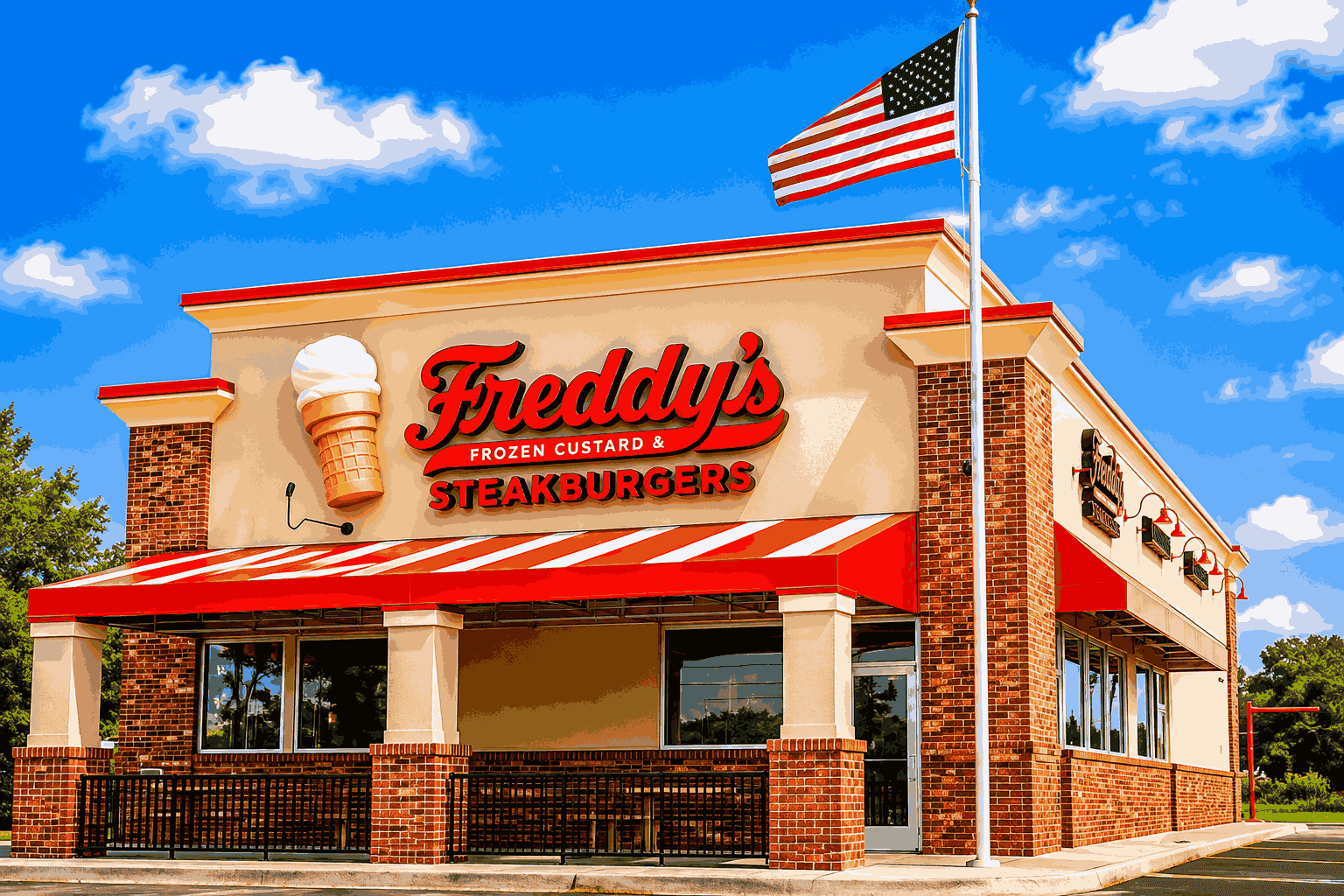
Culinary Leadership Shapes Freddy’s Future
Freddy’s Frozen Custard & Steakburgers promotes Rick Petralia to Executive Chef & VP of Training & Innovation, signaling a strategic focus on culinary excellence and franchisee support.
News
Aug 12, 2026
Freddy’s Frozen Custard & Steakburgers promotes Rick Petralia to Executive Chef & VP of Training & Innovation, signaling a strategic focus on culinary excellence and franchisee support.
Aug 12, 2026

McDonald’s USA has appointed Patrick Gerber as chief restaurant officer, leveraging his decades of global experience to boost operations, food quality, and customer satisfaction in the U.S. market.
Aug 11, 2026
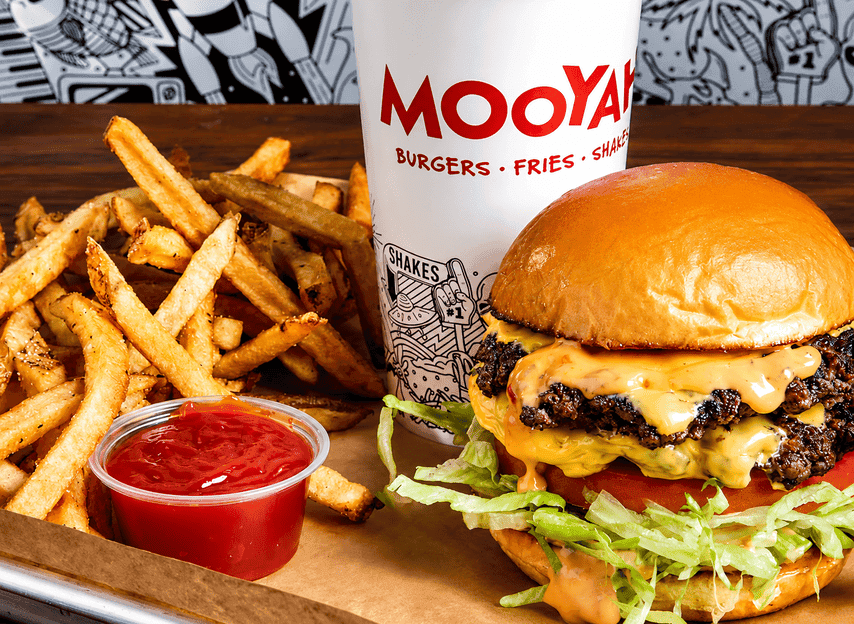
MOOYAH Burgers, Fries & Shakes partners with Great USA Foods LLC to launch a master franchise in the UAE, accelerating international expansion into Dubai and Abu Dhabi. Learn the impact for restaurant owners and growth lessons.
Aug 12, 2026
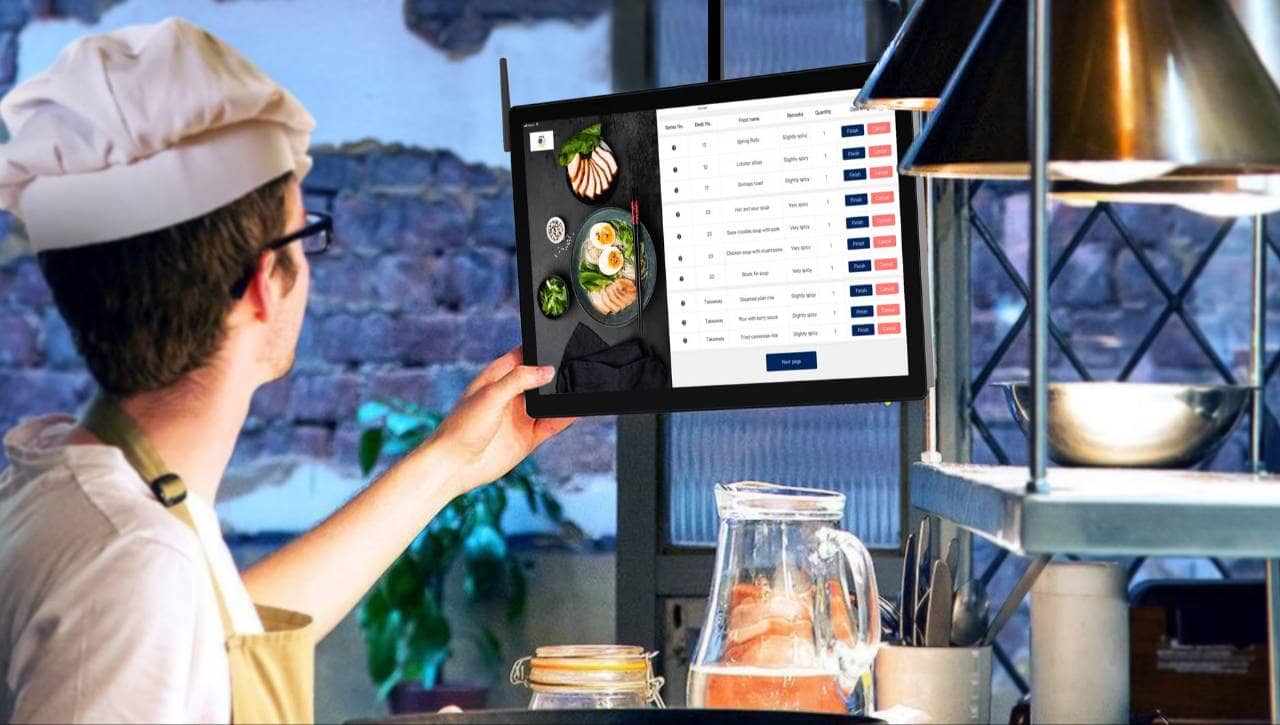
See how a kitchen display system supports faster service, better communication, accurate orders, organized workflows, and improved kitchen performance management.
Aug 10, 2026
Red Robin welcomes marketing veteran Scott Hudler as its new CMO, aiming to revitalize brand strategy and guest engagement during a critical turnaround phase.
Aug 11, 2026
Discover how a Zaxbys team member's creative marketing efforts earned her an executive role, and what the move shows about employee-driven branding in restaurants.
Aug 11, 2026

Avoiding hiring mistakes helps restaurant owners reduce turnover, control labor costs, improve staffing decisions, and build stronger, more reliable teams.
Aug 10, 2026
With traffic and sales slipping, Wendy’s new CEO Bob Wright sets a bold multi-pronged plan to restore food quality, brand value, and operational execution.
Aug 10, 2026

Explore practical ways to manage restaurant overhead costs while protecting service quality, employee productivity, food standards, and long-term profitability goals.
Aug 7, 2026

Get more restaurant reviews by creating memorable experiences, asking customers at the right time, simplifying feedback, and monitoring review performance.
Aug 7, 2026
Learn proven strategies to build a resilient restaurant management team on a tight budget. Discover actionable frameworks restaurant owners use to grow without breaking the bank.
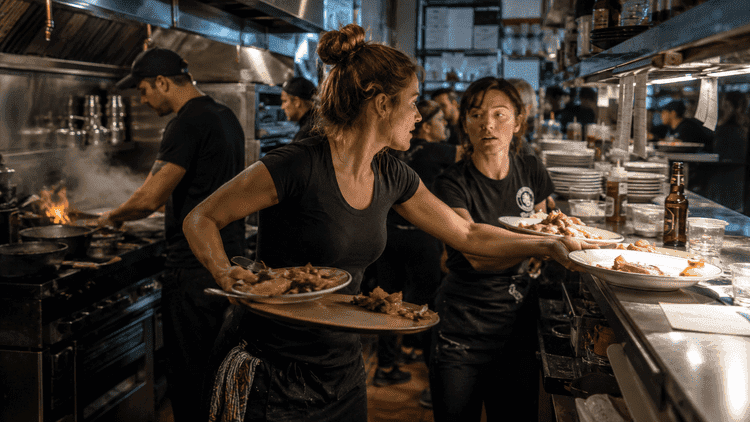
Picture this scenario- It is 11 PM on a Saturday. The kitchen is finally closed, the dish pit is catching up, and you are sitting in the back office staring at a stack of resumes. Your General Manager just put in their two weeks' notice, and the reality of the current labor market is staring you in the face. The candidates you want to hire are demanding $85,000 base salaries, full benefits, and signing bonuses. You pull up your Profit & Loss (P&L) statement, look at your razor-thin single-digit margins, and realize the math simply does not work. If you pay that salary, your restaurant’s profitability vanishes. If you don't hire someone, you will be stuck working 80 hours a week until you burn out and hand the keys back to the landlord. This is the ultimate bottleneck for independent operators and growing multi-unit groups alike. Fortunately, there is a strategic way out. Understanding how to build a management team when you can't afford to hire big is the defining skill that separates stressed-out restaurant operators from true, scalable business owners. You do not need an endless payroll budget to create an effective leadership structure. You need a paradigm shift. Let’s break down exactly how to construct a resilient, high-performing management team using the resources you already have.
The traditional restaurant management model relying on one or two highly paid, salaried General Managers to run every aspect of the building is fundamentally broken for independent operators. First, restaurant margins have never been tighter. With the rising costs of Cost of Goods Sold (COGS), utilities, and commercial rent, most operations are running on a 5% to 10% net profit margin. Adding a massive, fixed administrative overhead cost without a guaranteed, immediate spike in gross sales is a proven recipe for cash flow disaster. Second, the "superhero GM" model creates a single point of failure. If your highly paid GM gets sick, quits, or is poached by a corporate chain down the street, your entire operation grinds to a halt. You lose all institutional knowledge overnight. Business Insights - "Restaurant industry data shows that replacing a salaried general manager can cost a business up to 200% of their annual salary in lost productivity, recruiting, and training. Furthermore, independent operators generally target Prime Costs (food plus labor) below 65% to remain profitable, making $85k base salaries mathematically impossible for many small venues without drastically raising menu prices." Learning how to build a management team when you can't afford to hire big mitigates this risk by distributing responsibility. It transitions your business from relying on one expensive superhero to relying on a decentralized, cross-trained bench of leaders. This protects your margins, reduces your personal hours on the floor, and creates a scalable foundation for when you are finally ready to open location number two or three.
Building a leadership bench on a budget requires breaking down the traditional management role into digestible, affordable pieces. Here is the step-by-step framework seasoned consultants use to restructure struggling restaurants. Step 1- Deconstruct the "Management" Role A General Manager doesn't just "manage." They execute a highly specific series of recurring administrative and operational tasks. They count the liquor inventory, process payroll, submit the broadline food orders, build the weekly floor schedule, balance the POS cash drawers, and handle guest complaints. When you can't afford a $80,000 GM, you must deconstruct these tasks- The Action - Perform a time audit. Write down every single administrative and operational task required to run the restaurant that does not actually require the owner's legal signature. The Strategy - Break the giant, intimidating "Management" boulder into small, delegatable pebbles. You don't need to hire a salaried executive to do the produce order; you just need to train your lead line cook to do it correctly on Tuesday mornings. Step 2- Identify High-Potential Internal Talent Your future management team is likely already on your payroll; they are just currently wearing aprons. You must look past your top sellers and fastest cooks to find the staff who naturally possess emotional intelligence and organizational skills- The Action - Observe your team during the Friday night rush. Who naturally steps in to help a struggling server run food? Who stays an extra ten minutes to make sure the side-work is actually complete without being asked? Who handles a rude customer with de-escalation tactics instead of defensiveness? The Strategy - Identify the employees who already exhibit leadership traits. These are your future keyholders. It is significantly cheaper (and less risky) to teach an empathetic server how to read a P&L than it is to teach an arrogant, outside-hire GM how to care about your guests. Step 3- Implement Tiered Micro-Promotions You do not need to instantly put someone on a $60,000 salary to make them a manager. In fact, due to labor laws, doing so is often a massive mistake. Instead, utilize micro-promotions- The Action - Create an intermediate "Shift Lead" or "Keyholder" tier. Offer a trusted employee the responsibility of opening or closing the restaurant. The Strategy - When they are working a regular serving or cooking shift, they make their standard hourly rate. But when they are performing administrative duties doing the cash drop, locking the doors, running the pre-shift meeting they get a $3 to $5 per hour pay bump for those specific hours. You gain immediate coverage for opening and closing procedures without committing to a massive, fixed annual salary, and the employee gets resume-building leadership experience. Step 4- Substitute High Base Salaries with Performance-Based Profit Sharing If you cannot offer a massive base salary up front, you must offer skin in the game. Hospitality professionals are inherently driven by hustle and reward- The Action - Tie their compensation directly to the controllable metrics of the restaurant. If you promote a Kitchen Manager, do not just give them a flat raise. Give them a baseline raise, plus a bonus structure tied to food cost. The Strategy - Tell your new Kitchen Manager- "Our target Cost of Goods Sold is 28%. If you run a tight kitchen, reduce waste, and bring our food cost down to 26% this quarter, I will give you 20% of the total cash savings." This creates a self-funding raise. You are only paying them extra money when they have explicitly generated extra money for the restaurant. Step 5- Leverage Non-Monetary "Quality of Life" Perks Corporate restaurant groups can offer massive salaries, but they also demand 60-hour work weeks, rotating clopens (closing the bar at 2 AM and opening it at 9 AM), and severe burnout. As an independent operator, your greatest currency is flexibility and humanity- The Action - Offer unbeatable quality-of-life perks that cost you zero actual dollars. Guarantee your management team two consecutive days off every week. Post schedules three weeks in advance so they can plan their lives. Close the restaurant on a major holiday like Thanksgiving to guarantee them family time. The Strategy - Create a work environment that is so respectful of their physical and mental health that an extra $10,000 a year from a corporate competitor simply isn't worth the misery of leaving your team.
Consider the case of a two-unit taco and tequila concept in the Midwest. The owner was working 70 hours a week bouncing between the two locations and was desperate for a Director of Operations. Market rates for that role were $90,000 money the business did not have. Instead of taking on debt to hire an executive, the owner applied the principles of how to build a management team when you can't afford to hire big. They audited the required tasks and promoted three existing hourly employees to "Shift Supervisors."
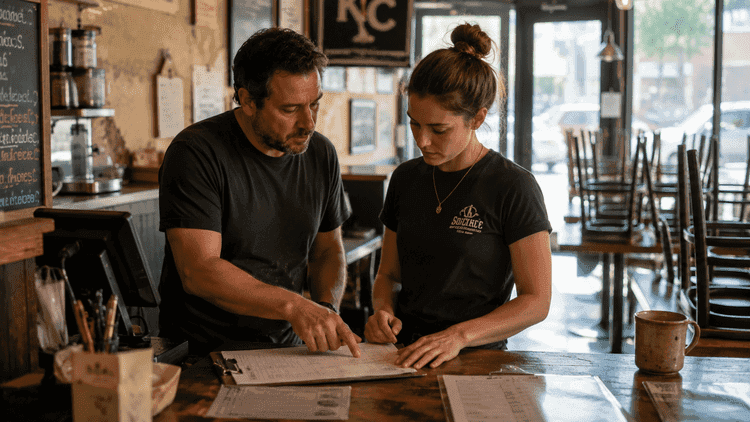
Restructuring your leadership bench is a delicate process. Even well-intentioned operators stumble into these notorious traps. Avoid them at all costs. Promoting the Best Producer Instead of the Best Leader Your best line cook the one who can flawlessly run the grill on a Friday night while pushing out 300 covers is rarely your best Kitchen Manager. Cooking is a technical skill. Management is a people skill. If you take your best cook off the line and force them to do inventory, schedule dishwashers, and mediate staff disputes, they will likely become miserable, the kitchen will fall apart, and they will quit. Promote based on communication, patience, and organizational skills, not just pure speed on the floor. The Salary vs. Hourly Legal Trap (FLSA Violations) Many owners try to save money by promoting an hourly shift lead to a low salary (e.g., $40,000 a year) and then working them 55 hours a week to avoid paying overtime. This is a massive legal liability. The Fair Labor Standards Act (FLSA) has strict federal (and state-specific) salary thresholds and duties tests that determine if an employee is legally exempt from overtime. If your manager spends more than half their shift cooking or serving tables, they likely cannot be classified as exempt. A single wage-and-hour lawsuit will bankrupt an independent restaurant. Keep your junior managers hourly until you can afford to meet the strict legal requirements for salaried management. The "Helicopter Owner" (Micromanagement) You finally assign the ordering duties to your new floor manager. But on Tuesday morning, you log into the vendor portal, second-guess their produce order, delete two cases of romaine lettuce, and submit it yourself without telling them. You have just completely undermined their authority. If you delegate a task, you must delegate the authority to execute it, which includes allowing them to make survivable mistakes. If you hover over their shoulder and fix everything, they will stop trying, and you will be right back to working 80 hours a week.
Knowledge without execution is just trivia. To transform your restaurant from a chaotic daily grind into a predictable, scalable business, you need to take action. Use this checklist to begin structuring your affordable leadership team this week-
Stepping away from the daily grind of your own dining room is terrifying. Your restaurant is your livelihood, and trusting someone else to watch over it requires a massive leap of faith. However, you cannot grow a business if you are trapped working inside of it. By investing in your current staff, breaking down responsibilities, and rewarding performance over titles, you build a fiercely loyal leadership team that grows alongside your bottom line. You insulate yourself from the volatile labor market, and you finally build a business that serves you, rather than you serving it. Ready to dive deeper into operational excellence? For more strategic advice, downloadable SOP templates, and expert financial frameworks designed specifically for independent operators, explore the comprehensive tools available in the Resources and Academy section of RestaurantAssociation.com. Build your knowledge, build your team, and build your legacy.