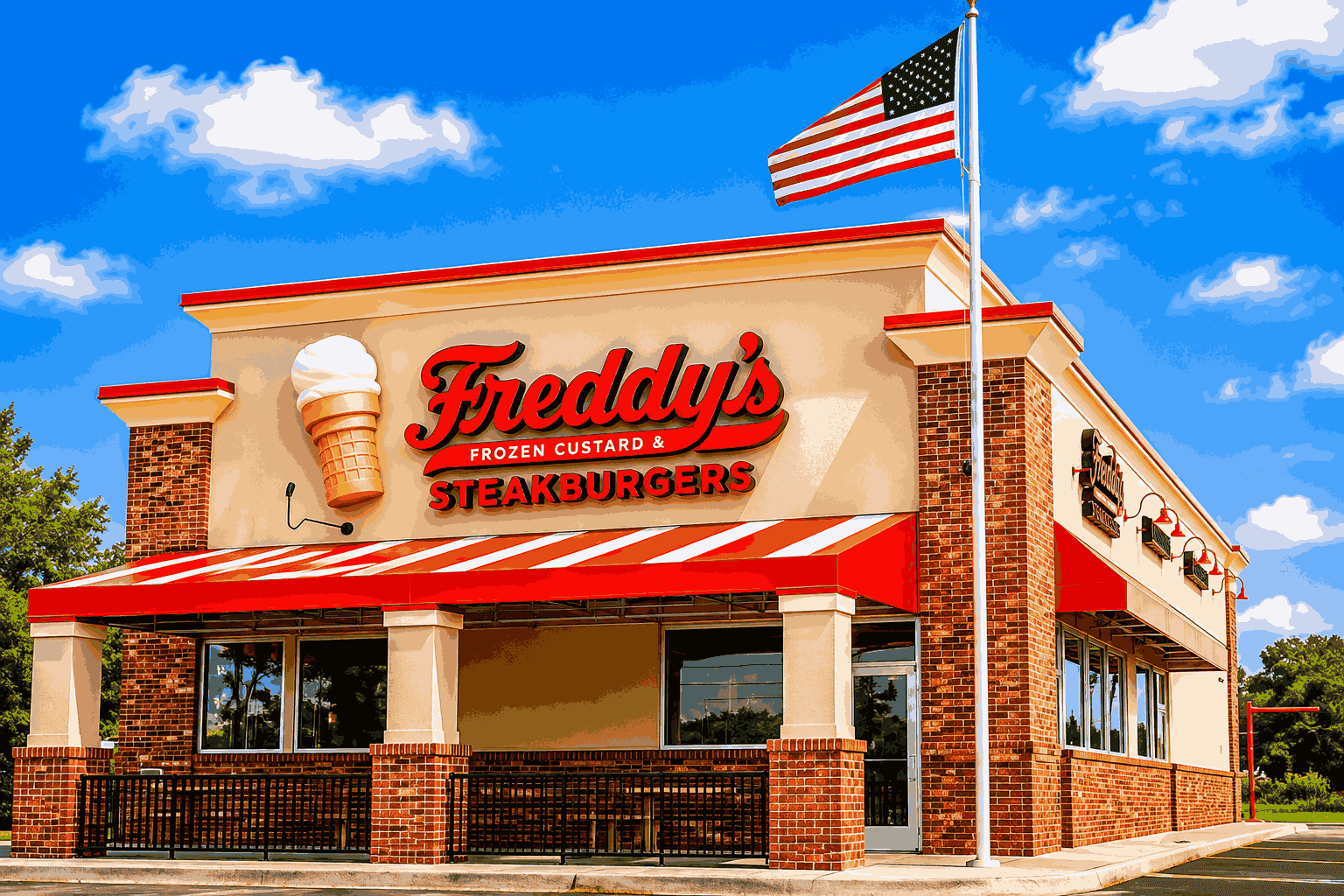
Culinary Leadership Shapes Freddy’s Future
Freddy’s Frozen Custard & Steakburgers promotes Rick Petralia to Executive Chef & VP of Training & Innovation, signaling a strategic focus on culinary excellence and franchisee support.
News
Aug 12, 2026
Freddy’s Frozen Custard & Steakburgers promotes Rick Petralia to Executive Chef & VP of Training & Innovation, signaling a strategic focus on culinary excellence and franchisee support.
Aug 12, 2026
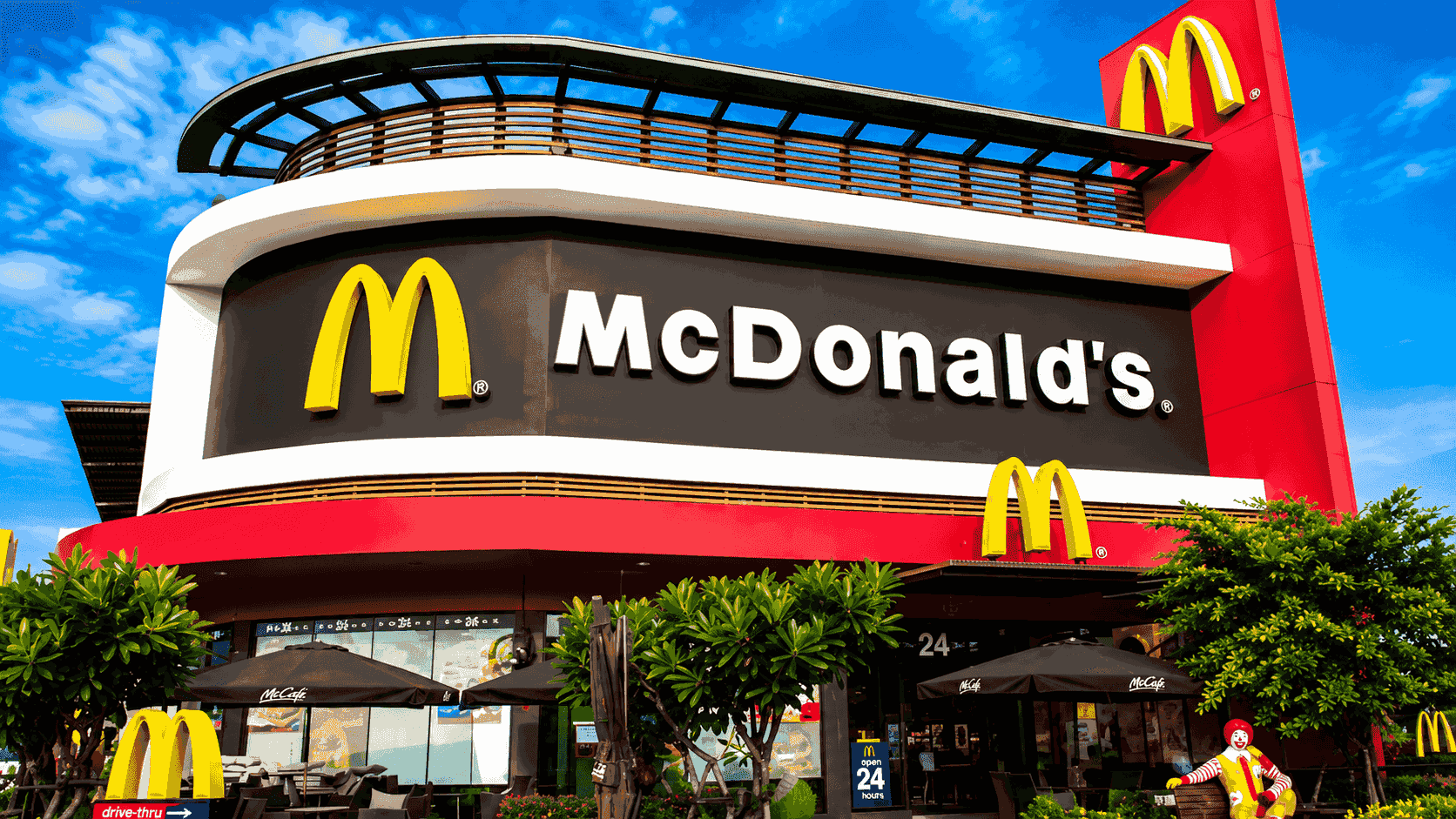
McDonald’s USA has appointed Patrick Gerber as chief restaurant officer, leveraging his decades of global experience to boost operations, food quality, and customer satisfaction in the U.S. market.
Aug 11, 2026
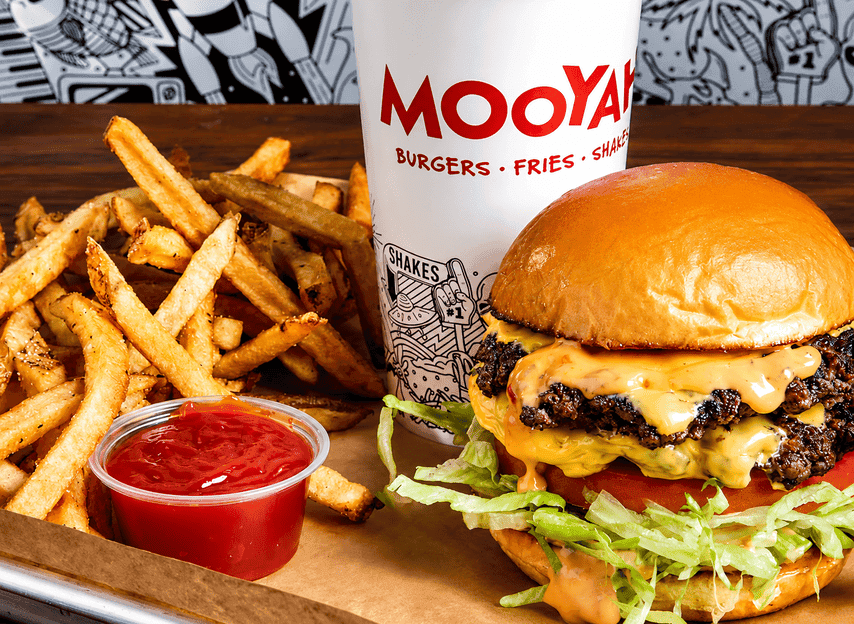
MOOYAH Burgers, Fries & Shakes partners with Great USA Foods LLC to launch a master franchise in the UAE, accelerating international expansion into Dubai and Abu Dhabi. Learn the impact for restaurant owners and growth lessons.
Aug 12, 2026
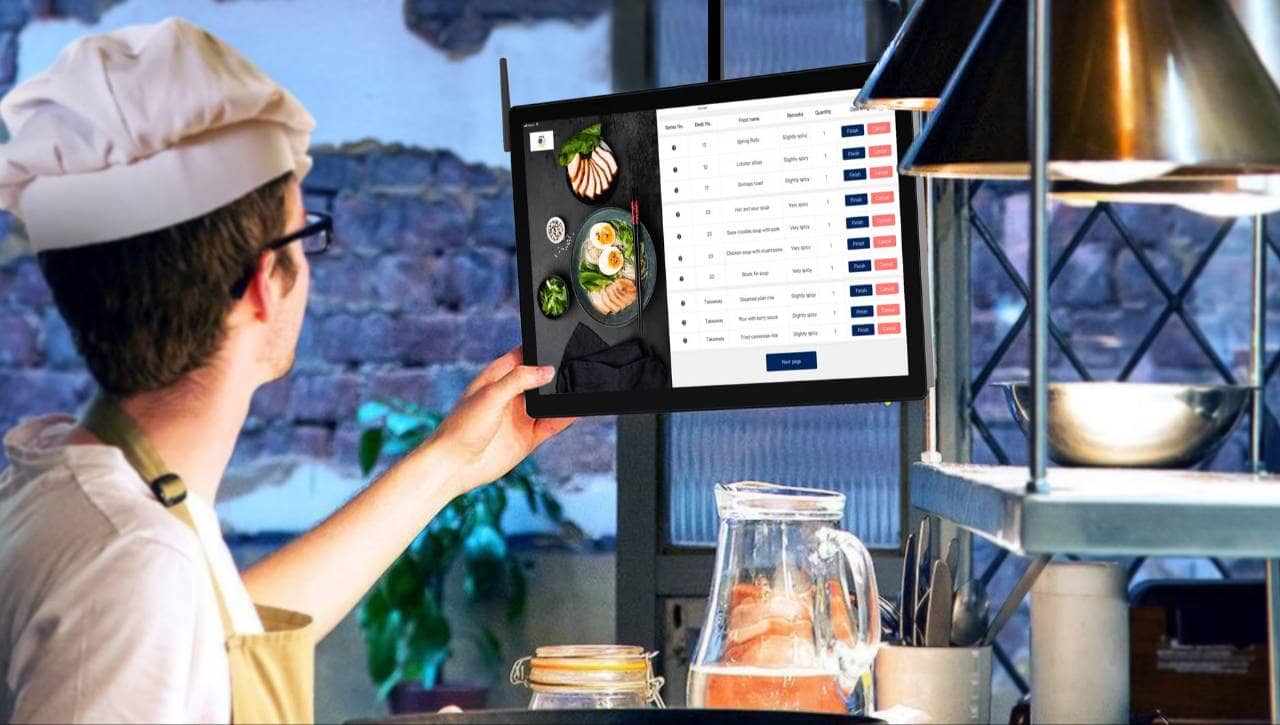
See how a kitchen display system supports faster service, better communication, accurate orders, organized workflows, and improved kitchen performance management.
Aug 10, 2026
Red Robin welcomes marketing veteran Scott Hudler as its new CMO, aiming to revitalize brand strategy and guest engagement during a critical turnaround phase.
Aug 11, 2026
Discover how a Zaxbys team member's creative marketing efforts earned her an executive role, and what the move shows about employee-driven branding in restaurants.
Aug 11, 2026

Avoiding hiring mistakes helps restaurant owners reduce turnover, control labor costs, improve staffing decisions, and build stronger, more reliable teams.
Aug 10, 2026
With traffic and sales slipping, Wendy’s new CEO Bob Wright sets a bold multi-pronged plan to restore food quality, brand value, and operational execution.
Aug 10, 2026

Explore practical ways to manage restaurant overhead costs while protecting service quality, employee productivity, food standards, and long-term profitability goals.
Aug 7, 2026

Get more restaurant reviews by creating memorable experiences, asking customers at the right time, simplifying feedback, and monitoring review performance.
Aug 7, 2026
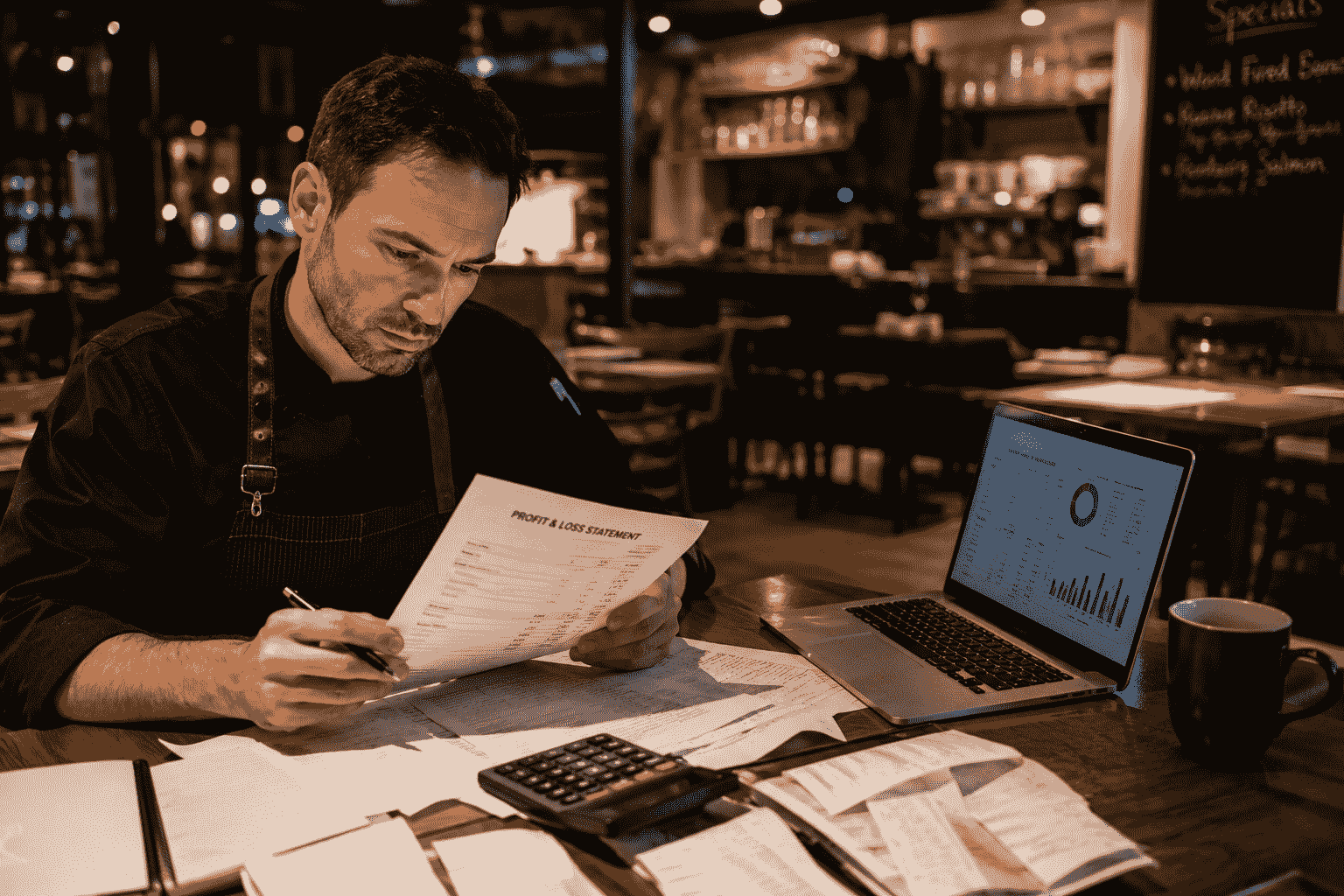
This step-by-step guide will show restaurant owners exactly how to read their profit & loss statement, spot hidden leaks, and boost profit—no finance degree required.

You know exactly how to execute a perfect dinner rush, cook a great sauce, and calm down an unhappy VIP guest before they ever think about opening Yelp. But when the end of the month rolls around and your bookkeeper emails over a spreadsheet full of confusing abbreviations, you might feel a sudden urge to go organize the walk-in cooler instead. If checking your bank account balance is your main method of tracking your finances, you are flying blind. Cash in the bank does not equal profitability. To truly take control of your business, you need to know how to read your restaurant's profit & loss statement without an accountant holding your hand. This guide is designed for the operators in the trenches. We are going to strip away the complex financial terms and break down your P&L into simple, easy-to-digest pieces. By the end of this breakdown, you will be able to look at that spreadsheet and instantly spot where your money is flowing, where it is leaking, and exactly what changes you need to make to increase your profits.
A Profit & Loss statement (often called an Income Statement or simply a P&L) is essentially your restaurant’s health check on a piece of paper. It summarizes your sales, costs, and expenses during a specific time usually a week, a month, or a year. Many independent restaurants struggle not because of weak sales, but because of inconsistent cash flow management and delayed operational adjustments. Many independent operators make the mistake of treating the P&L as a historical document, something to file away for tax season. In reality, it is a diagnostic tool. Your accountant's job is to sort the data accurately. Your job, as the owner, is to read that data and make daily business decisions. Relying entirely on an outsider to read your numbers means you miss out on real-time fixes. If the price of your main meat dish spiked in week one, waiting for an accountant’s summary in week six means you’ve already lost money for a month and a half. Understanding this document allows you to adjust menu prices, cut Tuesday afternoon labor, or negotiate with your suppliers immediately.
Think of your P&L as a funnel. At the very top, you pour in every single dollar that enters the restaurant. As that money flows down, various costs and expenses take their cut. Whatever makes it to the very bottom is what you actually get to keep. Here is how to look at each layer of that funnel.
Even when owners start looking at their financial statements, they often fall into a few predictable traps.
Transitioning from avoiding your finances to mastering them won't happen overnight. Start building these habits- Weekly -
Running a successful kitchen is an art, but running a successful restaurant is a science. The math does not lie. Once you realize that the P&L is not a report card judging your worth, but rather a map highlighting exactly where the treasure is buried in your business, you will stop dreading it. Mastering how to read your restaurant's profit & loss statement without an accountant allows you to take ownership of your financial destiny. You don't need a degree in finance; you just need to know your Prime Costs, protect your margins, and fix the small leaks before they become floods. Ready to dive deeper into protecting your restaurant's margins? Explore more templates, operational guides, and expert advice at RestaurantAssociation.com to equip your business for long-term success.