How to Build a Strong Restaurant Brand
A strong restaurant brand comes from clear values, consistent experiences, visual identity, customer focus, digital presence, and trusted service.
May 5, 2026
A strong restaurant brand comes from clear values, consistent experiences, visual identity, customer focus, digital presence, and trusted service.
May 5, 2026
Discover how constant last-minute schedule changes create workplace stress, lower employee morale, and reduce productivity. Learn why structured scheduling improves retention, communication, and overall business efficiency.
May 7, 2026
Optimize your restaurant google business profile with accurate details, posts, Q&A, attributes, reviews, and tracking to increase visibility and orders.
May 6, 2026
Clopen shifts may seem efficient, but they reduce rest, increase fatigue, and harm employee performance. Learn how back-to-back shifts impact morale, productivity, and retention and how better scheduling can improve team well-being and business outcomes.
May 6, 2026
Overloading top employees may boost short-term results but leads to burnout and turnover. Learn warning signs, business impact, and how to balance workloads effectively.
May 5, 2026
Discover operational insights, business strategies, and customer experiences drawn from Cappys Cafe in Newport Beach. Learn how this iconic breakfast and lunch spot thrives through community connection, technology, and unique hospitality.
May 5, 2026
Struggling with employee retention? Learn how unpredictable scheduling drives turnover and what you can do to create a more stable workforce.
May 4, 2026
Photo by on Unsplash
GoTo Foods blends seven iconic brands to push snacking as a growth engine, expanding dayparts, off-premise channels, and co-branding.
May 3, 2026
Mark Graff steps in as CFO to anchor Red Robin's First Choice turnaround with disciplined financial leadership.
May 3, 2026
Photo by Graphe Tween on Unsplash
Doinita Leahu redefines hospitality leadership with practical training, mentorship, and people-first systems guiding Vicious Biscuit’s growth.
May 3, 2026
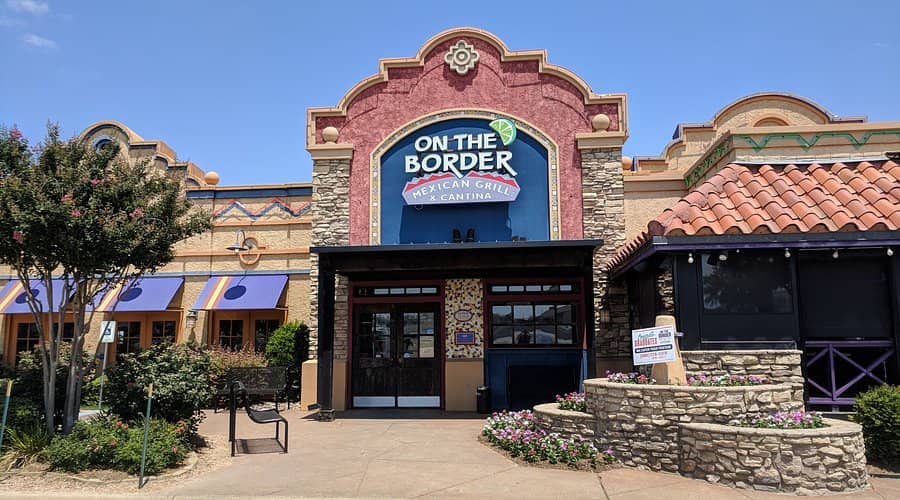
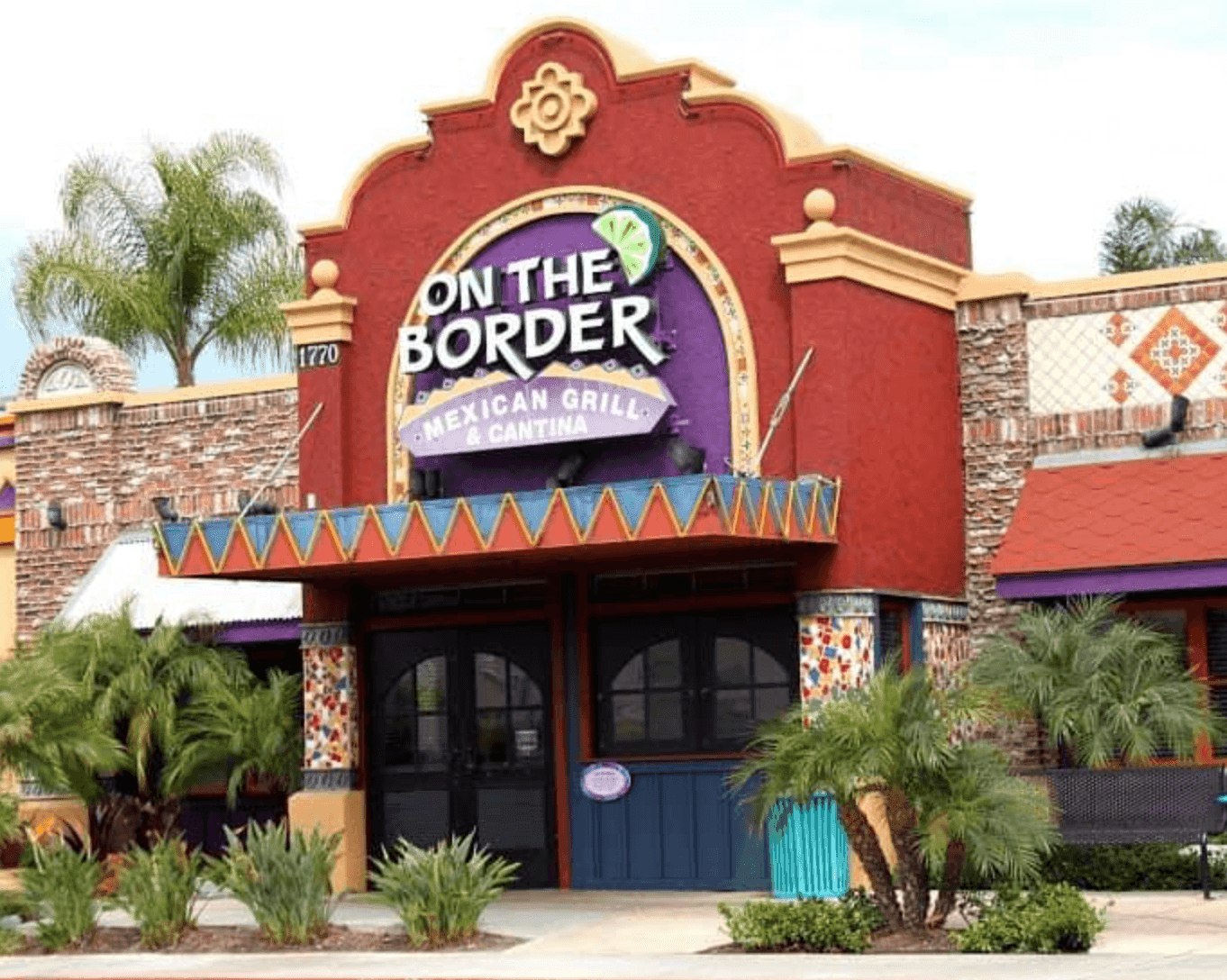
Explore the journey of On the Border restaurant chain from its growth in the 1990s to its recent bankruptcy filing, revealing the challenges faced in the competitive restaurant industry.


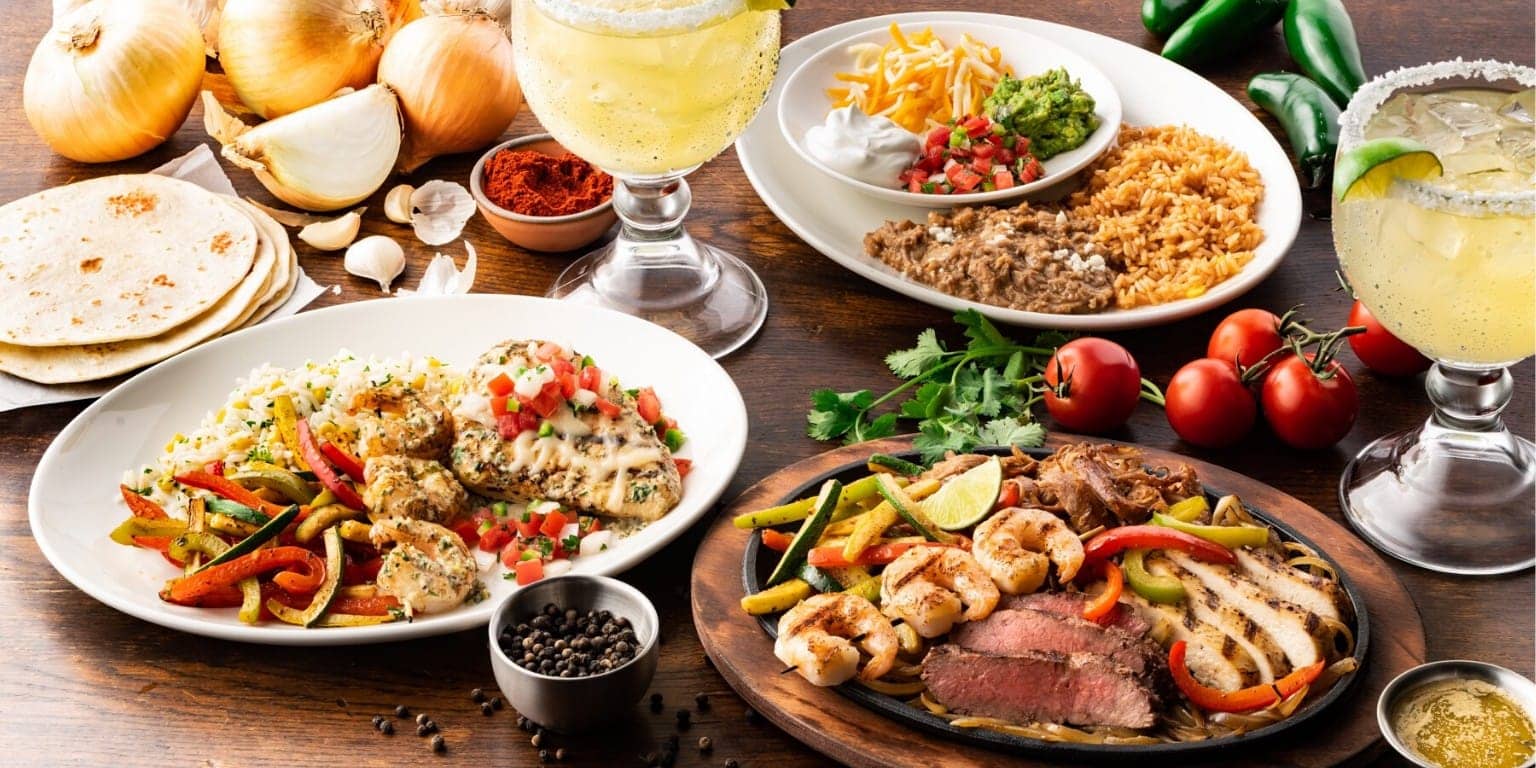
On the Border, a renowned Mexican food chain, embarked on its journey in 1982 in Dallas, Texas. With a menu featuring mesquite-grilled fajitas, margaritas, and endless chips and salsa, the restaurant quickly gained popularity. Expanding both domestically and internationally, the chain caught the attention of Brinker International, which acquired On the Border in 1994. By 2001, the brand boasted 100 locations in the US and later ventured into the South Korean market in 2007 through franchising partnerships.

The trajectory of On the Border took a turn in 2010 when Brinker International sold the 160-unit chain to Golden Gate Capital. Subsequent ownership transfers in 2014 to Border Holdings, linked to Argonne Capital Group, marked another chapter in the brand's history. In the midst of these transitions, Utz's acquisition of the rights to manufacture chips and dips under the On the Border brand in 2020 added another layer to the company's operations.

Despite its early success, On the Border faced challenges associated with macroeconomic factors impacting the restaurant industry. Rising menu prices outpacing grocery costs led to a decline in consumer dining out habits. Moreover, wage increases outstripping the company's ability to adjust prices added further strain on profit margins. Issues with workforce recruitment and retention further hampered operational efficiency, culminating in the closure of 40 underperforming locations in February 2021.
The financial strain on On the Border became evident with over $25 million spent on leases, with a significant portion allocated to underperforming locations. As the company grappled with liquidity challenges, it resorted to delaying vendor and rent payments to manage cash flow. This dire situation led to landlords and vendors taking drastic measures, including store closures and repossessions, exacerbating the operational hurdles. Consequently, the chain had to file for Chapter 11 bankruptcy to navigate its financial turmoil.
Looking ahead, On the Border aims to navigate its bankruptcy proceedings with the support of CrossFirst, its expected debtor-in-possession lender. By initiating a stalking horse asset purchase agreement and inviting competitive bids through a robust marketing process, the company seeks a path to financial recovery. As bidding procedures are set to commence in early April, the future of On the Border hinges on strategic restructuring and alignment with evolving market demands.