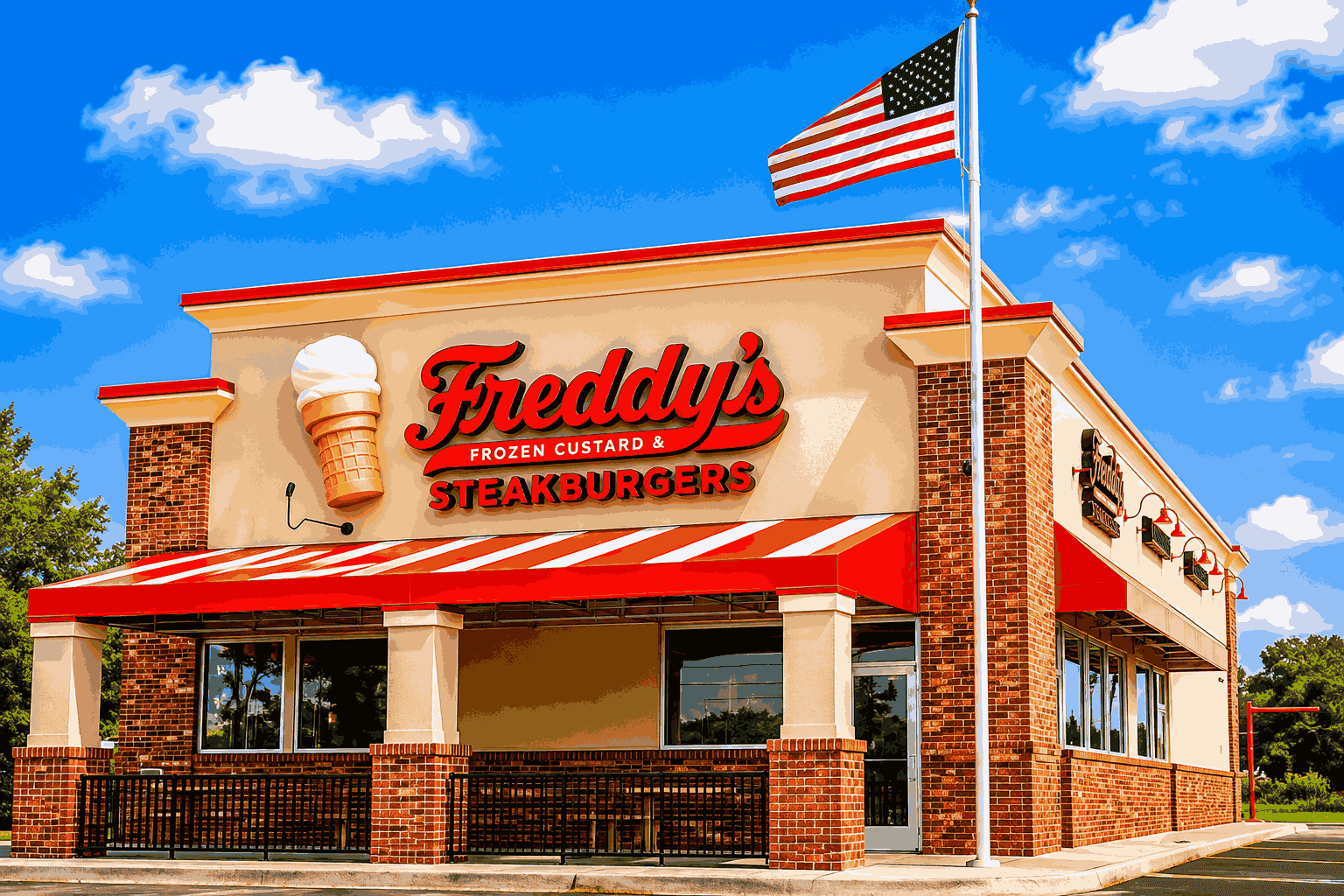
Culinary Leadership Shapes Freddy’s Future
Freddy’s Frozen Custard & Steakburgers promotes Rick Petralia to Executive Chef & VP of Training & Innovation, signaling a strategic focus on culinary excellence and franchisee support.
News
Aug 12, 2026
Freddy’s Frozen Custard & Steakburgers promotes Rick Petralia to Executive Chef & VP of Training & Innovation, signaling a strategic focus on culinary excellence and franchisee support.
Aug 12, 2026

McDonald’s USA has appointed Patrick Gerber as chief restaurant officer, leveraging his decades of global experience to boost operations, food quality, and customer satisfaction in the U.S. market.
Aug 11, 2026
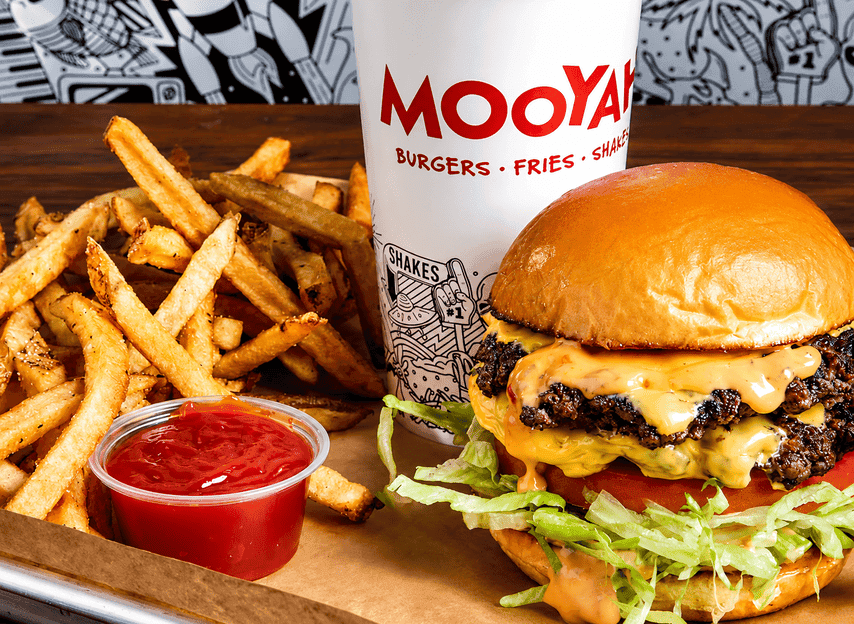
MOOYAH Burgers, Fries & Shakes partners with Great USA Foods LLC to launch a master franchise in the UAE, accelerating international expansion into Dubai and Abu Dhabi. Learn the impact for restaurant owners and growth lessons.
Aug 12, 2026
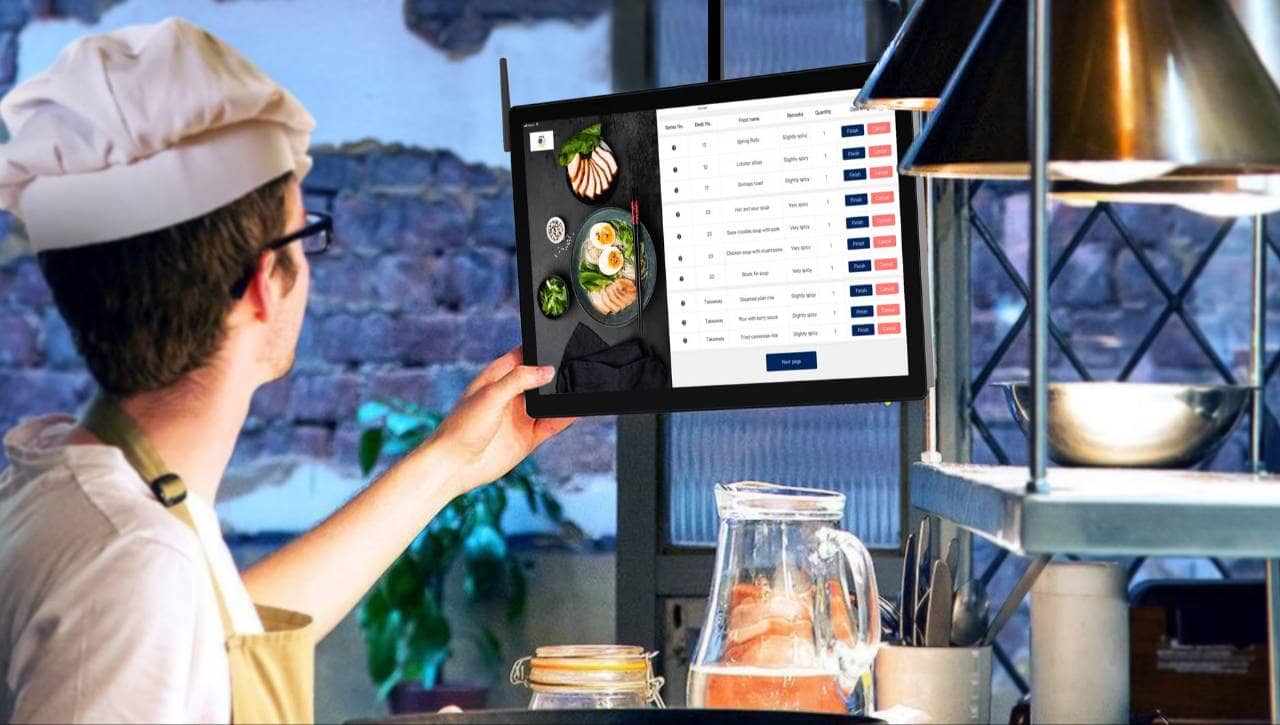
See how a kitchen display system supports faster service, better communication, accurate orders, organized workflows, and improved kitchen performance management.
Aug 10, 2026
Red Robin welcomes marketing veteran Scott Hudler as its new CMO, aiming to revitalize brand strategy and guest engagement during a critical turnaround phase.
Aug 11, 2026
Discover how a Zaxbys team member's creative marketing efforts earned her an executive role, and what the move shows about employee-driven branding in restaurants.
Aug 11, 2026

Avoiding hiring mistakes helps restaurant owners reduce turnover, control labor costs, improve staffing decisions, and build stronger, more reliable teams.
Aug 10, 2026
With traffic and sales slipping, Wendy’s new CEO Bob Wright sets a bold multi-pronged plan to restore food quality, brand value, and operational execution.
Aug 10, 2026
Explore practical ways to manage restaurant overhead costs while protecting service quality, employee productivity, food standards, and long-term profitability goals.
Aug 7, 2026

Get more restaurant reviews by creating memorable experiences, asking customers at the right time, simplifying feedback, and monitoring review performance.
Aug 7, 2026
Discover how Honey’s Kettle in Culver City blends classic American fried chicken traditions with modern business innovation to successfully run a high-volume kitchen while preserving the soul of its culinary craft.

The art of serving thousands of plates of golden fried chicken while maintaining consistent quality requires more than a time-tested recipe. It’s a delicate dance between operational efficiency, family-driven teamwork, and a reverence for culinary history. Honey’s Kettle, an iconic fried chicken establishment in Culver City, offers valuable insights into mastering this balance. The story and strategy behind this renowned restaurant, as shared by its founder Vincent, reflect a dedication not only to flavor but to sustainable, soulful business growth.
Founded in the late 1990s, Honey’s Kettle rose from both necessity and aspiration. After working as a franchisee and protégé under Willie J. Stennis, who ran a chain of notable Los Angeles restaurants in the 1950s and 60s, Vincent found himself at a crossroads when the original company dissolved. Instead of seeing the end, he viewed it as an opportunity to carve his own path. As he explains, “I promised her that day, I’m going to do something so great. I’m going to make you so proud. One day I’ll come back, and I promise you that I’m going to do something that’ll make your family proud of me.” This promise became the seed from which Honey’s Kettle would grow a restaurant inspired by history, nurtured by research into White House recipe books and early American cookery, and built around the rediscovery of “the lost art of kettle fried chicken.”
Central to the restaurant’s identity is its embrace of heritage. Vincent’s exploration into American food traditions revealed how, long before the rise of commercial fryers, families would cook chicken in hanging kettles over open hearths. This technique inspired the concept behind Honey’s Kettle, symbolizing a commitment to authenticity and hands-on preparation. The copper kettles displayed throughout the restaurant pay homage to this roots-based methodology, connecting diners to a culinary lineage that stretches back centuries.
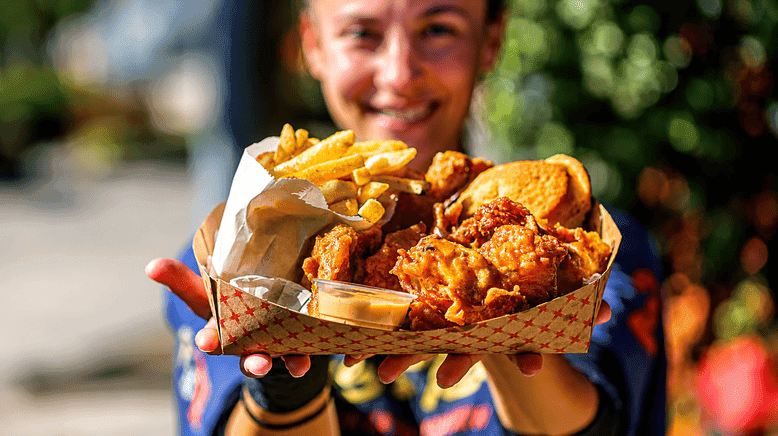
Despite its reverence for the past, the restaurant doesn’t shy away from modern technology. The rise of food delivery platforms was initially met with scepticism, but their integration into day-to-day operations proved vital. Vincent remembers, “When the pandemic hit, it shut our business down completely. All of a sudden, everybody shifted to the platforms and literally it was like a cartoon where the tickets were coming out so fast.In 10 minutes, we had a 2 inch stack of tickets.” By pivoting quickly to embrace tools like third-party delivery, the restaurant not only weathered economic shocks but expanded its reach far beyond its original walls. This agile adoption underscores a fundamental lesson i.e. technology, rather than diluting authenticity, can serve as a lifeline for legacy restaurants aiming to remain relevant and resilient amidst change.
Running a successful high-volume kitchen is no solo act. Vincent attributes much of Honey’s Kettle’s endurance to the collective efforts of his family, each member taking on roles that reflect their personal strengths. From design and marketing to real estate and daily operations, this “village” approach ensures the business draws on a wide spectrum of expertise -all grounded in shared values and a willingness to tackle any task. “My family, from day one, practically, you know, I had those kids’ eating drumsticks and then they got a chance to see, you know, I call it the call of duty. The call of duty is if that toilet is backed up and you got to go in there and clean up the floor… they got a real orientation from a very early age about business.” This culture of inclusiveness and dedication lays the groundwork for sustainable growth and strong operational standards.
A thriving restaurant is ultimately built on its relationship with guests. For Vincent, the chance to nourish and connect with customers is the most gratifying aspect of the job. “I’m like everyone’s grandfather. I’m feeding all these people, and I love to see the reaction that people have on their face. Some of the things people say to me is so amazing. They’re just too kind some of the things that they say.” Every element of the restaurant experience from the curated playlists designed to evoke a range of emotions, to the visual theatre of batch-cooked chicken sliding fresh from fryer to serving line -is tailored with the guest in mind. The approach extends to the food itself, such as unique house-made lemonades or the legendary sweet potato pie, and small but meaningful touches like biscuits with a dimple (“they smile at you as you smile at them”).
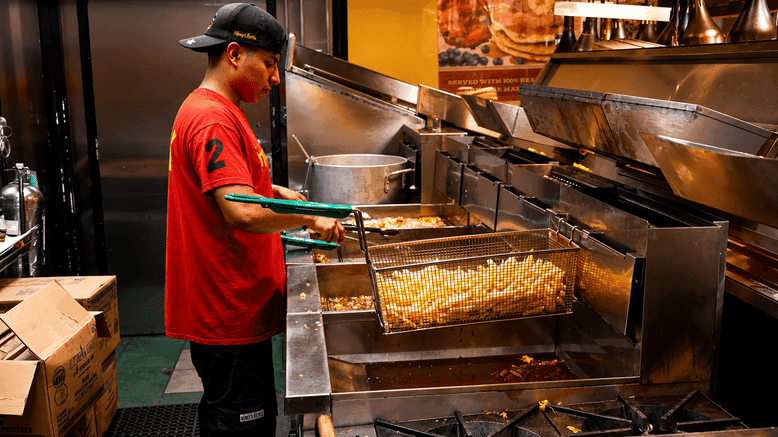
Behind the scenes, operational discipline reigns. Honey’s Kettle relies on batch cooking to guarantee freshness and consistency, especially critical during peak service hours. Only a limited amount of chicken is brought out at a time, with the process visible to curious patrons -a transparency that builds trust and excitement. A strict regime surrounds the cooking oil as well. “We don’t use oil that’s old. We throw the oil out when it still has life. So, we’re not… yeah, it seems like a waste. But again, we need a certain quality. We can’t achieve that if people are complaining about my stomach hurts, it’s because the oil was… nah, we don’t do that.” This focus on premium ingredients and equipment hygiene is non-negotiable -and it translates directly into a better dining experience.
Transforming a blank canvas into a space brimming with character demanded creativity and patience. The original Honey’s Kettle location began as an empty martial arts studio, but through countless nights of planning, every design decision was made to create flow, comfort, and visual appeal. Elements like the half-round bar and copper accents echo the restaurant’s historical inspiration while facilitating efficient service. Even the music is thoughtfully chosen, cycling between jazz, classical, and energetic playlists -each designed to complement the meal and match the cadence of the day. This blend of functional design and atmospheric charm helps set the restaurant apart, making it as memorable as it is efficient.
Honey’s Kettle is built on tradition, but it’s not confined by it. The menu continues to evolve with unique creations like “country boy potatoes” which is hearty, soulful and memorable and signature house lemonades featuring flavors from blueberry mint to cherry melon. The restaurant also ventures into packaged goods for home use, from frying mix to bottled sauces, each thoughtfully designed and branded. Breakfast is available all day, and comfort classics like chicken and hotcakes have gained their own following. Sunday dinner platters carry the spirit of family gathering, reinforcing the idea that the restaurant is as much about community as it is about cuisine.
The enduring success of Honey’s Kettle in Culver City demonstrates that thriving at high volume doesn’t require sacrificing quality, hospitality, or heritage. By blending historical techniques with modern tools, fostering deep family involvement, and putting customer experience above all else, this fried chicken kitchen offers a model of operational excellence - one that honors the past while forging a path into the future.