The Ultimate Guide to Recruiting Restaurant Staff
Efficient recruiting for restaurants relies on clarity, speed-to-contact, repeatable interviews, referrals and tracking time-to-hire.

Overview
Recruiting in restaurants is rarely hard because people don't want jobs. It's hard because hiring competes with everything else you're responsible for - service, food quality, schedules, inventory, guest issues, and keeping the team motivated. So recruiting becomes reactive - you post an ad when you're short, skim applications late at night, schedule interviews between rushes, and lose good candidates because the process takes too long. Meanwhile, every understaffed shift has a cost you can feel immediately - slower ticket times, stressed employees, inconsistent guest experience, and managers pulled off the floor to fill gaps.
Hiring faster only works when the process is simple, repeatable, and designed to reduce drop-off. Most restaurants don't need more applicants; they need fewer delays between steps. If it takes three days to respond to an application, candidates move on. If interviews happen inconsistently, you end up with no-shows. If offers take a week to approve, you lose the best people to the operator who can say yes today.

Build a Simple Hiring Timeline
Hiring faster starts with getting specific about what "faster" actually means for your restaurant. If you don't define the target, recruiting turns into a vague hope - "we just need people" - and that leads to rushed decisions, mismatched schedules, and another round of hiring a few weeks later. The goal is to move quickly with standards, not panic-hire.
Start by listing the exact roles you need to fill (for example. 2 line cooks, 1 dishwasher, 1 server) and attach three details to each one - start date, hours per week, and must-have availability. Availability is often the hidden deal-breaker. If the job requires Friday nights and Sunday brunch, write that down upfront. It's better to screen out the wrong fit early than waste days scheduling interviews with someone who can't work your busiest shifts.
Next, set three non-negotiables for each role. Keep them practical and observable - things you can actually confirm in a short screen. For example - "can work weekends," "can handle high-volume pace," "shows up on time," "can follow station standards," or "positive guest communication." Avoid vague requirements like "hard worker" unless you translate them into behaviors.
Then, map a simple hiring timeline with clear ownership -
1. Post job
2. Respond to applicants
3. Quick screen
4. Interview
5. Offer + start date
Finally, assign a primary owner for recruiting (even if you're short-staffed). When "everyone" owns hiring, nobody owns it - and applicants sit unanswered. A single person should check applicants daily, move strong candidates forward, and keep the process from stalling. That one change alone often cuts days off the time-to-hire.
Build Your Recruiting Hub
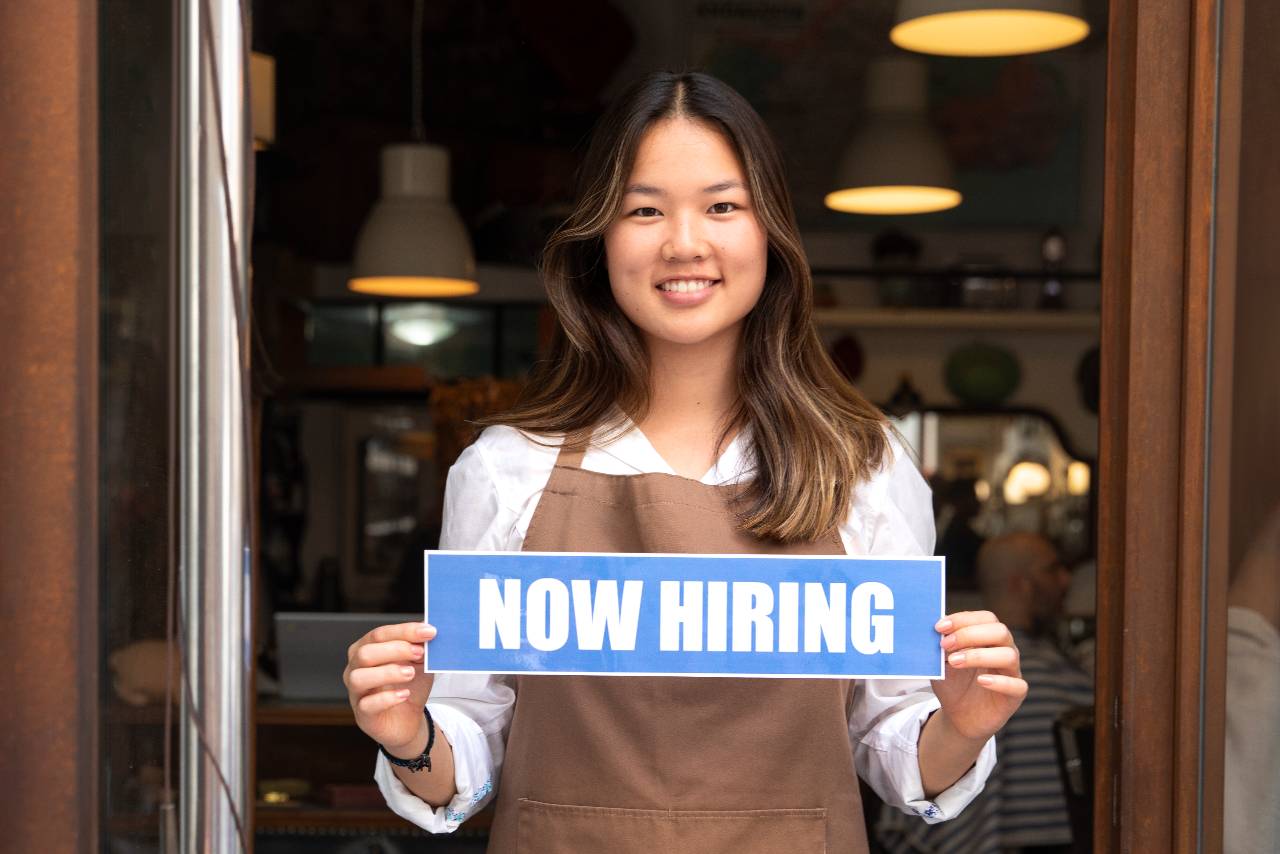
If you want to hire faster, you need one "home base" for recruiting - something you control that stays consistent even when job boards change, posts expire, or managers forget which link to send. Think of this as your recruiting hub - a simple career page (or hiring page) plus an application that takes only a few minutes to complete on a phone. When you do this right, every channel you use - job boards, social posts, referrals, QR codes, even a "Now Hiring" sign - points to the same place. That reduces confusion, improves follow-through, and keeps you from rebuilding your process every time you post.
Start with the career page. It doesn't need to be fancy, but it should answer the questions candidates care about before they ever reach you - Who are you? What's the job like day-to-day? What do you offer? How do I apply? What happens next? Include a short paragraph about your restaurant, a clear list of open roles, and a few bullet points on what makes working there worthwhile (training, growth paths, predictable scheduling practices, meal discounts, tips structure, benefits, or flexibility - whatever is real for you). Add 3-6 photos that show the vibe - the team, the dining room, the kitchen, the bar - anything that makes the job feel tangible.
Then fix the biggest speed-killer in restaurant recruiting- long applications. If your application feels like paperwork, you'll lose good candidates to the next employer who makes it easier. Keep it lean. Ask for only what you need to start the conversation -
- Name + best contact method (text-friendly)
- Role(s) they want
- Availability (days/times)
- Start date
- Relevant experience (optional short answer)
That's enough to screen quickly. You can collect the rest after you've decided they're a fit.
Finally, set expectations on the page so candidates don't wonder if their application vanished into a black hole. Add one line like - "We review applications daily and usually reply within 24 hours." When people know the process, they're more likely to respond and show up - both of which help you hire faster without adding extra work.
Write Job Posts That Pre-Qualify Candidates
A strong job post doesn't just "attract applicants" - it saves you time. The fastest hires come from job ads that pre-qualify people before you ever talk to them. If your post is too generic ("busy restaurant seeking team members"), you'll get more applicants, but fewer good ones. Then your time-to-hire stretches because you're sorting through noise, answering the same questions repeatedly, and booking interviews with people who were never a fit.
Start with a clear, specific title that matches what people actually search for - "Line Cook (High-Volume Kitchen)," "Server (Weekend Availability Required)," "Dishwasher (Night Shifts)," or "Shift Lead (Closing Experience)." Then write a short summary that feels real - one or two sentences about the pace, the team, and what success looks like. Candidates want to picture themselves in the role - especially experienced ones who already have options.
Next, separate requirements into two buckets - Must-Haves and Nice-to-Haves. Must-haves are deal-breakers like availability, legal work status, basic experience level, and physical demands (standing, lifting, late nights). Nice-to-haves can include specific systems experience (POS familiarity, expo experience, bilingual), but don't overstuff this list or you'll scare off good candidates who can learn quickly.
Then include the details that reduce interview drop-off - pay range, tip structure (if relevant), shift times, and benefits/perks. Leaving compensation vague often creates slow recruiting because candidates apply "just to see," then disappear when the pay doesn't match their expectations. You don't need to overpromise - just be transparent.
Finally, end your post with a simple call-to-action that pushes candidates into your recruiting hub - "Apply in 3 minutes here," plus what happens next ("We'll text you within 24 hours to schedule a quick phone screen"). When your job post answers the big questions upfront, you'll spend less time chasing, and more time interviewing people who are actually ready to work your shifts.
Post in the Right Places
Posting everywhere isn't the same as recruiting effectively. Hiring faster usually comes from using a repeatable channel mix - a few places that consistently bring in candidates - rather than scrambling to find a new site every time you're short. The goal is to build a small system that runs the same way each week, so you always have applicants coming in, even when you're not in full hiring panic.
Start with the basics- keep a presence on one or two major job sites where candidates in your area already search. These platforms can generate volume quickly, especially for hourly roles. But don't rely on them alone. Volume is not the same as quality, and job boards can also produce a lot of "one-click applicants" who never respond. That's why you need at least one or two high-intent channels layered on top.
High-intent channels include -
- Your career page (the home base that all links point to)
- Employee referrals (often the fastest path to a reliable hire)
- Local community groups (Facebook groups, neighborhood boards, local subreddit communities where allowed)
- Instagram/Facebook posts and Stories (especially when staff reshare)
- In-store recruiting (a small sign with a QR code that goes straight to your short application)
Next, make your posting cadence consistent. Many restaurants only post when they're desperate, which creates hiring droughts. Instead, pick a rhythm you can maintain - for example, refresh job posts twice per week, post one hiring Story on social weekly, and ask for referrals once per month. This creates steady inbound flow so you're not starting from zero after every resignation.
Also, tailor the channel to the role. BOH candidates may respond better to referrals, local connections, and straightforward pay/shift details. FOH candidates may respond well to social posts that show the team vibe and tip potential (without exaggeration). Manager roles often require more targeted outreach and a clearer growth path.
Finally, track which channels produce hires, not just applicants. If a channel generates 30 applications but zero interviews show up, it's a distraction. Hiring faster comes from doubling down on what works - and cutting what wastes time.
Speed-to-Contact
If you change only one thing to hire faster, change this - respond to applicants within 24 hours - and ideally the same day. In restaurant recruiting, speed-to-contact matters because good candidates don't stay available for long. Many apply to multiple places in a single sitting, and they usually move forward with whoever reaches them first, makes the next step easy, and communicates clearly. When your response takes two or three days, you're not just "behind" - you're often out of the running.
Make the 24-hour rule realistic by setting up a simple routine. Pick one person (or one manager per location) to check applications at a set time daily - morning, mid-afternoon, or after pre-shift - whatever is sustainable. The key is consistency. Then, reach out using the channel candidates actually answer - text message tends to outperform phone calls for first contact because it's quick, low-pressure, and easy to reply to while someone is working another job.
Your first message should do three things -
1. Confirm you received their application
2. Ask one quick qualifier (usually availability)
3. Offer a clear next step (a short phone screen or interview slot)
Example approach - "Thanks for applying for Line Cook. Are you available for weekend dinner shifts? If yes, I can do a 7-minute phone screen today between 2-4 pm or tomorrow 11-1."
Next, use a short screening process that prevents wasted interviews. Aim for 5-7 minutes. Confirm availability, start date, pay expectations (or confirm your range works), and ask one or two role-specific questions (like pace, teamwork, or station experience). The goal is not to fully interview - it's to quickly identify who deserves a real interview.
Finally, reduce delays between steps. If the screen goes well, book the interview immediately. If the interview goes well, move to offer quickly. Every "I'll follow up next week" adds time and increases drop-off.
Hiring faster is rarely about finding "more" applicants. It's about moving the right applicants through your process before they disappear. The 24-hour rule makes that happen.
Interview Faster With Structure
Interviews slow down recruiting when they're unstructured, hard to schedule, and too long. The fix isn't "interview less" - it's interview smarter. A fast hiring process uses short, repeatable interview formats that help you make decisions quickly and reduce no-shows.
First, tighten the interview itself. For most hourly roles, you can learn what you need in 15-20 minutes if you ask the right questions. Use a simple structure every time -
1. Confirm availability and schedule reality (don't skip this)
2. Ask 2-3 role-specific questions (skills and pace)
3. Ask 1-2 behavior questions (teamwork, reliability, guest mindset)
4. Explain expectations (standards, side work, breaks, uniform)
5. Close with next steps and timeline
Keep questions practical. Instead of "Tell me about yourself," ask - "Walk me through a busy shift you handled - what was your role and what did you do when tickets stacked?" For FOH - "How do you handle a guest who's unhappy but you're in the weeds?" For BOH - "What's your process for keeping your station stocked and clean during a rush?"
Next, solve the scheduling problem by batching interviews. Rather than playing calendar ping-pong, set weekly interview blocks (example - Tuesdays and Thursdays 2-4 pm, or daily 3.00-4.30). Offer candidates set options. This speeds up booking and reduces the mental load for managers.
To cut no-shows, confirm twice. Send a confirmation text right after scheduling and a reminder 2-3 hours before. Include address, parking info, who to ask for, and how long it will take. The easier you make arrival, the more likely they show.
If you're hiring multiple roles at once, consider "open interview" windows (a mini hiring event). You can speak with several candidates back-to-back and move faster than one-off interviews scattered across your week.
Finally, use a scorecard. It can be as simple as rating 1-5 for availability fit, role skills, attitude, and reliability signals. The purpose is consistency - so you don't hire based on vibe alone and then regret it later. Structure is what makes speed sustainable.
Build Always-On Pipelines
The fastest hires often come from candidates who already trust you - or who are connected to someone who does. That's why "always-on" recruiting matters. If you only recruit when you're short, every hire becomes urgent, and urgency leads to compromises. A pipeline gives you options, and options let you hire faster without lowering your standards.
Start with employee referrals, because they're one of the highest-intent channels you can build. Your team knows who's reliable, who can handle pressure, and who will fit your culture. Make referrals simple - define which roles qualify, how the bonus works (if you offer one), and when it pays out (commonly after 30-60 days to encourage retention). Even if you don't offer cash, you can still create incentives - preferred shifts, a gift card, a meal credit, or public recognition. The key is consistency- remind your team monthly, not once a year. Put a small poster in the back-of-house and include a referral link or QR code that goes to your short application.
Next, build relationships with local schools and training programs. Community colleges, culinary programs, hospitality programs, and even local high schools (where appropriate and compliant with labor rules) can become steady sources of entry-level talent. You don't need a complicated partnership. Offer to post openings with their career office, share a short about the job flyer, or host a quick meet-and-greet. The benefit is predictability - students often look for flexible hours, part-time roles, and consistent schedules.
Then create a "silver medalist" list - candidates you liked but didn't hire because timing was off, you were fully staffed, or someone else edged them out. Most restaurants throw these contacts away, which is a missed opportunity. Keep a simple spreadsheet or notes - name, role, availability, and why you liked them. When you need someone quickly, you can reach out with a warm message - "We have an opening that matches your availability - still interested?"
Finally, treat pipeline-building like routine maintenance. Put it on the calendar - one referral reminder per month, one school outreach per quarter, and a quick review of past candidates every two weeks. When pipelines are active, hiring stops being a crisis - and hiring faster becomes your normal pace.
Close the Loop
Even if you attract good applicants and run great interviews, hiring still falls apart at the finish line. Candidates ghost after an interview, accept another offer, or agree to start and then don't show for day one. To hire faster consistently, you need a strong "close" process - quick offers, clear next steps, and a simple system to keep people committed between "yes" and their first shift.
Start by reducing lag time. If you know a candidate is a fit, don't wait three days to decide. Create a basic rule - same-day decision when possible, next-day at the latest. Speed signals professionalism and helps you beat competing offers. This doesn't mean ignoring checks you must do - it means having a repeatable process so approvals aren't stuck in limbo. Keep your offer details standardized- pay rate, role, start date, typical shift range, and who they report to.
Next, prevent "acceptance-to-no-show" with a short pre-start checklist. Right after they accept, send a friendly message that includes -
- Start date/time and where to enter
- What to bring (ID, paperwork details if needed)
- Dress code/uniform basics
- Who to ask for on arrival
- What the first shift looks like (training, shadowing, onboarding)
This reduces anxiety and confusion - two common reasons people skip day one. If you can, send a quick welcome note from the manager they'll work with. A human connection increases show-up rates.
Then make day one easy internally. Have a plan - who trains them, what stations they'll touch, and what "success" looks like after the first shift. When onboarding is chaotic, new hires churn fast - and you're right back to recruiting.
Finally, track a few simple metrics so you can improve without guessing -
- Applicant response time (hours to first contact)
- Screen-to-interview conversion (how many screens become interviews)
- Interview show rate
- Time-to-hire (days from application to offer accepted)
- 30-day retention (did they last a month?)
You don't need complex analytics. Just a weekly check-in with these numbers will show you exactly where your process slows down - and what to fix to keep hiring faster.