
California Penalizes Dickey's for Franchise Disclosure Violations
California shifts to public enforcement strategy against Dickey's for deceptive franchise disclosures, signaling stricter state-level franchise oversight.
Franchising
Sep 10, 2026
California shifts to public enforcement strategy against Dickey's for deceptive franchise disclosures, signaling stricter state-level franchise oversight.
Sep 10, 2026
Paul Brown temporarily steps away from Inspire Brands as Scott Murphy assumes interim CEO role during confidential IPO filing process targeting late 2026.
Sep 10, 2026
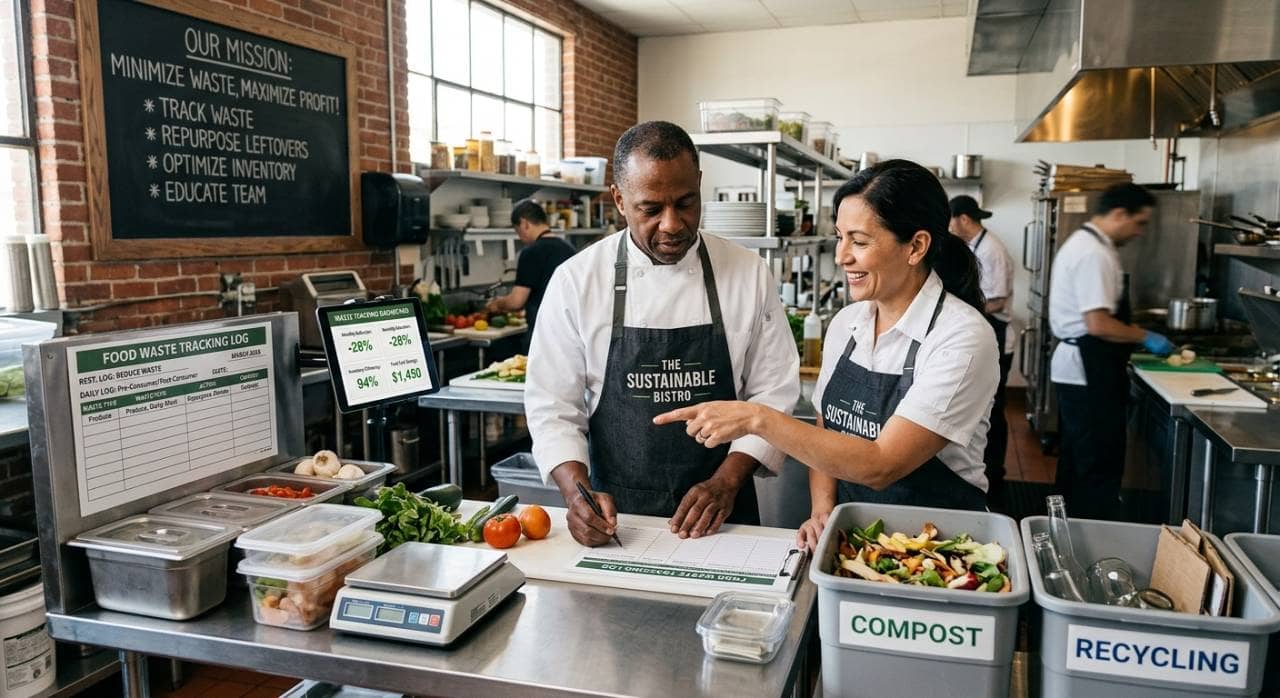
Learn how to reduce food waste in restaurants through smarter purchasing, storage, preparation, and service strategies that cut costs.
Sep 9, 2026
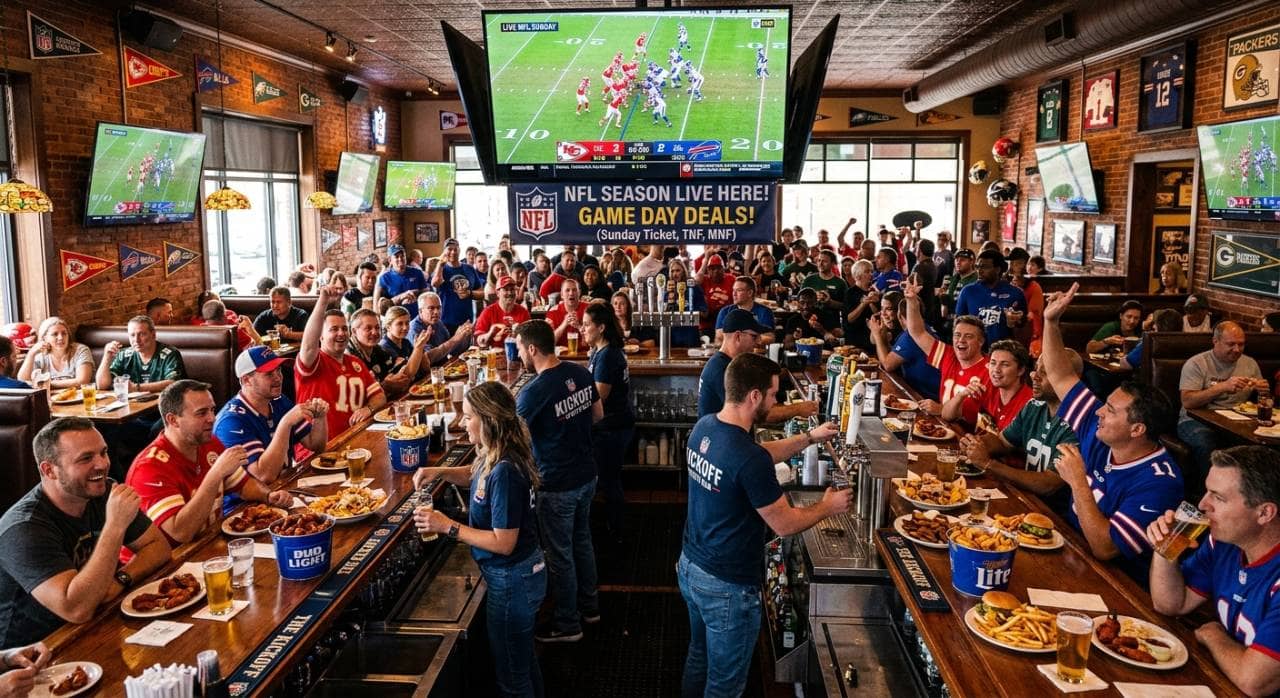
Prepare your restaurant for NFL season with smart menu planning, staffing, marketing, technology, and atmosphere strategies that boost season-long revenue.
Sep 9, 2026
Swig signs franchise agreement for 11 South Denver locations, marking Colorado entry and validating its national expansion strategy.
Sep 8, 2026

Complete guide helping restaurant owners choose essential kitchen equipment - covering cooking, refrigeration, prep, sanitation, ventilation, safety, and long-term maintenance planning.
Sep 7, 2026

QR code menus let restaurants replace paper menus digitally, enabling instant updates, contactless browsing, ordering, and payment through simple smartphone scanning.
Sep 7, 2026

Avoiding common restaurant payroll mistakes - misclassification, tip credit errors, overtime miscalculations - protects businesses from costly penalties, back pay, and compliance risks.
Sep 4, 2026
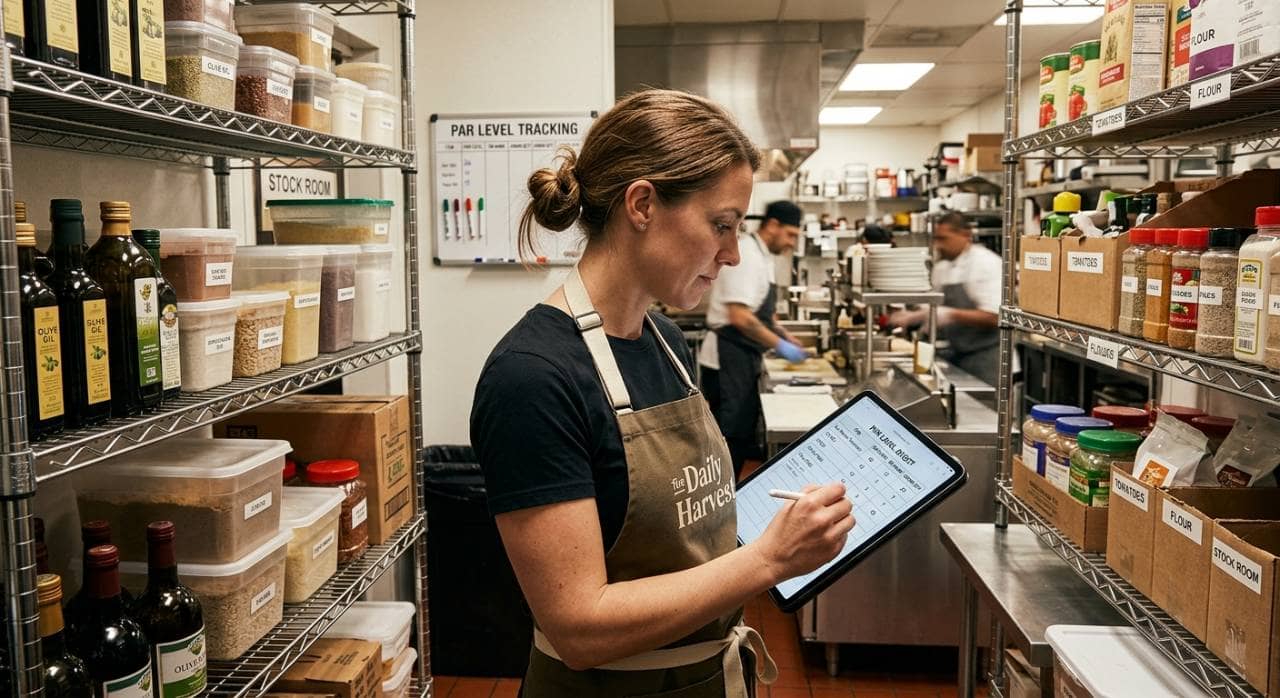
Learn to calculate par levels for restaurant food, beverages, and packaging inventory, preventing stockouts and waste through proper formulas.
Sep 4, 2026
Caribou Coffee appoints Zane Thomas-Rogers as Chief Operations Officer to strengthen execution across its expanding coffeehouse network.
Sep 4, 2026

Unlock Exclusive Access To Webinars, Events, And The Latest News For Free!
Thrive Restaurant Group expands its multi-brand engine by acquiring Modern Market Eatery, signaling faster growth and broader reach in fast casual.

Photo by Adhitya Sibikumar
Thrive Restaurant Group, based in Wichita, Kansas, has accelerated growth momentum by expanding its footprint through the acquisition of Modern Market Eatery. Thrive's portfolio now surpasses 200 restaurants across 18 states, a mark that makes this move feel like a natural next chapter. The target, Modern Market Eatery, is a 29-unit fast-casual concept, and the seller is Butterfly Equity. Thrive had already been a Modern Market franchisee since 2022, signaling long-standing confidence in the brand. The terms of the deal were not disclosed publicly, but the connection is clear: a multi-brand engine is about to accelerate. It’s worth watching how this plays out:
From a structural standpoint, leadership is already being aligned to preserve culture while growing capacity. Robin Robison, the current Modern Market chief operating officer, will become president of the brand under Thrive’s umbrella. This move is designed to maintain continuity as the platform scales. Thrive had previously purchased three Modern Market locations in Austin, Texas, and constructed two more in the Kansas City region, giving the new owner an operational head start. The arrangement expands Thrive’s direct footprint to 24 Modern Market restaurants and five licensed locations, stretching across seven states and signaling a deliberate push to integrate rather than merely acquire.

To understand the logic here, you look at Thrive’s breadth. Thrive Restaurant Group isn’t a single-concept operator; its roster includes Applebee’s Neighborhood Grill franchised units, Bakesale, Carlos O’Kelly’s, HomeGrown, and Qdoba. Meanwhile, Modern Market Eatery has built a niche in Colorado, Kansas, Missouri, and Texas, with licensed locations in Colorado, Georgia, Indiana, and Massachusetts. The overlap isn’t accidental: a multi-brand engine can share best practices, procurement, and pace, while Butterfly Equity has been building a broader fast-casual ecosystem around fresh, healthier options. Nation’s Restaurant News frames the acquisition as a deliberate step toward scaling a better-for-you fast-casual concept.
On the footprint front, the deal is more than a brand swap. The mix of company-owned and licensed locations has been part of Butterfly’s broader play, and Thrive’s entry follows a pattern of opportunistic expansion in Austin and Kansas City before the deal closed. The acquisition expands Thrive’s presence to seven states, with a broader platform designed to accelerate cross-brand learning, supply-chain leverage, and shared operating cadence across markets. This alignment isn’t an afterthought; it’s a central pillar of the strategy for 2025 and beyond.
How does a cross-brand acquisition get executed? The answer lies in leadership alignment and a clear growth-through-structure mindset. Thrive’s leadership pages describe a development push that seeks to maintain brand culture while expanding capacity. The plan includes Robin Robison stepping into the top role at Modern Market, backed by Thrive’s operating engine to accelerate integration and scale. With Thrive having previously opened three Austin sites and two more in the Kansas City region, the new owner already has an operational head start that should shorten the path to scale across seven states.
Footprint growth is tangible: the deal expands Modern Market to 24 company-run restaurants and five licensed locations. The company now operates under Thrive across seven states, with early expansion in Austin and the Kansas City area serving as a backbone for faster integration. September 2024 marked the executive transfer, underscoring a strategic alignment rather than a market sale. Terms remain private, but Thrive’s public materials emphasize growth and cohesive brand management as the central thesis.

Voices from the field anchor the deal in human terms. In the official narrative, Jon Rolph, Thrive’s CEO, framed the deal as a recognition of Modern Market’s potential and its people: “we have believed in Modern Market and its people since we first had an opportunity to become a franchisee,” signaling trust built over years. On the leadership transition, Robin Robison stressed continuity: “Jon and the Thrive team have been a great partner, and together I am confident we will guide this brand into the future with a focus on the incredible people who have made this company so special.” These quotes capture the human dimension, people, culture, and shared priorities as the brands scale.
Put simply, the human thread is what keeps this from being just a balance-sheet story. The leadership alignment is designed to protect what Modern Market built, the culture, the teams, and the daily operations, while Thrive’s engine pushes growth. The statements reflect a common goal: scale with people at the center, and do it in a way that preserves the brand’s essence in multiple markets.
Industry observers see Thrive’s move as part of a larger pattern in the private-equity–backed fast-casual space: platforms seek scale and efficiency by stacking brands under one roof. The Thrive–Modern Market outcome sits at the intersection of franchising, private equity, and brand-building, with a shared emphasis on fresh, wholesome options and delivery-friendly formats. Butterfly Equity’s broader portfolio, including Qdoba and Lemonade within Modern Restaurant Concepts, provides context for why Thrive’s entry matters. This wave of consolidation signals that operators are betting on cross-brand synergies to improve procurement, consistency, and unit economics in diverse markets.
Looking ahead, the story isn’t just about absorbing more units. The integration plan sits alongside a future development push, including a 2025 agreement to open 30 Qdoba restaurants across North Carolina and South Carolina. That forward-looking note hints at how Thrive intends to accelerate the Modern Market platform within its broader network, shaping a growth trajectory that hinges on shared platforms, evaluated risk, and a constant eye on people and performance.
