
California Penalizes Dickey's for Franchise Disclosure Violations
California shifts to public enforcement strategy against Dickey's for deceptive franchise disclosures, signaling stricter state-level franchise oversight.
Franchising
Sep 10, 2026
California shifts to public enforcement strategy against Dickey's for deceptive franchise disclosures, signaling stricter state-level franchise oversight.
Sep 10, 2026
Paul Brown temporarily steps away from Inspire Brands as Scott Murphy assumes interim CEO role during confidential IPO filing process targeting late 2026.
Sep 10, 2026
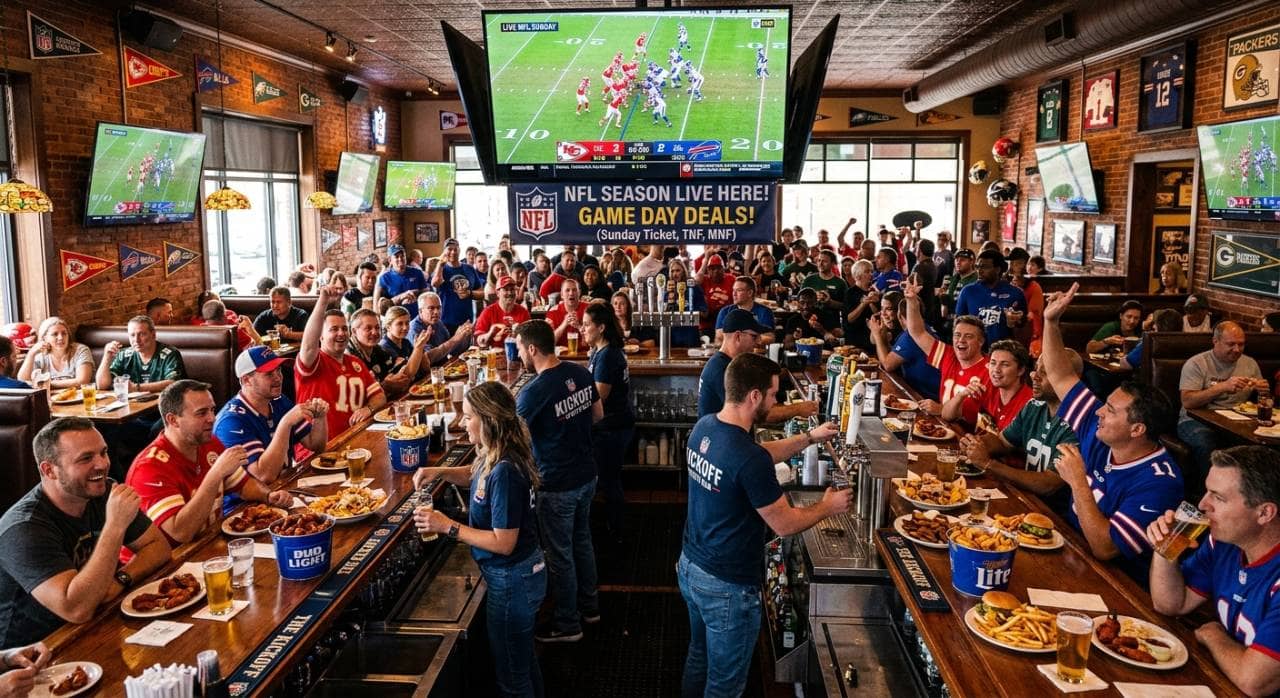
Prepare your restaurant for NFL season with smart menu planning, staffing, marketing, technology, and atmosphere strategies that boost season-long revenue.
Sep 9, 2026
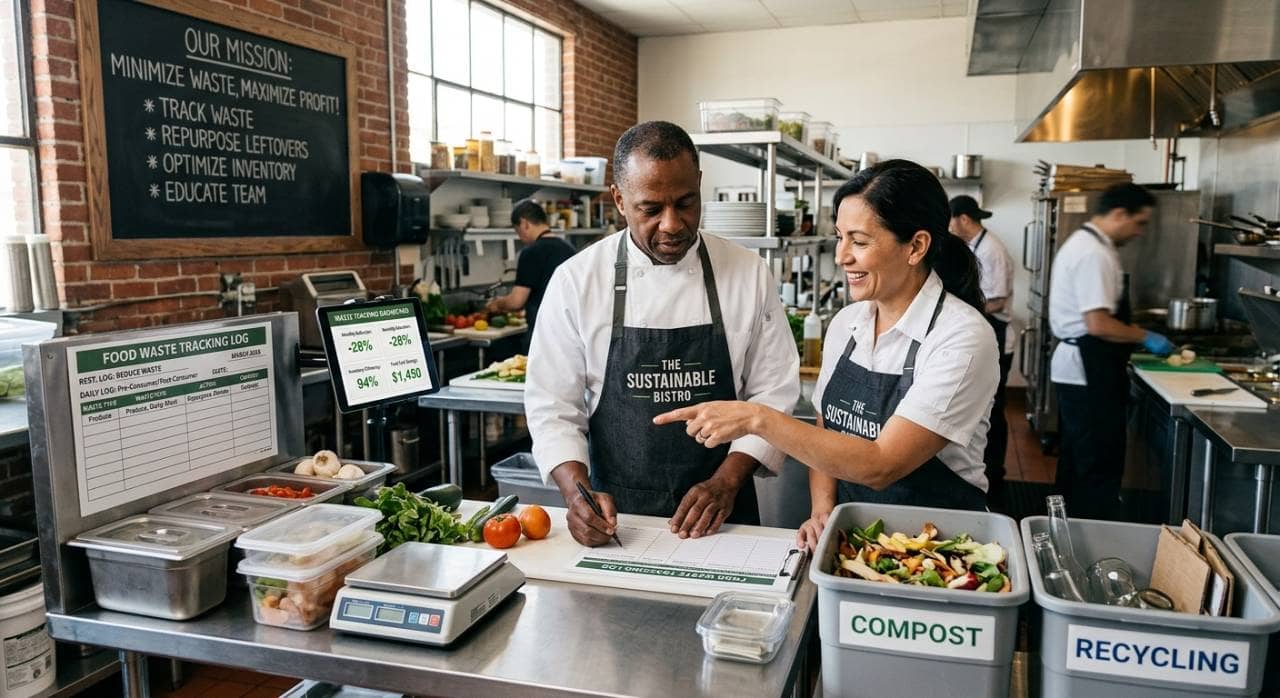
Learn how to reduce food waste in restaurants through smarter purchasing, storage, preparation, and service strategies that cut costs.
Sep 9, 2026
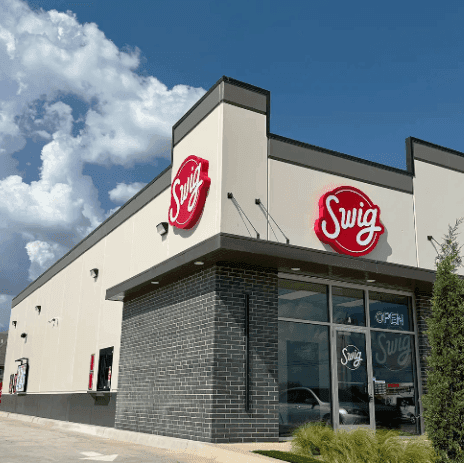
Swig signs franchise agreement for 11 South Denver locations, marking Colorado entry and validating its national expansion strategy.
Sep 8, 2026
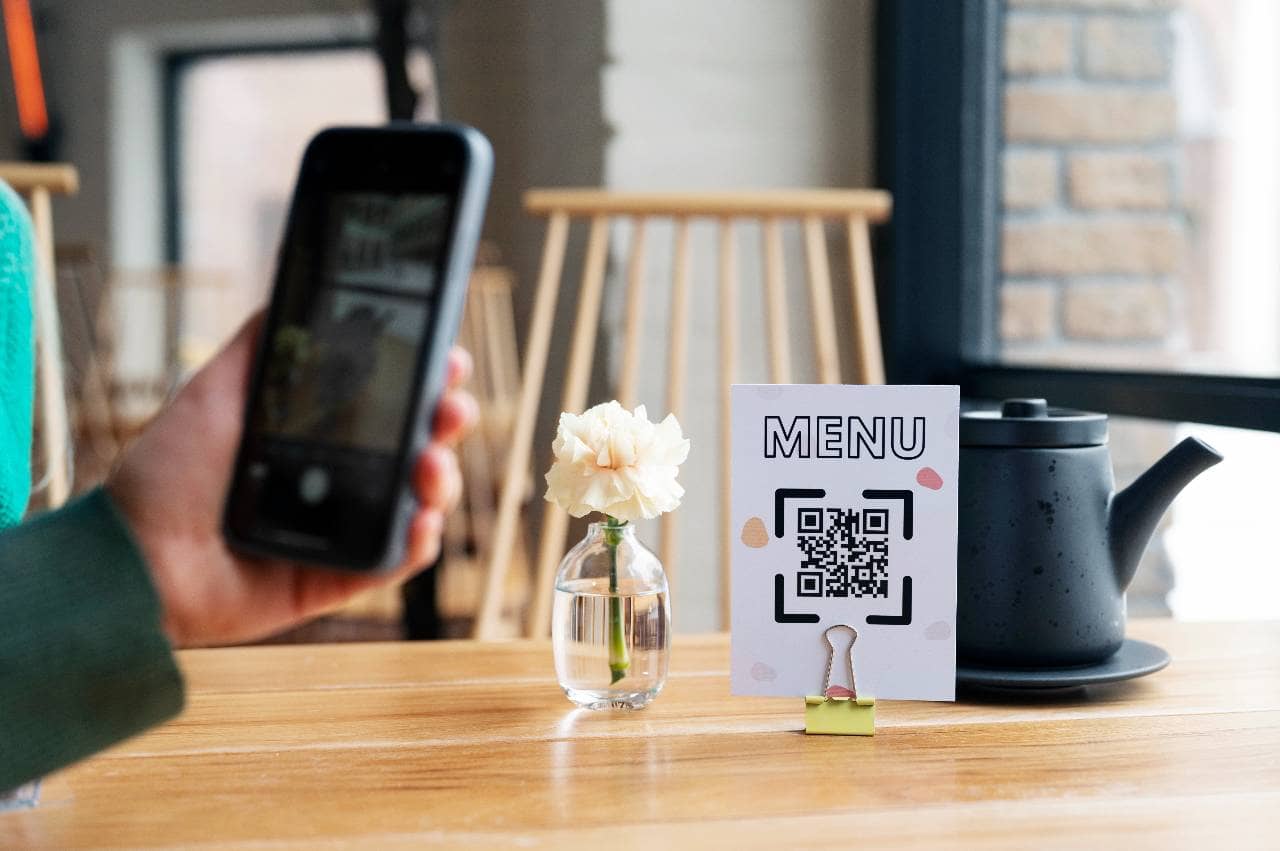
QR code menus let restaurants replace paper menus digitally, enabling instant updates, contactless browsing, ordering, and payment through simple smartphone scanning.
Sep 7, 2026
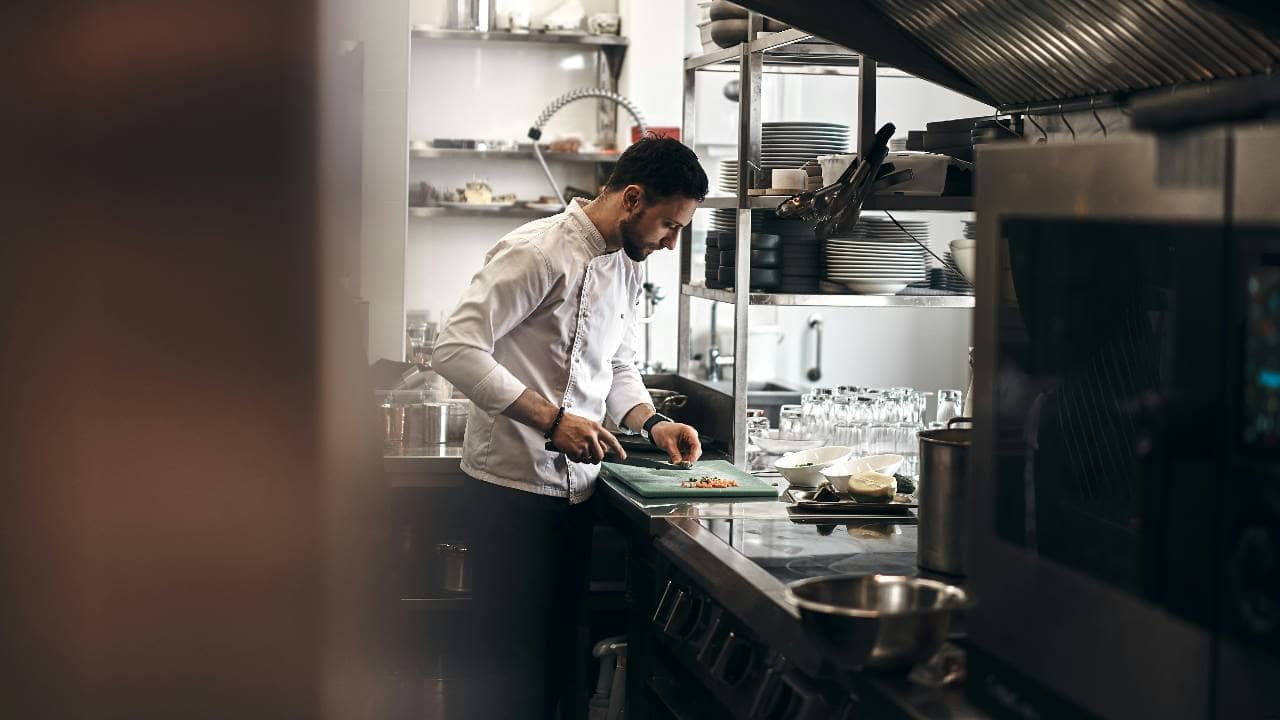
Complete guide helping restaurant owners choose essential kitchen equipment - covering cooking, refrigeration, prep, sanitation, ventilation, safety, and long-term maintenance planning.
Sep 7, 2026

Avoiding common restaurant payroll mistakes - misclassification, tip credit errors, overtime miscalculations - protects businesses from costly penalties, back pay, and compliance risks.
Sep 4, 2026
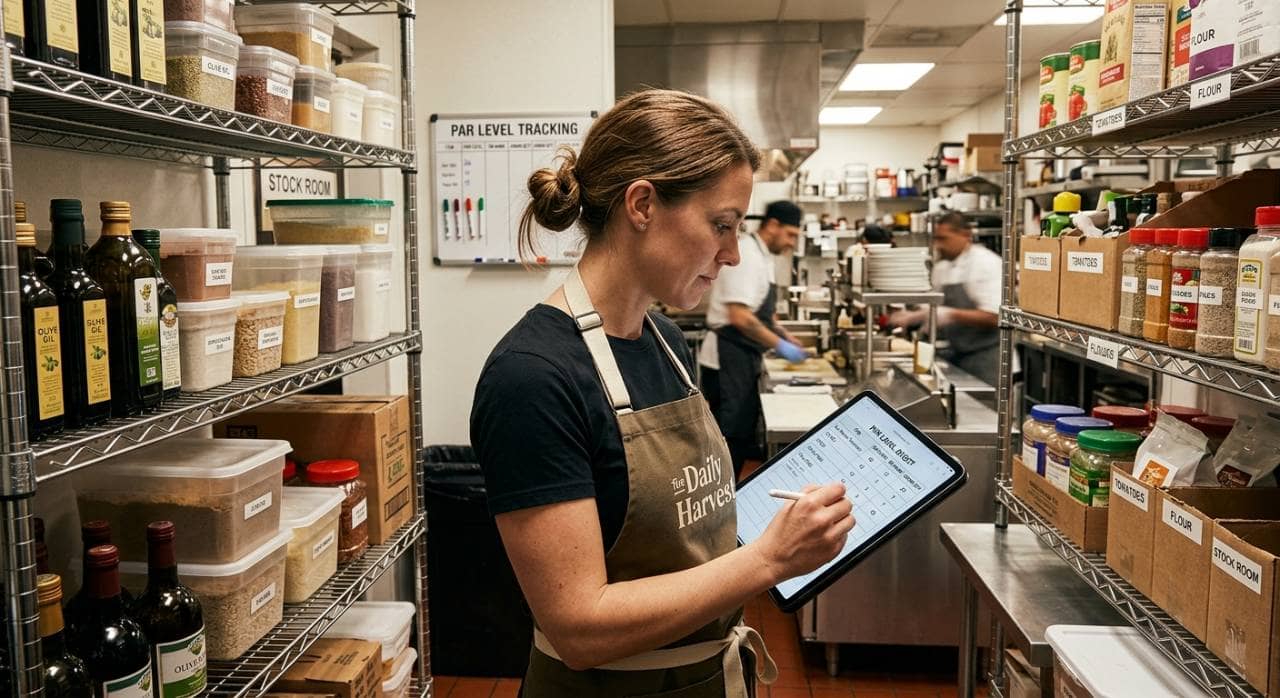
Learn to calculate par levels for restaurant food, beverages, and packaging inventory, preventing stockouts and waste through proper formulas.
Sep 4, 2026
Caribou Coffee appoints Zane Thomas-Rogers as Chief Operations Officer to strengthen execution across its expanding coffeehouse network.
Sep 4, 2026

Unlock Exclusive Access To Webinars, Events, And The Latest News For Free!
A thoughtful look at how fast‑food giants are expanding value bundles and digital promos to win back diners.

Photo by 150 Billi
On a quiet afternoon, the hum of a café sits in the background as the fast‑food landscape quietly retools its rhythm. Price pressures press in, yet the appetite for value grows louder, a gentle tug at the wallet that makes a complete meal feel possible again. Chains are replying not with a single discount but with bigger bundles and digital ease, aiming to turn a quick bite into a comforting moment that invites staying a little longer. The mood is soft, almost lullaby‑like in its promise: you can walk away with more for the same price, and feel good about the choices you made.
What’s on offer isn't just a price tag, it’s a pattern: bigger bundles, digital ordering, and loyalty hooks sewn together to feel welcoming.
Jimmy John’s introduced a $10 Total Package Meal on August 5, 2024, pairing an eight‑inch Original sandwich with chips, a dessert, and a drink for a filling lunch that undercuts prior combo pricing and positions the chain at about 2,600 locations.
Hardee’s revived The Original Bag at $5.99, a two‑entrées plus fries and drink bundle, with regional twists in some markets.
Taco John’s rolled out a digital‑only $7 Meal Steal featuring two tacos, a Nacho Crunch Beef Burrito, a small order of Potato Olés, and a small drink, mirroring a growing appetite for compact value that travels smoothly through apps.

The core idea driving these configurations is quantity and variety at a single price point, designed for digital convenience. Jimmy John’s shipped a $10 package that combines choice with a sense of abundance, while Hardee’s offered a two‑entrées option that remains flexible with regional substitutions. Taco John’s kept the lineup tight and digital‑friendly, ensuring customers can order quickly without sacrificing breadth. In a broader context, other players have leaned into similar tactics, McDonald’s with a $5 Meal Deal and Burger King with a $5 Your Way, from which the industry learns a shared language of value that travels well online.
Digital convenience is a throughline. The value push blends high‑frequency access with bundling discipline, a pattern echoed by Jack in the Box in its under‑$4 offerings. As promotional windows appear and disappear, chains seek to anchor visits and drive app engagement, all while balancing menu breadth with margin considerations. The result is a visible, evolving ecosystem where price and perception meet in a single, shareable moment.
Inspire Brands, the parent company of Jimmy John’s, frames the Total Package Meal as a customizable offering that delivers great dollar value without compromising on ingredients or quantity, a line that surfaces repeatedly in corporate statements and trade coverage. The emphasis is on balance, quantity, choice, and digital access, woven into a limited‑time launch that invites consumer curiosity.
Jack in the Box has described its value approach as delivering true variety to tackle any craving at a value price, signaling breadth as a core selling point while keeping promotions moving through apps and menus.
The conversation isn’t only about optimism. A sense of caution threads through coverage as brands carve out limited windows and private‑equity ownership shapes the pace of experimentation. The quoted line from Inspire Brands, great dollar value without compromising on quality ingredients or quantity of food, serves as a reminder that operators want to preserve brand signals even as price tactics proliferate. The industry narrative remains: value is a tool, not a guarantee of durable profitability.

Detailed performance metrics for these campaigns are rarely disclosed, leaving analysts to triangulate from macro signals rather than site‑by‑site data. In this story, the scale and reach of Roark Capital‑owned brands, through Inspire Brands and related holdings, shape how promotions are funded and rolled out, even as the broader market watches for signs of traction. The August 5, 2024 launches of the Jimmy John’s Total Package Meal and the Hardee’s Original Bag are framed as limited‑time opportunities, a standard tactic to test appetite for larger value bundles within a crowded field.
This ownership context, spanning brands like Subway acquired in 2023 and a constellation of restaurant concepts, helps explain why value plays can surface across multiple banners at once. Even when public performance data is scarce, industry observers gauge momentum through macro foot traffic, ticket size, and the cadence of new offers. The strategy is clear: test aggressively, measure widely, and adjust with a sense of urgency that comes from a fast‑moving consumer landscape.
McDonald’s has kept a steady focus on value with nationwide promotions like the $5 Meal Deal, while Burger King has urged consumers to explore its $5 Your Way offerings, including Whopper Jr. and related combos, with digital and app incentives. Jack in the Box has continued to lean into under‑$4 items such as 99‑cent tacos as part of a broader volume strategy. The value wave extends into breakfast and family formats, with digital exclusives and multi‑brand bundles becoming a staple in promotions, further shaping the landscape.
Industry observers cite a durable trend: the long‑running push toward affordable bundles continues even as inflation and wage dynamics press on. The ecosystem now spans family meals, multi‑item carts, and cross‑brand digital funnels, with KFC and others dipping into similar playbooks. Fortune and NRN frames this as a sustained repositioning in fast‑service menus, one aimed at stabilizing foot traffic through high‑frequency, economy‑mized choices.

Still, questions linger as the wave grows. How sustainable are these value packages when costs rise further, and what is the true profitability when promotions stretch across markets and digital channels? The opacity of private‑equity performance data makes precise assessment difficult, especially for franchisees operating with thin margins. The field’s tendency to test in limited time frames adds another layer of complexity, blurring long‑term planning and capital allocation as cannibalization and supplier dynamics loom in the background.
As promotions proliferate, labor costs, store efficiency, and the risk of eroding full‑price item appeal remain concerns. The industry’s careful calibration, not just a series of flash promotions but a thoughtful, data‑driven approach to ticket size, traffic, and margins, will determine how enduring these value plays prove to be. Trade coverage and private‑equity context suggest that the conversation about value will persist into the mid‑2020s, with operators watching for real, long‑term improvements in profitability.
For diners, the expansion of value bundles and digital promotions means more affordable pathways to a complete meal, with the comfort of choice and ease of ordering. For chains, the aim is clear: restore foot traffic, deepen app engagement, and differentiate through the perception of value without diluting brand signals. The Roark Capital ecosystem’s scale may accelerate cross‑brand testing and regional tailoring, delivering more opportunities, and more questions, about how value is packaged across platforms.
The dynamic remains contingent on how consumers respond, macro conditions, and the ability of brands to translate lower sticker prices into sustainable margins and wages. The takeaway is a gentler, more human version of the value war, promotions that feel like hospitality, and menus that deserve a lingering, comforting moment rather than a hurried checkout.
