
California Penalizes Dickey's for Franchise Disclosure Violations
California shifts to public enforcement strategy against Dickey's for deceptive franchise disclosures, signaling stricter state-level franchise oversight.
Franchising
Sep 10, 2026
California shifts to public enforcement strategy against Dickey's for deceptive franchise disclosures, signaling stricter state-level franchise oversight.
Sep 10, 2026
Paul Brown temporarily steps away from Inspire Brands as Scott Murphy assumes interim CEO role during confidential IPO filing process targeting late 2026.
Sep 10, 2026
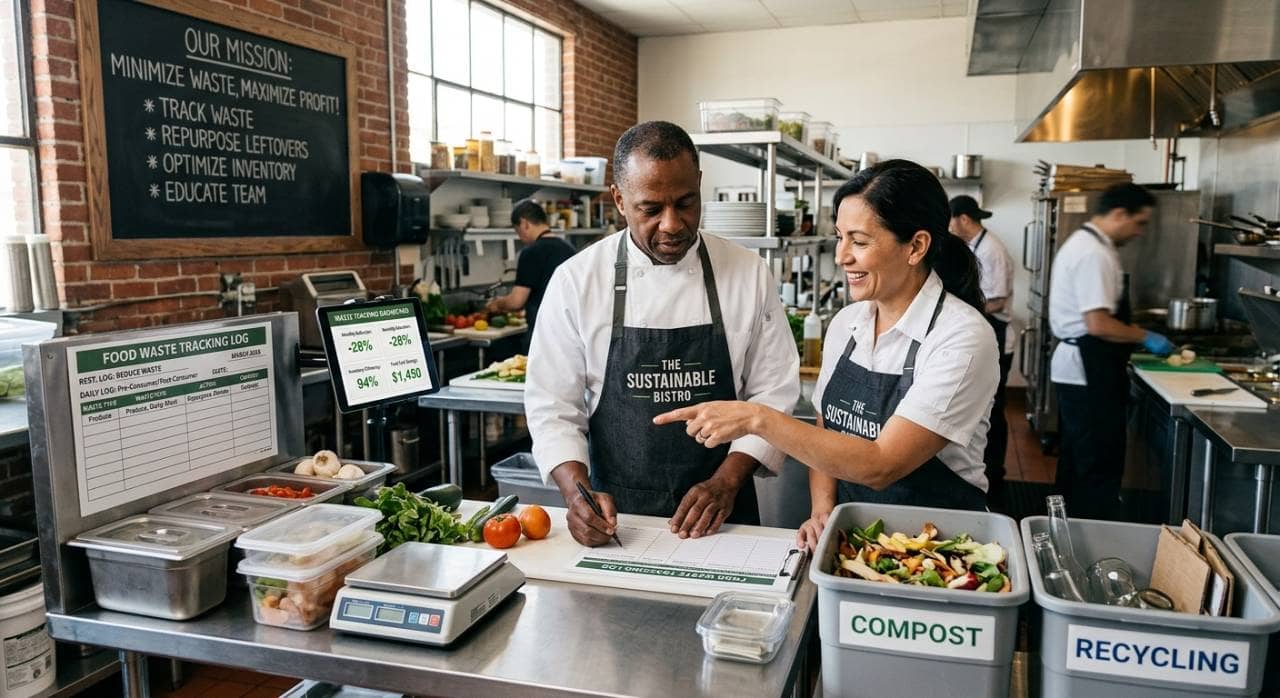
Learn how to reduce food waste in restaurants through smarter purchasing, storage, preparation, and service strategies that cut costs.
Sep 9, 2026
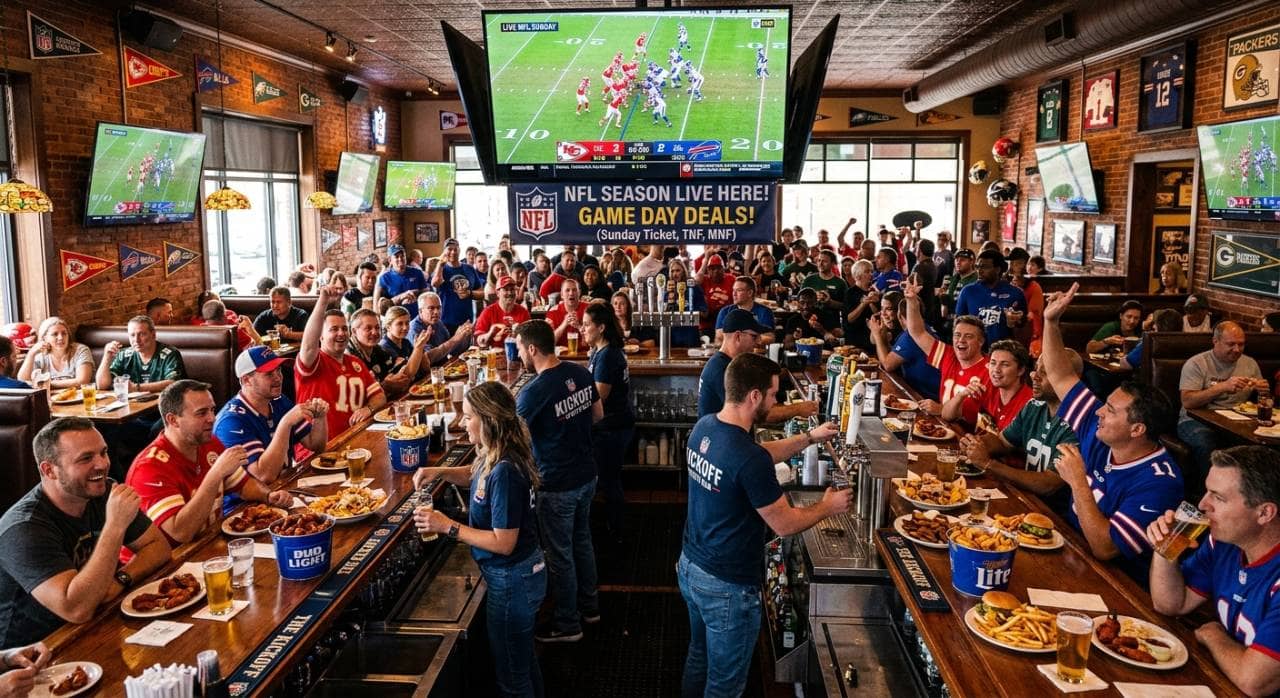
Prepare your restaurant for NFL season with smart menu planning, staffing, marketing, technology, and atmosphere strategies that boost season-long revenue.
Sep 9, 2026
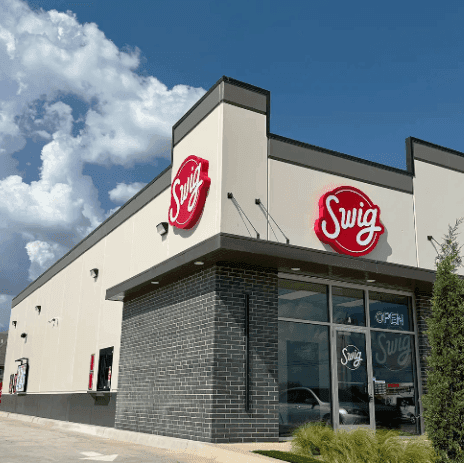
Swig signs franchise agreement for 11 South Denver locations, marking Colorado entry and validating its national expansion strategy.
Sep 8, 2026
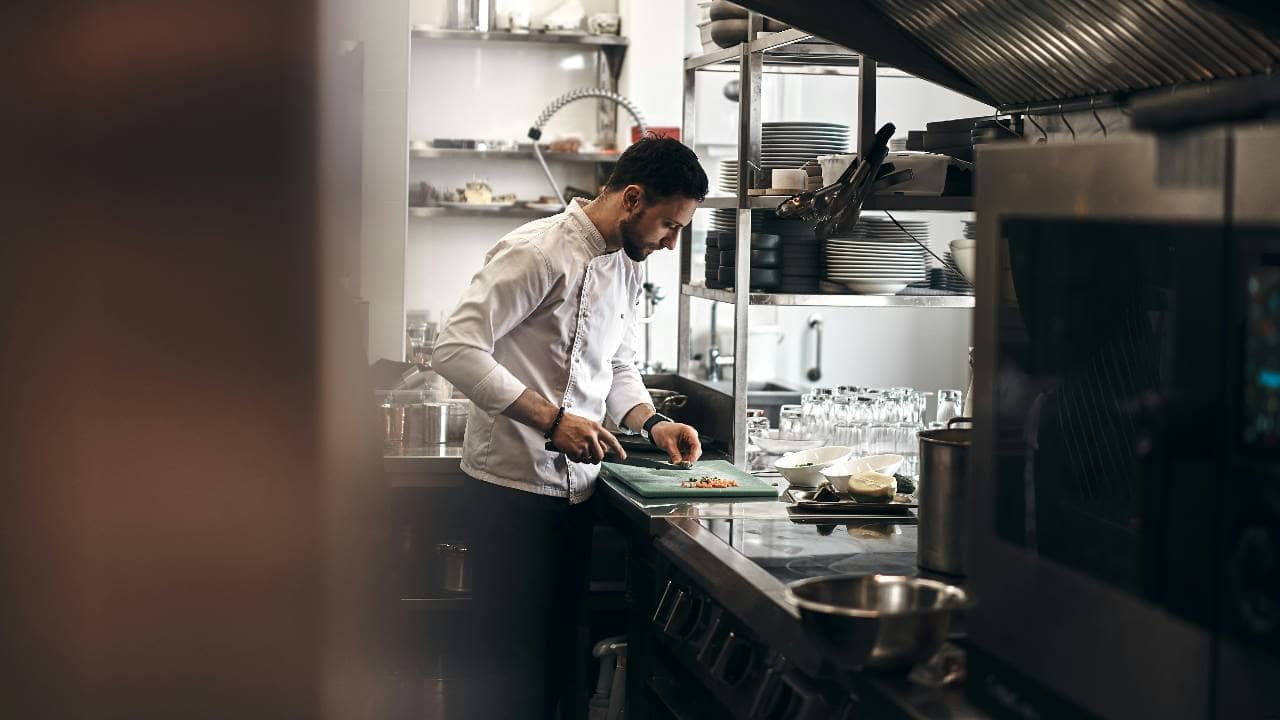
Complete guide helping restaurant owners choose essential kitchen equipment - covering cooking, refrigeration, prep, sanitation, ventilation, safety, and long-term maintenance planning.
Sep 7, 2026
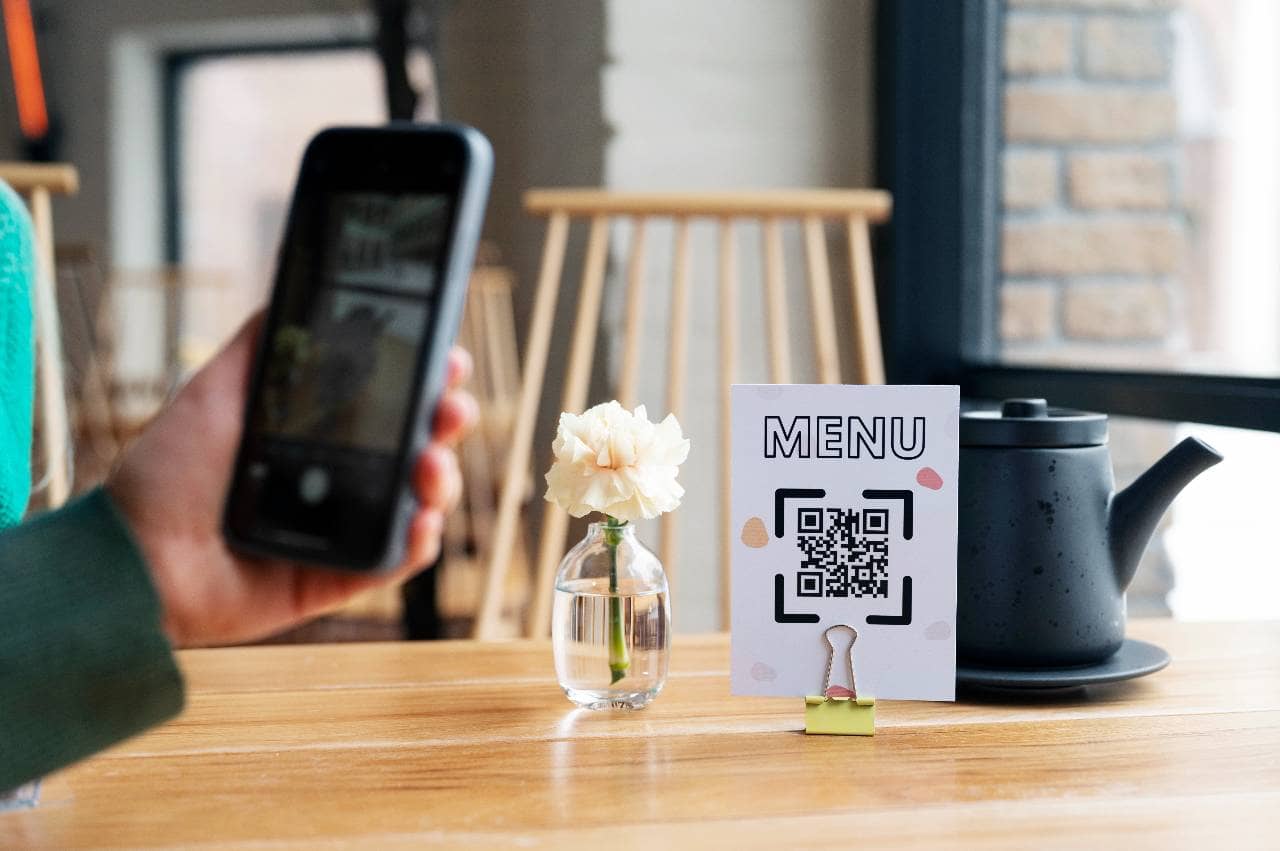
QR code menus let restaurants replace paper menus digitally, enabling instant updates, contactless browsing, ordering, and payment through simple smartphone scanning.
Sep 7, 2026

Avoiding common restaurant payroll mistakes - misclassification, tip credit errors, overtime miscalculations - protects businesses from costly penalties, back pay, and compliance risks.
Sep 4, 2026
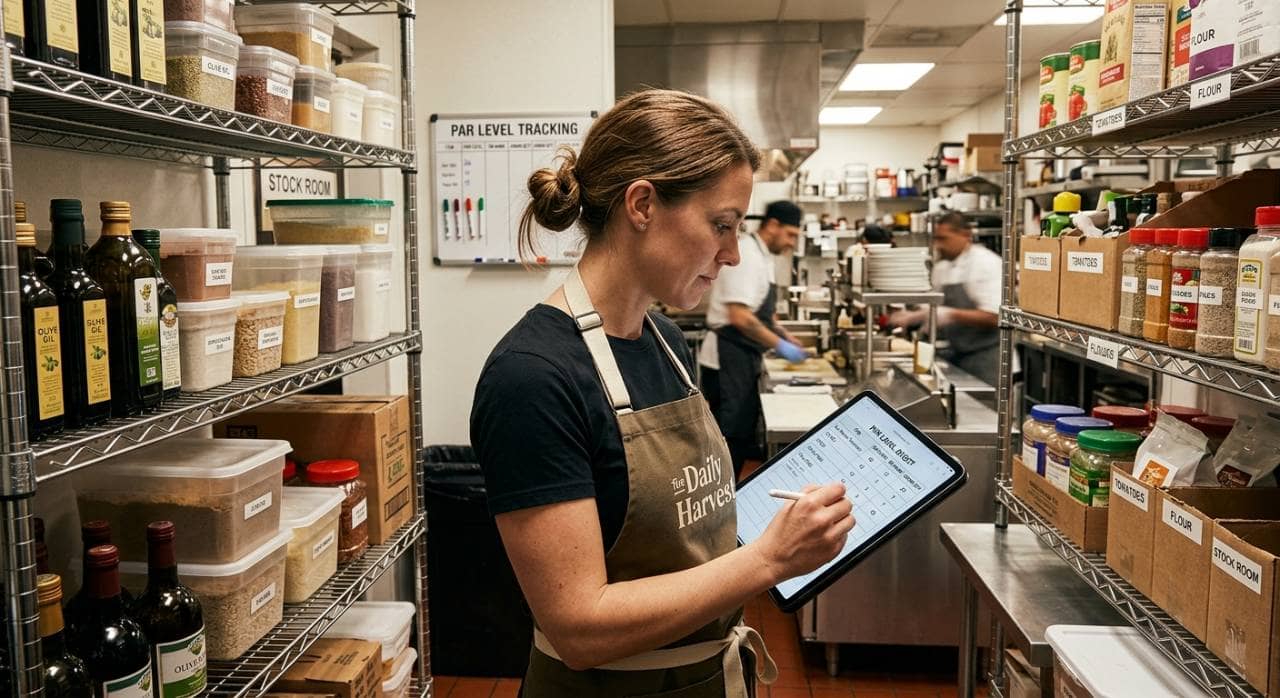
Learn to calculate par levels for restaurant food, beverages, and packaging inventory, preventing stockouts and waste through proper formulas.
Sep 4, 2026
Caribou Coffee appoints Zane Thomas-Rogers as Chief Operations Officer to strengthen execution across its expanding coffeehouse network.
Sep 4, 2026

Unlock Exclusive Access To Webinars, Events, And The Latest News For Free!
Walmart teams with Mr. Gatti’s to open 92 compact pizza outlets inside stores, blending quick-service dining with everyday shopping.

Photo by Nick Hillier
Walmart is betting that stores can be more than checkout lanes and bulk aisles. The retailer teams with Mr. Gatti’s Pizza to bring hot, ready-to-eat meals into 92 locations across Texas, Louisiana, Oklahoma, and Kentucky. It’s not a one-off promotion; it’s a larger bet that shopping trips become multi-stop experiences. By weaving pizza into the store, Walmart leans into speed, convenience, and family dining instead of turning aisles into a food court. Mr. Gatti’s, a Fort Worth-based brand with hundreds of locations, will operate compact storefronts sized at 800–1,500 square-foot, tucked inside existing footprints. The goal: in-store dining as a core differentiator in a crowded landscape.
What the setup looks like in practice: the spaces are deliberately compact off-site outlets that sit inside the broader Walmart footprint, designed to keep planning tight and build-out quick. The 800–1,500 square-foot footprint balances familiar branding with fast service, enabling faster expansion cycles and lower capital needs per unit. Mr. Gatti’s leverages its regional appeal in the South and Southwest while tapping Walmart’s nationwide platform, a combo many see as a template for other non-traditional store partnerships. For shoppers, the aim is straightforward: more convenient, ready-to-eat meals during busy days without upending the core shopping flow.

Inside Walmart, the strategy centers on compact, off-site dining spaces rather than full-blown restaurants. This modular setup speeds everything from permitting to opening, a big win for a brand that wants to grow fast without heavy capital. The 800–1,500 square-foot footprint is a careful middle ground, recognizable branding and a quick-service rhythm, but small enough to fit within existing store layouts. The goal isn’t to compete with the grocery aisles; it’s to add a dining option that preserves the store’s rhythm while inviting families to linger longer and, yes, cross-shop on the way out.
That balance also helps Walmart scale in a cost-aware way. The rollout uses a phased approach to minimize disruption while maximizing convenience. In practice, the deal plants Mr. Gatti’s in markets where it already has strong followings, particularly in the South and Southwest, so the brand can grow without losing its identity. For the retailer, the move reinforces the store as a community hub and a place where a quick meal can fit neatly into a family’s routine.

Mr. Gatti’s leadership frames the Walmart partnership as a pivotal growth accelerant. The rollout is seen not just as more stores, but as a way to reach families where they shop for groceries and meals alike. The executives describe a multi-channel growth path, less reliant on malls or standalone sites, more about weaving the brand into people’s daily routines. The message is pragmatic and upbeat: faster scale, more touchpoints, and closer ties to local communities.
With Walmart, the partnership stands to deepen loyalty for both sides. For Mr. Gatti’s, the channel offers immediate footprint and revenue without the overhead of a new standalone restaurant. For Walmart, the dining option strengthens the store’s value proposition and supports its Store of the Future ambitions, turning the retail floor into a more complete community destination where families can grab a meal while running errands.
From a timeline perspective, the rollout moved with a brisk cadence. The plan started with 92 total units across four states, with initial openings slated for the fourth quarter of 2024. The pace quickly gained momentum: by early 2025, 15 Walmart locations had opened, with 23 more under construction. The total footprint stood at 234 locations open or in development systemwide, a signal of aggressive, but controlled, scale. Executives emphasize that the new outlets are designed to integrate smoothly with Walmart’s formats and to deliver quick-service throughput that supports brisk guest cycles.
That cadence also carries a broader message: this isn’t a flash-in-the-pan experiment. It’s a deliberate push to accelerate revenue growth and broaden brand visibility across markets that know Mr. Gatti’s from the South and Southwest, while letting Walmart surface more dining options without a major overhaul of store layouts. The approach ties into Walmart’s Store of the Future ambitions, refreshing layouts, boosting product variety, and turning stores into community hubs.

In the broader retail scene, this move fits a larger trend: branded foodservice inside stores is becoming a differentiator, loyalty lever, and trip-driver. Walmart has reshaped its in-store dining lineup since ending its McDonald’s partnership in 2021, leaning into poke concepts and other fast-casual brands in select stores. The aim is to blend groceries with ready-to-eat meals, turning shopping trips into multi-stop experiences. Observers say this flexible, scalable approach helps drive visit frequency and basket size without requiring sweeping aisle overhauls.
Gaps and uncertainties linger as pilots scale. How broadly the model will travel beyond the four targeted states remains to be seen, and performance will likely dictate pace. Industry watchers cite supply-chain alignment, maintaining quality at the point of sale, and the pace of unit openings as learning points from past retailer partnerships. The path seems cautious but ambitious: test, measure, and adjust so in-store dining complements rather than competes with core grocery shopping. For shoppers, the payoff is more convenient meals; for brands, a quicker route to scale; for Walmart, a stronger, more dynamic store, a true community hub.
