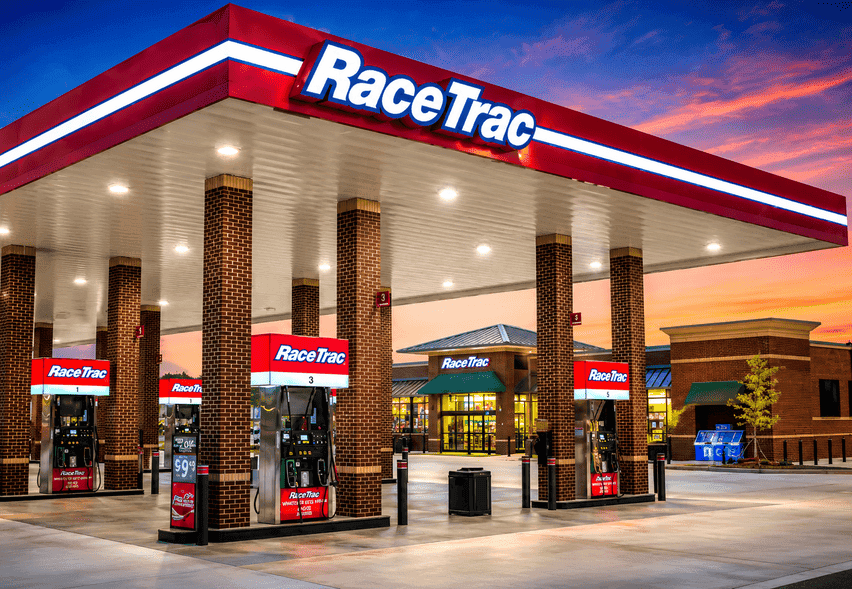
RaceTrac Names Jill Pemberton as New CFO
RaceTrac has appointed Jill Pemberton as chief financial officer, succeeding Karla Ahlert, who moves into the newly created role of chief administrative officer.
News
Aug 26, 2026
RaceTrac has appointed Jill Pemberton as chief financial officer, succeeding Karla Ahlert, who moves into the newly created role of chief administrative officer.
Aug 26, 2026
Learn practical ways to reduce labour costs through smarter scheduling, forecasting, productivity, cross-training, automation, overtime control, and performance monitoring strategies.
Aug 26, 2026

A restaurant P&L statement reveals sales, expenses, and profits, helping owners manage costs, improve margins, and plan finances more effectively.
Aug 26, 2026

A payroll advance policy helps restaurant owners define eligibility, limits, repayment, documentation, approval procedures, and compliance requirements for employee advances.
Aug 24, 2026
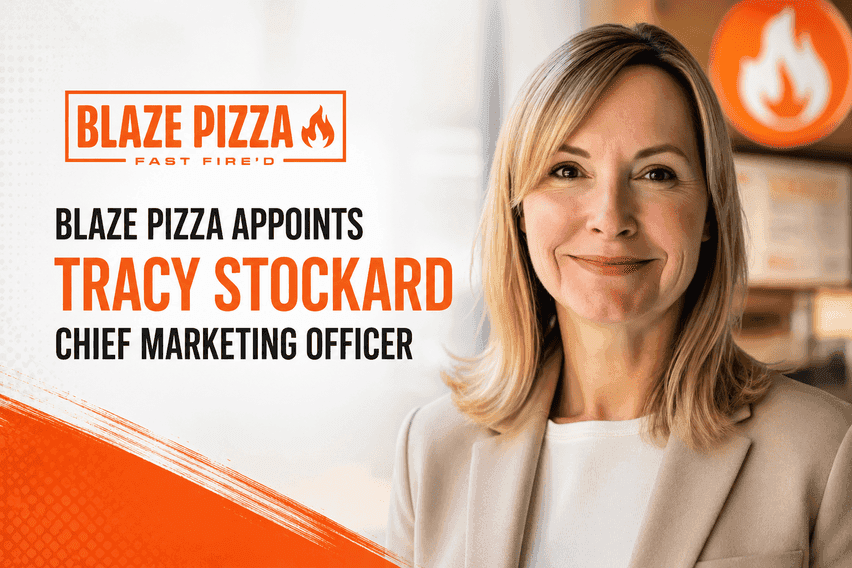
Blaze Pizza welcomes Tracy Stockard as Chief Marketing Officer, bringing decades of brand and franchise experience to drive strategic growth and guest engagement.
Aug 25, 2026

Levain Bakery appoints Lorna Sommerville and Taya Stenson as co-CEOs, blending operational and marketing expertise to power national expansion and innovation while staying rooted in its brand values.
Aug 25, 2026

Create a practical restaurant marketing plan by setting goals, targeting customers, choosing channels, budgeting wisely, scheduling campaigns, and measuring results.
Aug 24, 2026
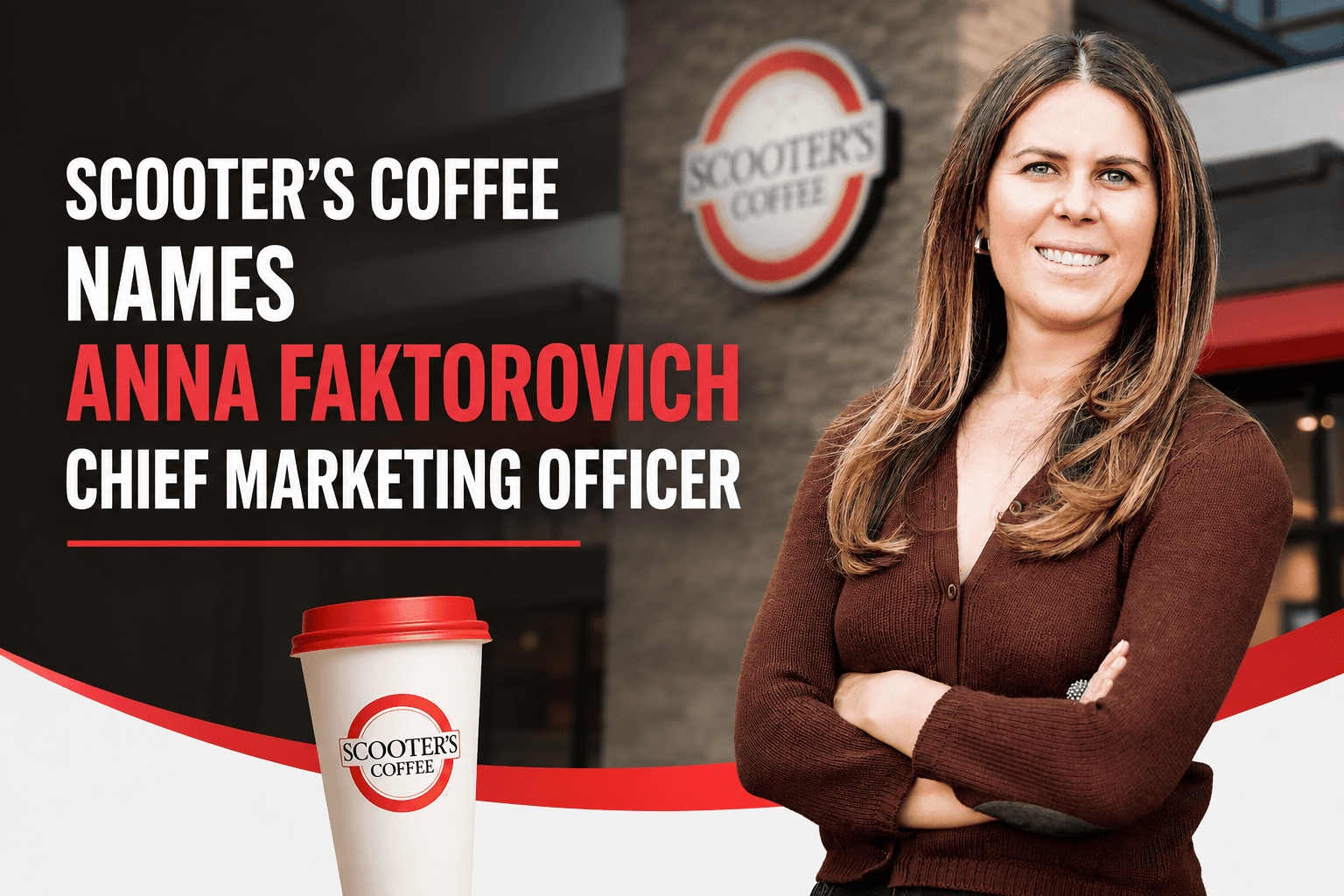
Anna Faktorovich, a seasoned marketing executive, has been named Chief Marketing Officer at Scooter’s Coffee, bringing decades of multi-brand experience to fuel the franchise’s next growth stage.
Aug 25, 2026
Dave & Buster's refreshes its executive lineup with seasoned leaders in operations, marketing, tech, and finance - signaling a growth-driven future for restaurant operators to watch.
Aug 24, 2026
Wendy’s announces Tariq Hassan as Chief Marketing and Customer Growth Officer, charting a new course for brand and digital innovation. What restaurant owners can learn.
Aug 24, 2026

Unlock Exclusive Access To Webinars, Events, And The Latest News For Free!
Wonder acquires Mighty Quinn’s BBQ, aligning ops and tech to scale via food halls and delivery, backed by funding as it readies Texas expansion and eyes a 2027–2028 IPO.

Photo by Jo Jo
Wonder has acquired Mighty Quinn’s BBQ, an eight-unit fast casual chain based in New York City, adding it to its portfolio of approximately 30 restaurant brands and delivery concepts. According to Nation’s Restaurant News senior editor Joe Guszkowski, terms were not disclosed. Key members of Mighty Quinn’s management will remain in place, and co-founder and co-CEO Micha Magid will serve as a consultant during the transition.
Magid posted on LinkedIn, "It has been quite a ride," and added, "Now, as part of Wonder, the ride is about to speed up and we can’t wait." This is Wonder’s second outright restaurant acquisition following its February purchase of the single-unit Blue Ribbon Fried Chicken in New York City.
Founded in 2012 by James Beard Award-winning pitmaster Hugh Mangum, caterer Christo Gourmos, and Magid, Mighty Quinn’s earned early momentum after a favorable New York Times review.

The brand moved into franchising and launched packaged meats for grocery stores. Today it runs five locations in New York and single units in New Jersey, Florida, and Maryland, which Wonder says it will continue to operate under existing leadership. The deal fits Wonder’s plan to buy established regional concepts and scale them through its high-tech food halls and delivery network, a strategy that includes a plan to open 120 food halls across Texas backed by $2 billion raised for aggressive expansion.
Operationally, the pieces line up. Wonder’s commissary-driven system mirrors Mighty Quinn’s hub-and-spoke supply chain, where meat is smoked at a centralized facility before distribution to restaurants. Wonder’s culinary team, led by professionally trained chefs, will set unified preparation methods and ingredient specifications across its mealtime platform.

The company will pull on resources from its acquisitions of Blue Apron and Spyce kitchen robotics to support higher production volumes. It is also piloting Zipline drone delivery in Texas to cut delivery times and reach underserved areas, a capability that could extend to Mighty Quinn’s barbecue as the network grows.
Magid framed the handoff as acceleration, saying, "Now, as part of Wonder, the ride is about to speed up and we can’t wait."
Franchising advocates see tailwinds for scaled concepts. Matt Haller, president and CEO of the International Franchise Association, said, "The resilience of franchising has enabled our model to adapt, endure and thrive in the face of challenging macroeconomic headwinds." Industry analysts point to platform acquisitions as a route for specialty brands to tap capital efficiency and technology that push them beyond core markets.

The financial firepower is real. Wonder has secured $355 million of a reported $600 million pre-IPO equity raise, bringing its total outside funding to nearly $2.8 billion since 2021, following a $600 million round last May that valued the business at more than $7 billion.
The company has signaled it will be IPO-ready by early 2027, has hired a CFO with public-markets experience, and founder Marc Lore has floated March 2028 as an IPO target. The footprint has roughly tripled since mid-2025, now at about 130 food halls across 10 East Coast states and Washington, D.C., with an expectation of 400 locations by 2027.

Market currents cut both ways. Technomic’s 2026 Top 500 Report shows chain restaurant sales exceeded $450 billion in 2025, with growth cooling as consumers reined in dining spend. Franchise forecasts remain sturdy, with the International Franchise Association projecting more than 12,000 new franchised establishments in 2026 and economic output rising by 1.6 percent, and Franchise Business Review reporting that large brands grew unit counts more than three times faster than smaller systems in 2025.
Consumer appetite for smoke is holding, too: the U.S. barbecue grill market reached $1.36 billion in 2025 and is forecast at $1.41 billion in 2026, growing at a 3.07 percent CAGR through 2031. Questions linger around this deal, since Wonder has not disclosed valuation or earn-out structures. The pace of expansion for Mighty Quinn’s beyond the East Coast is unknown, as is how centralized commissaries will preserve barbecue quality over distance and how authenticity perceptions will track at scale.

This acquisition underscores Wonder’s platform approach of marrying culinary credibility with capital, technology, and distribution. As Wonder readies a Texas rollout and a potential IPO, the company’s ability to scale Hugh Mangum’s recipes without dulling the brand’s edge will be the tell. If it works, expect more labor- and technique-intensive cuisines to join the playbook. If it stumbles, the limits of centralized production will show fast.