
What Is a P&L Statement in a Restaurant?
A restaurant P&L statement reveals sales, expenses, and profits, helping owners manage costs, improve margins, and plan finances more effectively.
Accounting
Aug 26, 2026
A restaurant P&L statement reveals sales, expenses, and profits, helping owners manage costs, improve margins, and plan finances more effectively.
Aug 26, 2026
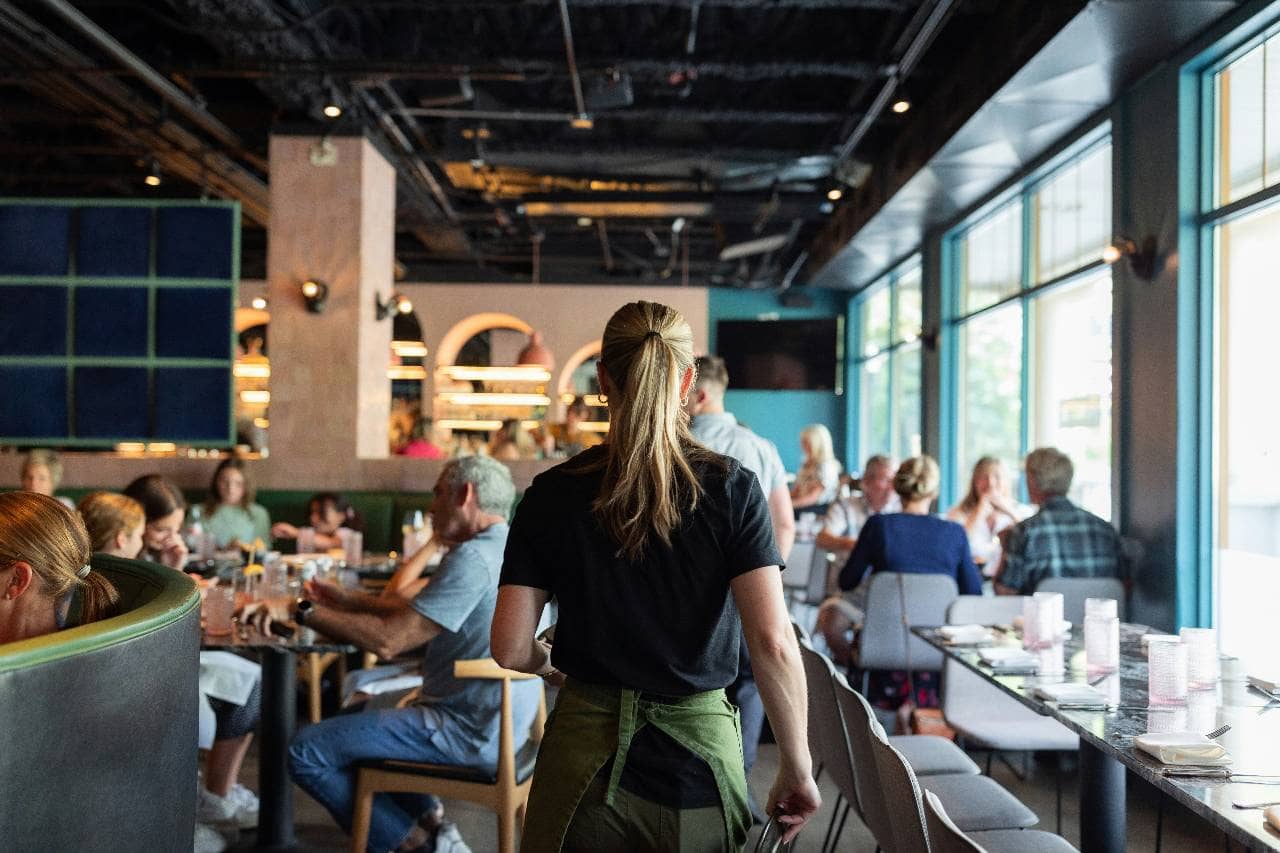
Learn practical ways to reduce labour costs through smarter scheduling, forecasting, productivity, cross-training, automation, overtime control, and performance monitoring strategies.
Aug 26, 2026
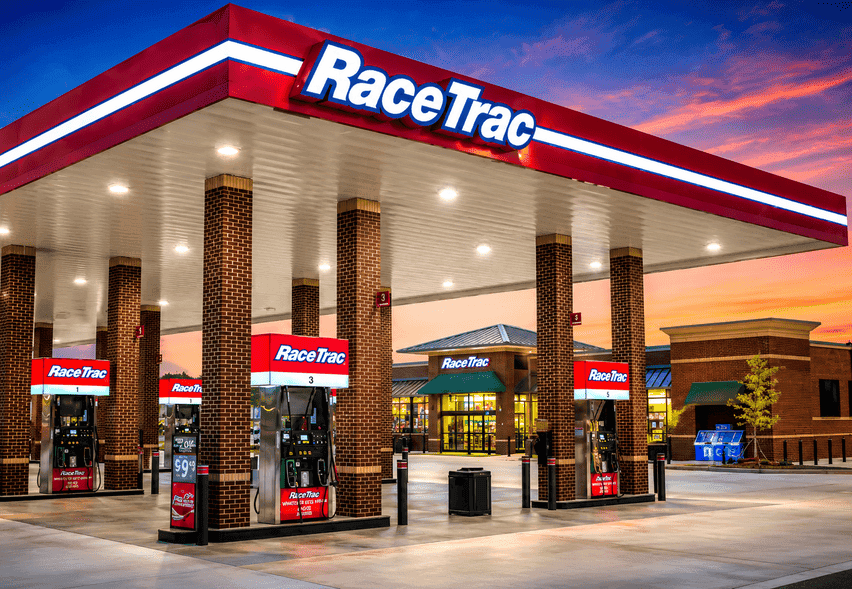
RaceTrac has appointed Jill Pemberton as chief financial officer, succeeding Karla Ahlert, who moves into the newly created role of chief administrative officer.
Aug 26, 2026

Create a practical restaurant marketing plan by setting goals, targeting customers, choosing channels, budgeting wisely, scheduling campaigns, and measuring results.
Aug 24, 2026
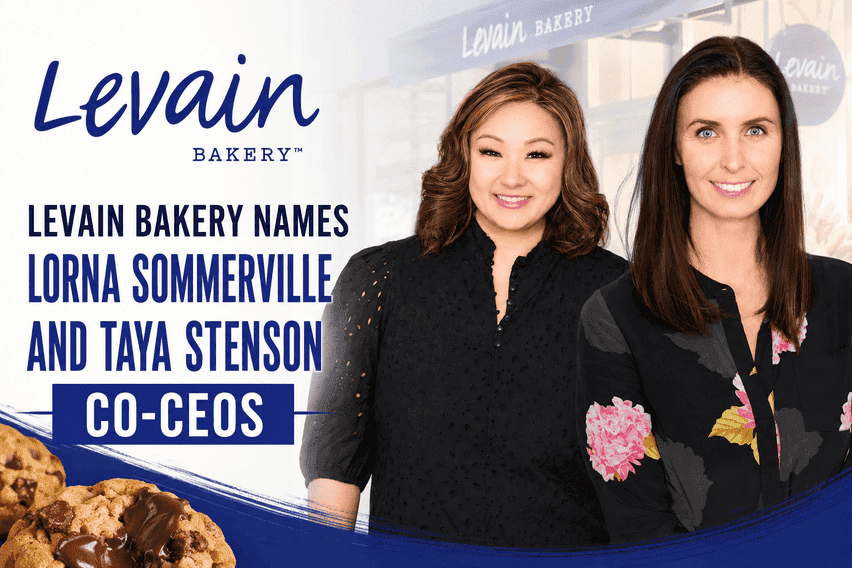
Levain Bakery appoints Lorna Sommerville and Taya Stenson as co-CEOs, blending operational and marketing expertise to power national expansion and innovation while staying rooted in its brand values.
Aug 25, 2026
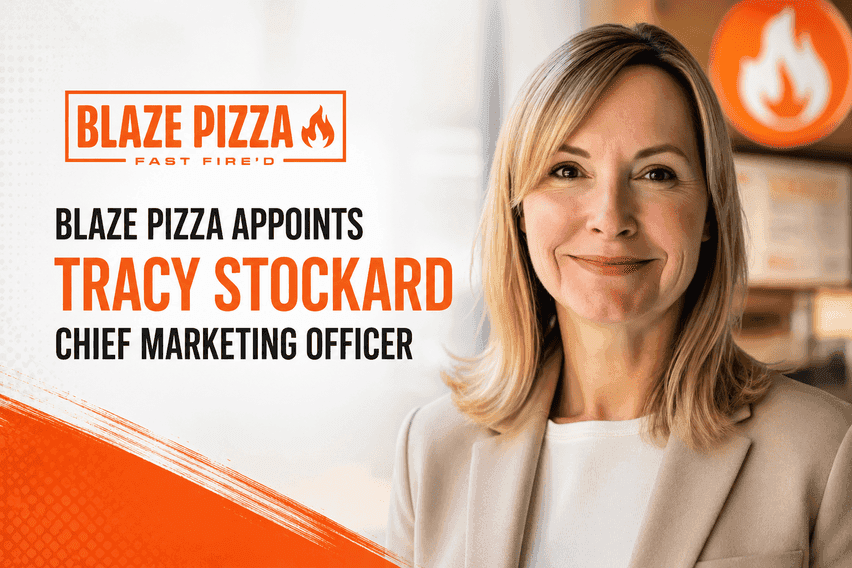
Blaze Pizza welcomes Tracy Stockard as Chief Marketing Officer, bringing decades of brand and franchise experience to drive strategic growth and guest engagement.
Aug 25, 2026
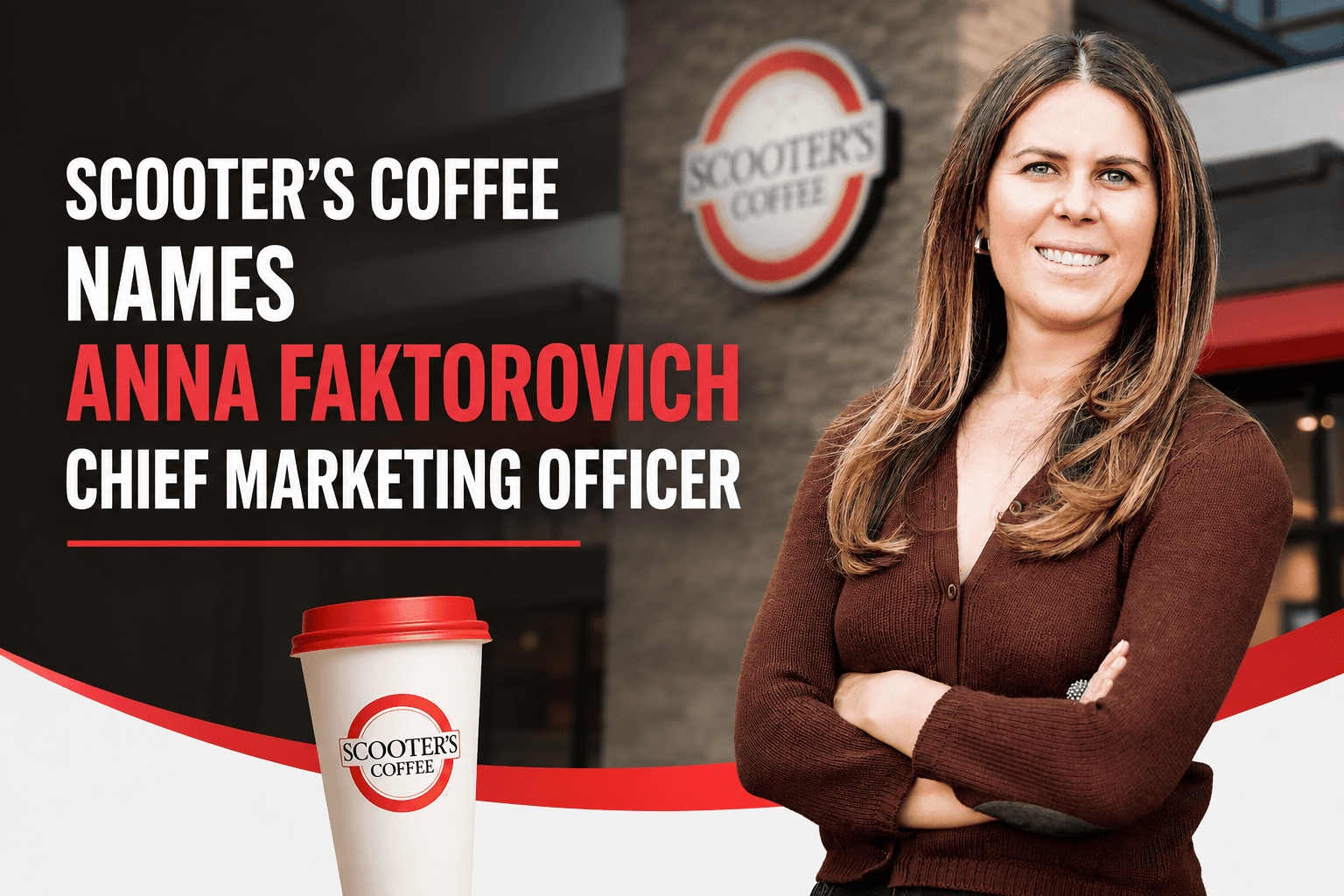
Anna Faktorovich, a seasoned marketing executive, has been named Chief Marketing Officer at Scooter’s Coffee, bringing decades of multi-brand experience to fuel the franchise’s next growth stage.
Aug 25, 2026
A payroll advance policy helps restaurant owners define eligibility, limits, repayment, documentation, approval procedures, and compliance requirements for employee advances.
Aug 24, 2026
Dave & Buster's refreshes its executive lineup with seasoned leaders in operations, marketing, tech, and finance - signaling a growth-driven future for restaurant operators to watch.
Aug 24, 2026
Wendy’s announces Tariq Hassan as Chief Marketing and Customer Growth Officer, charting a new course for brand and digital innovation. What restaurant owners can learn.
Aug 24, 2026

Unlock Exclusive Access To Webinars, Events, And The Latest News For Free!
Sensory-driven menu language boosts sales 27% and speeds decisions online and in-store. Data-backed tactics, examples, and pitfalls for operators.

Photo by Sergey Kotenev
One phrase moved the needle in a measurable way. A six-week field experiment with 140 customers found that evocative dish names such as “succulent Italian seafood filet” boosted sales by 27% and improved how guests felt about both the food and the restaurant. Scale that across a U.S. restaurant industry projected to hit $1.5 trillion in sales in 2025, with nearly 15.9 million employees, and the upside on smarter menu language gets very real.
The playbook is not gimmicky. Research indicates that when descriptive labels are used sparingly and appropriately, they can lift sales and improve post-consumption attitudes. Menu language works as a pre-consumption sales tool. It reduces hesitation, frames premium items, and guides choices before a server ever arrives. Vivid, sensory-driven words help customers picture taste, texture, and preparation, which lowers perceived risk and makes a higher price feel justified. Guests decide faster, and average checks rise without touching pricing, ingredients, or labor.

What does that look like in practice? Start with sensory cues that guests can feel: rich, zesty, smoky, bright, or honeyed. Add texture so expectations match reality: crispy skin, creamy center, or velvety finish. Then spotlight the craft: slow-cooked short ribs, charred scallions, hand-cut fries, or sous vide salmon. Language can also reframe potential negatives. Burned becomes blackened. Dry becomes crispy.
Fatty becomes indulgent. Mushy becomes tender. Greasy becomes velvety. Salty becomes well-seasoned. Small shifts change perception before the first bite. Operators are pairing that copy with human storytelling. Chef and designer Anna Polonsky puts it cleanly: “I see a menu like any romantic interest: You don’t want to know every single detail from one first look, but you don’t want to have to engage in a six-part date to understand what you’re dealing with,” a reminder to balance detail with intrigue.

At D.C.’s Baan Mae, Chef Seng Luangrath trains servers to “tell the story,” syncing front-of-house narratives with menu language to enrich the dining experience. On the content side, writers like Corrinn, who has five years at WebstaurantStore, blend research, writing, and cooking to produce longform resources that help operators put these tactics to work.
Digital menus raise the stakes. Off-premises dining now accounts for nearly 75% of all restaurant traffic. With no server to step in, words have to do the heavy lifting. Online menus perform best with 12 to 18 words for most items, and up to 25 words for premium dishes. Delivery apps benefit from 12 to 15 words to support quick scrolling.
Guests are primed for convenience, with 47% of adults picking up takeout at least once a week and 37% ordering delivery weekly. Investment follows that behavior. Fifty-eight percent of limited-service and 41% of full-service operators report that off-premises now accounts for a larger share of sales than in 2019. Seventy-four percent of companies invest in off-premises technologies, and half of Gen Z and millennials are open to AI-generated assistants for restaurant orders. As delivery, drive-thru, and takeaway remain essential, descriptive copy will keep differentiating brands and justifying premium pricing.
Healthy dishes benefit from the same approach. Labels like low-fat or light can signal compromise and depress demand. Research shows that plant-forward items sell better when framed with appealing sensory and process cues, such as tender grilled zucchini ribbons or hearty roasted chickpea bowls. Lead with flavor and texture, position health benefits as secondary, and match the tone of indulgent options with emphasis on freshness, preparation, and enjoyment.
There are still nuances to manage. Many studies are short-term and context-specific, and appealing language effects were only observed where English was the native language, which points to the need for localization. Overuse of descriptors can slow decisions or read as pretentious, hurting sales.
The fix is discipline. A/B test descriptions, track average check sizes, and tune language to your guests and brand position. Every word on a menu is a chance to reduce friction and steer diners toward higher-margin picks. Combine sensory descriptors, process cues, and context-specific language, and you can lift conversion rates, raise average checks, and even turn tables faster. Keep refining the copy, and it will keep feeding both guest satisfaction and profitability.