
Restaurant Technology Trends in 2026
Explore restaurant technology trends in 2026, including AI, automation, digital ordering, workforce tools, connected kitchens, personalization, and profitability strategies today.
Technology
Aug 28, 2026
Explore restaurant technology trends in 2026, including AI, automation, digital ordering, workforce tools, connected kitchens, personalization, and profitability strategies today.
Aug 28, 2026
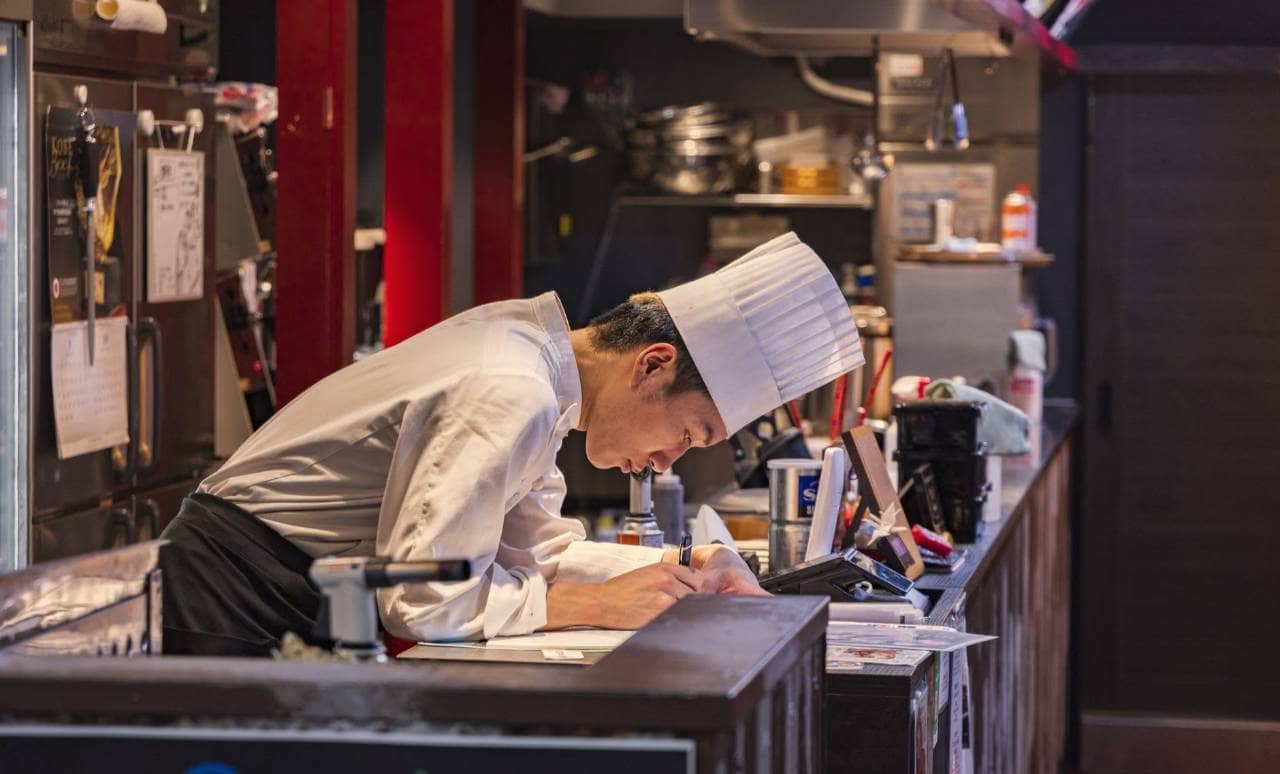
Learn how to calculate restaurant cost of goods using inventory, purchases, COGS percentage, variance reviews, and regular tracking for profitability.
Aug 31, 2026
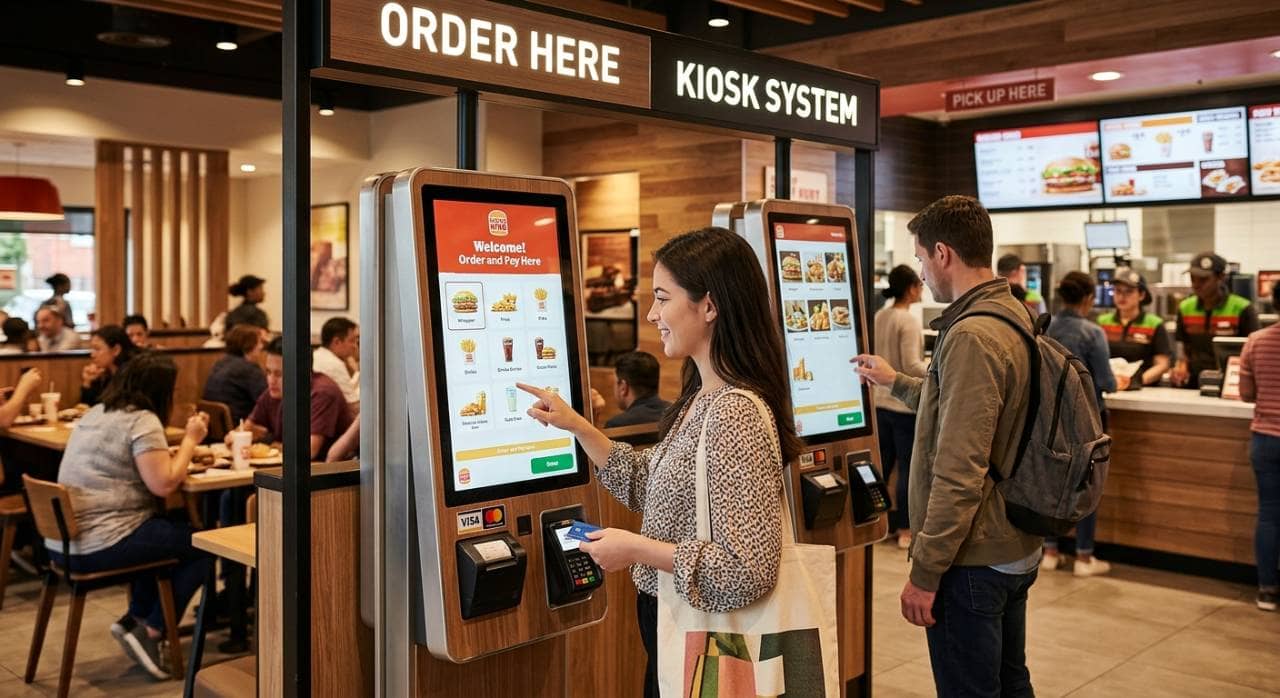
Understand how to evaluate a Kiosk system using key criteria including features, POS integration, hardware, pricing, customer experience, and support.
Aug 31, 2026

Learn the startup costs of opening an ice cream shop, including rent, equipment, renovations, permits, inventory, labor, marketing, and reserves.
Aug 28, 2026
RaceTrac has appointed Jill Pemberton as chief financial officer, succeeding Karla Ahlert, who moves into the newly created role of chief administrative officer.
Aug 26, 2026

A restaurant P&L statement reveals sales, expenses, and profits, helping owners manage costs, improve margins, and plan finances more effectively.
Aug 26, 2026
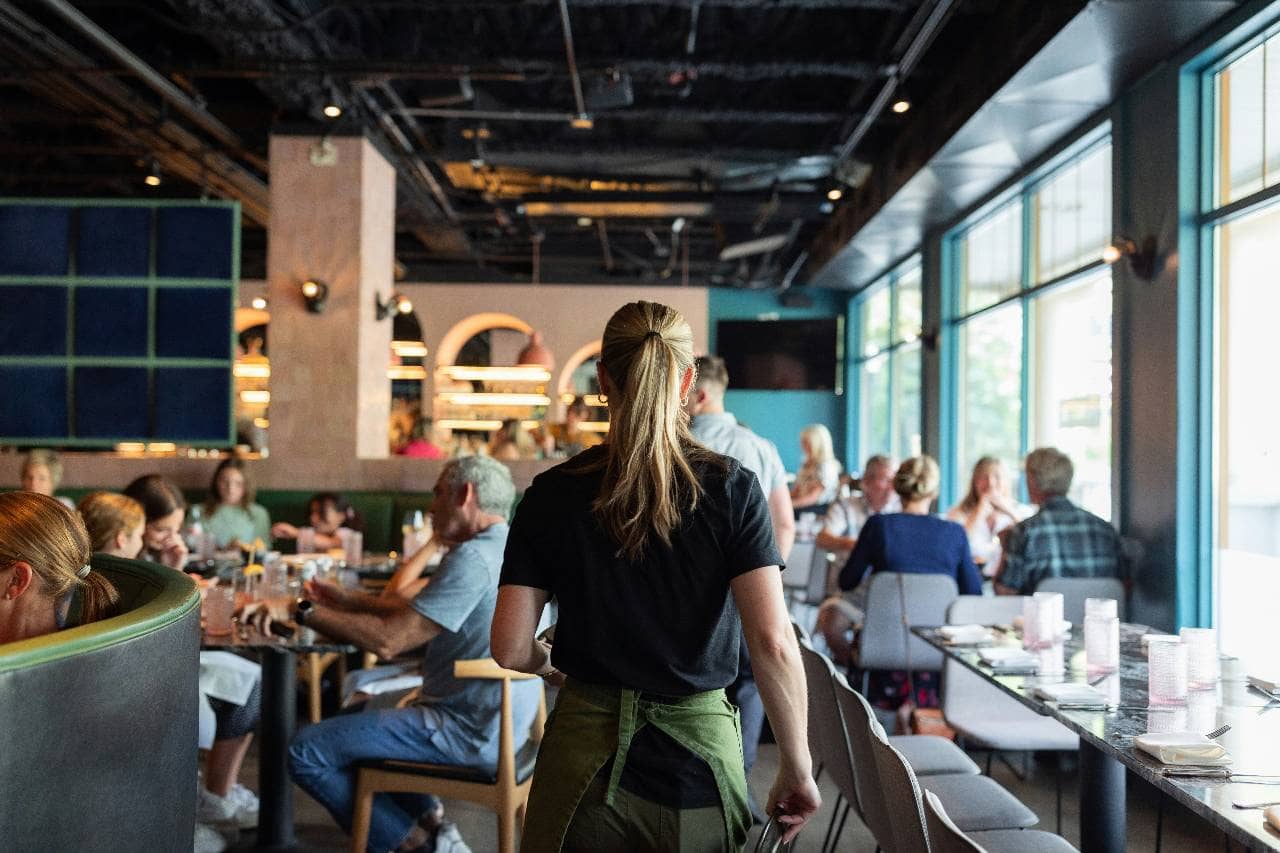
Learn practical ways to reduce labour costs through smarter scheduling, forecasting, productivity, cross-training, automation, overtime control, and performance monitoring strategies.
Aug 26, 2026

Create a practical restaurant marketing plan by setting goals, targeting customers, choosing channels, budgeting wisely, scheduling campaigns, and measuring results.
Aug 24, 2026
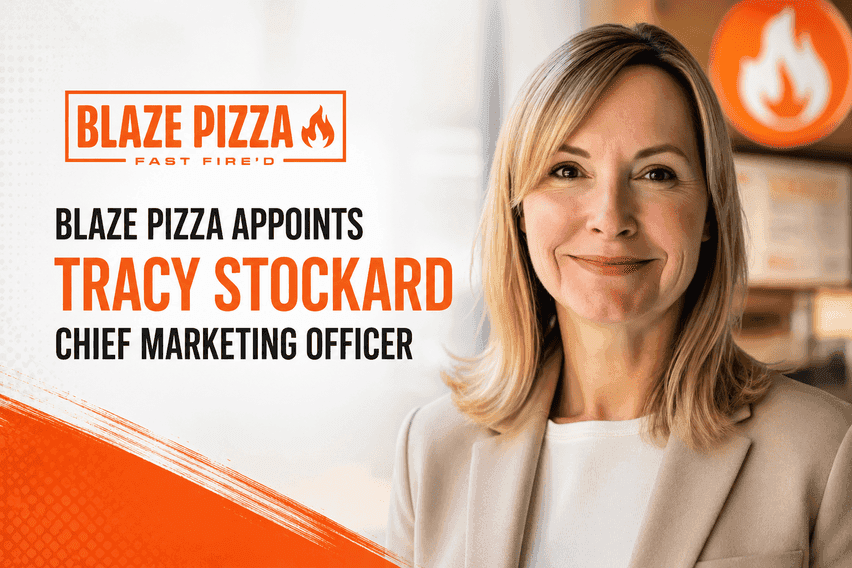
Blaze Pizza welcomes Tracy Stockard as Chief Marketing Officer, bringing decades of brand and franchise experience to drive strategic growth and guest engagement.
Aug 25, 2026

Levain Bakery appoints Lorna Sommerville and Taya Stenson as co-CEOs, blending operational and marketing expertise to power national expansion and innovation while staying rooted in its brand values.
Aug 25, 2026

Unlock Exclusive Access To Webinars, Events, And The Latest News For Free!
Discover why raising food safety standards is paramount for the success of restaurants. Learn how negligence in food safety can lead to financial losses and reputation damage.

Photo by Shawn

Photo by Shawn
The restaurant industry is facing grave challenges, with a significant portion of establishments failing within their first five years of operation. Amid economic uncertainties and evolving consumer preferences, maintaining high food safety standards emerges as a paramount factor for restaurants to safeguard themselves from substantial financial setbacks. Despite the persistent health and financial risks posed by foodborne illnesses, statistics indicate a stagnant trend in the number of outbreaks stemming from retail foodservice providers in recent years.
Recent data from the Centers for Disease Control and Prevention underscores the severity of the situation, revealing that in 2023 alone, retail foodservice establishments in the U.S. were responsible for 307 outbreaks, causing 4,429 illnesses and seven fatalities. These numbers signify a significant portion of the total foodborne disease outbreaks across the country. The lack of improvement in these figures over the past decade has intensified the onus on foodservice operators to enhance their food safety protocols.

Photo by Shawn
As governmental health agencies face budget cuts and staff shortages, the responsibility for ensuring food safety in the industry falls increasingly on the shoulders of restaurant owners and operators. By focusing on governance to minimize food safety risks, the sector can actively work towards reducing the frequency of outbreaks and associated illnesses. Strengthening hygiene standards and operational practices is pivotal to combating the prevalence of foodborne diseases.
Photo by Shawn
Norovirus stands out as a primary culprit behind foodborne illnesses, predominantly transmitted through infected food handlers handling ready-to-eat foods in restaurants and similar settings. These environments offer a critical juncture for enhancing control measures to curb the spread of pathogens. Maintaining stringent hygiene standards not only mitigates health hazards but also enhances customer trust and loyalty.
In light of recent food safety incidents and customer demands for cleanliness, restaurant operators must cultivate a culture of accountability and leadership in upholding hygiene standards. Neglecting these expectations poses significant risks, both in terms of public health implications and negative business outcomes. Embracing the imperative of clean operations is no longer a choice; it is a fundamental necessity for sustainable success in the industry.
With regulatory frameworks becoming more strained, restaurant operators are urged to not just meet basic compliance requirements but to proactively lead in public health initiatives. Recognizing that a single incident can have far-reaching consequences, prioritizing pristine operations is no longer a nicety but a critical mandate. The industry is on the brink of a new era of food safety, emphasizing the significance of vigilance at the point of service.