
Restaurant Technology Trends in 2026
Explore restaurant technology trends in 2026, including AI, automation, digital ordering, workforce tools, connected kitchens, personalization, and profitability strategies today.
Technology
Aug 28, 2026
Explore restaurant technology trends in 2026, including AI, automation, digital ordering, workforce tools, connected kitchens, personalization, and profitability strategies today.
Aug 28, 2026
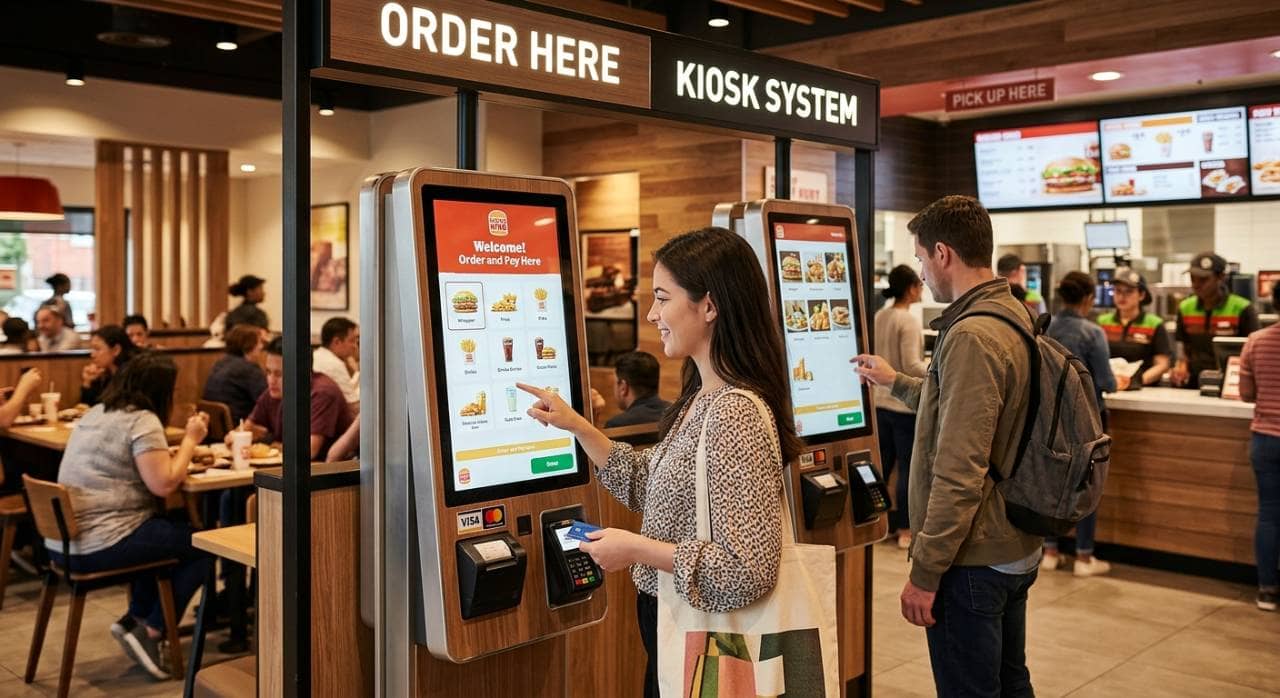
Understand how to evaluate a Kiosk system using key criteria including features, POS integration, hardware, pricing, customer experience, and support.
Aug 31, 2026
Learn how to calculate restaurant cost of goods using inventory, purchases, COGS percentage, variance reviews, and regular tracking for profitability.
Aug 31, 2026

Learn the startup costs of opening an ice cream shop, including rent, equipment, renovations, permits, inventory, labor, marketing, and reserves.
Aug 28, 2026

A restaurant P&L statement reveals sales, expenses, and profits, helping owners manage costs, improve margins, and plan finances more effectively.
Aug 26, 2026
Learn practical ways to reduce labour costs through smarter scheduling, forecasting, productivity, cross-training, automation, overtime control, and performance monitoring strategies.
Aug 26, 2026
RaceTrac has appointed Jill Pemberton as chief financial officer, succeeding Karla Ahlert, who moves into the newly created role of chief administrative officer.
Aug 26, 2026

Create a practical restaurant marketing plan by setting goals, targeting customers, choosing channels, budgeting wisely, scheduling campaigns, and measuring results.
Aug 24, 2026

Levain Bakery appoints Lorna Sommerville and Taya Stenson as co-CEOs, blending operational and marketing expertise to power national expansion and innovation while staying rooted in its brand values.
Aug 25, 2026

A payroll advance policy helps restaurant owners define eligibility, limits, repayment, documentation, approval procedures, and compliance requirements for employee advances.
Aug 24, 2026

Unlock Exclusive Access To Webinars, Events, And The Latest News For Free!
Explore how Sweetgreen is addressing operational challenges through menu innovation and sales strategies to improve profitability.

Photo by Ehud Neuhaus

Photo by Ehud Neuhaus
Following a sales shortfall, Sweetgreen faced the need to downgrade its guidance for full-year same-store sales, indicating operational and profitability issues. The brand's profitability concerns were exacerbated by operational losses, reaching $26.4 million with a negative margin of 14.2%. This decline in profitability was attributed to the sales drop and underperformance of many of the chain's restaurants.
Sweetgreen's CEO acknowledged that the fundamental aspects of sourcing, cooking, and throughput were present but lacked consistency in delivery, impacting guest expectations. One surprising contributing factor to operational challenges was the presence of a successful but distracting menu item, Ripple Fries. This item, while loved by customers, hindered the preparation of core menu offerings, leading to inefficiencies.
To combat operational difficulties, Sweetgreen made the strategic decision to discontinue Ripple Fries, resulting in improved customer satisfaction as hold times decreased. Despite this menu change, the brand remains committed to innovation. It has reintroduced seasonal menu offerings to cater to consumer preferences, with planned seasonal menus in the coming years.
William Blair analyst Sharon Zackfia highlighted that Sweetgreen's forthcoming efforts, including new seasonal menus and marketing around protein portions, could help stabilize the brand. The brand's focus on waning negative impacts from loyalty program changes is crucial for maintaining customer loyalty and boosting sales.