How to Calculate Cost of Goods Sold for a Restaurant
Learn how to calculate restaurant cost of goods using inventory, purchases, COGS percentage, variance reviews, and regular tracking for profitability.
Accounting
Aug 31, 2026
Learn how to calculate restaurant cost of goods using inventory, purchases, COGS percentage, variance reviews, and regular tracking for profitability.
Aug 31, 2026

Explore restaurant technology trends in 2026, including AI, automation, digital ordering, workforce tools, connected kitchens, personalization, and profitability strategies today.
Aug 28, 2026
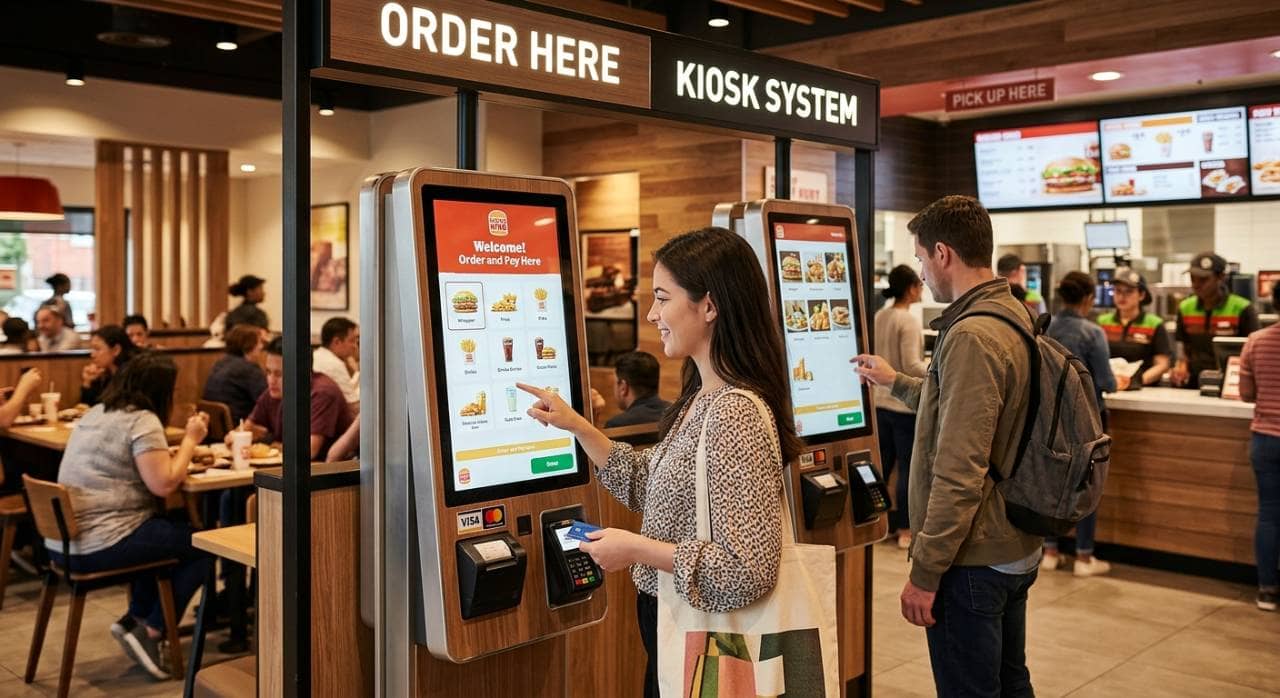
Understand how to evaluate a Kiosk system using key criteria including features, POS integration, hardware, pricing, customer experience, and support.
Aug 31, 2026
Learn the startup costs of opening an ice cream shop, including rent, equipment, renovations, permits, inventory, labor, marketing, and reserves.
Aug 28, 2026

A restaurant P&L statement reveals sales, expenses, and profits, helping owners manage costs, improve margins, and plan finances more effectively.
Aug 26, 2026
Learn practical ways to reduce labour costs through smarter scheduling, forecasting, productivity, cross-training, automation, overtime control, and performance monitoring strategies.
Aug 26, 2026
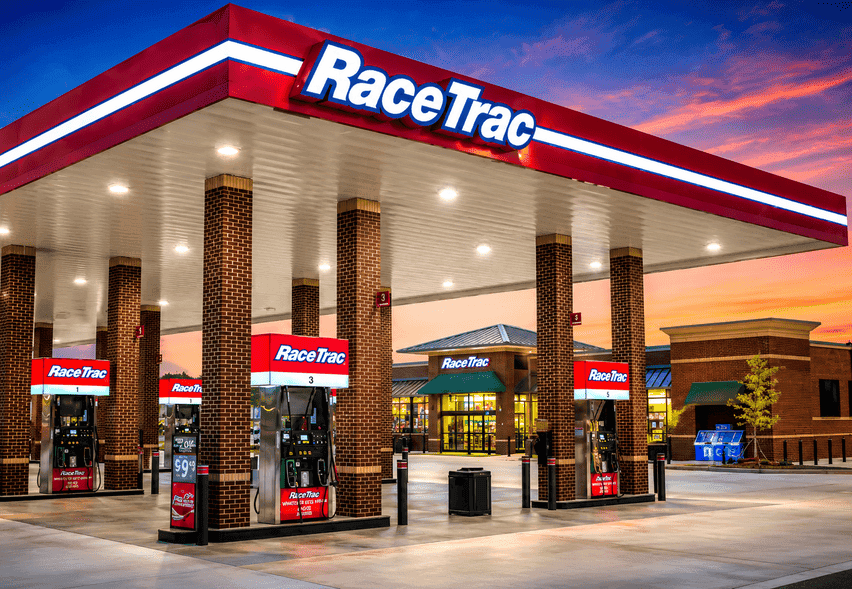
RaceTrac has appointed Jill Pemberton as chief financial officer, succeeding Karla Ahlert, who moves into the newly created role of chief administrative officer.
Aug 26, 2026

Create a practical restaurant marketing plan by setting goals, targeting customers, choosing channels, budgeting wisely, scheduling campaigns, and measuring results.
Aug 24, 2026

Levain Bakery appoints Lorna Sommerville and Taya Stenson as co-CEOs, blending operational and marketing expertise to power national expansion and innovation while staying rooted in its brand values.
Aug 25, 2026

A payroll advance policy helps restaurant owners define eligibility, limits, repayment, documentation, approval procedures, and compliance requirements for employee advances.
Aug 24, 2026

Unlock Exclusive Access To Webinars, Events, And The Latest News For Free!
Explore the latest trends in restaurant traffic, consumer behavior, and economic indicators influencing the dining landscape.

Photo by Alex Haney
Despite economic factors like tariffs and input inflation, restaurant traffic remains resilient. Analysts observe that consumer sentiment and spending habits are not reflecting traditional economic sensitivities, highlighting a decoupling between macroeconomic indicators and dining trends.

Photo by Alex Haney
Consumer behavior in dining has shifted, with varying demographics showcasing distinct preferences. While lower-income consumers opt for home dining, higher-income brackets continue to dine out, influencing the overall restaurant traffic landscape. This diversification in consumer preferences presents both challenges and opportunities for the restaurant industry.
Photo by Alex Haney
Unemployment rates and disposable income levels remain crucial factors affecting restaurant traffic. As unemployment remains low and disposable income continues to grow, the dining sector is poised for sustained traffic, emphasizing the significance of these economic indicators in forecasting dining trends.

Photo by Alex Haney
In response to consumer demand for value, restaurants are adapting pricing strategies to attract customers. Value menus, reduced check sizes, and emphasizing quality experiences at competitive prices are tactics employed to navigate the evolving dining landscape. The balance between pricing and perceived value is pivotal in driving customer footfall.
Fast-casual restaurants are gaining traction by offering enhanced experiences despite higher prices. Casual dining chains are also leveraging value propositions to appeal to customers amidst shifting preferences. Observing segment performance and market dynamics is crucial for restaurants to adapt and thrive in a competitive environment.
While challenges persist, industry experts remain cautiously optimistic about the future of restaurant traffic. Projections suggest a gradual recovery in the coming quarters, supported by evolving consumer behaviors and economic stability. Adapting to changing dynamics and enhancing value propositions will be key for restaurants to sustain growth.