How to Calculate Cost of Goods Sold for a Restaurant
Learn how to calculate restaurant cost of goods using inventory, purchases, COGS percentage, variance reviews, and regular tracking for profitability.
Accounting
Aug 31, 2026
Learn how to calculate restaurant cost of goods using inventory, purchases, COGS percentage, variance reviews, and regular tracking for profitability.
Aug 31, 2026

Explore restaurant technology trends in 2026, including AI, automation, digital ordering, workforce tools, connected kitchens, personalization, and profitability strategies today.
Aug 28, 2026
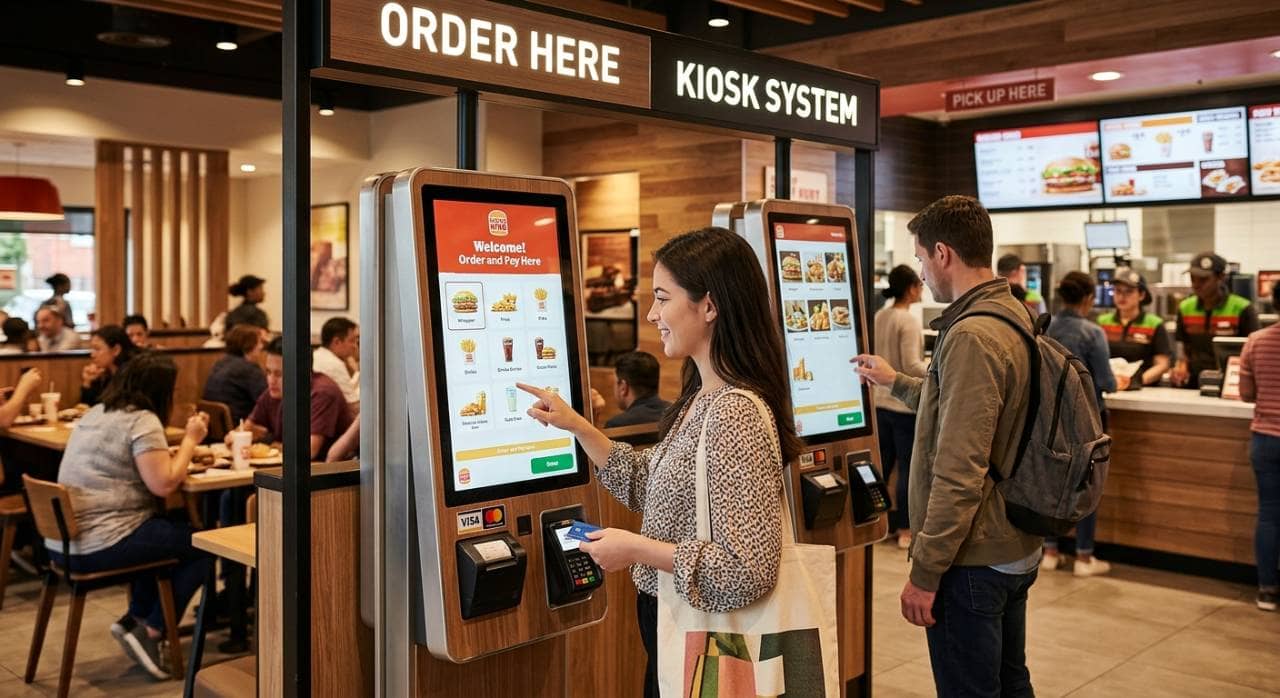
Understand how to evaluate a Kiosk system using key criteria including features, POS integration, hardware, pricing, customer experience, and support.
Aug 31, 2026

Learn the startup costs of opening an ice cream shop, including rent, equipment, renovations, permits, inventory, labor, marketing, and reserves.
Aug 28, 2026

A restaurant P&L statement reveals sales, expenses, and profits, helping owners manage costs, improve margins, and plan finances more effectively.
Aug 26, 2026

RaceTrac has appointed Jill Pemberton as chief financial officer, succeeding Karla Ahlert, who moves into the newly created role of chief administrative officer.
Aug 26, 2026

Learn practical ways to reduce labour costs through smarter scheduling, forecasting, productivity, cross-training, automation, overtime control, and performance monitoring strategies.
Aug 26, 2026

A payroll advance policy helps restaurant owners define eligibility, limits, repayment, documentation, approval procedures, and compliance requirements for employee advances.
Aug 24, 2026

Create a practical restaurant marketing plan by setting goals, targeting customers, choosing channels, budgeting wisely, scheduling campaigns, and measuring results.
Aug 24, 2026

Levain Bakery appoints Lorna Sommerville and Taya Stenson as co-CEOs, blending operational and marketing expertise to power national expansion and innovation while staying rooted in its brand values.
Aug 25, 2026

Unlock Exclusive Access To Webinars, Events, And The Latest News For Free!
Explore how the Independent Restaurant Coalition advocates for tax exemptions on service charges to enhance compensation fairness in independent restaurants.

Photo by Jason Leung
The Independent Restaurant Coalition (IRC) has been at the forefront of advocating for fair compensation practices within independent bars and restaurants. Their recent call to Congress to amend the 'No Tax on Tips' provision in the proposed budget reconciliation package highlights their commitment to ensuring that all restaurant workers benefit from tax relief. By urging for an extension of tax exemptions to service charges, the IRC aims to address the disparity in compensation between front-of-house and back-of-house employees.
The current tax system, where only tipped workers receive tax benefits under the Fair Labor Standards Act, leaves out crucial back-of-house staff like dishwashers, chefs, and porters. While the proposed tax exemption on tips could provide an average tax cut of $1,260 for tipped workers, non-tipped employees remain excluded from these benefits. This discrepancy underscores the need for broader reforms to ensure equitable compensation for all restaurant workers.
By advocating for the inclusion of service charges in the tax exemption policy, the IRC aims to extend financial relief to low- and middle-income workers across the restaurant industry. Service charges, which have become common in recent years to cover various employee-related costs, are currently taxed as business income, disadvantaging employees. If service charges were treated similarly to tips under the tax code, it would not only alleviate the tax burden on employees but also legitimize service charges as a valid form of compensation.
The IRC emphasizes that transparent and equitable compensation practices are essential for the sustainability of independent restaurants. By exempting service charges from taxes, businesses may be encouraged to adopt more transparent pay structures and offer fair compensation to all employees. This move could not only enhance employee morale but also attract talent to the industry, promoting long-term growth and stability.
The IRC's efforts have garnered significant industry support, as evidenced by the 400 independent restaurants and owners across 26 states who signed a letter urging Congress to reform the taxation of service charges. This collective push for fairness in compensation highlights the importance of aligning tax policies with the evolving needs of the restaurant workforce and promoting a more inclusive and sustainable restaurant industry.