
Restaurant Technology Trends in 2026
Explore restaurant technology trends in 2026, including AI, automation, digital ordering, workforce tools, connected kitchens, personalization, and profitability strategies today.
Technology
Aug 28, 2026
Explore restaurant technology trends in 2026, including AI, automation, digital ordering, workforce tools, connected kitchens, personalization, and profitability strategies today.
Aug 28, 2026
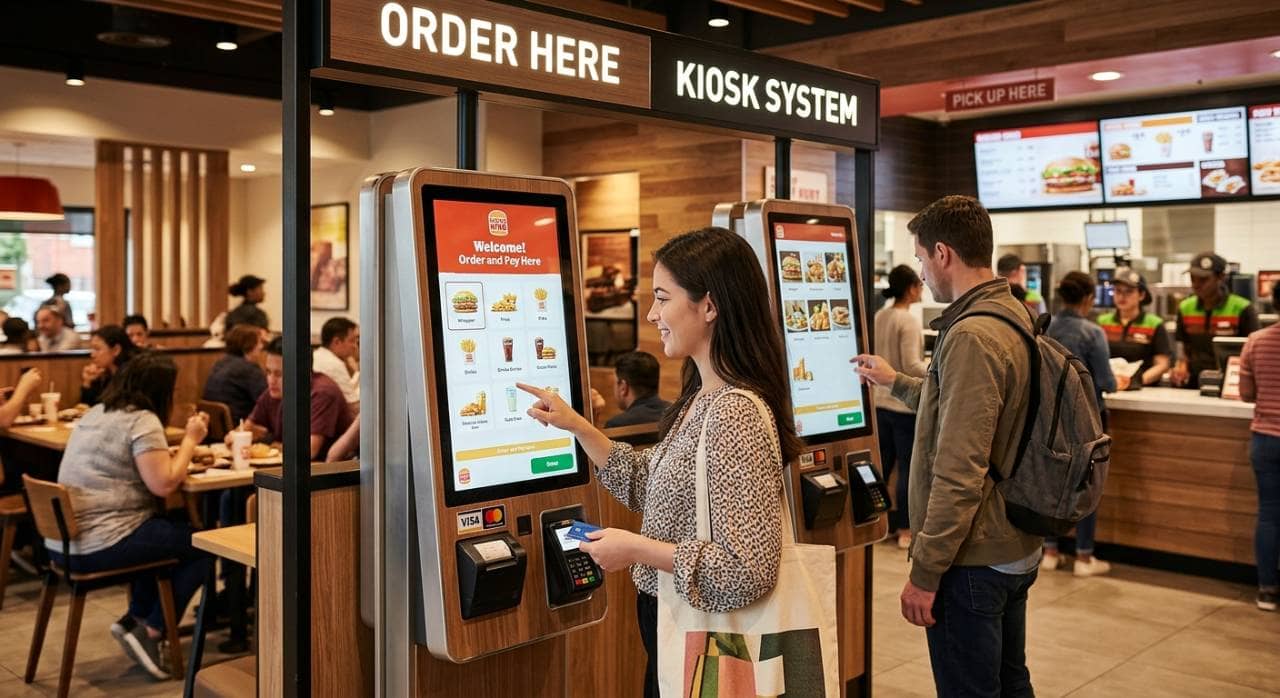
Understand how to evaluate a Kiosk system using key criteria including features, POS integration, hardware, pricing, customer experience, and support.
Aug 31, 2026
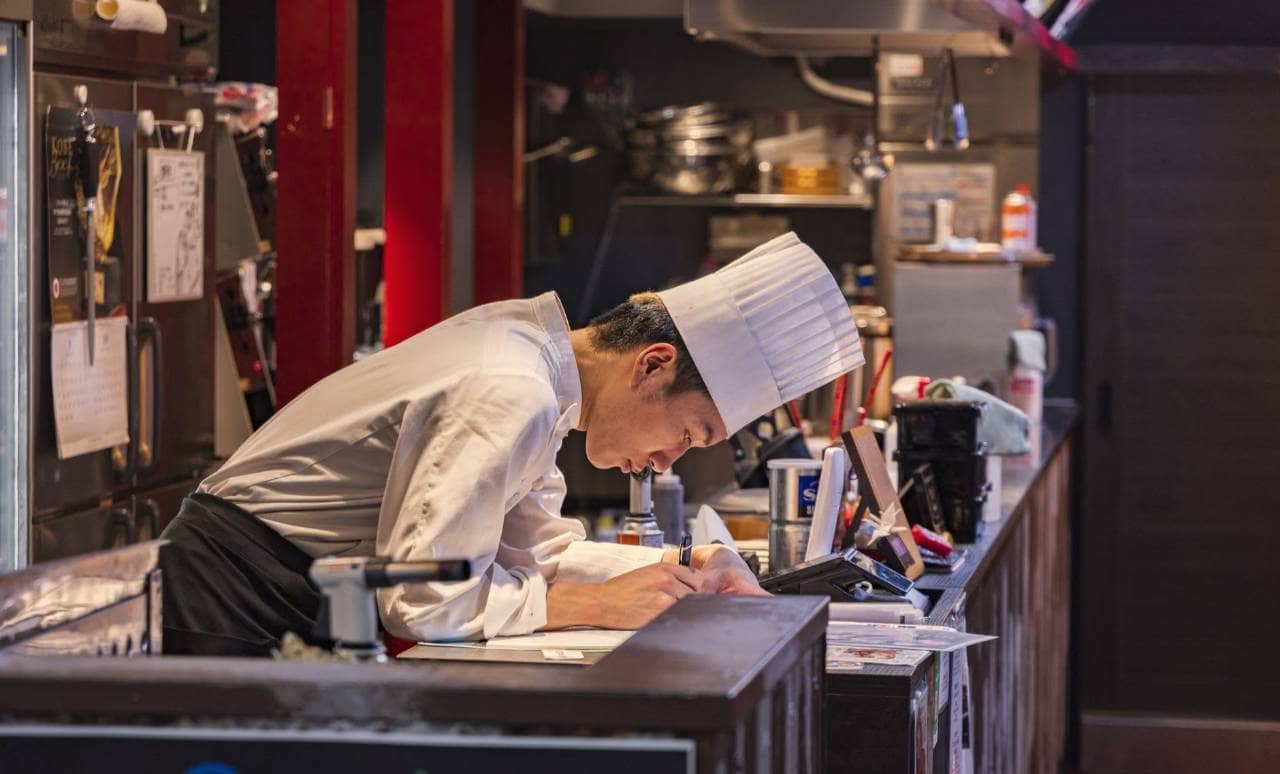
Learn how to calculate restaurant cost of goods using inventory, purchases, COGS percentage, variance reviews, and regular tracking for profitability.
Aug 31, 2026

Learn the startup costs of opening an ice cream shop, including rent, equipment, renovations, permits, inventory, labor, marketing, and reserves.
Aug 28, 2026
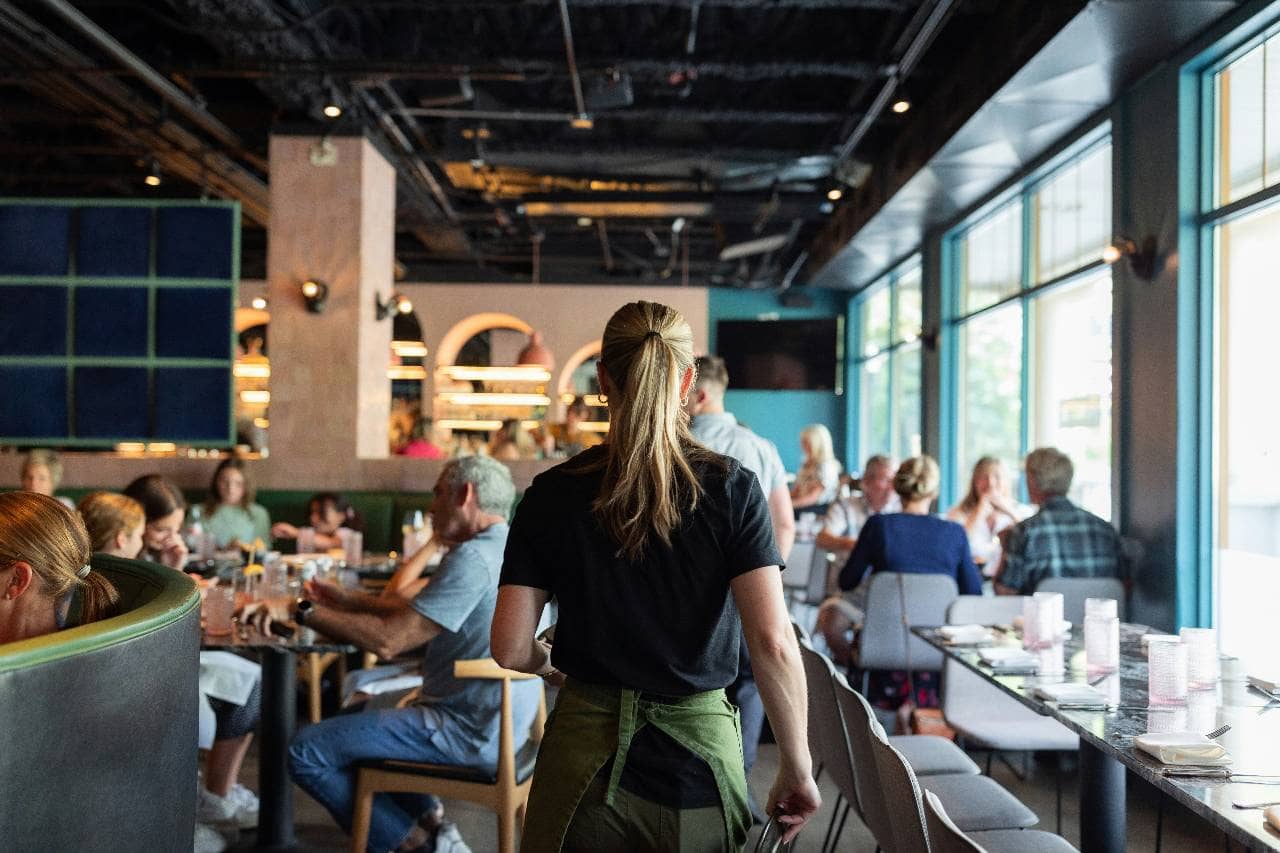
Learn practical ways to reduce labour costs through smarter scheduling, forecasting, productivity, cross-training, automation, overtime control, and performance monitoring strategies.
Aug 26, 2026

RaceTrac has appointed Jill Pemberton as chief financial officer, succeeding Karla Ahlert, who moves into the newly created role of chief administrative officer.
Aug 26, 2026

A restaurant P&L statement reveals sales, expenses, and profits, helping owners manage costs, improve margins, and plan finances more effectively.
Aug 26, 2026

Create a practical restaurant marketing plan by setting goals, targeting customers, choosing channels, budgeting wisely, scheduling campaigns, and measuring results.
Aug 24, 2026

Levain Bakery appoints Lorna Sommerville and Taya Stenson as co-CEOs, blending operational and marketing expertise to power national expansion and innovation while staying rooted in its brand values.
Aug 25, 2026
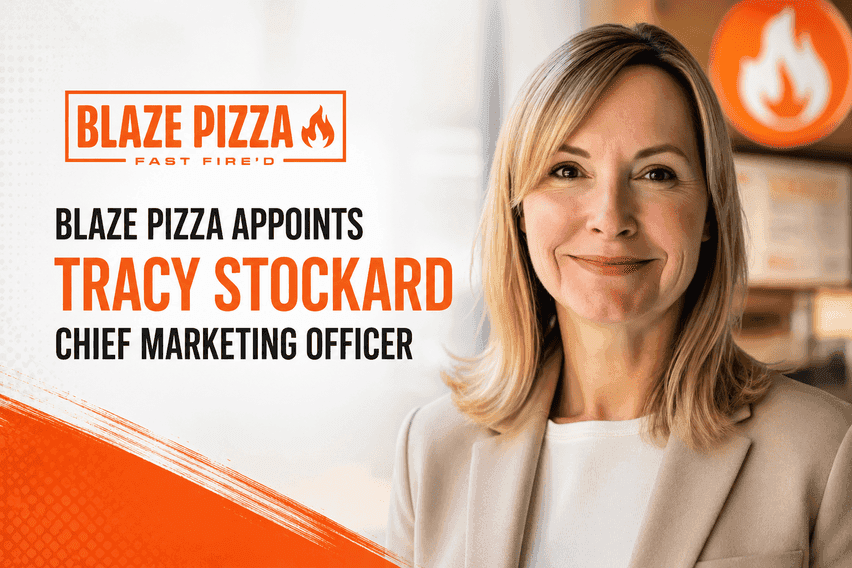
Blaze Pizza welcomes Tracy Stockard as Chief Marketing Officer, bringing decades of brand and franchise experience to drive strategic growth and guest engagement.
Aug 25, 2026

Unlock Exclusive Access To Webinars, Events, And The Latest News For Free!
Exploring the potential impact of proposed legislations aiming to eliminate federal taxes on tips in the hospitality industry.

Photo by Samuel Regan-Asante
The world of hospitality and service workers revolves significantly around tips, which can often represent a substantial portion of their earnings. The proposed elimination of federal taxes on tips has sparked a heated debate among industry professionals, lawmakers, and workers alike.

Photo by Samuel Regan-Asante
Various voices within the hospitality industry, including hotel associations and unions, have voiced their support for the removal of federal taxes on tipped wages. Advocates argue that such a move could significantly benefit the livelihoods of employees, providing them with the opportunity to retain more of their hard-earned income.

Photo by Samuel Regan-Asante
Proposed bills such as the No Tax on Tips Act and provisions within the One Big Beautiful Bill Act have set the stage for potential changes in how tipped income is taxed. However, the specifics of these legislations, including eligibility criteria and duration, remain points of contention and discussion.

Photo by Samuel Regan-Asante
While the idea of eliminating taxes on tips has garnered bipartisan support, concerns linger regarding its actual effects. Questions arise about how such changes would influence various categories of tipped workers, especially those with lower incomes, part-time employment, and existing tax exemptions.

Photo by Samuel Regan-Asante
As the debate continues, there is recognition of the need for clear regulatory frameworks to prevent abuse and ensure that the intended benefits reach those directly impacted. The potential shift away from traditional cash-based tipping to digital solutions further adds to the evolving landscape of hospitality compensation.
Amidst changing tipping cultures and labor dynamics, hotels and businesses in the industry may face challenges in adjusting to new tax regulations. The shift towards digital tipping methods and the evolving expectations of guests also contribute to the complexity of the situation.
While the outcomes of the proposed legislations remain uncertain, the hospitality industry continues to grapple with balancing competitive wages, fair treatment of workers, and evolving guest preferences. The ongoing discourse highlights the intricate interplay between economic policies, labor practices, and customer behaviors in the realm of hospitality.