True Food Kitchen Files Bankruptcy, Closes 12 Sites
True Food Kitchen filed for Chapter 11 bankruptcy, closing 12 locations and shrinking to 34 restaurants across 14 states amid $42.1 million in debt.
News
Oct 5, 2026
True Food Kitchen filed for Chapter 11 bankruptcy, closing 12 locations and shrinking to 34 restaurants across 14 states amid $42.1 million in debt.
Oct 5, 2026

Snooze Eatery names industry veteran Amy Hom as COO, starting Sept. 28, to strengthen hospitality and operations ahead of its next growth phase.
Oct 5, 2026
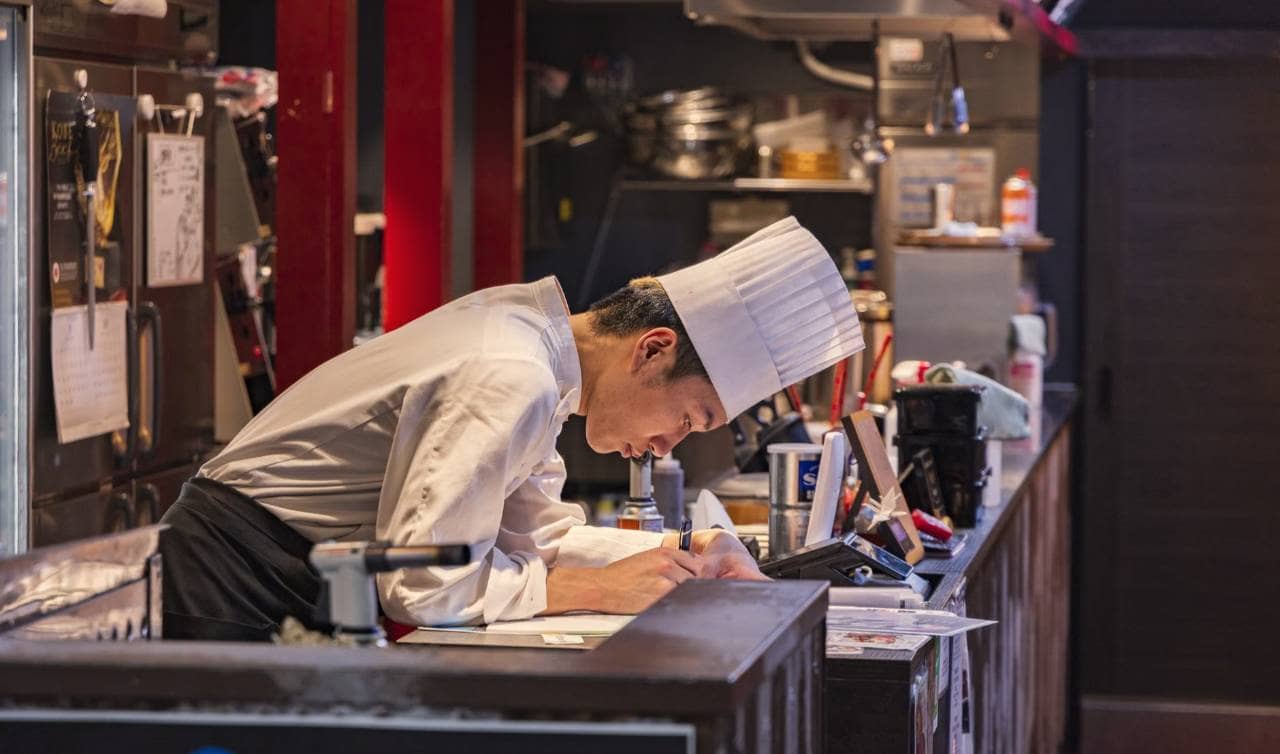
Restaurants can control operating costs by tracking food, labor, rent, utilities, technology, marketing, and other expenses against sales.
Oct 5, 2026

Opening a second restaurant location requires readiness, clear goals, financial planning, funding, smart strategy, standardized operations, strong teams, and careful launch monitoring for sustainable growth.
Sep 30, 2026

Evaluate restaurant industry performance in Q3 2026 through key trends affecting restaurant sales, traffic, consumer spending, labor, costs, and technology.
Oct 2, 2026

Improve restaurant visibility with local SEO by optimizing Google Business Profile, targeting local keywords, managing reviews, and maintaining accurate online information.
Oct 5, 2026
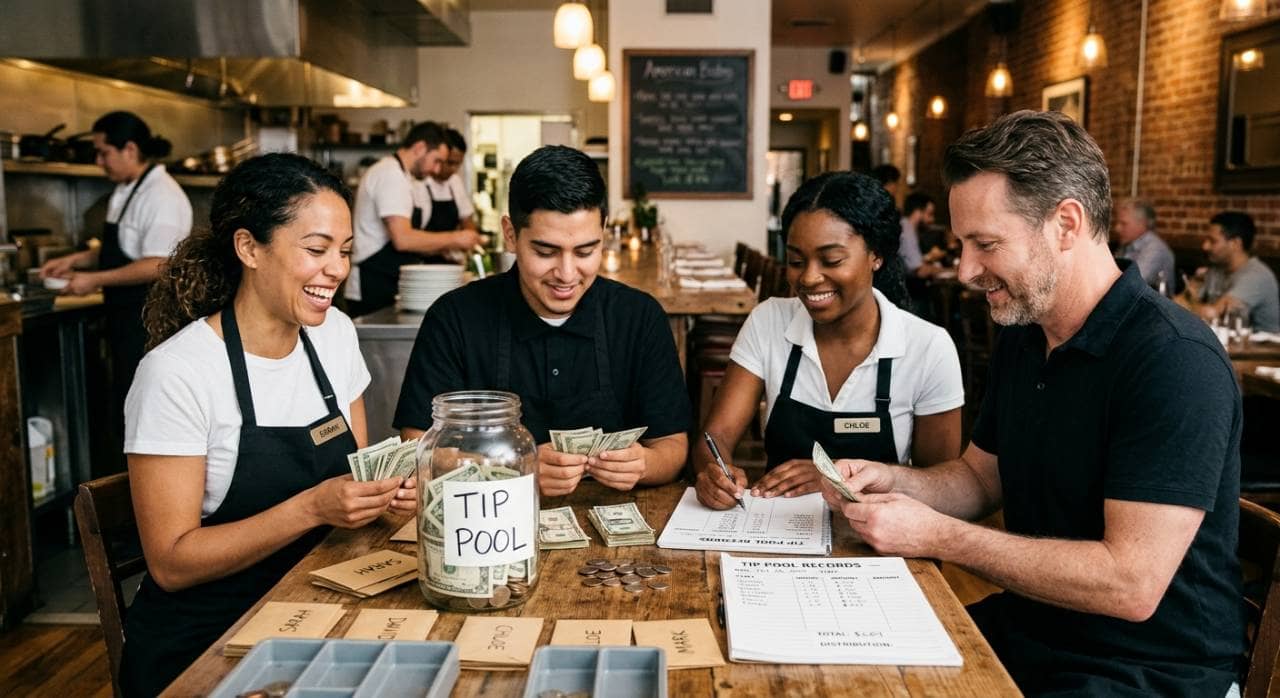
Understand tip pooling rules, employee eligibility, distribution methods, compliance requirements, recordkeeping practices, and policies restaurant owners need for proper tip management.
Oct 2, 2026

Whit's Frozen Custard hires industry veteran Amos Durbin as COO to guide franchise expansion, drawing on two decades of restaurant leadership experience.
Oct 2, 2026
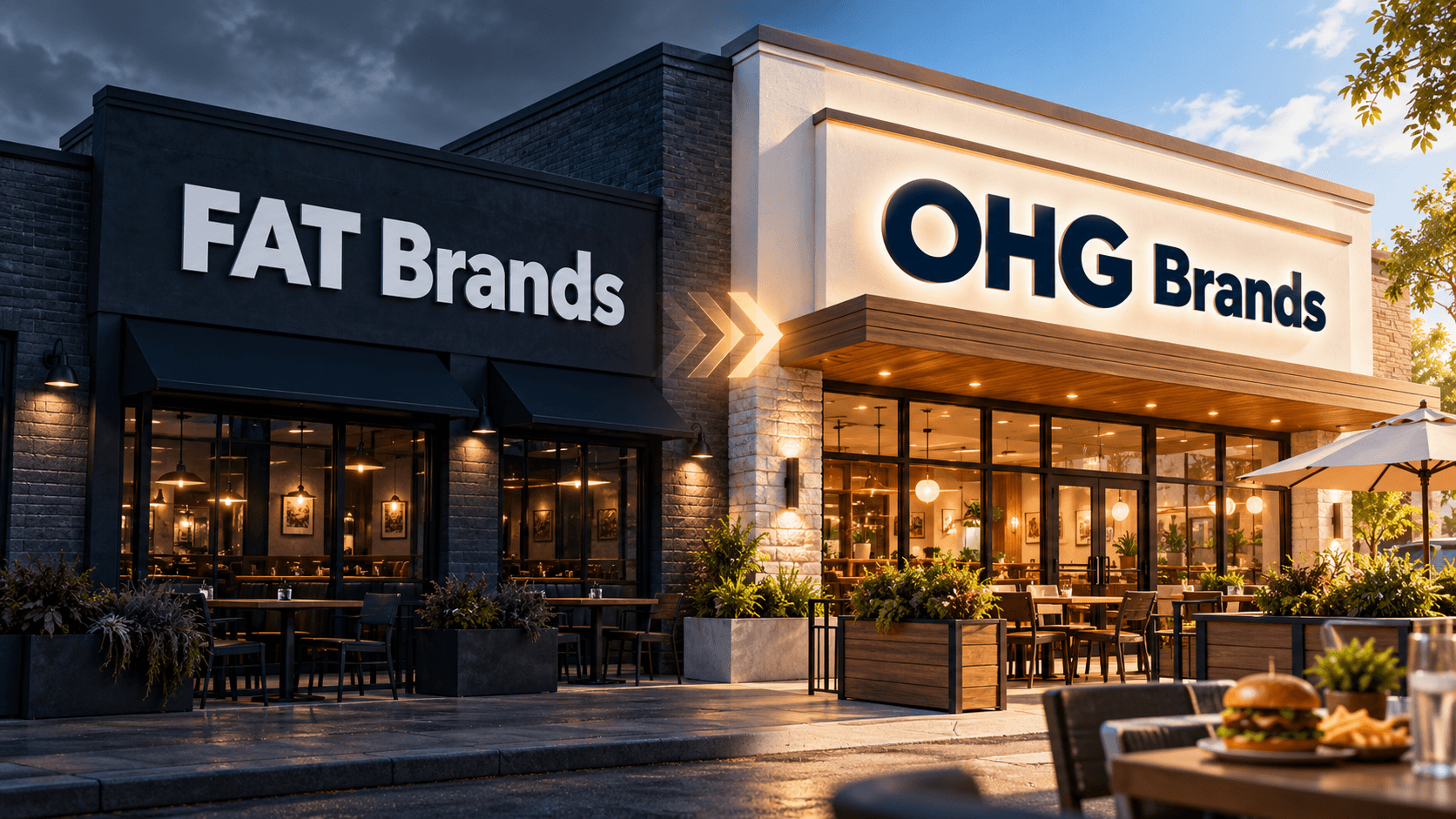
FAT Brands' $1B acquisition empire fell into bankruptcy and sold for $965M, re-emerging as OHG Brands with 1,700 restaurants.
Oct 1, 2026
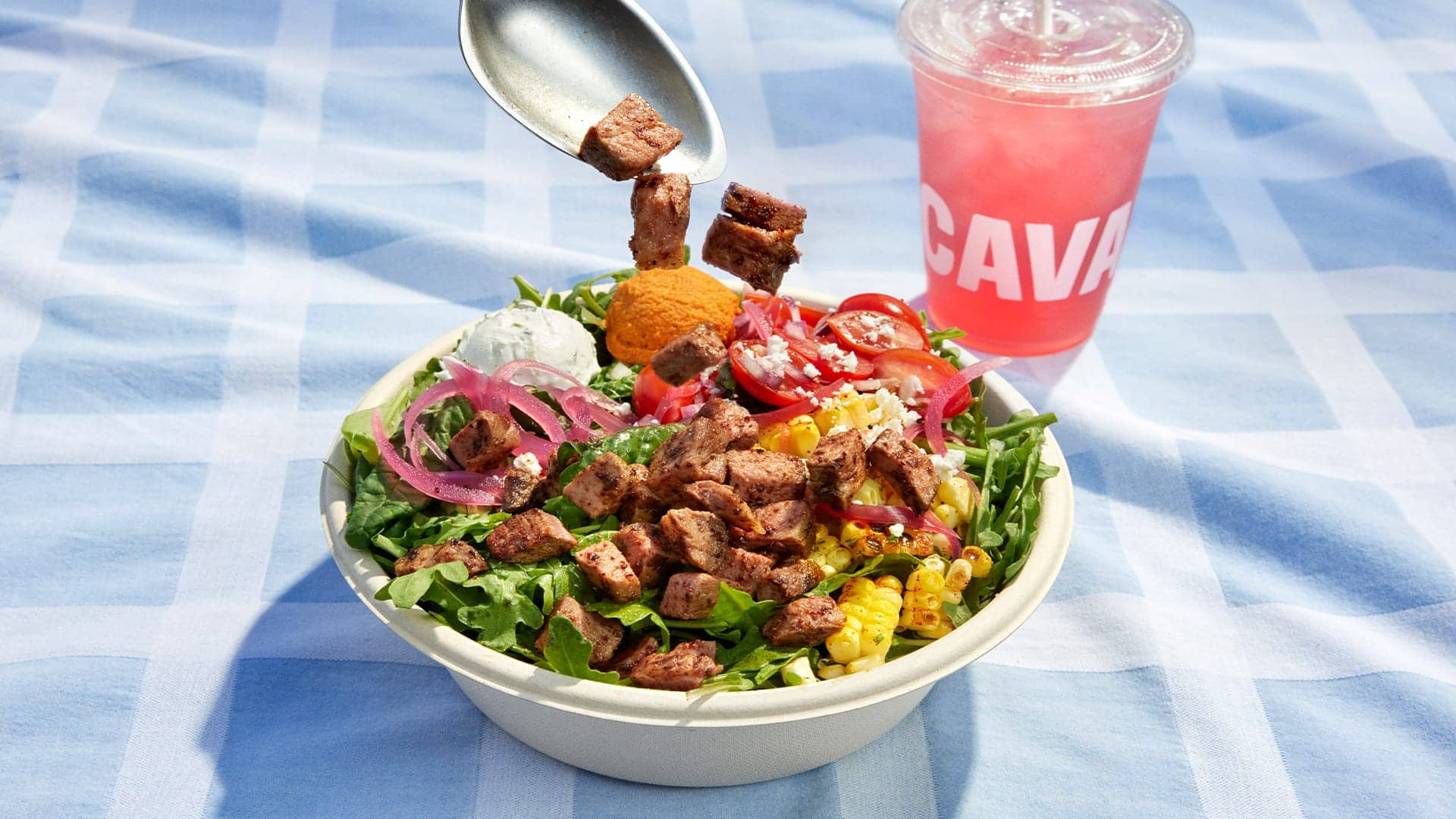
CAVA names John Ludeke, former Dr. Squatch Chief Brand Officer, as its new CMO to drive national growth and guest loyalty.
Oct 1, 2026

Unlock Exclusive Access To Webinars, Events, And The Latest News For Free!
Explore how activist investors are reshaping the future of Red Robin Gourmet Burgers and the challenges faced by the casual-dining chain.
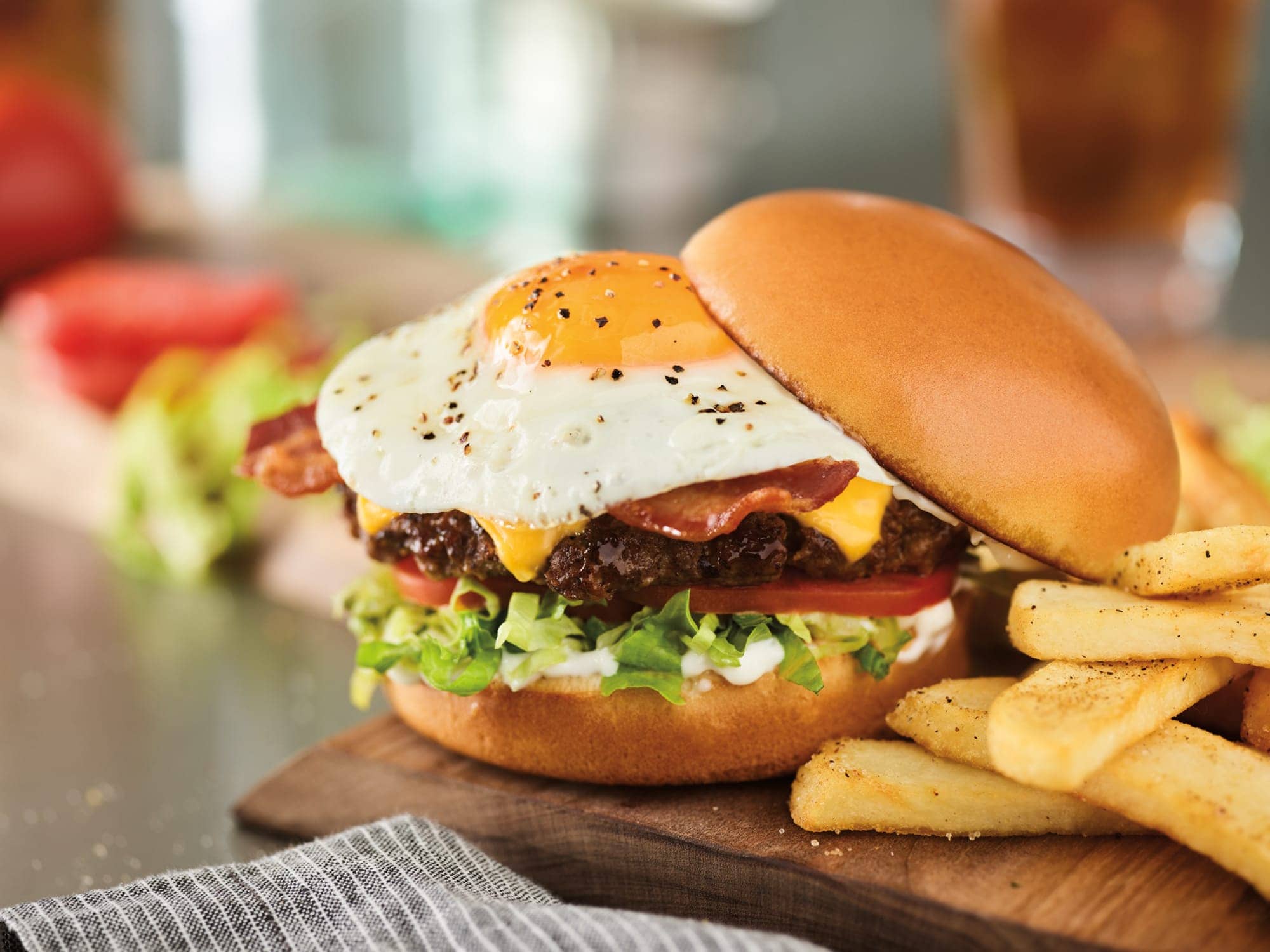
Two activist investors, JCP Investment Management, and Jumana Capital, have recently acquired a significant stake in Red Robin Gourmet Burgers. JCP Investment purchased 7.9% of Red Robin’s total shares, while Jumana Capital bought 3.7% of the casual-dining chain’s shares. This move has caused a noticeable increase in Red Robin’s stock price, indicating investor confidence in the company's potential.
Both JCP Investment Management and Jumana Capital have a track record of actively engaging with struggling companies to drive change and unlock value. Over the past decade, JCP Investment has played an activist role in companies like Jamba, Potbelly, and Fiesta Restaurant Group, demonstrating a history of strategic investments in the food industry. On the other hand, Jumana Capital is known for its investments in data, engineering, and technology companies, showcasing a diversified portfolio.
According to the SEC filing, both investment firms identified Red Robin as an undervalued asset with significant potential for growth. They believed that the shares were priced below their intrinsic value, presenting a lucrative investment opportunity. This strategic move aligns with the investors' objective of maximizing returns by participating in the revitalization of struggling companies.

In the face of challenges, Red Robin unveiled a comprehensive comeback plan during the January 2023 ICR conference. The 'North Star' plan aims to rejuvenate the brand by enhancing the guest experience, streamlining operations to reduce costs and complexity, and driving revenue and profitability. Despite encountering obstacles like a cautious consumer spending environment and inflationary pressures, the company remains optimistic about the success of its revival strategy.

The casual-dining sector has been navigating a difficult landscape, especially with changing consumer behaviors influenced by economic factors like inflation. Red Robin, like many other players in the industry, has felt the impact of these shifts, reflected in a substantial decline in its stock price over the past year. However, the company's resilience and commitment to initiatives like a revamped loyalty program indicate a proactive approach to addressing industry challenges.