



.png&w=3840&q=70)





Chipotle's Global Comeback Under New Leadership
Chipotle steers a new growth era under Scott Boatwright, pursuing measured international expansion while preserving its core, real-ingredients promise.

A Quiet Shift in the Kitchen
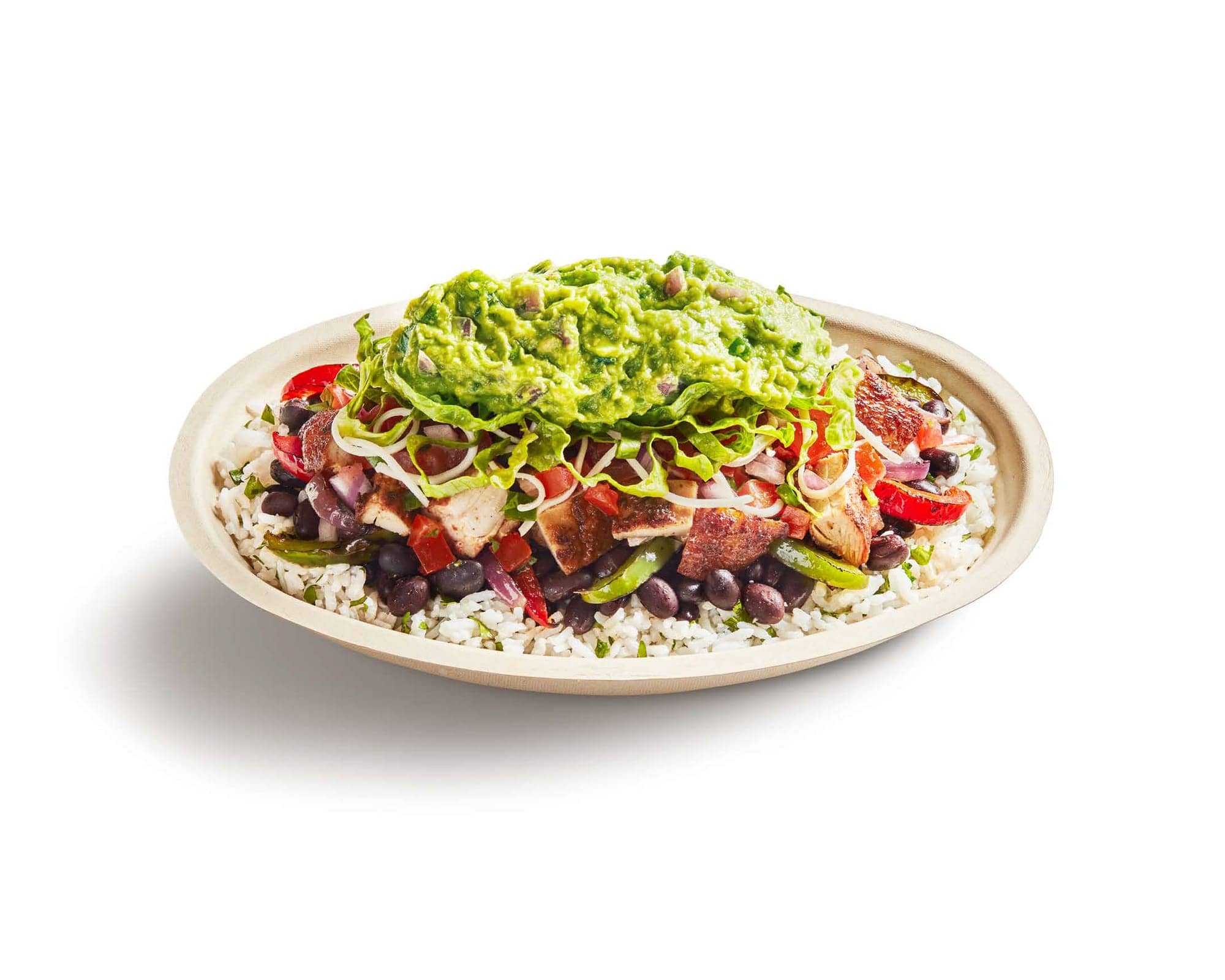
Chipotle is stepping into a season that feels gentler in tempo and wider in reach. The leadership shift reads like a careful shift in a familiar recipe, one that honors the discipline of the kitchen while inviting new voices to the table. After Brian Niccol departed in August, Scott Boatwright moved from interim to permanent chief executive, bringing a steady rhythm to a brand that prizes real ingredients and reliable execution. The mood is hospitable and calm, as if the dining room has room for both longtime favorites and fresh, regional accents. The turning point here is clear: momentum stays, yet the plate expands.
Why the shift matters – The move frames growth as a multiregional journey rather than a North American chapter alone. The leadership has kept faith with the operating model while signaling a broader horizon: growth beyond borders, with North America as the anchor and international markets as the next room to set. The long-run goal remains a wider footprint and a stronger brand identity as an iconic global name, built with the same care Chipotle has always given to sourcing and method.
The message to guests and investors alike is simple: progress can be steady without sacrificing the quiet confidence of a well run kitchen. The path forward blends a familiar discipline with a generous invitation to new markets, and that balance feels like the kind of assurance a neighborhood café provides before a longer journey begins.
Global ambitions, local roots
This is a moment for global imagination grounded in local practice. The North American momentum is paired with deliberate regional pilots designed to prove the model in varied climates and customer preferences. The 7,000 restaurants North America target remains a touchstone, while leadership speaks of turning that success into a wider, more enduring global footprint. The interplay of rigorous operations with adaptive partnerships is at the heart of the plan, a quiet reminder that expansion is as much about people and supply chains as it is about map lines.

Operational discipline meets regional opportunity – The strategy leans on a well-tested engine: strong margins, reliable sourcing, and a menu that travels with guests. With careful pilots and incremental scaling, the aim is to translate North American proficiency into a sustainable international cadence, one that respects local markets while preserving Chipotle’s real-ingredients promise.
In this new era, the brand’s hospitality remains the common thread. Expansion is not just about more seats; it is about maintaining the sense of ease and trust that defines a Chipotle visit, wherever the guest is sitting.
First movers in the Middle East
Alshaya Group enters as a cornerstone of Chipotle’s international push, with Kuwait and Dubai as early milestones and Dubai positioned at the center of a broader plan. The shared philosophy, responsibly sourced, classically cooked, real ingredients, has become a blueprint that translates Chipotle’s kitchen standards into new regional contexts. The partnership signals not just openings, but a durable framework for future growth that leverages Alshaya’s local ecosystem to speed brand fit and supply readiness.
Results and potential – Early Dubai and Kuwait performances are outperforming initial expectations within Alshaya’s portfolio, reinforcing confidence that Chipotle resonates with diverse guest audiences. The collaboration is designed to accelerate footprint expansion, sharpen brand visibility, and align supply chains with regional demand, laying groundwork for 2025 pilots and beyond.
These milestones are more than a few successful openings. They are a model for regional growth that could inform future alliances in Latin America and Asia‑Pacific, underscoring a path where local partnerships meet global standards.
A North Star for a global brand
The North American core remains the anchor, with a carefully staged international push designed to mirror that success across cultures and regulatory landscapes. The 7,000‑restaurant target provides a north star that guides pilots, partners, and investments, while the aspiration to become an iconic global brand expands the horizon for what Chipotle can be beyond home soil.
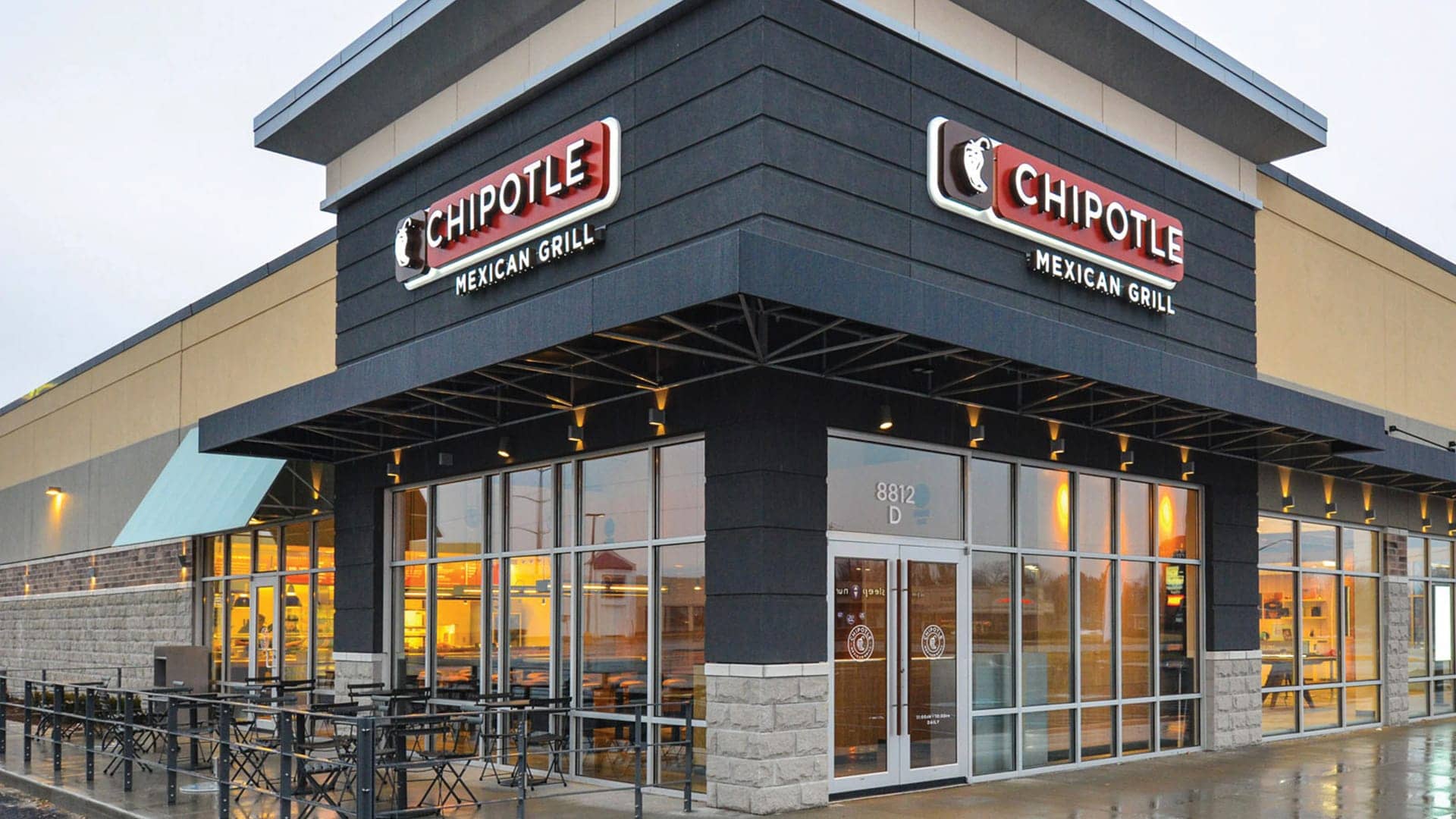
International visibility through pilots and partnerships – Industry coverage suggests that global growth is moving from a secondary theme to a central driver, as regions like Western Europe begin to demonstrate the potential of targeted alliances and regionally tailored strategies. The plan emphasizes energy that respects local tastes while keeping the core discipline intact.
The overarching idea is measured breadth: nurture North America, while testing and refining international entry to ensure the brand’s hospitality travels with the menu and the sourcing story travels with the guests.
Mexico as the next frontier
Mexico is identified as a meaningful extension of Chipotle’s regional mosaic. The plan calls for opening the first restaurant by early 2026, followed by growth through a local partner network to meet rising demand. The emphasis on leveraging Chipotle’s home-region strengths anchors the push, while expanding through trusted local networks reinforces a pattern of thoughtful, grounded expansion.

Broader regional momentum – The Mexico initiative sits alongside planned activity in Latin America and the Asia‑Pacific region, signaling a deliberate cadence rather than a rush. Coverage from Axios and others reinforces the sense that non‑U.S. growth will accelerate in the near term, all while the brand stays true to its real-ingredients philosophy and hospitality.
Taken together, Chipotle’s trajectory offers a hopeful picture for the industry: translate domestic scale into global momentum without losing the quiet confidence of a kitchen that values every detail.