
How to Forecast Restaurant Revenue and Expenses
Understand how to forecast restaurant revenue and expenses with methods for sales projection, cost scaling, fixed-cost planning, and risk buffering.
Accounting
Sep 18, 2026
Understand how to forecast restaurant revenue and expenses with methods for sales projection, cost scaling, fixed-cost planning, and risk buffering.
Sep 18, 2026

Restaurant owners can significantly reduce restaurant costs by leveraging technology across inventory, labor, procurement, forecasting, and administrative operations for better profit margins.
Sep 18, 2026

everbowl names Anna Gabele Brand President and Natalie Trzcinski COO, pulling both from Jack in the Box to guide its next growth phase.
Sep 18, 2026

Mountain Mike's Pizza hires Jack in the Box veteran Sheena Dougher as CMO to drive national growth while preserving its regional brand identity.
Sep 17, 2026

From fixed costs to contribution margin, learn exactly how to calculate your restaurant's break even point with confidence.
Sep 16, 2026

DoorDash pays $425M for Wonder's campus dining platform and a stake in Wonder, betting on robotic kitchens and institutional foodservice growth.
Sep 16, 2026

Discover the most common reasons restaurants fail, including inconsistent food quality and pricing mistakes, plus practical ways to avoid them.
Sep 16, 2026
Chipotle names former KFC global CEO Sabir Sami to its board as the chain expands into Mexico, Saudi Arabia, and South Korea.
Sep 15, 2026

LeBron James joins Mike's Red Tacos as an investor, backing the birria chain led by Blaze Pizza and Dave's Hot Chicken veteran Bill Phelps.
Sep 15, 2026

Practical payroll compliance checklist for restaurant owners covering wage rules, tips, overtime, taxes, deductions, and recordkeeping to reduce legal risk.
Sep 14, 2026

Unlock Exclusive Access To Webinars, Events, And The Latest News For Free!
Portillo’s trims corporate and field roles by 18% in a strategic shake-up to support future growth after soft traffic and sales. Read what this means for multi-unit operators.
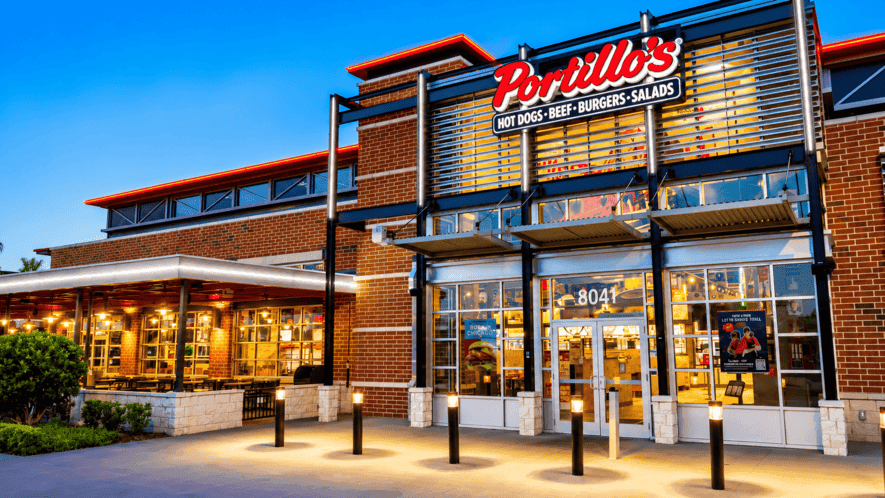
Portillo’s, the iconic Chicago-born fast casual chain, is making significant changes to its organizational structure in 2026, trimming approximately 18% of its corporate headquarters and field management staff. The brand confirmed these reductions as a response to softer guest traffic and a second quarter that fell below expectations. Notably, all restaurant-level employees remain unaffected, underscoring the company’s commitment to service standards even in a time of transition. These cuts, executed on July 31, target back-office and field management roles based primarily out of the chain’s Chicago hub but impacting select management in the field nationwide. This move reflects a growing trend among large restaurant brands to prioritize operational efficiency and long-term growth while minimizing disruption to the guest experience.
CEO Brett Patterson described the decision as a critical step toward ensuring investments are aligned with the right business priorities and maximizing future potential. These efficiency-driven actions coincide with second-quarter reports showing same-store sales down 1.2% and guest transactions dipping 3.4%. The company offset some volume declines by raising menu prices, resulting in a 2.6% higher average check - though this wasn’t enough to prevent revenues from sliding. Despite softer sales, Portillo’s opened seven new restaurants so far this year - all in Texas, including its inaugural airport unit in Dallas. This careful approach to expansion and a renewed focus on customer research (centered around guest segmentation and menu satisfaction) reveal a brand recalibrating for long-term relevancy and profitability.
Portillo’s is not just reducing its support staff; it’s redefining its entire approach to market expansion and brand research. The chain’s year-over-year revenue rose to $199 million - up 5.6% from a year ago - propelled by new openings and strategic resets. However, net income dropped nearly 29%, landing at $7.2 million, revealing the delicate balance between ambitious growth and sustainable profits. While rapid Sun Belt expansion was the focus in recent years, the company has shifted to more methodical growth, pausing to analyze what matters most for guests and tweaking menu and marketing based on this feedback.
Portillo’s restructuring highlights a lesson for all multi-unit restaurant operators and management teams - efficiency and agility are essential to thrive in today’s market. Proactively reviewing your back-office operations, investing in up-to-date guest analytics, and aligning company growth with customer feedback can help minimize risk while fueling sustainable gains. The Portillo’s experience demonstrates that organizational recalibrations, especially at the management and corporate level, can free up resources to reinvest in store performance and customer experience - strategies any restaurant group can draw inspiration from for navigating challenging market cycles.
Looking ahead, Portillo’s leadership is finalizing a new long-term roadmap that will be unveiled soon - one shaped by extensive brand, menu, and consumer research conducted this year. Their move to rationalize overhead without affecting frontline staff is a bold signal of commitment to core operations and guest satisfaction. For restaurant leaders elsewhere, now is a smart time to reexamine your own business structure, confirm your operational priorities, and invest in data-driven market strategies. Only time will tell if Portillo’s streamlined approach will serve as a model for industry growth, but their willingness to adapt sets a strong precedent as the restaurant sector continues to weather economic headwinds and evolving guest expectations.