
Restaurant Technology Trends in 2026
Explore restaurant technology trends in 2026, including AI, automation, digital ordering, workforce tools, connected kitchens, personalization, and profitability strategies today.
Technology
Aug 28, 2026
Explore restaurant technology trends in 2026, including AI, automation, digital ordering, workforce tools, connected kitchens, personalization, and profitability strategies today.
Aug 28, 2026

Learn the startup costs of opening an ice cream shop, including rent, equipment, renovations, permits, inventory, labor, marketing, and reserves.
Aug 28, 2026

A restaurant P&L statement reveals sales, expenses, and profits, helping owners manage costs, improve margins, and plan finances more effectively.
Aug 26, 2026
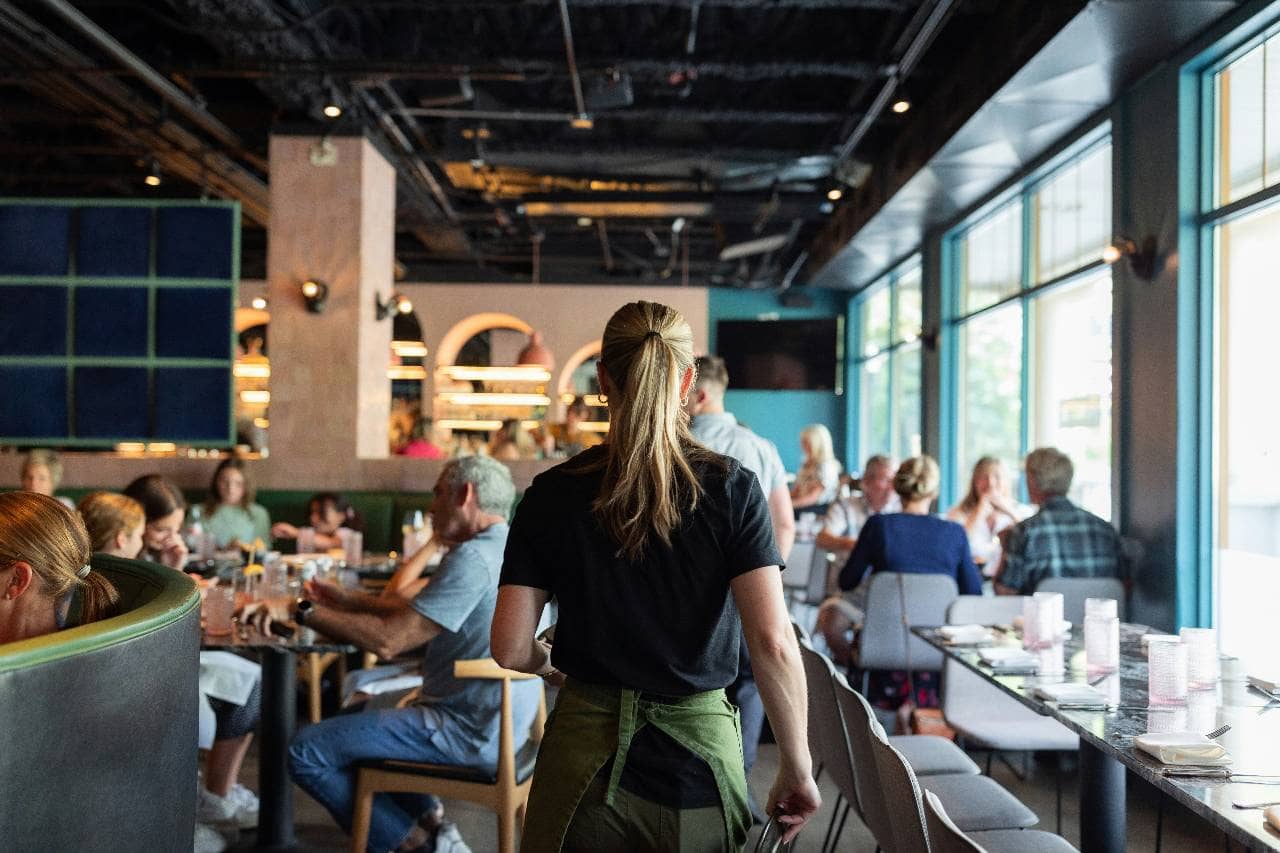
Learn practical ways to reduce labour costs through smarter scheduling, forecasting, productivity, cross-training, automation, overtime control, and performance monitoring strategies.
Aug 26, 2026
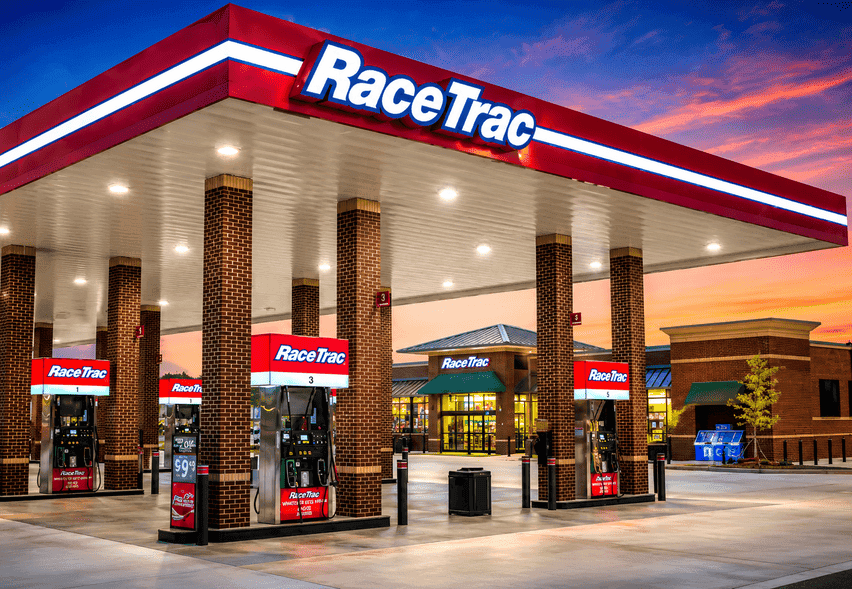
RaceTrac has appointed Jill Pemberton as chief financial officer, succeeding Karla Ahlert, who moves into the newly created role of chief administrative officer.
Aug 26, 2026

A payroll advance policy helps restaurant owners define eligibility, limits, repayment, documentation, approval procedures, and compliance requirements for employee advances.
Aug 24, 2026
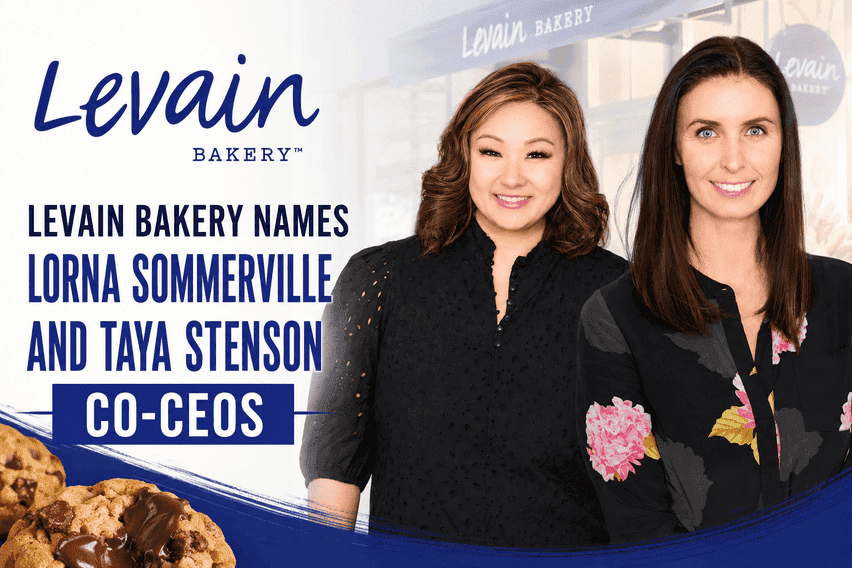
Levain Bakery appoints Lorna Sommerville and Taya Stenson as co-CEOs, blending operational and marketing expertise to power national expansion and innovation while staying rooted in its brand values.
Aug 25, 2026
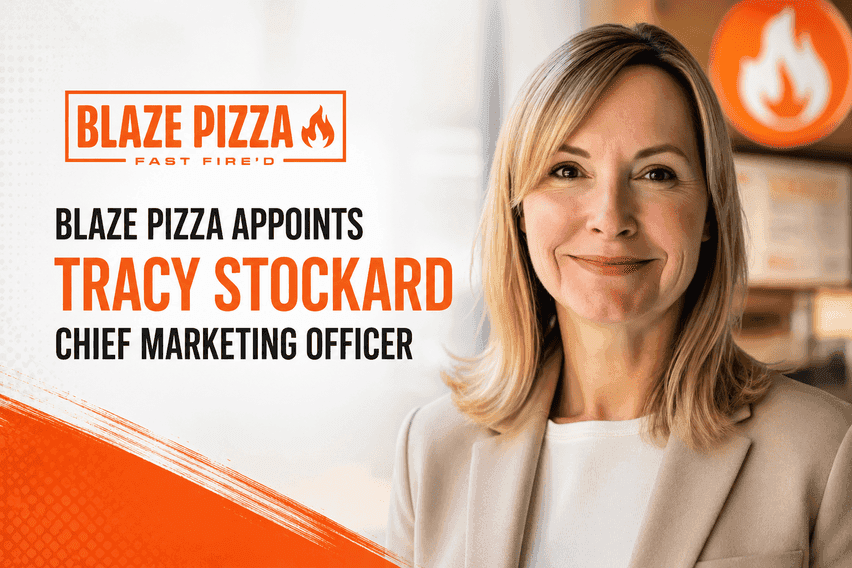
Blaze Pizza welcomes Tracy Stockard as Chief Marketing Officer, bringing decades of brand and franchise experience to drive strategic growth and guest engagement.
Aug 25, 2026

Create a practical restaurant marketing plan by setting goals, targeting customers, choosing channels, budgeting wisely, scheduling campaigns, and measuring results.
Aug 24, 2026
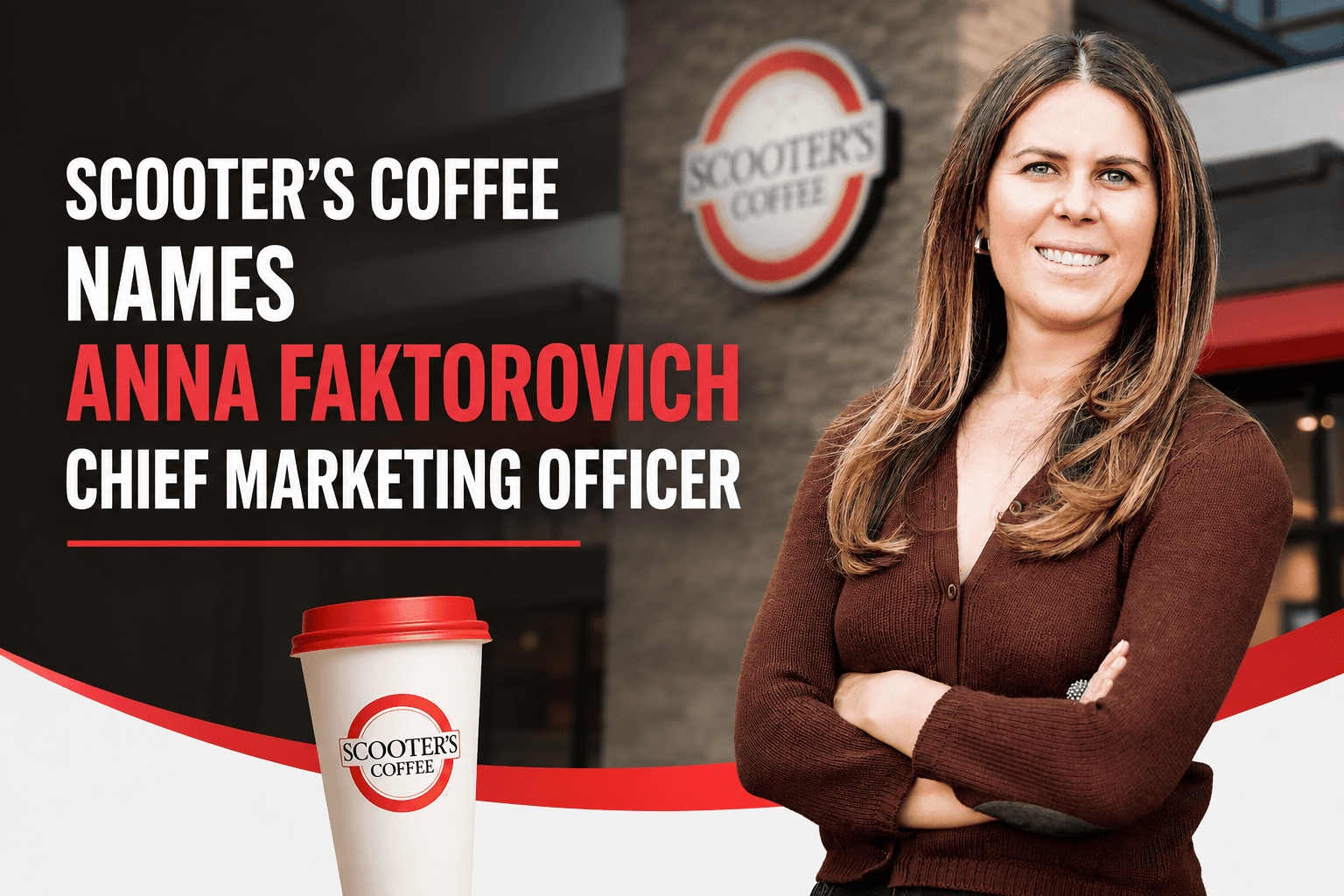
Anna Faktorovich, a seasoned marketing executive, has been named Chief Marketing Officer at Scooter’s Coffee, bringing decades of multi-brand experience to fuel the franchise’s next growth stage.
Aug 25, 2026

Unlock Exclusive Access To Webinars, Events, And The Latest News For Free!
RaceTrac acquires Potbelly to accelerate a franchising-led expansion, backed by new leadership and an expanded development playbook.
On a quiet Chicago corner, Potbelly's warmth has always felt like an invitation to stay a little longer. The brand’s story, sourdough toast, comforting bowls, and neighborhood chatter, belongs to a memory of school days and friendly faces. Its legacy rests in a gentle rhythm of belonging as much as flavor.
When RaceTrac, the Atlanta-based convenience retailer, announced an all-cash plan in September 2025 and closed the deal in October, the moment didn’t erase the past; it reframed it, inviting a wider circle of neighbors to share in the same familiar rituals. The challenge, and the hope, was to grow without losing that intimacy.
September 2025 saw an all-cash acquisition, later closed in October 2025, valued at roughly $566 million. The arrangement signals more than a balance sheet shift; it reorients Potbelly toward a system-wide expansion program. RaceTrac brings scale, logistics, and real estate muscle that can support a faster pace of openings and digital investments, while preserving brand standards. In practical terms, Potbelly gains a platform from which to accelerate its development pipeline and coordinate a broader multi-market strategy.
So what changes go beyond numbers alone: this is a turning point that invites Potbelly’s comforting cadence to travel farther and sit for longer in more communities. The tempo of the café, a place for slow mornings and easy evenings, may now meet a broader horizon as RaceTrac’s platform provides the track.
Legacy leadership threads through Potbelly’s growth plan. The brand’s next chapter rests on the shoulders of seasoned franchising leadership, guiding a disciplined approach to market entry, incentives, and multi-unit partnerships that align with a broader fast-casual expansion trend. Potbelly’s team has long emphasized that its legacy appeal can coexist with modern systems, using a development-focused playbook to attract strong operators while preserving the brand’s neighborhood charm.
Lynette McKee anchors this discipline. A veteran franchising executive with more than 30 years across brands like Dunkin’, Burger King, Denny’s, and Checkers, she has helped articulate why Potbelly’s legacy remains a strategic asset even as leadership turns toward growth. Her presence on industry stages, including the National Restaurant Association Show, signals that Potbelly intends to blend its neighborhood appeal with modern franchising craft.
Closing thought: the brand’s growth will ride on a steady route-to-market and targeted incentives that encourage capable partners to join a neighborhood-centric story. As Potbelly scales, the quiet charm of a local shop becomes a shared experience across new markets, while staying true to its roots.
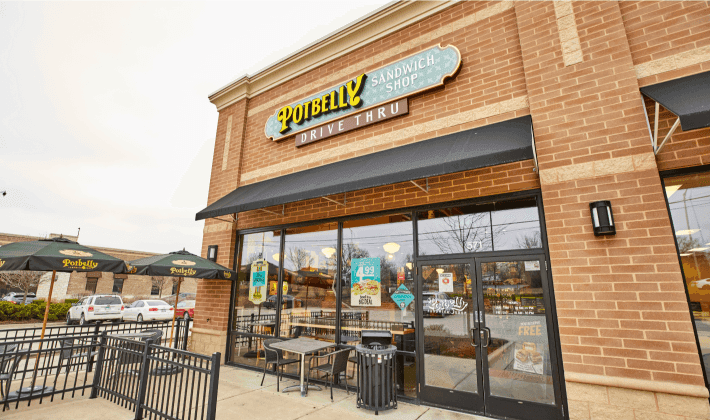
Jennifer Durham steps into a formal elevation of Potbelly’s franchising leadership, with a mandate that spans recruitment, market planning, real estate strategy, and design and construction support. Her appointment positions Potbelly to translate a compelling unit economics story into a broader, scalable franchise network, aligning with a pivot toward strategic growth rather than isolated openings.
Role & background: Durham brings leadership experience from Checkers & Rally’s, Cooper’s Hawk Winery & Restaurants, and Hand & Stone Massage and Facial Spa. She steps into a pivotal moment as Potbelly works to expand with disciplined development deals, clear performance metrics, and a network of partners who can deliver consistent guest experiences. Her appointment mirrors a broader industry trend: translate a compelling concept into a scalable system while preserving brand personality.
Leadership momentum is a phrase that now sits beside Potbelly’s sandwich aromas. With Durham in place, the brand says it will move decisively, recruiting, planning, and designing development projects that align with a growth vision. That alignment, coupled with strong partnerships, may well determine how quickly the franchise network expands while keeping the Potbelly mood intact.
Growth cadence sits at the heart of the acquisition. Before the deal, Potbelly operated around 445 restaurants with a mix of company-owned and franchised shops. The plan now accelerates a broader pipeline that could push the brand toward more than 2,000 locations in the coming years, while promising to preserve the brand’s integrity and neighborly mood at every door.
800+ open or committed locations frame the current reality, the pace Potbelly intends to keep as it moves through the integration. The numbers matter less than the story: a legacy of neighborhood warmth matched with a disciplined, scalable system that can welcome more guests into Potbelly’s world in more markets.
So what comes next is a cadence of openings and partnerships that tests Potbelly’s ability to preserve guest experience while expanding in multiple regions. The balance between tradition and transformation will define the pace and the appeal of the growth plan in 2026 and beyond.

NJ debut: In February 2026, Potbelly unveiled its first 15-shop multi-unit development agreement with PBNJ LLC, a multi-generational restaurant ownership group led by Greg Dunn and Kelly Hart. This move signals a strategic push into the Northeast with a local, operator-led approach that mirrors Potbelly’s neighborhood roots.
Florida and beyond continue to be a focus, where leadership and franchise partners are pursuing growth as part of a broader national cadence. The Northeast expansion is complemented by appearances across the Sunshine State, signaling a measured, regionally diversified approach to scale.
Industry context: Potbelly’s journey sits within a broader pattern of legacy brands retooling franchising strategies to attract multi-unit operators, leverage technology, and optimize delivery. The RaceTrac deal and leadership shifts reflect a larger trend where scale must be balanced with brand identity and operator economics. The coming quarters will reveal how this integration translates in store-level performance.