
How to Forecast Restaurant Revenue and Expenses
Understand how to forecast restaurant revenue and expenses with methods for sales projection, cost scaling, fixed-cost planning, and risk buffering.
Accounting
Sep 18, 2026
Understand how to forecast restaurant revenue and expenses with methods for sales projection, cost scaling, fixed-cost planning, and risk buffering.
Sep 18, 2026

Restaurant owners can significantly reduce restaurant costs by leveraging technology across inventory, labor, procurement, forecasting, and administrative operations for better profit margins.
Sep 18, 2026

everbowl names Anna Gabele Brand President and Natalie Trzcinski COO, pulling both from Jack in the Box to guide its next growth phase.
Sep 18, 2026

Mountain Mike's Pizza hires Jack in the Box veteran Sheena Dougher as CMO to drive national growth while preserving its regional brand identity.
Sep 17, 2026

From fixed costs to contribution margin, learn exactly how to calculate your restaurant's break even point with confidence.
Sep 16, 2026

DoorDash pays $425M for Wonder's campus dining platform and a stake in Wonder, betting on robotic kitchens and institutional foodservice growth.
Sep 16, 2026

Discover the most common reasons restaurants fail, including inconsistent food quality and pricing mistakes, plus practical ways to avoid them.
Sep 16, 2026
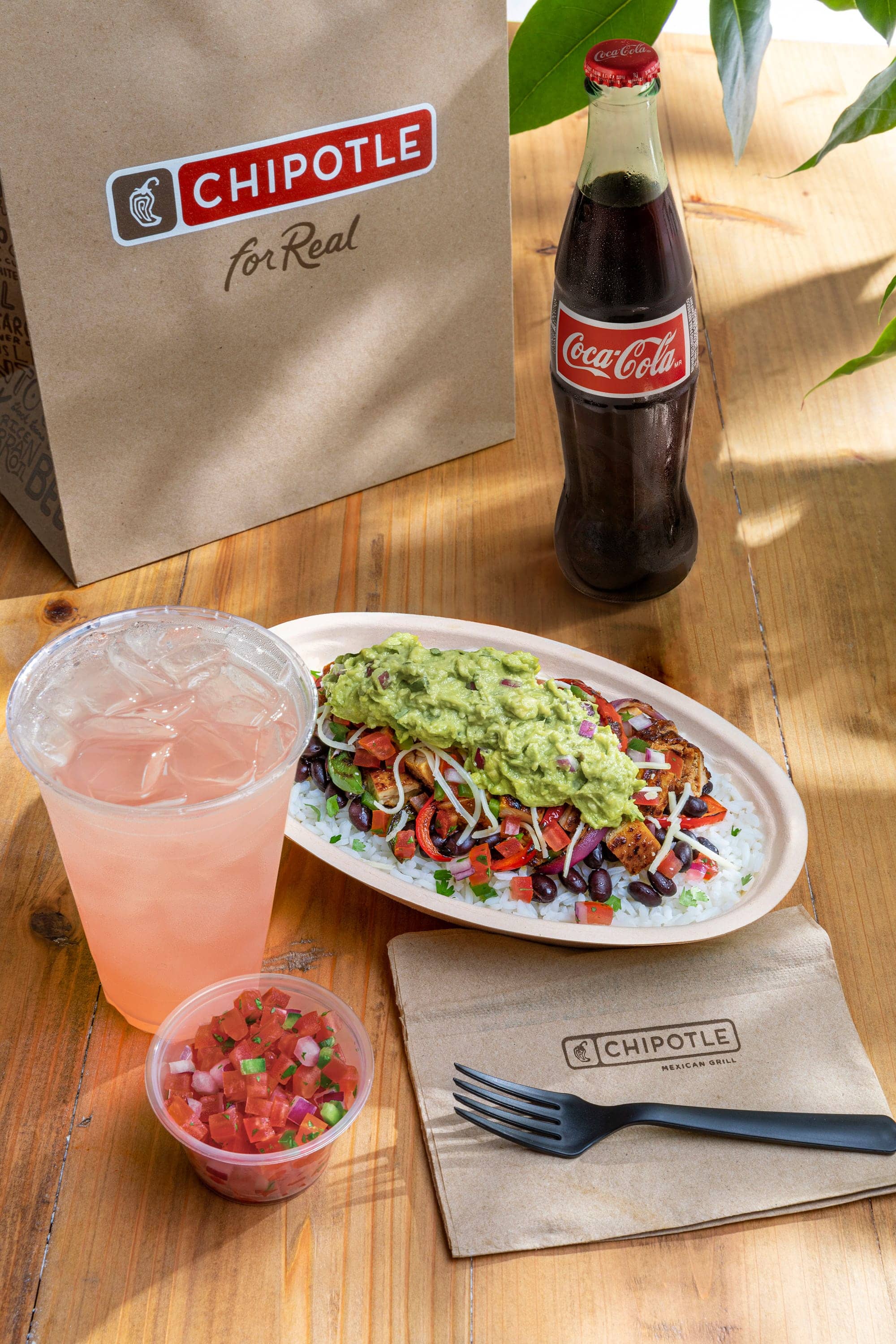
Chipotle names former KFC global CEO Sabir Sami to its board as the chain expands into Mexico, Saudi Arabia, and South Korea.
Sep 15, 2026

LeBron James joins Mike's Red Tacos as an investor, backing the birria chain led by Blaze Pizza and Dave's Hot Chicken veteran Bill Phelps.
Sep 15, 2026

Practical payroll compliance checklist for restaurant owners covering wage rules, tips, overtime, taxes, deductions, and recordkeeping to reduce legal risk.
Sep 14, 2026

Unlock Exclusive Access To Webinars, Events, And The Latest News For Free!
Finding the right time clock for your business can be difficult and time-consuming. There are many brands to choose from and each one offers different features. Here are some guidelines to help you select the best time clock machine for your company's needs.

The first thing to consider when shopping for a time clock is how complicated your company's needs are. For example, if you have 10 employees who use the same machines, and those 10 employees work at different times, it would be best to find a time clock that offers multiple punch cards. This will allow more than one employee to log their hours on one machine. On the other hand, if you have 100 employees and all of them work at the same time, it would be best to find a time clock with less features as it will be easier to manage.
The first thing you should consider is if you want to use a cloud-based system or not. Cloud-based systems are typically cheaper than on-premise systems, but they do require internet access. They also offer more advanced reporting and easier integration with other software. On-premise systems are more accurate and reliable, but they cost more to set up and maintain long-term.
If you're interested in a time clock machine that can connect to your office network, make sure to purchase one that'll meet your needs. Some machines offer Wi-Fi connections and some offer cellular connections. If you're looking for the most reliable connection, Wi-Fi is the best option. However, if you're operating in an area with limited Wi-Fi or no internet connection at all, then a cellular connection is what you need.
The first question you need to ask yourself before purchasing a time clock is how many employees will be using the machine. If you have one or two employees, then a basic time clock may be enough. However, if your company has 10 or more workers, then it would be best to purchase a professional-quality time clock machine. Professional-quality machines are typically less expensive and easier to use than basic models.
The person responsible for managing the system will depend on your business needs. If you have many employees and different shifts, you may need to invest in a more advanced time clock system with management tools. But if you have just a few employees or employees who work the same shift, an interface that's easy to navigate will be sufficient.
First, you should consider your budget. The price range for a time clock machine can vary from as little as $100 to thousands of dollars. If you're not prepared to spend a significant amount of money on the product, consider looking for a cheaper option.
If you're not sure which time clock machine will work best for your business, this guide is a great starting point. We've created a list of the best time clock machines for every business size and every need.