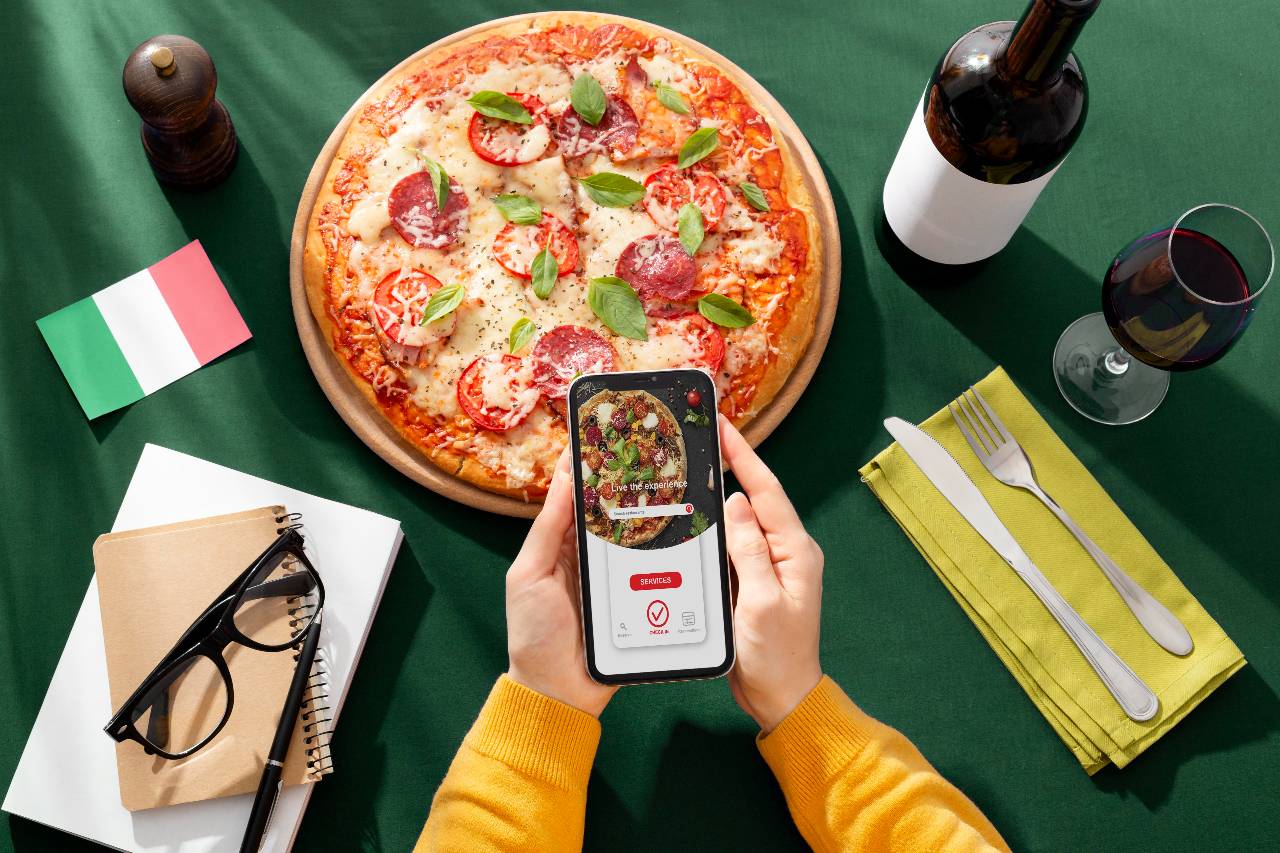
Best Restaurant Marketing Ideas for 2026
This guide outlines restaurant marketing ideas that help operators attract nearby customers, convert demand faster, and strengthen long-term retention.
marketing ideas
Apr 16, 2026
This guide outlines restaurant marketing ideas that help operators attract nearby customers, convert demand faster, and strengthen long-term retention.
Apr 16, 2026

A clear host training process helps restaurants manage greetings, waitlists, reservations, seating decisions, and guest communication more consistently.
Apr 15, 2026
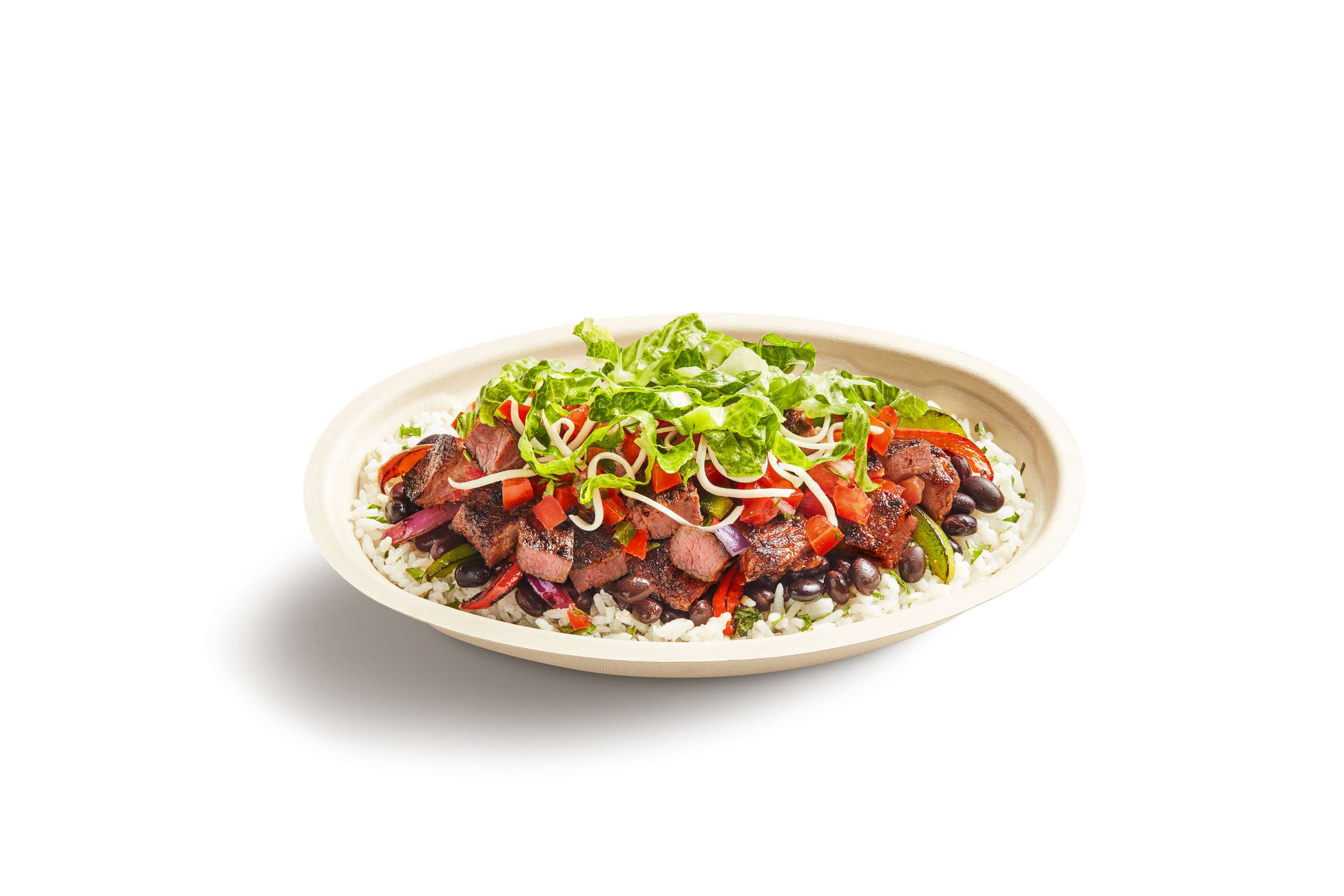
Chipotle reshapes loyalty with Rewards on Repeat, blending in-store promotions, staff incentives, and simpler redemption to boost traffic.
Apr 16, 2026

Photo by Salah Ait Mokhtar on Unsplash
A refined look at Papa Murphy’s strategy as MTY guides a cautious turnaround amid a crowded pizza landscape—digital play, local marketing, and a new Detroit-style offering.
Apr 16, 2026
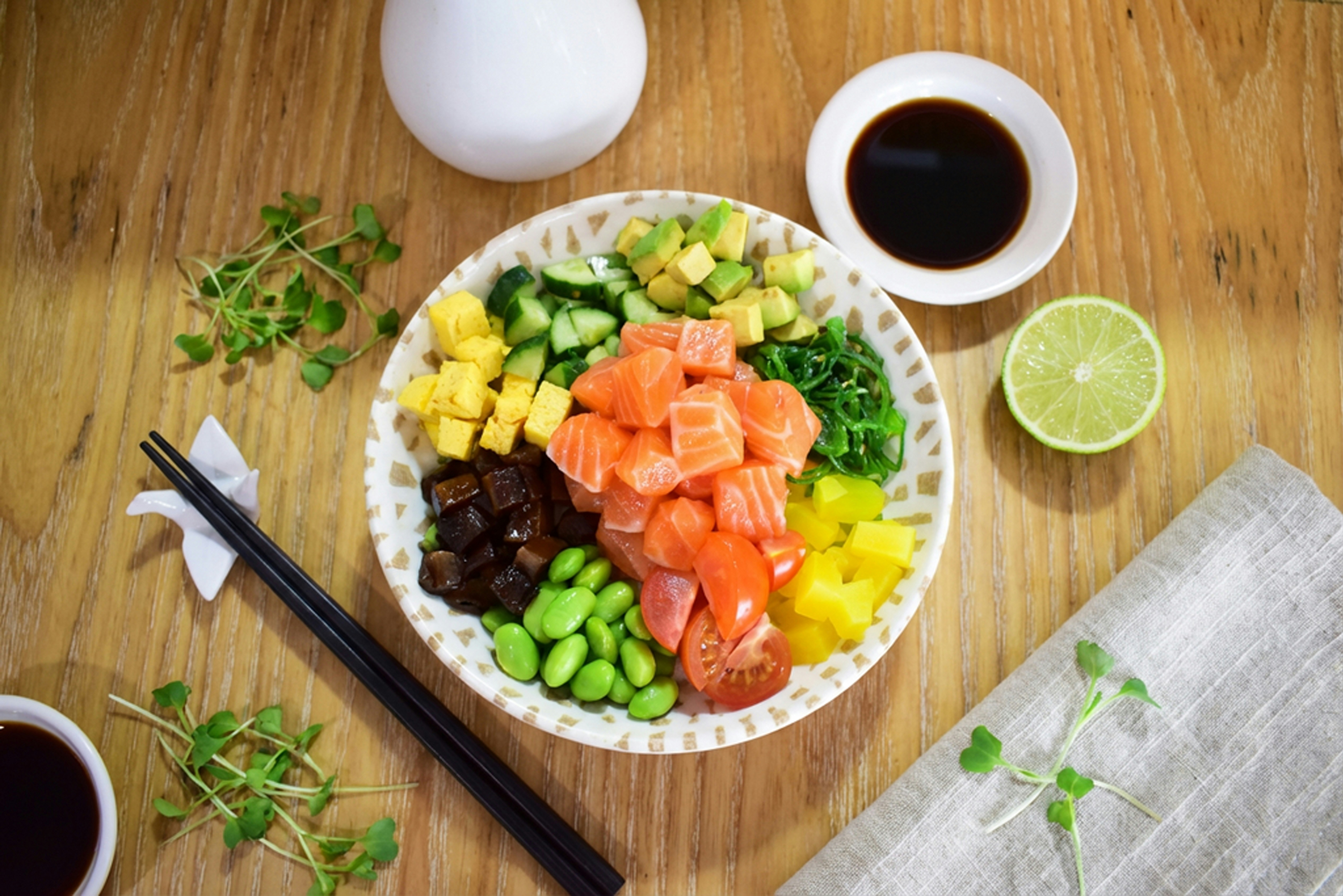
Photo by Sergio Mena Ferreira on Unsplash
Mo’ Bettahs leaves Kansas City as it pivots to a PE-backed national expansion to Phoenix, Indianapolis, and Minneapolis.
Apr 16, 2026
Photo by Kate Trysh on Unsplash
Applebee’s O-M-Cheese Burger fuses spectacle with value, driving social buzz and foot traffic—a signal for the skillet-cheese moment in casual dining.
Apr 16, 2026

Photo by Diego Mattevi on Unsplash
GoTo Foods taps Misra and Lambert to harmonize digital momentum with disciplined development across seven brands, aiming for stronger guest experiences and franchisee economics.
Apr 16, 2026
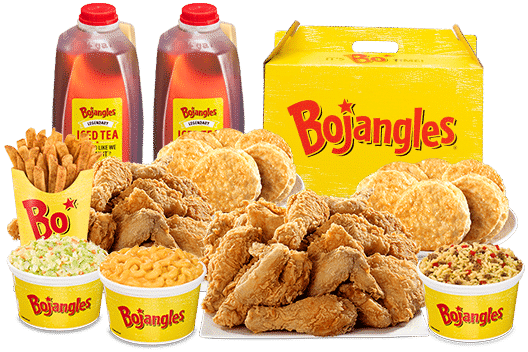
Bojangles launches Bo’s Chicken Rippers in an eight-week pilot, turning bites into a hands-on, sauce-forward experience with interactive, tear-apart slabs.
Apr 16, 2026
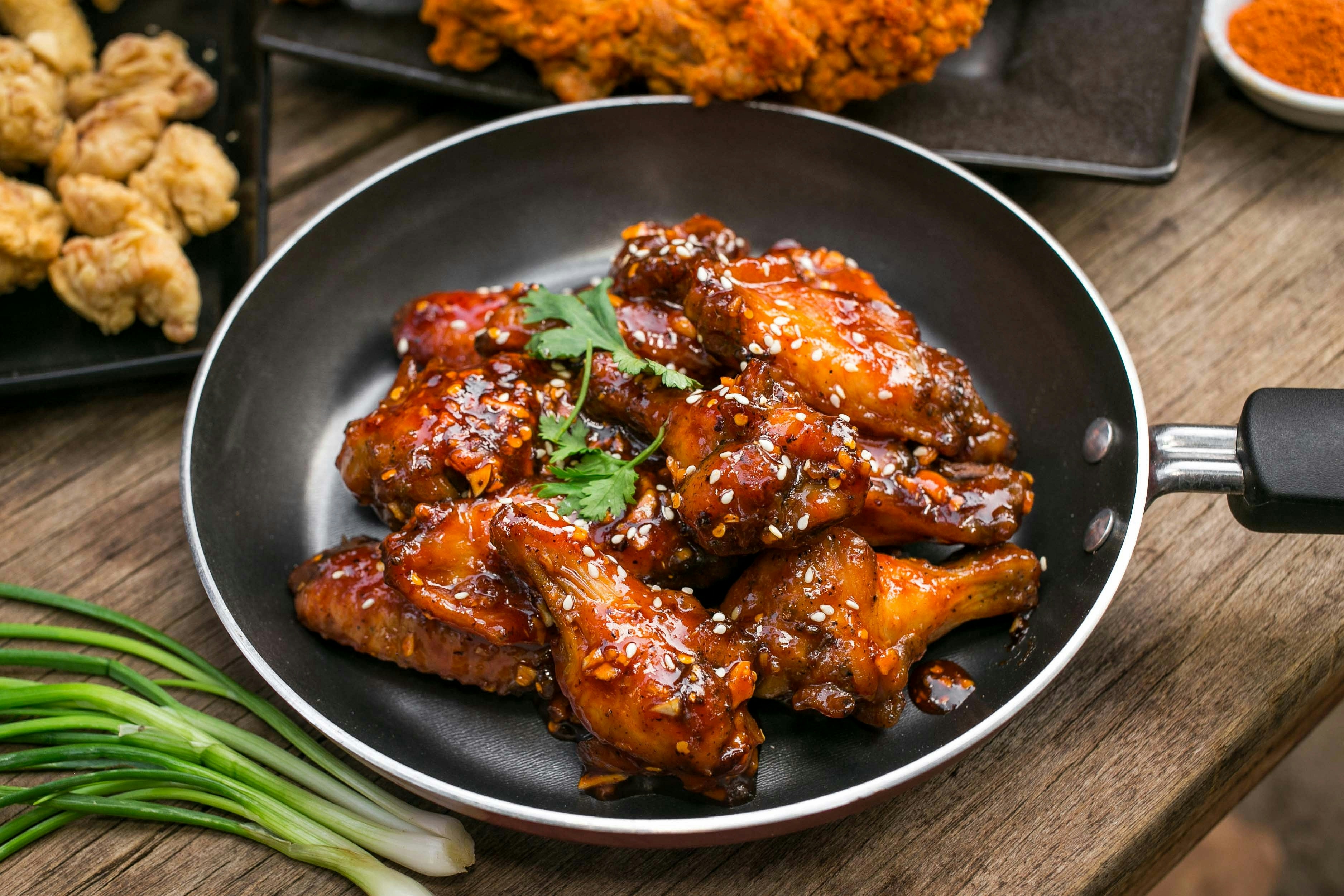
Photo by Jim Sosengphet on Unsplash
Popeyes teams with One Piece for a limited menu and merch drop, blending bold flavors with anime fandom to boost traffic and loyalty.
Apr 16, 2026
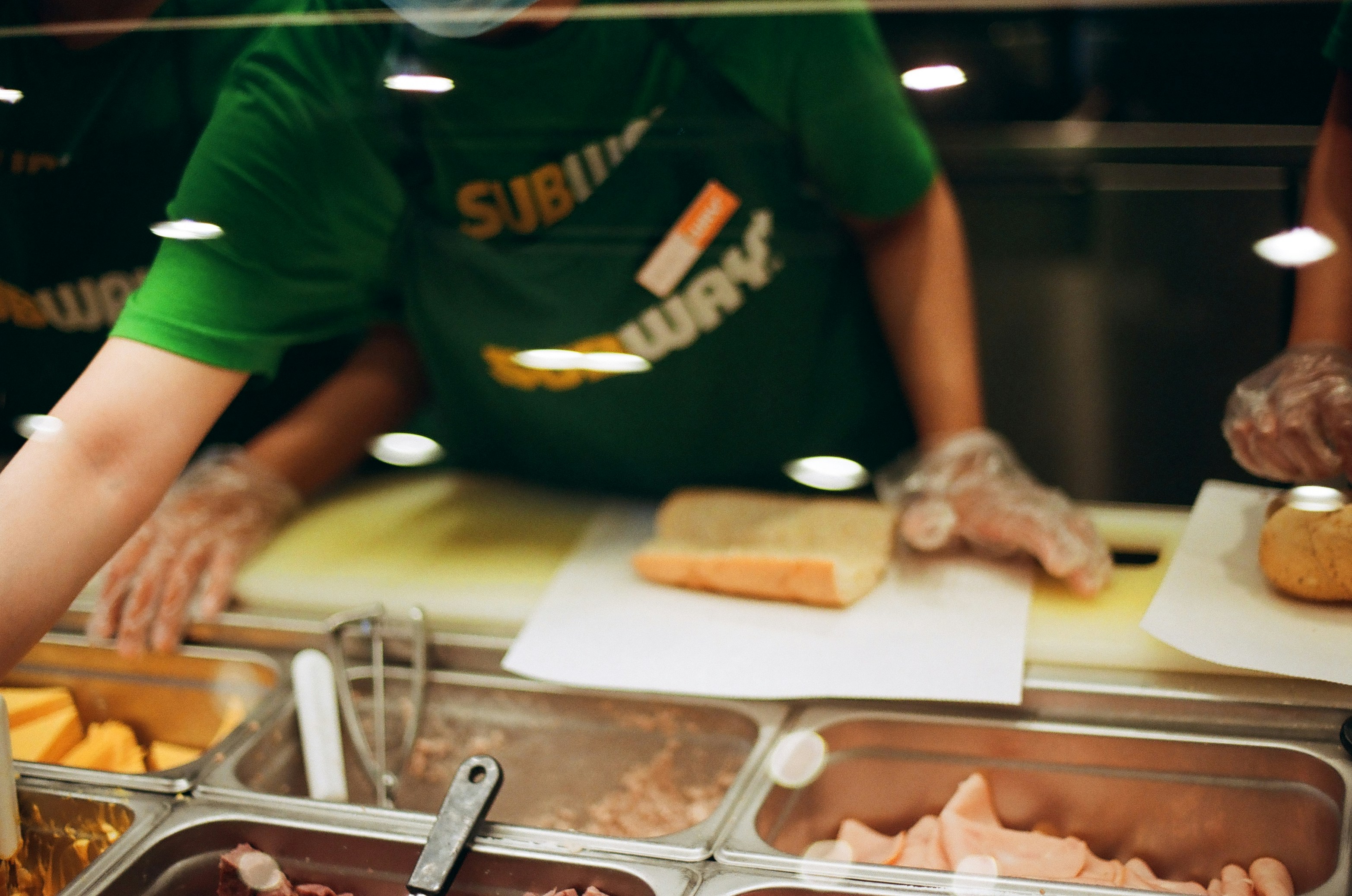
Photo by dedy kurniawan on Unsplash
A close look at Jersey Mike’s rapid expansion, leadership shift, and international push under Blackstone’s ownership.
Apr 16, 2026
Explore how Starbucks is prioritizing cost reduction, brand renovation, menu innovation, and addressing employee benefits to enhance its operations.
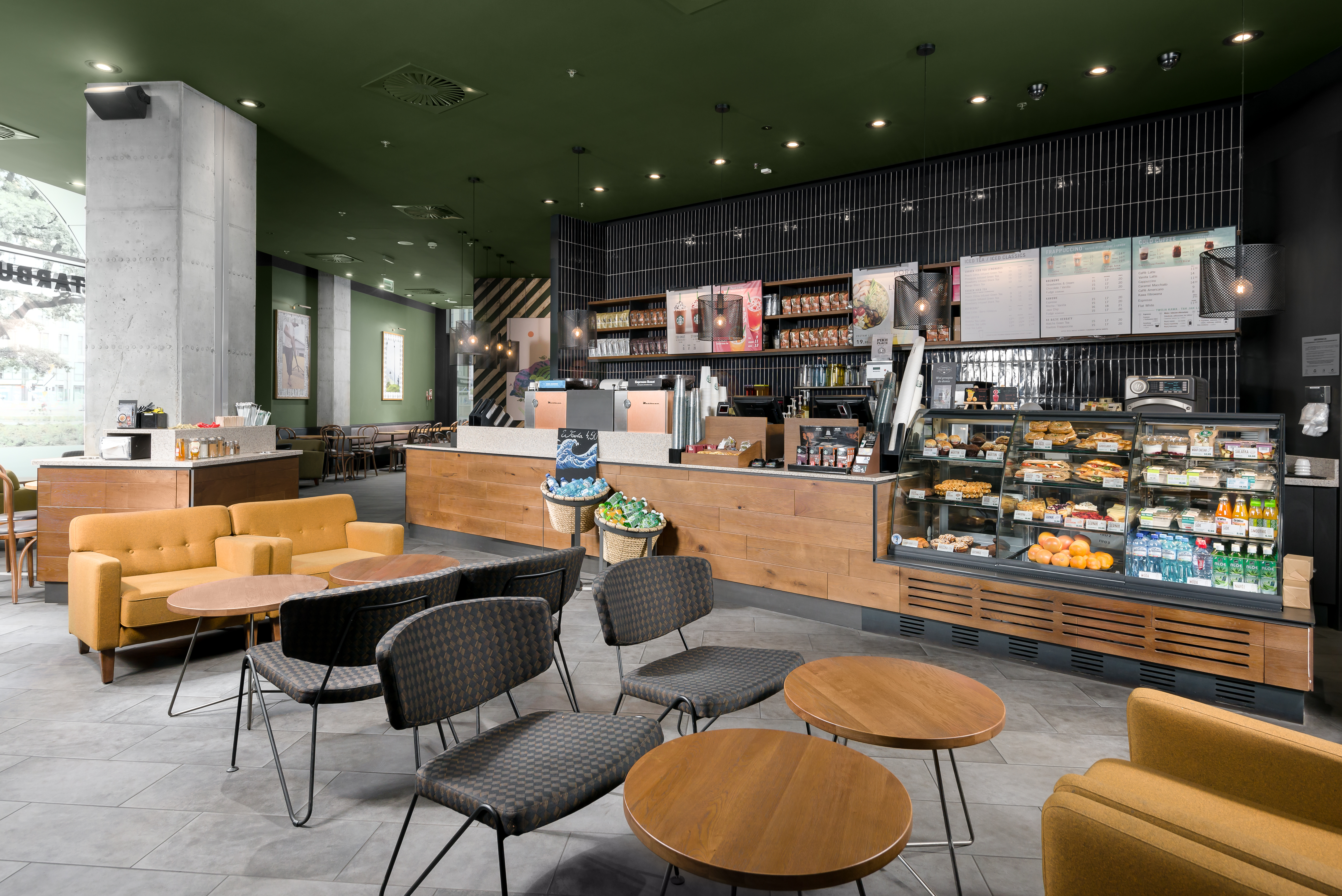
Starbucks, under the leadership of CEO Brian Niccol, has set its sights on significant operational shifts in the coming years, with cost reduction emerging as a top priority. Niccol's emphasis on reducing costs reflects the company's strategic goal to enhance operational efficiency and financial performance. The recent stock awards and Niccol's statements indicate a clear focus on streamlining operations to drive profitability.

In line with its strategy to refocus on the shopfloor experience, Starbucks is undergoing a brand renovation led by Niccol. The Green Apron Service model introduced by Starbucks integrates new service standards, partner plays, and deployment changes to enhance customer experience. This refurbishment effort aims to align with Starbucks' transition towards a coffeehouse-focused approach, emphasizing customer engagement and satisfaction.
As part of its brand overhaul, Starbucks is revamping its menu to attract consumers with new offerings and experiences. The company's move to trim menu items while introducing innovative coffee-forward beverages like the Cortado platform showcases a deliberate shift towards a more curated and engaging menu. By catering to evolving consumer preferences, Starbucks aims to strengthen its market position and drive foot traffic to its stores.
The recent discussions around Starbucks Workers United and employee bonuses bring to light the importance of employee welfare in the company's operations. While the bonuses raised concerns among some, Starbucks emphasizes its commitment to providing competitive benefits to its workforce. By ensuring that hourly workers receive a comprehensive benefits package equivalent to more than $30 per hour for over 20 hours of work per week, Starbucks aims to foster a positive work environment and enhance employee satisfaction.
Despite its efforts to improve employee benefits, Starbucks faces scrutiny over income inequalities within its workforce, with the median employee earning below the federal poverty line for an individual. This disparity underscores the ongoing challenges companies like Starbucks encounter in balancing profitability with equitable compensation. As Starbucks navigates these complexities, addressing income inequalities is likely to be a key area of focus to ensure sustainable growth and employee well-being.