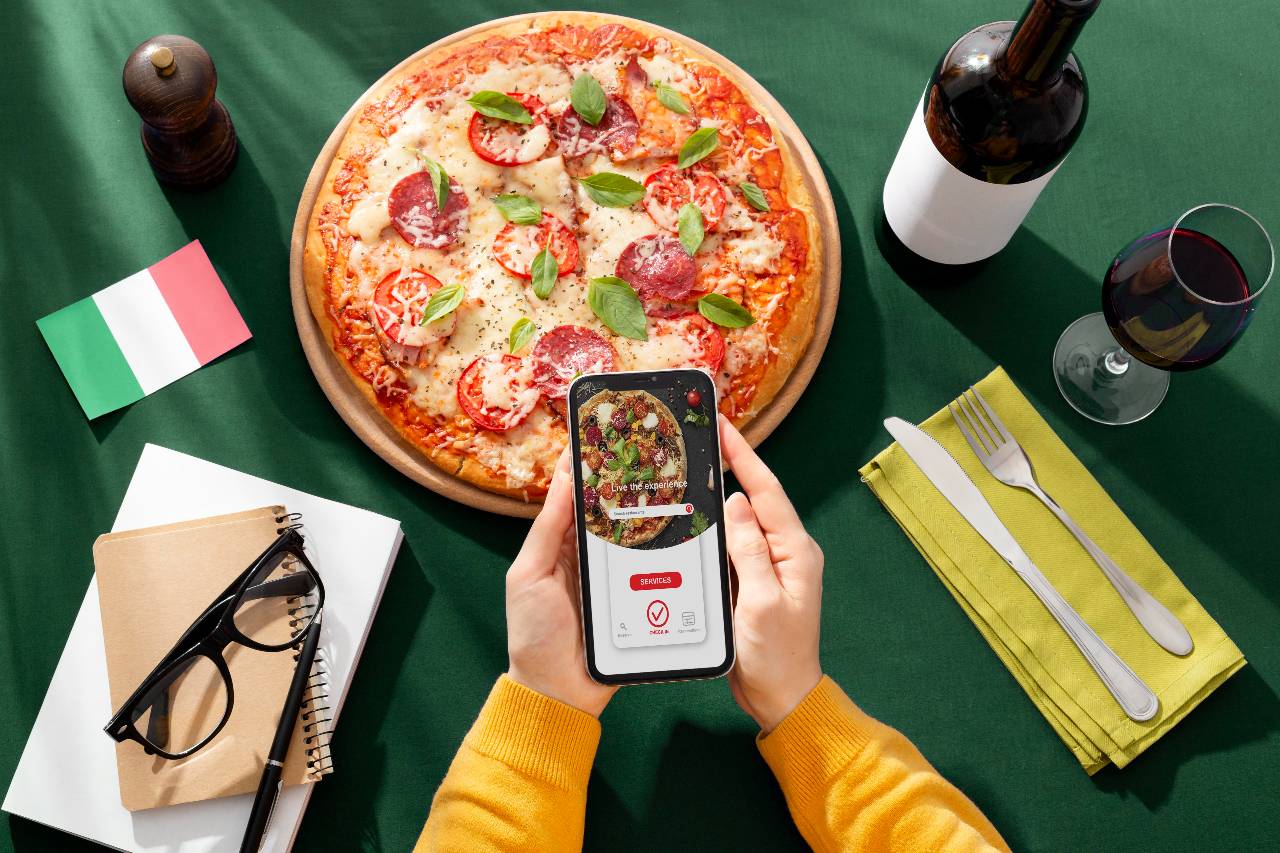
Best Restaurant Marketing Ideas for 2026
This guide outlines restaurant marketing ideas that help operators attract nearby customers, convert demand faster, and strengthen long-term retention.
marketing ideas
Apr 16, 2026
This guide outlines restaurant marketing ideas that help operators attract nearby customers, convert demand faster, and strengthen long-term retention.
Apr 16, 2026

A clear host training process helps restaurants manage greetings, waitlists, reservations, seating decisions, and guest communication more consistently.
Apr 15, 2026
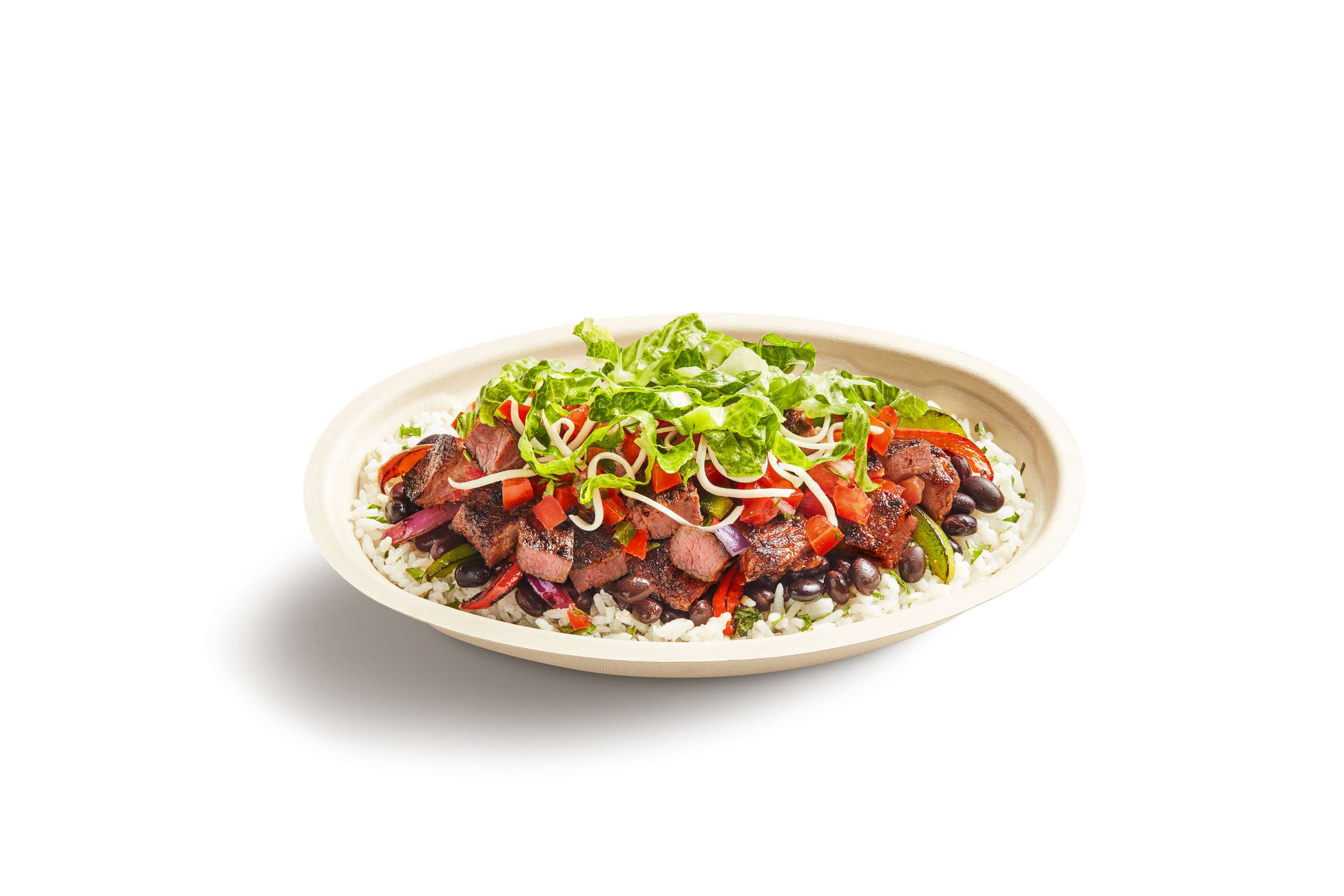
Chipotle reshapes loyalty with Rewards on Repeat, blending in-store promotions, staff incentives, and simpler redemption to boost traffic.
Apr 16, 2026
Photo by Salah Ait Mokhtar on Unsplash
A refined look at Papa Murphy’s strategy as MTY guides a cautious turnaround amid a crowded pizza landscape—digital play, local marketing, and a new Detroit-style offering.
Apr 16, 2026
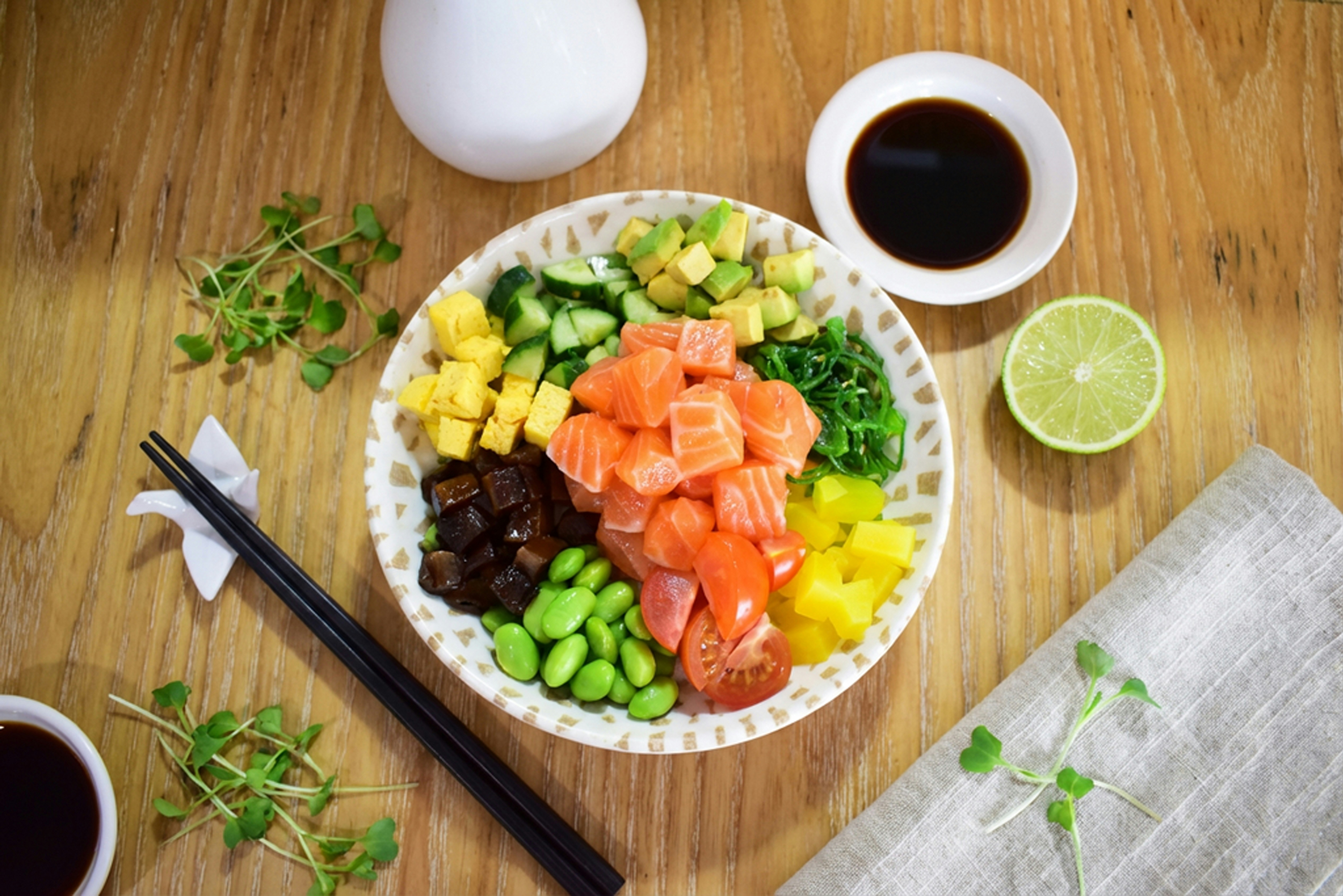
Photo by Sergio Mena Ferreira on Unsplash
Mo’ Bettahs leaves Kansas City as it pivots to a PE-backed national expansion to Phoenix, Indianapolis, and Minneapolis.
Apr 16, 2026
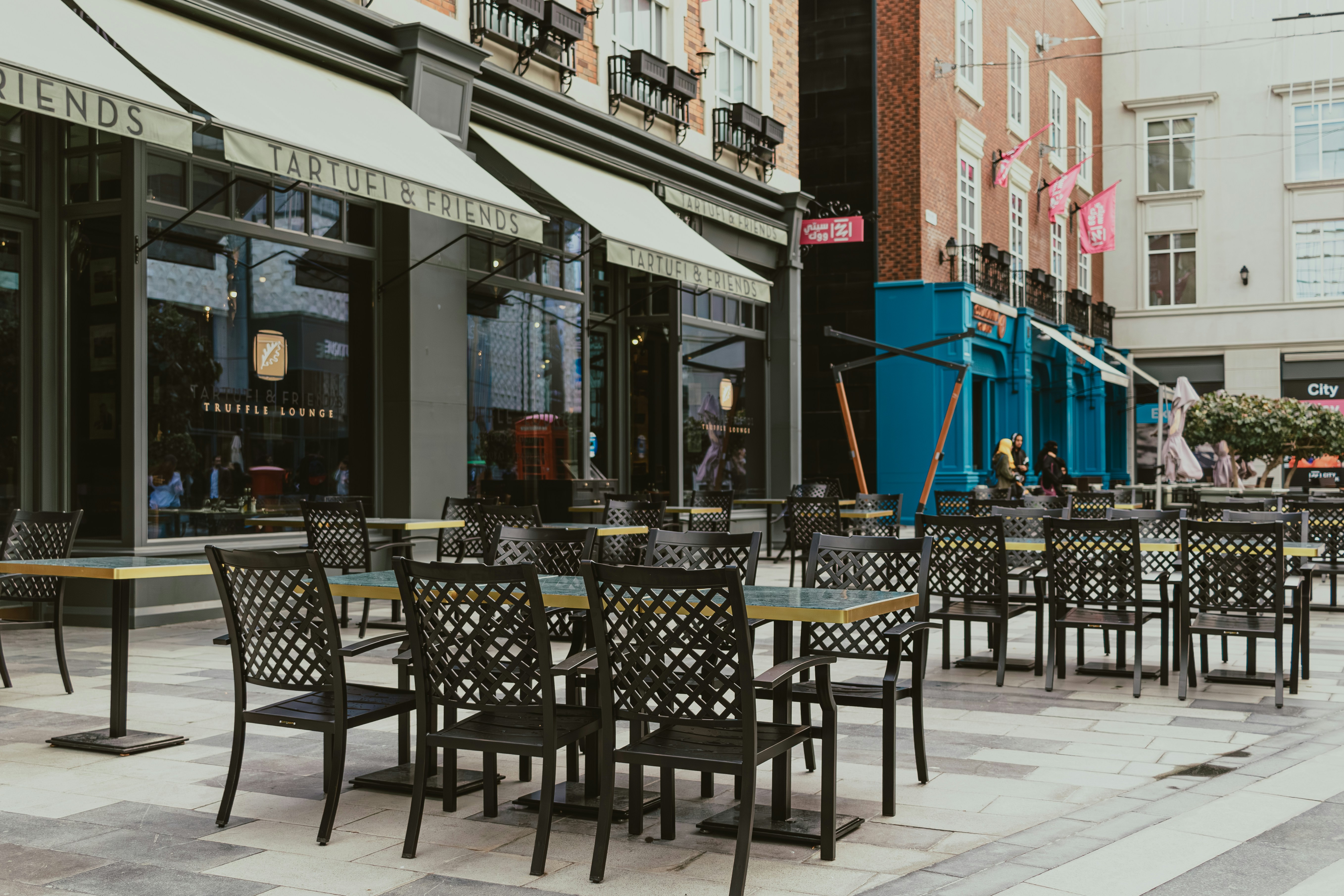
Photo by Kate Trysh on Unsplash
Applebee’s O-M-Cheese Burger fuses spectacle with value, driving social buzz and foot traffic—a signal for the skillet-cheese moment in casual dining.
Apr 16, 2026
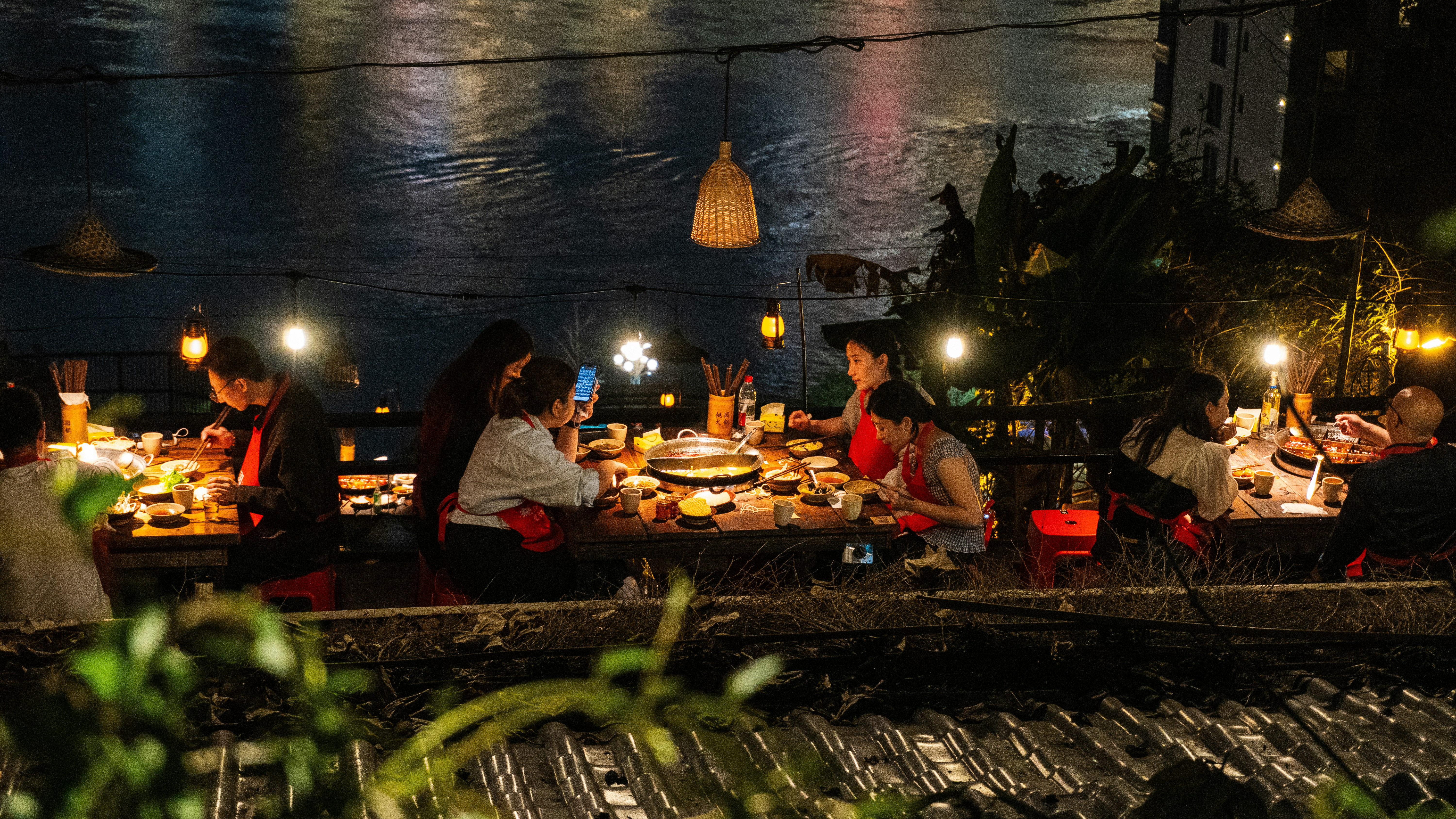
Photo by Diego Mattevi on Unsplash
GoTo Foods taps Misra and Lambert to harmonize digital momentum with disciplined development across seven brands, aiming for stronger guest experiences and franchisee economics.
Apr 16, 2026
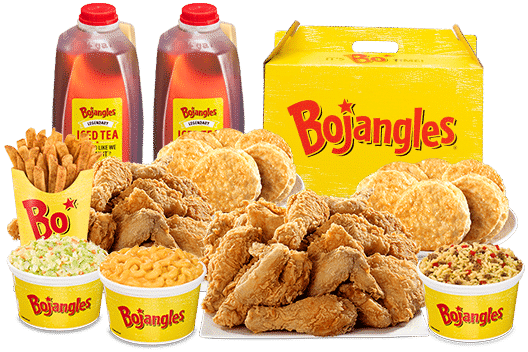
Bojangles launches Bo’s Chicken Rippers in an eight-week pilot, turning bites into a hands-on, sauce-forward experience with interactive, tear-apart slabs.
Apr 16, 2026
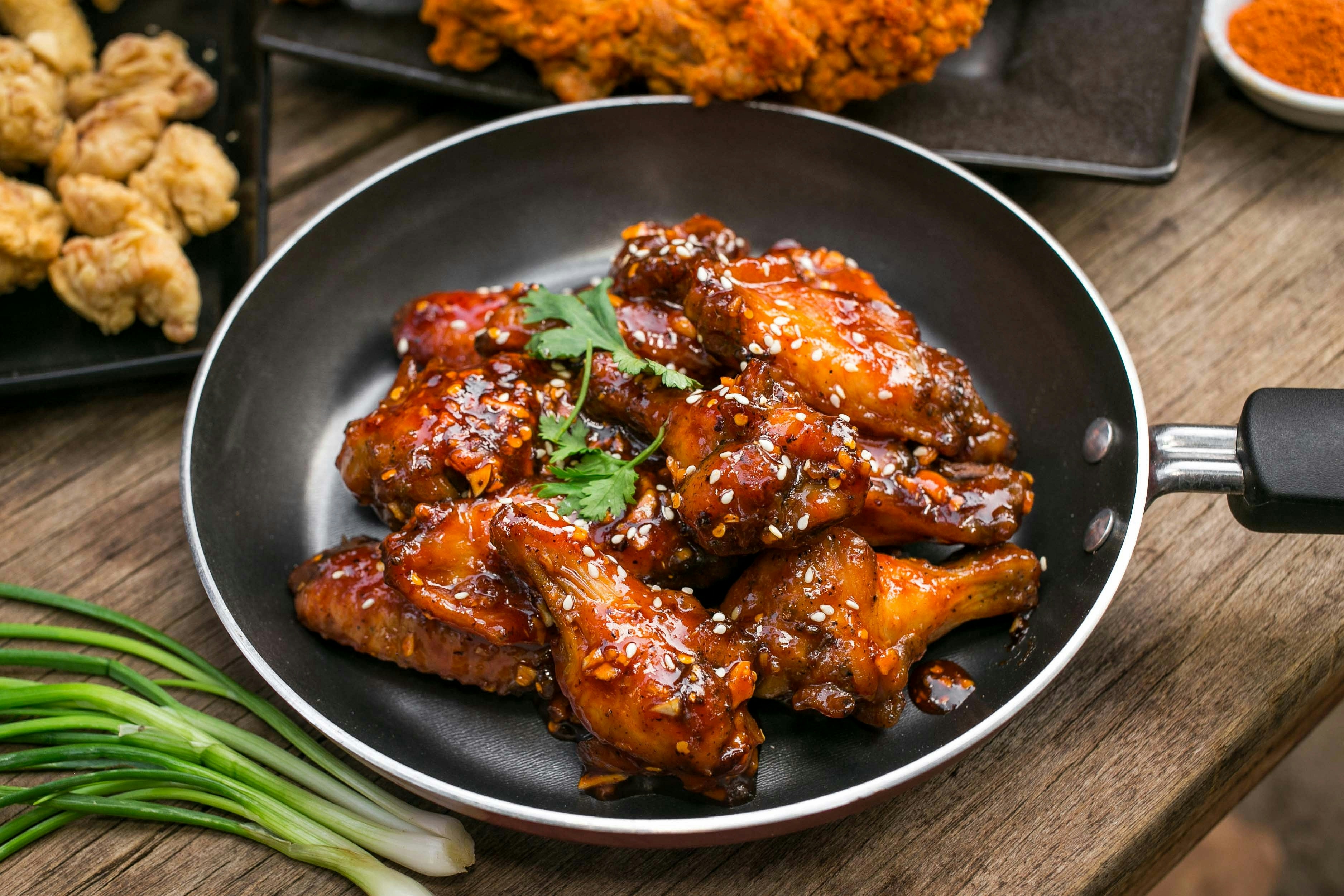
Photo by Jim Sosengphet on Unsplash
Popeyes teams with One Piece for a limited menu and merch drop, blending bold flavors with anime fandom to boost traffic and loyalty.
Apr 16, 2026
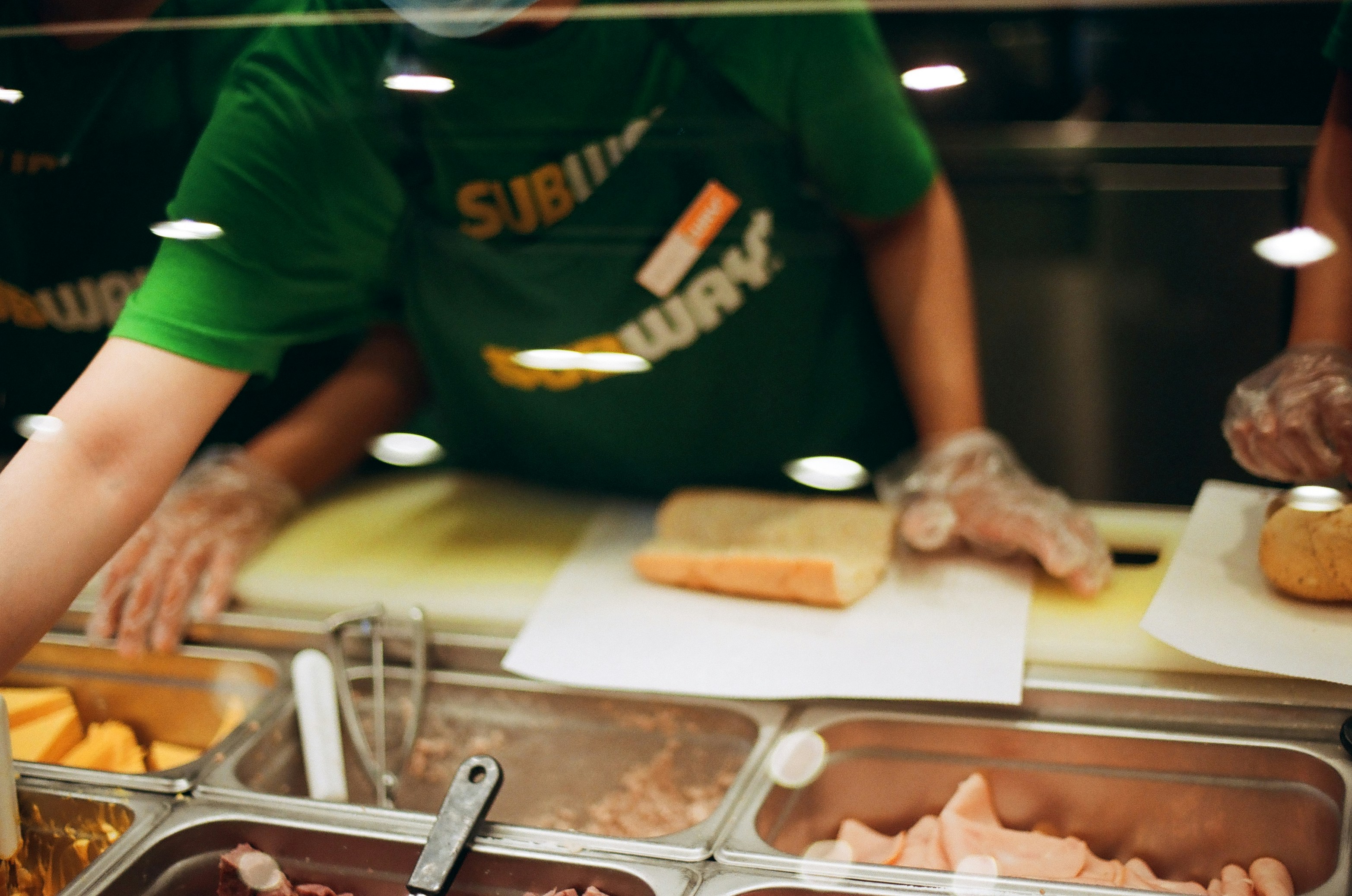
Photo by dedy kurniawan on Unsplash
A close look at Jersey Mike’s rapid expansion, leadership shift, and international push under Blackstone’s ownership.
Apr 16, 2026
Explore how recent regulatory changes in cities like Boston are reshaping the landscape of restaurant deliveries and ensuring safety for all stakeholders.
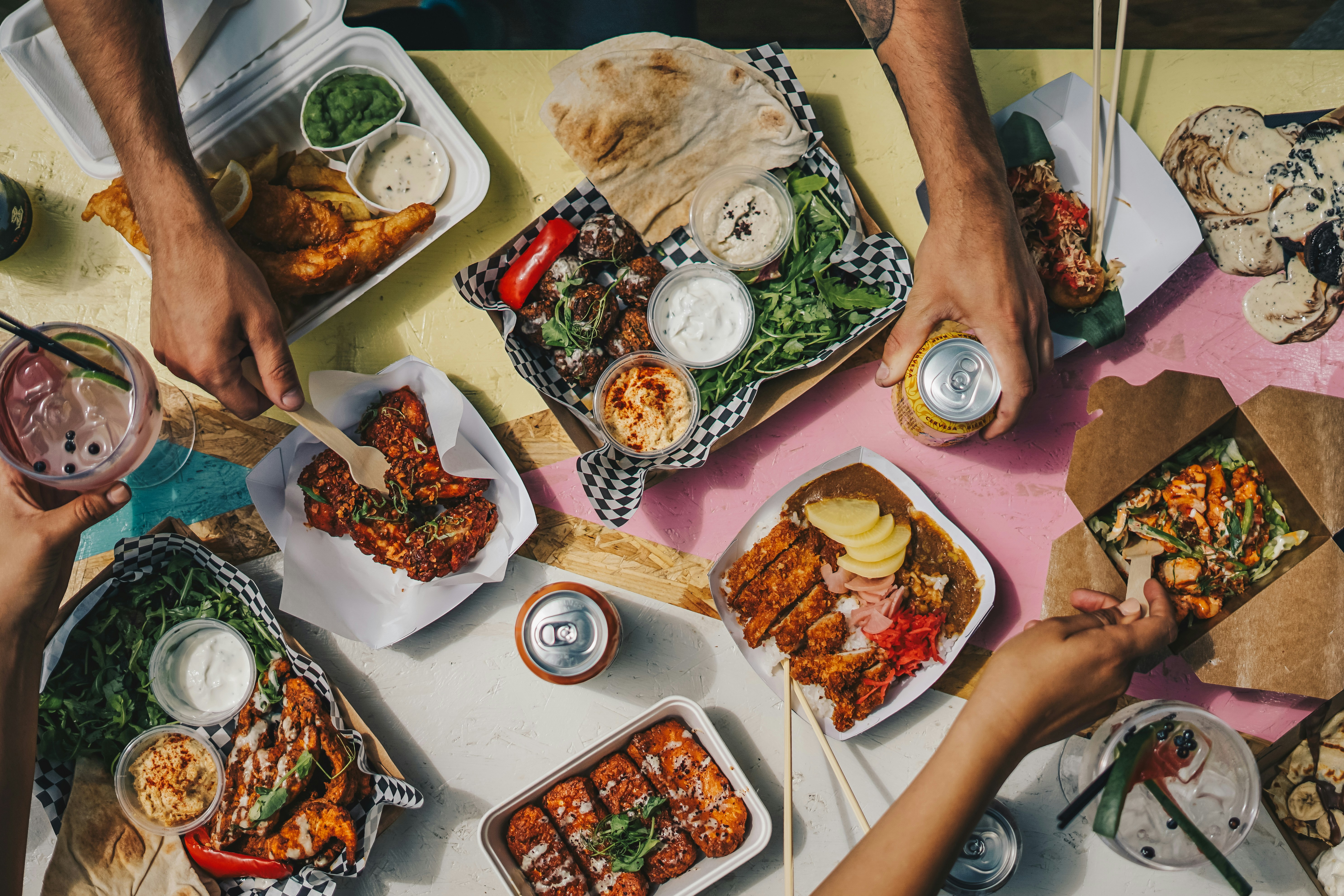
Photo by Ambitious Studio* | Rick Barrett on Unsplash
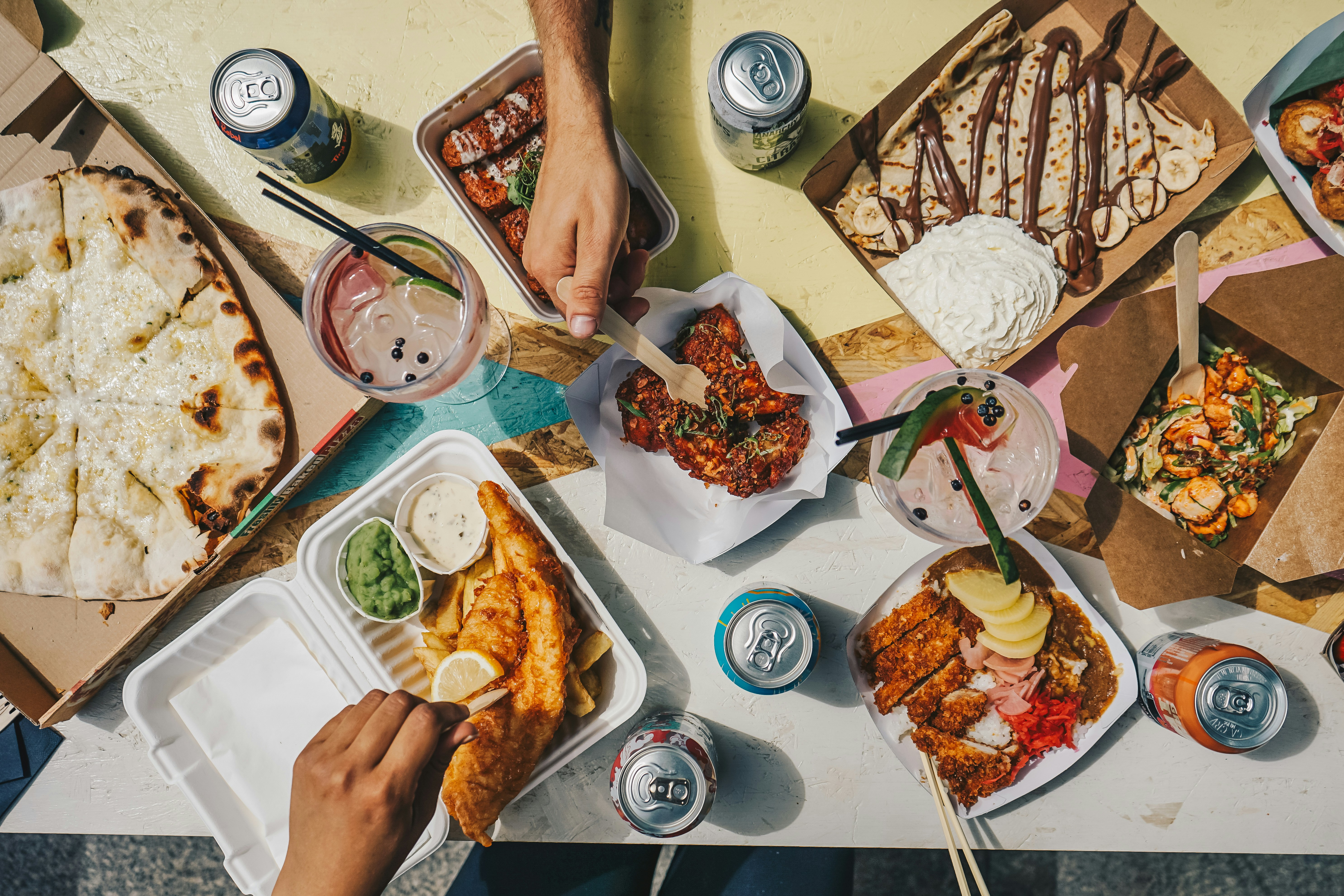
Photo by Ambitious Studio* | Rick Barrett on Unsplash
Recent regulatory changes in cities like Boston highlight a growing concern for the safety of delivery drivers and the general public. By requiring delivery companies to provide insurance coverage for their workers, these laws seek to disincentivize reckless driving practices and ensure that all stakeholders are adequately protected. The emphasis on safer driving practices, as advocated by officials like Jascha Franklin-Hodge, underscores the importance of prioritizing public safety in the delivery ecosystem.
While the intention behind these regulations is to enhance safety, delivery companies like DoorDash are expressing concerns about the potential impact on their operations. The opposition from these firms stems from fears of increased costs associated with providing insurance coverage to their drivers. The debate between regulatory compliance and operational efficiency presents a significant challenge for companies navigating the evolving landscape of delivery regulations.
Photo by Ambitious Studio* | Rick Barrett on Unsplash
In response to regulatory changes, delivery companies are adapting their strategies to align with new requirements while maintaining operational effectiveness. For instance, the shift towards encouraging safer driving practices can lead to innovative solutions such as incorporating driver monitoring systems or providing incentives for adherence to traffic regulations. Companies like DoorDash are likely to explore alternative measures to mitigate the potential impact of increased costs on their business models.