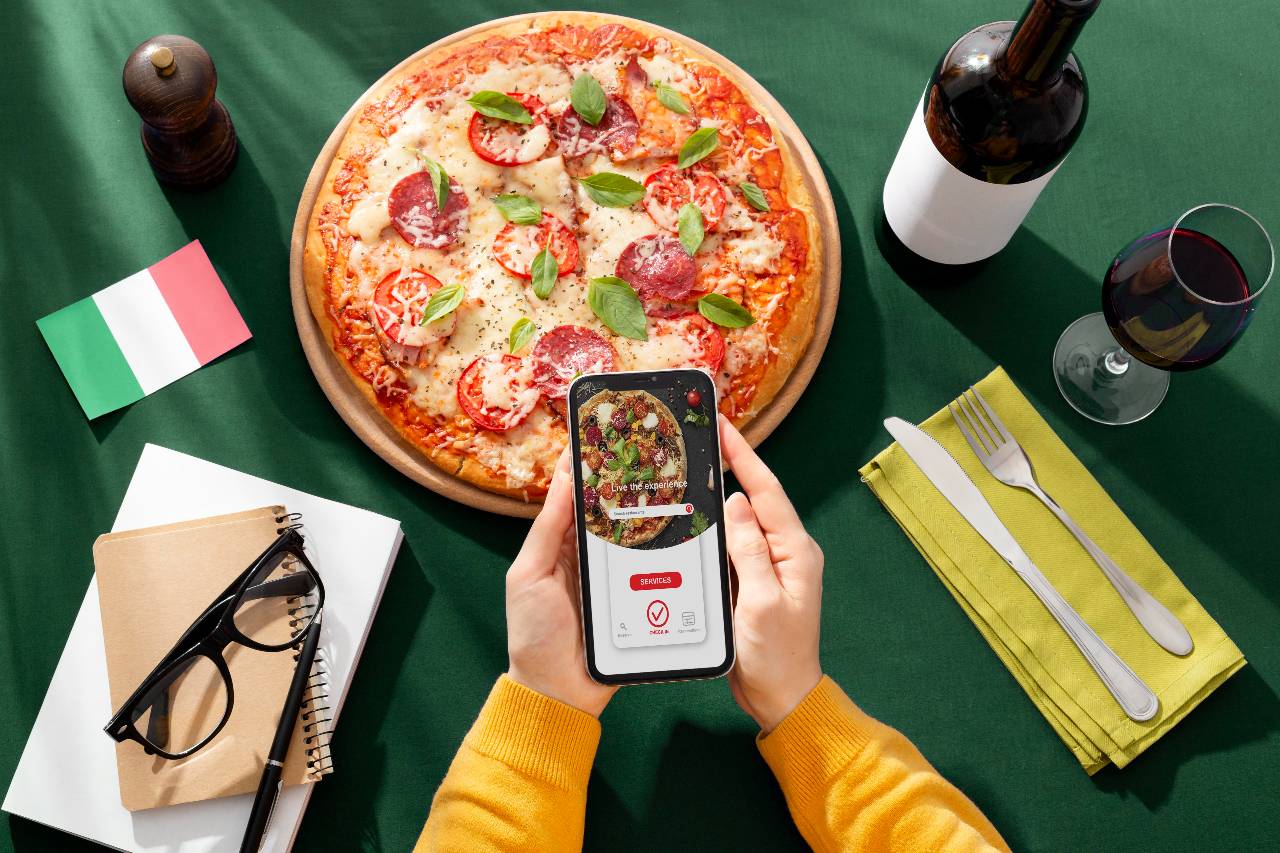
Best Restaurant Marketing Ideas for 2026
This guide outlines restaurant marketing ideas that help operators attract nearby customers, convert demand faster, and strengthen long-term retention.
marketing ideas
Apr 16, 2026
This guide outlines restaurant marketing ideas that help operators attract nearby customers, convert demand faster, and strengthen long-term retention.
Apr 16, 2026

A clear host training process helps restaurants manage greetings, waitlists, reservations, seating decisions, and guest communication more consistently.
Apr 15, 2026
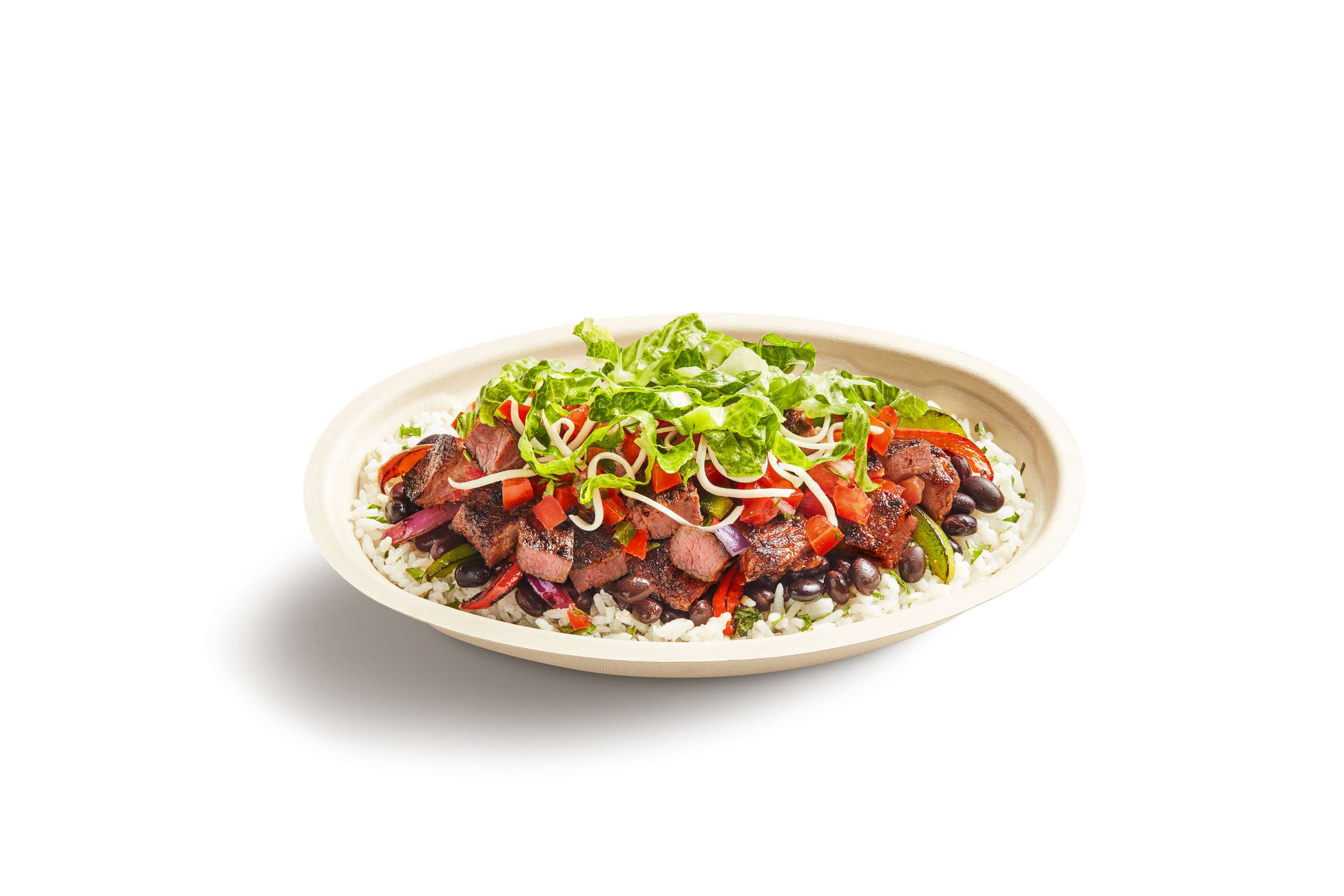
Chipotle reshapes loyalty with Rewards on Repeat, blending in-store promotions, staff incentives, and simpler redemption to boost traffic.
Apr 16, 2026

Photo by Salah Ait Mokhtar on Unsplash
A refined look at Papa Murphy’s strategy as MTY guides a cautious turnaround amid a crowded pizza landscape—digital play, local marketing, and a new Detroit-style offering.
Apr 16, 2026

Photo by Sergio Mena Ferreira on Unsplash
Mo’ Bettahs leaves Kansas City as it pivots to a PE-backed national expansion to Phoenix, Indianapolis, and Minneapolis.
Apr 16, 2026

Photo by Kate Trysh on Unsplash
Applebee’s O-M-Cheese Burger fuses spectacle with value, driving social buzz and foot traffic—a signal for the skillet-cheese moment in casual dining.
Apr 16, 2026

Photo by Diego Mattevi on Unsplash
GoTo Foods taps Misra and Lambert to harmonize digital momentum with disciplined development across seven brands, aiming for stronger guest experiences and franchisee economics.
Apr 16, 2026
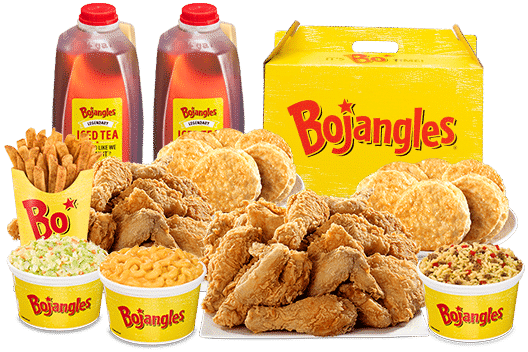
Bojangles launches Bo’s Chicken Rippers in an eight-week pilot, turning bites into a hands-on, sauce-forward experience with interactive, tear-apart slabs.
Apr 16, 2026
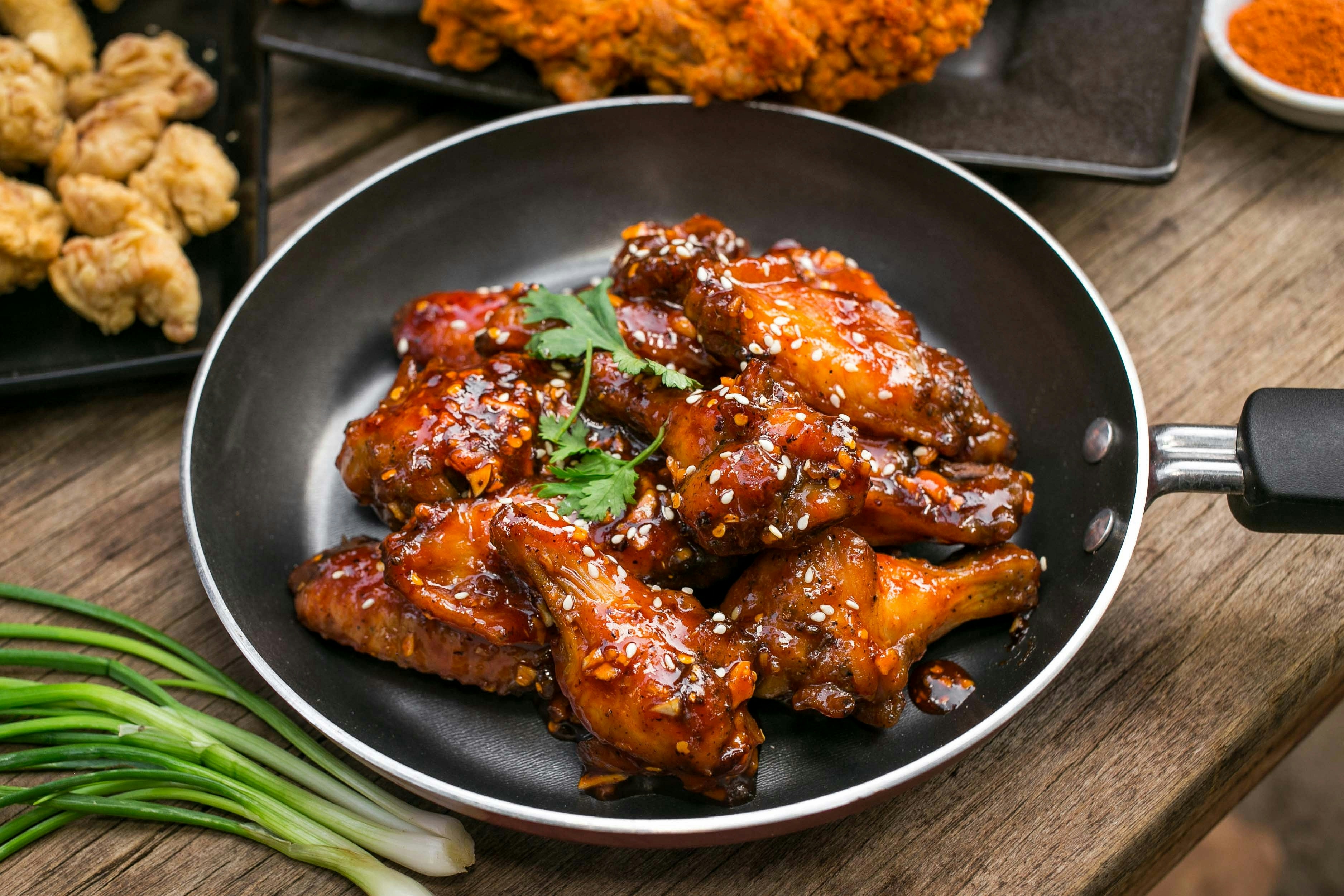
Photo by Jim Sosengphet on Unsplash
Popeyes teams with One Piece for a limited menu and merch drop, blending bold flavors with anime fandom to boost traffic and loyalty.
Apr 16, 2026
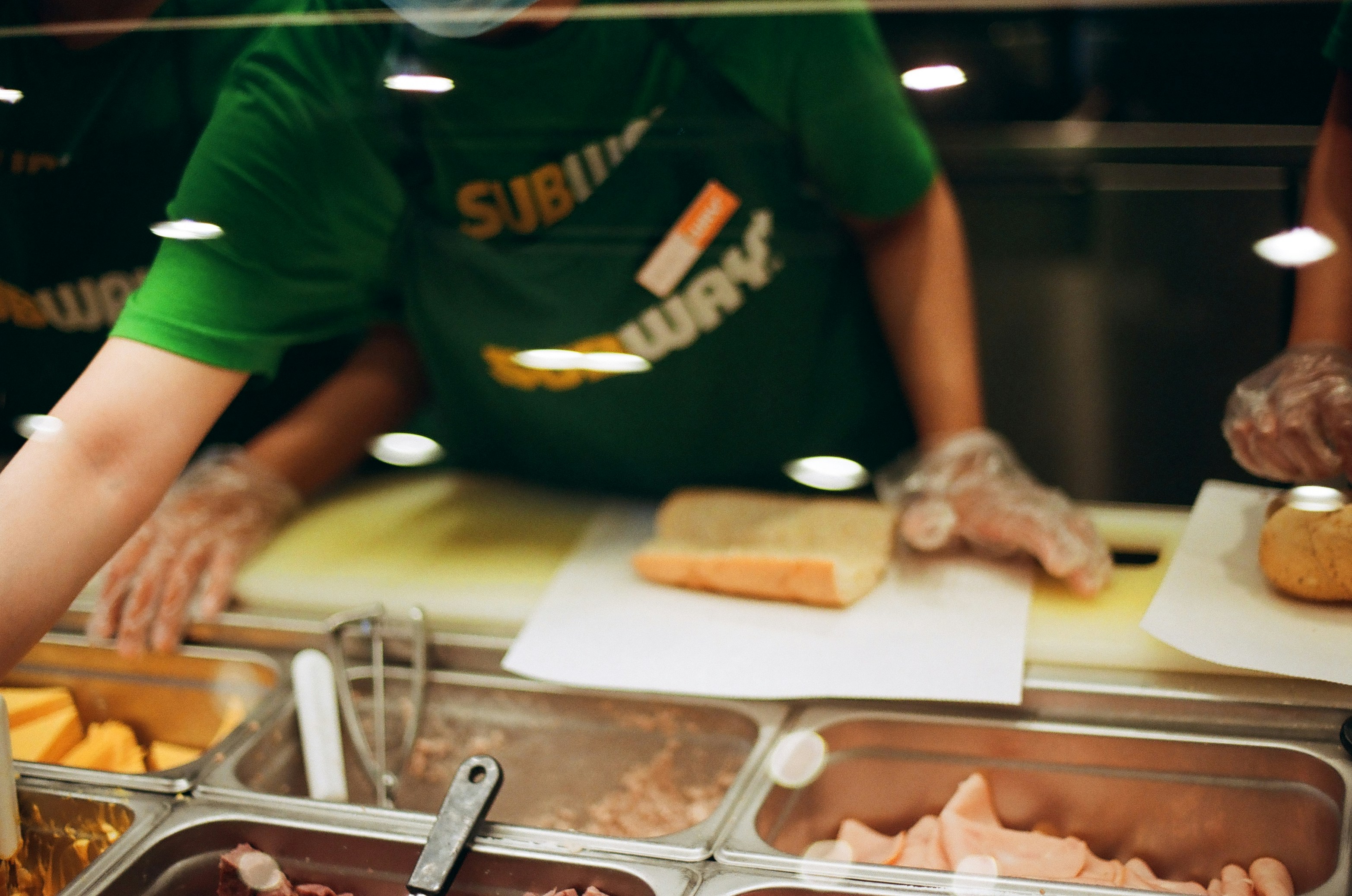
Photo by dedy kurniawan on Unsplash
A close look at Jersey Mike’s rapid expansion, leadership shift, and international push under Blackstone’s ownership.
Apr 16, 2026
Discover how top restaurant chains are leading the way as employers of choice in the industry. Learn about recruitment strategies, benefits, and retention tactics.

Photo by Łukasz Nieścioruk on Unsplash

Photo by Łukasz Nieścioruk on Unsplash
The restaurant industry is known for its dynamic and fast-paced environment, making the employee proposition a crucial aspect for attracting and retaining talent. With the current labor pool challenges and the impact of the "Great Resignation," restaurant chains are reevaluating their strategies to become employers of choice. By focusing on creating a positive work culture, offering competitive benefits, and implementing effective retention tactics, brands aim to stand out in the competitive landscape.

Photo by Łukasz Nieścioruk on Unsplash
Recruitment in the restaurant industry has evolved significantly, with brands leveraging innovative approaches to attract top talent. From targeted social media campaigns to referral programs and virtual hiring events, restaurants are exploring diverse channels to reach potential employees. Some brands have also introduced sign-on bonuses and flexible work schedules to entice candidates, showcasing a commitment to meeting the evolving needs of today's workforce.
Employee benefits play a pivotal role in shaping the employee experience and influencing retention rates within restaurant chains. Leading brands are going beyond traditional healthcare and vacation packages to offer comprehensive wellness programs, professional development opportunities, and financial incentives. By understanding the diverse needs of their workforce, restaurants can create tailored benefit packages that enhance employee satisfaction and loyalty.
Retaining top talent is a constant challenge for restaurant brands, particularly in a competitive labor market. To address this, companies are implementing targeted retention strategies such as mentorship programs, career advancement opportunities, and recognition initiatives. By providing clear paths for growth and acknowledging employee contributions, brands can foster a sense of loyalty and engagement among their workforce, reducing turnover rates and bolstering their reputation as employers of choice.