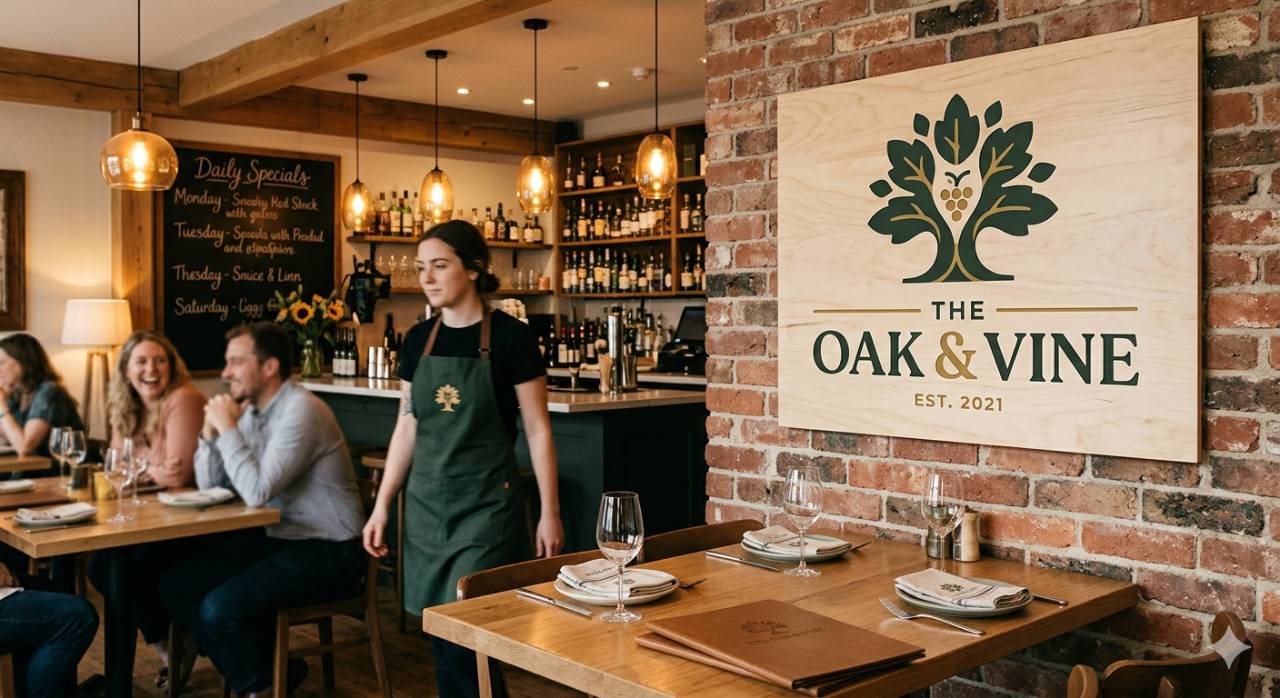
How to Build a Strong Restaurant Brand
A strong restaurant brand comes from clear values, consistent experiences, visual identity, customer focus, digital presence, and trusted service.
marketing ideas
May 5, 2026
A strong restaurant brand comes from clear values, consistent experiences, visual identity, customer focus, digital presence, and trusted service.
May 5, 2026
Optimize your restaurant google business profile with accurate details, posts, Q&A, attributes, reviews, and tracking to increase visibility and orders.
May 6, 2026

Clopen shifts may seem efficient, but they reduce rest, increase fatigue, and harm employee performance. Learn how back-to-back shifts impact morale, productivity, and retention and how better scheduling can improve team well-being and business outcomes.
May 6, 2026
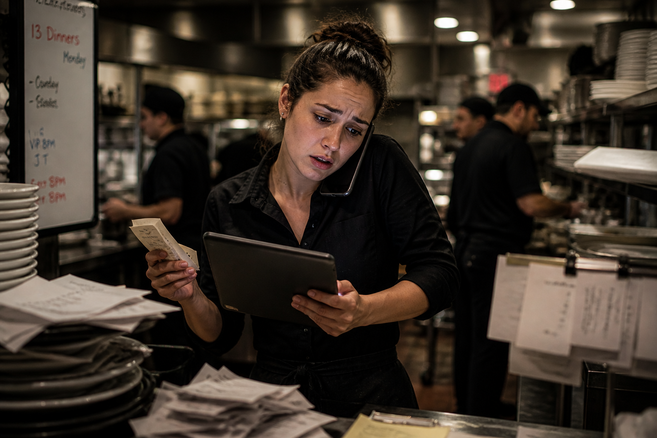
Overloading top employees may boost short-term results but leads to burnout and turnover. Learn warning signs, business impact, and how to balance workloads effectively.
May 5, 2026
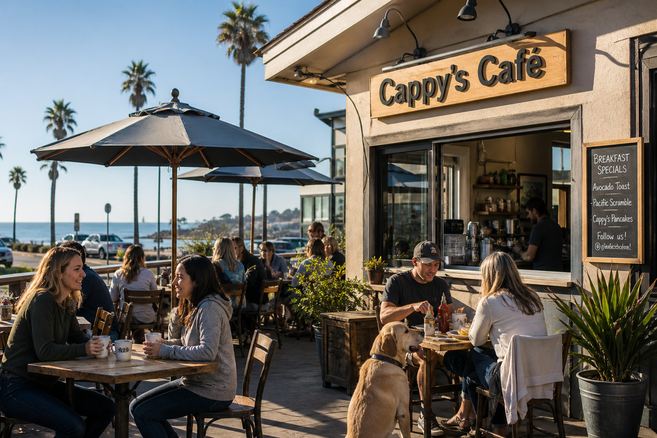
Discover operational insights, business strategies, and customer experiences drawn from Cappys Cafe in Newport Beach. Learn how this iconic breakfast and lunch spot thrives through community connection, technology, and unique hospitality.
May 5, 2026

Struggling with employee retention? Learn how unpredictable scheduling drives turnover and what you can do to create a more stable workforce.
May 4, 2026
Photo by on Unsplash
GoTo Foods blends seven iconic brands to push snacking as a growth engine, expanding dayparts, off-premise channels, and co-branding.
May 3, 2026
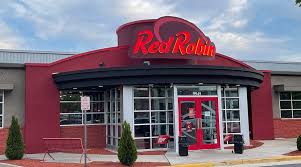
Mark Graff steps in as CFO to anchor Red Robin's First Choice turnaround with disciplined financial leadership.
May 3, 2026
Photo by Graphe Tween on Unsplash
Doinita Leahu redefines hospitality leadership with practical training, mentorship, and people-first systems guiding Vicious Biscuit’s growth.
May 3, 2026
Explore high-traffic Texas markets where restaurants can succeed by matching concepts, customer behavior, visibility, and daily demand.
Apr 30, 2026
Clear restaurant dress code policies improve safety, hygiene, brand consistency, manager enforcement, and staff comfort through simple, role-based standards daily.
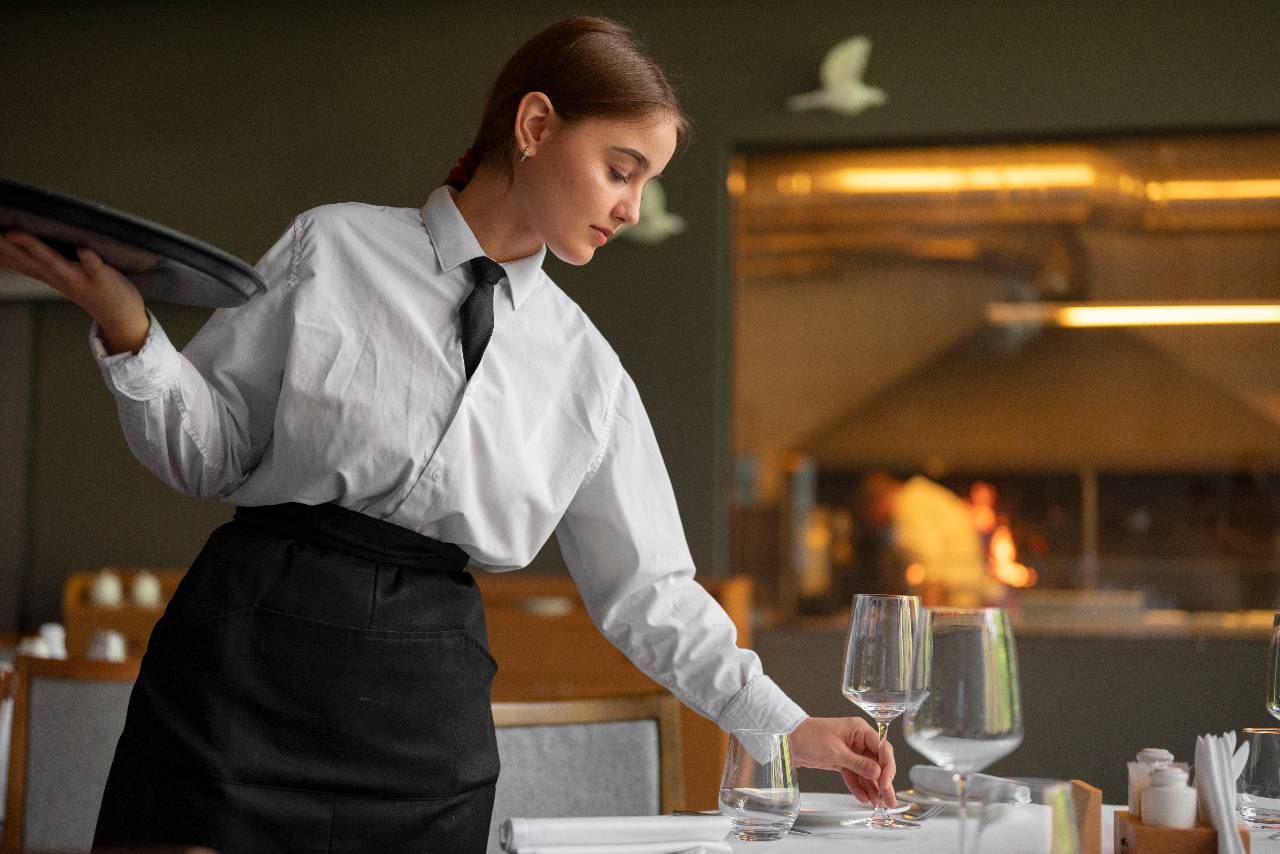
A clear dress code is one of the easiest ways to keep your restaurant organized, safe, and professional. When you don't have written rules, everyone brings their own idea of "appropriate." One server wears sneakers with no grip, another shows up in a stained T-shirt, and a cook forgets a hair tie. Guests notice. Managers end up arguing about what's okay and what isn't. Over time, this causes confusion, tension, and uneven standards across your team.
A written dress code removes that guesswork. Your staff knows exactly what to wear, how to look, and what's not allowed. New employees can get up to speed quickly. Managers can point to a clear policy instead of relying on personal opinion.
This guide shows you how to build a dress code policy step by step. You'll define why you need it, connect it to your brand, set different rules for front-of-house and back-of-house, and include grooming and hygiene standards.
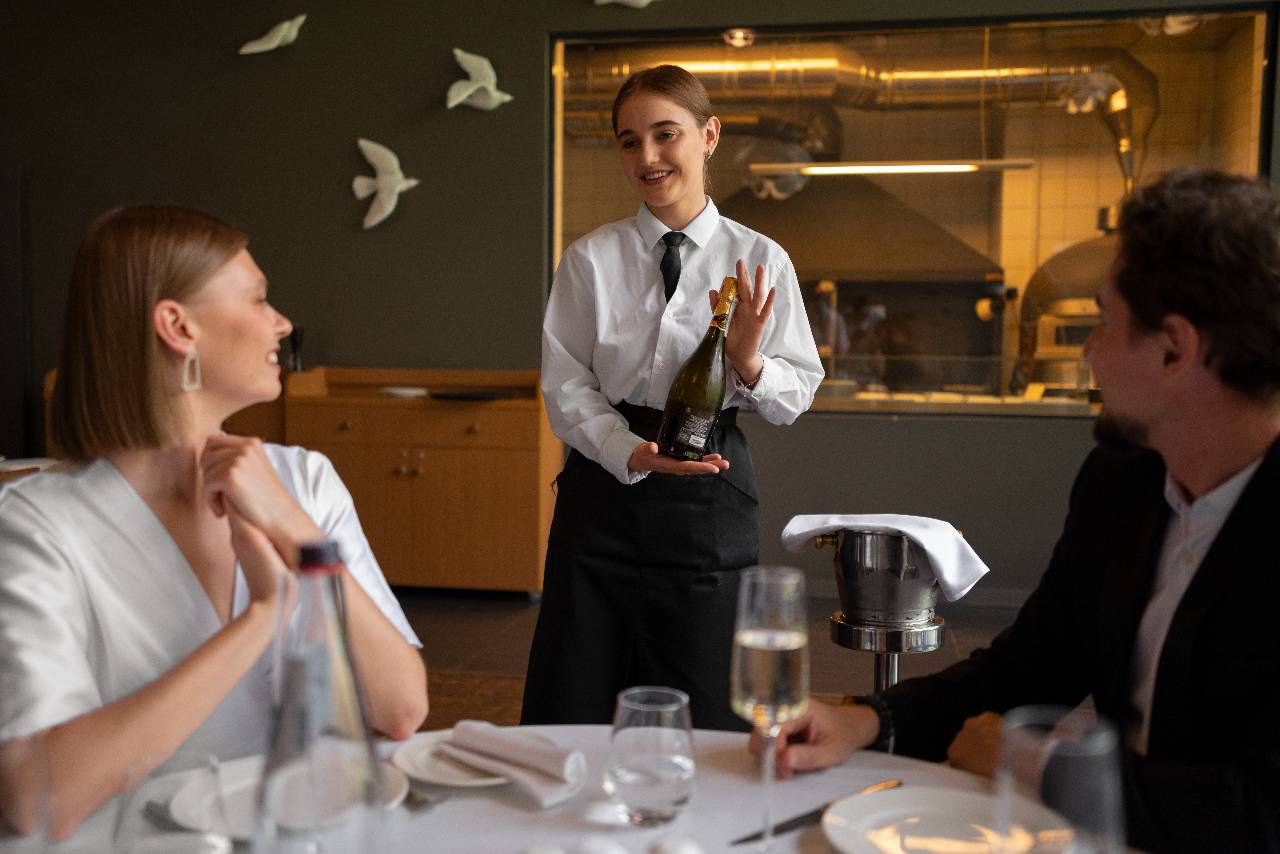
Before you start listing what shoes or shirts people can wear, you need to be clear on why your dress code exists and who it applies to. This keeps your policy focused and easier to explain to your team.
Start by writing down the main goals of your dress code in simple language. For most restaurants, these fall into a few buckets -
- Protect food safety and cleanliness
- Keep staff safe from slips, burns, and other injuries
- Present a consistent, professional look to guests
- Reflect your brand (casual, family, upscale, fast-casual, etc.)
You don't need a long paragraph. Two or three sentences that any employee can understand is enough. For example - "Our dress code is in place to keep our team safe, protect food quality, and give guests a consistent experience every time they visit."
Next, define the scope. List the roles the dress code covers, such as -
- Servers, bussers, and hosts
- Bartenders
- Kitchen staff and dishwashers
- Delivery drivers or takeout staff
- Shift leaders and managers
Some rules will apply to everyone (like closed-toe shoes or basic hygiene). Other rules will be role-specific (like chef coats in the kitchen or darker clothing for servers).
Also decide where this policy will live. Most owners add it to the employee handbook, post a simple version in the break area, and include it in new hire training. When the purpose and scope are clear from the start, it becomes much easier to build detailed rules in the next steps and to enforce them fairly later on.
Once you know the purpose of your dress code, the next step is to match it to your restaurant's brand. What your team wears should make sense with the type of place you run and the experience you want guests to have.
Start by asking a few simple questions -
- Are we casual, fast-casual, family dining, or more upscale?
- Do guests stay for a while or are we focused on speed?
- What colors and style do we already use in our logo, menus, and decor?
If you run a casual burger or pizza spot, jeans and simple branded T-shirts might fit well. If you run a higher-end dining room, you may want button-down shirts, darker colors, and more polished shoes. The goal is for guests to look at your staff and instantly understand the "feel" of the restaurant.
Pick a basic color palette for clothing - for example, black pants and a black or branded shirt, or khaki pants with a specific shirt color. Simple colors are easier to match and replace. Avoid rules that are too complicated, like very specific shades or patterns that are hard to find.
Think about visibility and function too. Can guests easily tell who is staff and who is not? Name tags, aprons, or a consistent shirt color help with that. In the kitchen, focus more on safety and cleanliness but still keep some link to your brand, like a logo hat or consistent apron color.
Write these choices down as simple visual rules so your dress code feels connected to your concept, not random or unfair.
Now it's time to get specific about what each role should wear. Clear, role-based rules stop confusion and help staff know exactly what's expected.
Start with the areas guests see most -
Front-of-House (servers, bussers, hosts)
Write simple rules for tops, bottoms, and outerwear. For example
1. Tops - solid black or branded T-shirt/polo, clean and wrinkle-free
2. Bottoms - black pants (no leggings, shorts, or ripped jeans)
3. Outerwear - neutral sweaters or jackets, no large logos
4. Name tags- required and worn in the same spot for everyone
Explain what is not allowed in plain terms. Instead of saying "unprofessional," say "no sweatpants, athletic shorts, or graphic T-shirts."
Bartenders
They often follow FOH rules with a few tweaks, like darker clothing to hide spills or specific aprons with pockets. If you allow different styles here, make sure the limits are clear.
Back-of-House (cooks, prep, dishwashers)
Focus on safety and hygiene -
1. Tops - chef coat or solid T-shirt, short or fitted sleeves
2. Bottoms - sturdy pants that cover the leg
3. Aprons - required for food prep and cooking
4. Hats/hair restraints - required for anyone near food
Delivery or Takeout Staff
These employees represent your brand outside the building. Give them clear rules on shirts, jackets, and any branded gear they must wear when delivering.
Also decide who pays for what. Will the restaurant provide shirts, aprons, or hats? Will employees buy their own pants and shoes? Include how often items should be replaced if they wear out or get stained.
Put all of this into a simple list by role. The more specific you are, the fewer arguments you'll have later about "what counts" as acceptable clothing.

Clothing is only part of your dress code. Grooming, hygiene, and accessories have a big impact on food safety, guest comfort, and how your team works together. Clear rules here prevent awkward conversations and help keep standards consistent.
Start with basic hygiene. Make it clear that employees must come to work clean, with fresh uniforms and good personal hygiene. Mention regular handwashing, especially after using the restroom, handling trash, or touching phones. You don't need to be harsh, just direct and specific.
Hair is next. Any employee working near food or drinks should keep hair tied back or covered. Long hair should be in a bun, ponytail, or under a hat. Facial hair should be trimmed and, if required by local rules, covered with a beard net in food prep areas.
Nails and jewelry are important for safety and cleanliness. Many restaurants require short, clean nails with no acrylics or chipped polish, especially in the kitchen. For jewelry, keep it simple- wedding bands and small stud earrings are usually fine, while big rings, bracelets, or dangling earrings should not be worn during shifts.
Perfume and cologne can bother guests and coworkers, especially in smaller spaces. Ask staff to avoid strong scents. This also helps guests with allergies or sensitivity to smells.
Tattoos, piercings, and makeup need careful handling. Decide what is allowed in a way that is fair and non-discriminatory. For example, you might allow visible tattoos as long as they are not offensive, and piercings as long as they are small and safe. Put this in clear, neutral language so everyone understands the same rules and managers can enforce them evenly.
Shoes and protective gear might not seem as important as shirts and aprons, but they have a huge impact on safety and how long your team can work without pain or injury. This part of your dress code should be very clear.
Start with footwear. In almost every restaurant, closed-toe, non-slip shoes should be mandatory for all roles. Floors can be wet, greasy, or crowded. One fall can lead to serious injury and time off work. Write this in simple terms, such as - "All employees must wear closed-toe, non-slip shoes. No sandals, open heels, or shoes with smooth soles."
If possible, give examples of acceptable shoes and brands or types. You don't need to endorse a specific company, but you can describe what to look for- sturdy, non-slip sole, covered toes, and easy to clean. Many owners also decide whether shoes must be a certain color, like black, to keep a consistent look.
Next, list any protective gear required for certain tasks -
- Aprons for cooks and dishwashers
- Oven mitts or heat-resistant gloves for handling hot items
- Cut-resistant gloves for prep work with sharp knives
- Gloves where food safety rules require them
- Masks or goggles if your operation has specific safety needs
Explain when and where this gear must be worn. For example, "Cut-resistant gloves must be worn when slicing large volumes of vegetables" or "Aprons must be worn any time you are cooking or prepping food."
Finally, think about comfort. If your team stands for long shifts, good shoes and proper gear are not a luxury - they reduce fatigue and mistakes. You may choose to help with costs by offering a small stipend, group discount, or in-house ordering for approved items. This shows you take safety seriously and makes it easier for employees to follow the rules.
Once you know your rules, you need to write them down in a way your team can easily understand and follow. A dress code only works if it is clear, visible, and used the same way for everyone.
Start with simple, direct language. Avoid vague words like "professional" or "neat" without explaining what they mean. Instead of saying "Dress professionally," say "Wear black pants and a solid black or branded shirt, clean and without holes or stains." Break the policy into short sections- clothing, shoes, grooming, hygiene, accessories, and safety gear. Use bullet points so staff can quickly scan and find what applies to them.
Next, decide where this policy lives. At minimum, it should be -
- In your employee handbook
- Included in new hire paperwork and orientation
- Posted in a simple summary in the break room or back-of-house area
During training, walk new employees through the dress code, not just as a document to sign, but as a real part of the job. Show pictures or examples of what is acceptable and what is not. This reduces "I didn't know" later.
Finally, use an employee acknowledgement form. This is a short statement that says the employee has received, read, and understood the dress code and agrees to follow it. They sign it, and you keep it in their file. This protects you if issues come up later and helps managers enforce the policy fairly. When everyone knows the rules and has signed off, it is much easier to keep standards consistent across your team.
Even the best dress code will fail if it's rolled out in a rushed or unfair way. How you introduce and enforce the policy matters just as much as what it says.
Start with a clear announcement to your team. Explain why you are using a dress code- safety, cleanliness, and a consistent guest experience. Keep it honest and short. Share the written policy, walk through the main points, and answer questions. If you are changing an old dress code, give a realistic transition period (for example, two to four weeks) so people have time to buy what they need.
It helps to give staff practical support. You can -
- Provide or sell branded shirts and aprons at cost
- Share links or examples of acceptable shoes and clothing
- Offer a small stipend or discount for required items, if your budget allows
Next, train managers on how to enforce the dress code. They should -
- Check appearance at the start of each shift
- Address issues in private, not in front of guests or other staff
- Use the same standards for everyone, every time
Avoid letting personal preference guide decisions. Managers should lean on the written policy and the signed acknowledgement form, not their own taste.
Plan to review your dress code at least once a year. Check if it still fits your brand, follows health and safety rules, and works for your staff. Take feedback seriously - if a rule is causing constant problems or is hard to follow, fix it. Small updates over time keep your policy useful and help your team see it as a living tool, not just another rule on paper.