
Pei Wei Wins Best Fast-Casual Chain Award
Pei Wei Asian Kitchen named Best Fast-Casual Chain in Reviewed 2026 Awards, reflecting shift from price competition to quality and transparency.
News
Sep 11, 2026
Pei Wei Asian Kitchen named Best Fast-Casual Chain in Reviewed 2026 Awards, reflecting shift from price competition to quality and transparency.
Sep 11, 2026

O'Charley's shuttered all corporate restaurants nationwide on September 9, 2026, ending its 55-year legacy as a casual-dining regional powerhouse.
Sep 11, 2026
Authentic Restaurant Brands lands $325M investment from Trimontium to fuel disciplined regional expansion across five established restaurant concepts.
Sep 11, 2026

Walmart expands restaurant delivery beyond Subway and Dunkin', taking on DoorDash, Uber Eats, and Grubhub with Papa Johns nationwide rollout.
Sep 11, 2026

Complete NFL season restaurant checklist covering licensing, AV setup, menu prep, inventory, staffing, and marketing before kickoff arrives.
Sep 11, 2026

California shifts to public enforcement strategy against Dickey's for deceptive franchise disclosures, signaling stricter state-level franchise oversight.
Sep 10, 2026
Paul Brown temporarily steps away from Inspire Brands as Scott Murphy assumes interim CEO role during confidential IPO filing process targeting late 2026.
Sep 10, 2026
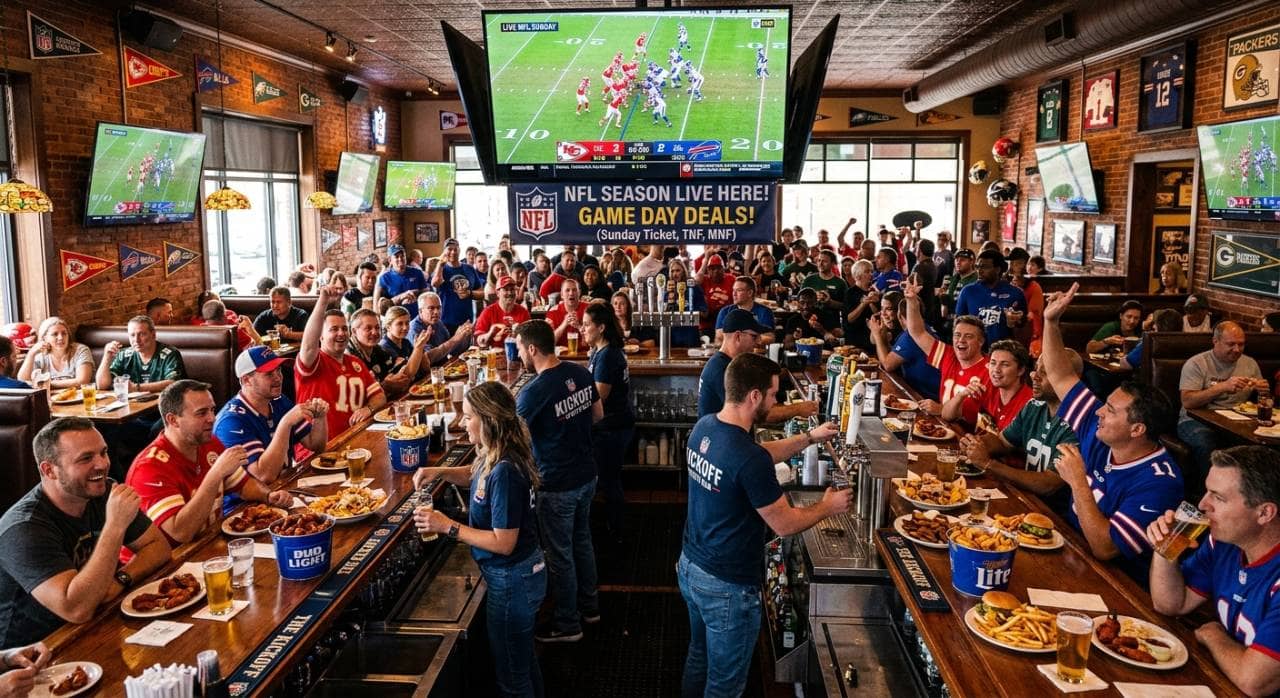
Prepare your restaurant for NFL season with smart menu planning, staffing, marketing, technology, and atmosphere strategies that boost season-long revenue.
Sep 9, 2026
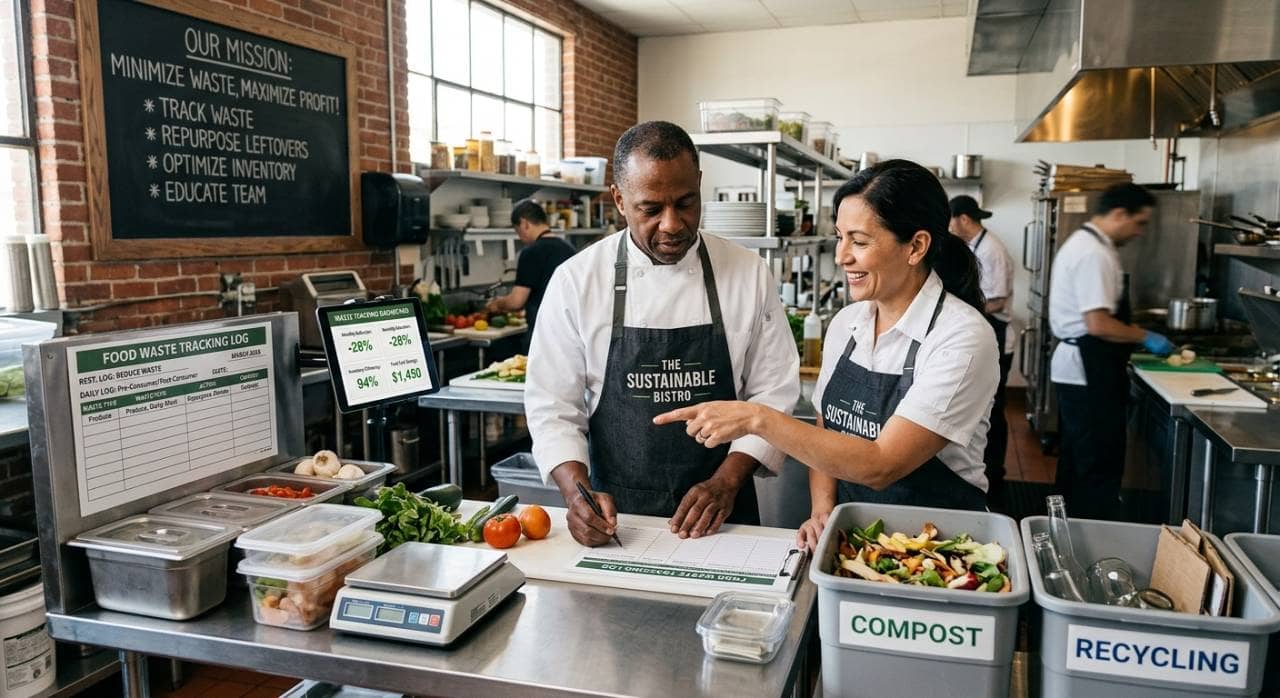
Learn how to reduce food waste in restaurants through smarter purchasing, storage, preparation, and service strategies that cut costs.
Sep 9, 2026
Swig signs franchise agreement for 11 South Denver locations, marking Colorado entry and validating its national expansion strategy.
Sep 8, 2026

Unlock Exclusive Access To Webinars, Events, And The Latest News For Free!
Explore high-traffic Texas markets where restaurants can succeed by matching concepts, customer behavior, visibility, and daily demand.
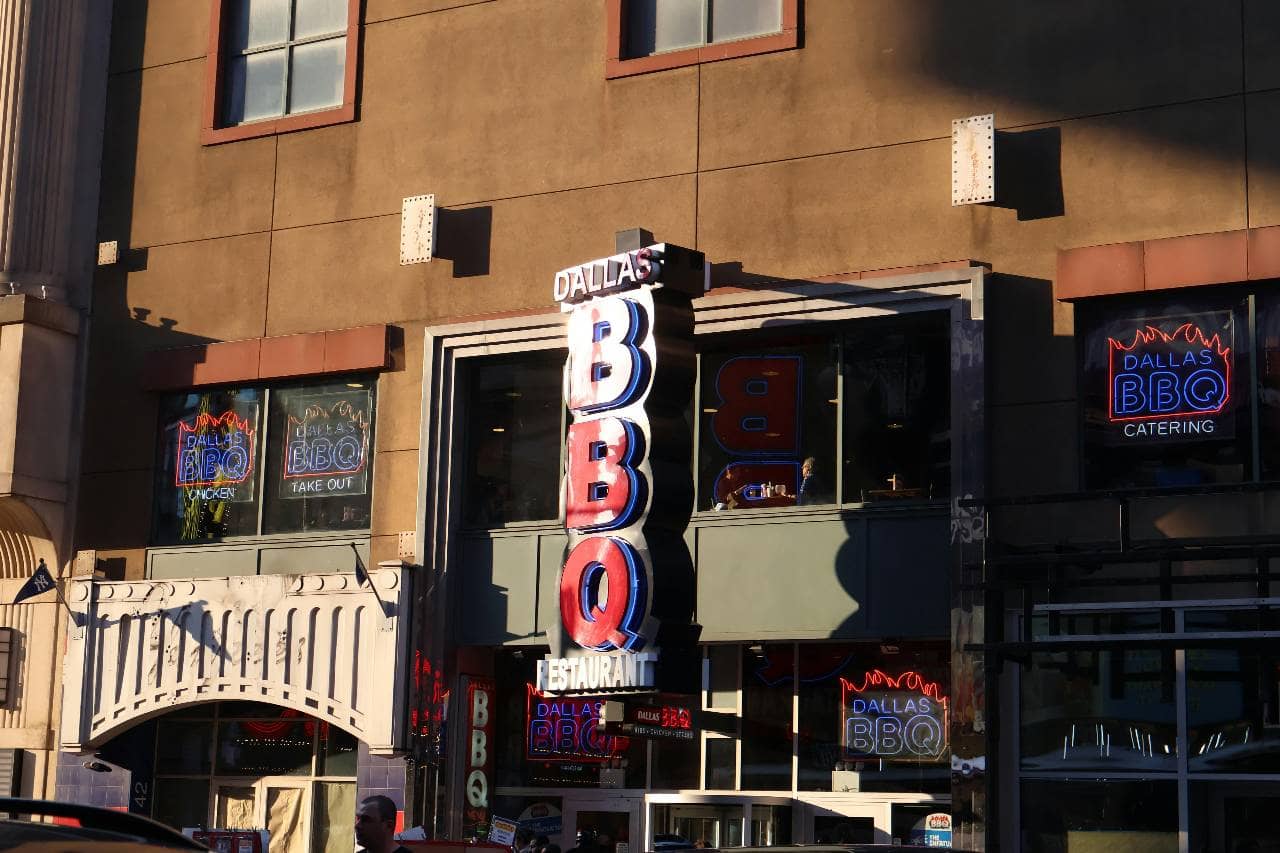
Many restaurant owners assume that opening in a large Texas city automatically means strong sales, but population size alone does not guarantee success. What matters more is customer movement. A location should have steady traffic, strong visibility, easy access, and enough daily activity to create buying opportunities across multiple day-parts. A restaurant in a high-population area may still struggle if customers cannot easily see it, park nearby, or enter the property. Meanwhile, a smaller trade area with strong commuter traffic, walkability, retail anchors, or nightlife may generate more consistent restaurant demand. Owners should evaluate two major types of traffic - vehicle traffic and pedestrian traffic. Vehicle traffic includes major roads, intersections, highway-adjacent centers, commuter routes, parking access, and drive-thru visibility. Pedestrian traffic includes walkable districts, mixed-use developments, tourist areas, universities, and dense retail corridors. Traffic quality is just as important as traffic volume. For example, quick-service restaurants often benefit from commuter corridors, while casual dining may perform better near suburban shopping centers. Bars depend on nightlife traffic, and coffee shops often succeed near offices, schools, and residential routes. The best restaurant locations are built around customer flow, not population counts. Strong traffic improves visibility, repeat visits, and long-term sales potential.
Choosing a restaurant location in Texas should never be based on traffic volume alone. A busy road, popular shopping center, or growing suburb may look attractive, but owners need to understand whether that traffic can actually convert into consistent sales. The goal is not just to find a crowded area - it is to find a trade area where the right customers can easily see, access, and afford your restaurant. Restaurant owners should evaluate several key factors before signing a lease - 1. Vehicle and Pedestrian Traffic - Daily traffic counts near the site - Walkability and foot traffic patterns - Visibility from major roads or intersections - Ease of entry and exit for drivers 2. Customer Demographics - Household income levels - Age groups and family size - Nearby workers, residents, students, or tourists - Dining habits and spending behavior 3. Nearby Demand Drivers - Office buildings - Retail centers - Hospitals and medical campuses - Universities - Hotels - Entertainment venues - Residential neighborhoods These anchors matter because they create built-in customer flow. A restaurant near a hospital may see steady breakfast, lunch, and late-shift demand. A location near a shopping center may benefit from weekend and dinner traffic. A site near offices may perform well during weekday lunch but slow down at night. Owners should also study competition carefully. A competitive area is not always bad - it can signal strong dining demand. However, too many similar concepts can make it harder to stand out. The key question is whether the market has unmet demand. For example, an area filled with full-service restaurants may still have room for a strong quick-service, coffee, or healthy fast-casual concept. Accessibility is another major factor. High traffic is less valuable if customers cannot park, turn into the property, or quickly find the entrance. In Texas, where many markets are car-dependent, parking, drive-thru access, and road visibility can directly affect sales. Lease cost should also be compared against realistic revenue potential. A premium location may generate more traffic, but higher rent can reduce profitability if sales do not support the expense. Before choosing a Texas restaurant location, owners should evaluate traffic, access, demographics, competition, and operating costs together. The best sites are not just busy - they match the restaurant's concept, price point, service model, and long-term growth goals.

Dallas-Fort Worth is one of the strongest restaurant markets in Texas because it combines population growth, corporate activity, suburban expansion, tourism, and major entertainment traffic. For restaurant owners, the key is choosing the right trade area based on concept, customer behavior, and operating model. Several Dallas-Fort Worth areas stand out for restaurant potential - 1. Uptown Dallas and Downtown Dallas - Strong office traffic - High residential density - Walkable nightlife and dining activity - Demand for lunch, happy hour, dinner, and late-night concepts Uptown and Downtown can be attractive for restaurants that rely on visibility, pedestrian movement, and professional customers. However, owners should also account for higher rent, parking limitations, and competition. 2. Frisco and Plano Growth Corridors - Strong household income - Family-driven dining demand - Corporate campuses and mixed-use developments - Heavy suburban traffic Frisco and Plano are especially appealing for fast-casual, casual dining, coffee, dessert, and family-friendly restaurant concepts. These areas benefit from both residential growth and business traffic, which can support multiple dayparts. 3. Arlington Entertainment District - Stadium and event traffic - Tourism and hotel demand - Weekend and evening sales potential - High-volume opportunities around major events Arlington can be a strong fit for restaurants that can handle traffic spikes. Owners should plan staffing, inventory, and prep around event calendars because sales may vary significantly between normal days and major event days. 4. Deep Ellum and Lower Greenville - Strong nightlife traffic - Walkable restaurant and bar scene - Younger customer base - Late-night and weekend demand These areas may work well for bars, quick-service food, casual dining, and unique concepts with strong branding. The opportunity is strong, but competition is intense, so differentiation matters. 5. Legacy West and Mixed-Use Developments - Retail, office, and residential traffic - Higher-income customer base - Strong dinner and weekend activity - Premium dining potential Mixed-use areas can support restaurants because customers live, work, shop, and socialize in the same district. Overall, Dallas-Fort Worth offers strong opportunities across urban, suburban, and entertainment-driven markets. Restaurant owners should focus on traffic consistency, lease costs, parking, competition, and whether the area supports their concept's strongest dayparts.
Houston is one of the most diverse and opportunity-rich restaurant markets in Texas. The city's size, business activity, medical employment, tourism, and suburban growth create several high-traffic areas where restaurant owners can build steady demand. However, Houston is also spread out, so choosing the right corridor, district, or neighborhood is critical. Several Houston areas stand out for restaurant potential - 1. The Galleria and Uptown Houston - Heavy retail traffic - Office and hotel demand - Strong lunch, dinner, and weekend activity - Higher-income customer base The Galleria area can support full-service restaurants, fast-casual concepts, coffee shops, dessert shops, and premium dining. Owners should prepare for strong competition, higher rent, and the need for clear brand positioning. 2. Downtown Houston and Midtown - Office worker traffic - Event and nightlife demand - Hotel and convention activity - Strong lunch and happy-hour potential Downtown may perform well for restaurants that rely on weekday lunch, catering, and business traffic. Midtown can support evening, weekend, and late-night demand because of its residential and nightlife activity. 3. Texas Medical Center - Healthcare employee traffic - Patient and visitor demand - Extended-hour opportunities - Consistent weekday volume The Medical Center can be attractive for quick-service, coffee, healthy fast-casual, grab-and-go, and delivery-friendly concepts. Because hospitals operate beyond standard office hours, owners may find opportunities outside normal lunch and dinner windows. 4. The Heights and Montrose - Walkable dining activity - Strong local customer base - High visibility for independent concepts - Weekend brunch and dinner demand These neighborhoods are especially strong for restaurants with unique menus, strong branding, and community appeal. The challenge is standing out in a crowded dining environment. 5. Katy and West Houston - Suburban population growth - Family dining demand - Shopping center traffic - Strong evening and weekend volume Katy and West Houston can work well for casual dining, fast-casual, pizza, coffee, breakfast, and family-friendly concepts. For restaurant owners, Houston offers scale, diversity, and strong demand, but success depends on matching the concept to the area. Owners should evaluate traffic flow, parking, customer income, competition, delivery demand, and day-part strength before choosing a location.
Austin and San Antonio offer strong restaurant opportunities, but each market has different traffic patterns. Austin is driven by technology jobs, universities, entertainment, tourism, and fast-growing residential areas. San Antonio is shaped by tourism, military presence, family neighborhoods, medical employment, and suburban expansion. Several Austin and San Antonio areas stand out for restaurant potential - 1. Downtown Austin - Office and entertainment traffic - Tourism and hotel demand - Strong lunch, dinner, and late-night activity - Event-driven sales from festivals, concerts, and nightlife Downtown Austin can support fast-casual concepts, bars, coffee shops, full-service restaurants, and late-night food. Owners should prepare for high rent, parking challenges, and strong competition. 2. South Congress and East Austin - Walkable dining activity - Strong local and visitor traffic - Younger customer base - High visibility for unique restaurant concepts These areas are attractive for restaurants with strong branding, creative menus, and social media appeal. Brunch, coffee, casual dining, dessert, and bar-focused concepts can perform well when the concept fits the neighborhood. 3. The Domain - Mixed-use retail traffic - Office worker demand - Residential density - Strong dinner and weekend activity The Domain is one of Austin's strongest mixed-use restaurant areas because customers live, work, shop, and socialize nearby. It can support premium fast-casual, full-service dining, coffee, and happy-hour concepts. 4. Downtown San Antonio and the River Walk - Tourism traffic - Hotel and convention demand - Strong dinner and weekend volume - High visibility for visitor-focused restaurants These areas can be powerful for restaurants that can handle seasonal and event-based demand. Owners should plan carefully around labor, inventory, and service speed during peak tourism periods. 5. Stone Oak and North San Antonio - Family-driven suburban traffic - Higher household income - Shopping center demand - Strong evening and weekend sales Stone Oak and North San Antonio can be a good fit for casual dining, quick-service, coffee, breakfast, pizza, and family-friendly concepts. Overall, Austin and San Antonio both offer strong high-traffic restaurant markets. Owners should match the concept to the customer base, daypart demand, accessibility, parking, lease cost, and competition level before committing to a location.

Emerging Texas suburbs are becoming some of the most important restaurant growth markets in the state. As more residents move outside major city centers, dining demand is following them. For restaurant owners, this creates opportunities in areas where household growth, retail development, schools, offices, and new housing are increasing daily customer traffic. Several suburban factors matter when evaluating restaurant potential - 1. Population Growth - New residential communities - Growing family households - Expanding school districts - Increased demand for convenient dining Fast-growing suburbs can support restaurants because residents often want nearby options for breakfast, lunch, dinner, takeout, and delivery. However, owners should make sure growth is already activenot just projected. 2. Retail and Mixed-Use Development - New shopping centers - Grocery-anchored plazas - Entertainment districts - Walkable mixed-use communities Retail anchors help drive repeat traffic. A restaurant near a grocery store, fitness center, movie theater, or large retail hub may benefit from customers who are already visiting the area for other needs. 3. Family Dining Demand - Casual dining - Pizza and takeout - Coffee and breakfast - Fast-casual meals - Dessert and snack concepts Suburban customers often look for convenience, value, parking, and reliability. Restaurants that serve families, commuters, and busy households can perform well when the location is easy to access. 4. Strong Texas Suburbs to Watch - Frisco - McKinney - Prosper - Celina - Katy - Cypress - Sugar Land - Round Rock - Georgetown - New Braunfels - Boerne - Leander These areas are benefiting from residential expansion, road development, retail growth, and increased household spending. They can be especially attractive for restaurant owners who want growth potential outside the most expensive urban cores. The biggest risk is entering too early. A suburb may look promising, but if rooftops, retail traffic, and daily customer movement are not mature yet, sales may take longer to build. Owners should study current traffic counts, nearby occupancy, lease terms, and future development timelines before committing.
Choosing the right Texas location depends on more than finding a busy area. The restaurant concept must match how customers live, work, travel, and spend money in that trade area. A strong concept in the wrong location can struggle, while a simple concept in the right traffic pattern can perform well. Restaurant owners should think about the connection between concept and customer behavior - 1. Quick-Service Restaurants - Best near commuter roads - Strong fit for drive-thru locations - Works well near schools, offices, and retail centers - Depends on speed, access, and visibility Quick-service concepts need convenience. In Texas markets where customers often drive, easy parking, clear signage, and fast entry and exit can directly impact sales. 2. Fast-Casual Restaurants - Best near offices, universities, apartments, and shopping centers - Strong lunch and dinner potential - Works well with online ordering and delivery - Depends on value, speed, and menu flexibility Fast-casual concepts often perform well in mixed-use areas because they serve multiple customer groups throughout the day. 3. Full-Service Restaurants - Best near suburban retail centers, entertainment districts, and higher-income neighborhoods - Strong fit for dinner, weekends, and family occasions - Depends on service quality, parking, and repeat local demand Full-service restaurants need enough customer volume to support labor, kitchen capacity, and table turnover. 4. Coffee Shops and Breakfast Concepts - Best near offices, universities, commuter routes, and residential neighborhoods - Strong morning and midday traffic - Works well with loyalty programs and repeat visits - Depends on convenience and routine-based customers 5. Bars and Late-Night Concepts - Best near nightlife districts, sports venues, and entertainment corridors - Strong evening and weekend demand - Depends on foot traffic, safety, visibility, and local regulations Owners should also consider pricing. A premium concept may work well in Uptown Dallas, The Domain, or The Galleria, but struggle in a price-sensitive trade area. A value-driven concept may perform better in suburban family markets. The best Texas restaurant locations are not just high-traffic areas. They are areas where customer behavior, income levels, day-part demand, access, and competition align with the restaurant's service model and menu.
