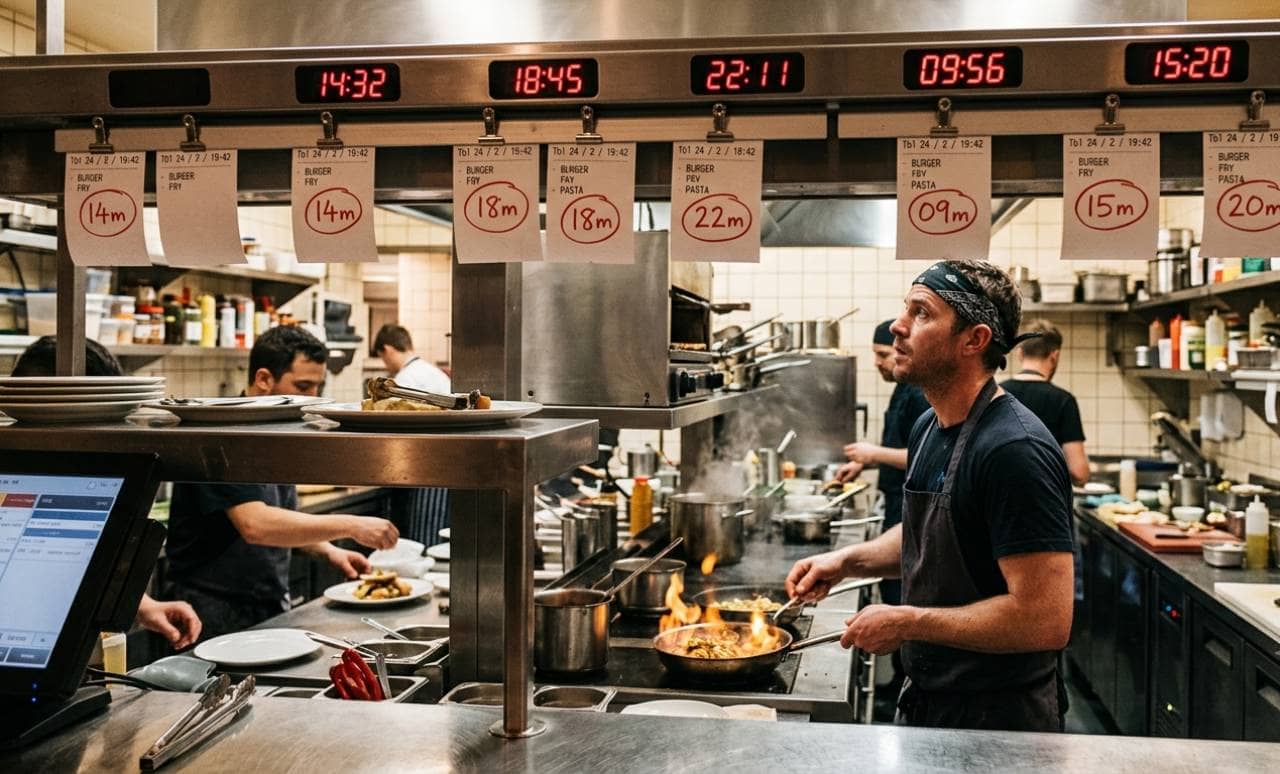
How to Reduce Restaurant Kitchen Ticket Times
Improve kitchen ticket times with practical strategies for better preparation, smoother workflows, stronger communication, smarter staffing, and effective restaurant technology.
back office
Jul 27, 2026
Improve kitchen ticket times with practical strategies for better preparation, smoother workflows, stronger communication, smarter staffing, and effective restaurant technology.
Jul 27, 2026
Noodles & Company achieves historic sales growth and operational turnaround in 2026, sharing critical lessons for restaurant owners on boosting traffic, innovation, and team culture.
Jul 27, 2026

Learn how restaurant owners can manage payroll accurately, track labor costs, reduce errors, maintain compliance, and improve workforce profitability efficiently.
Jul 27, 2026
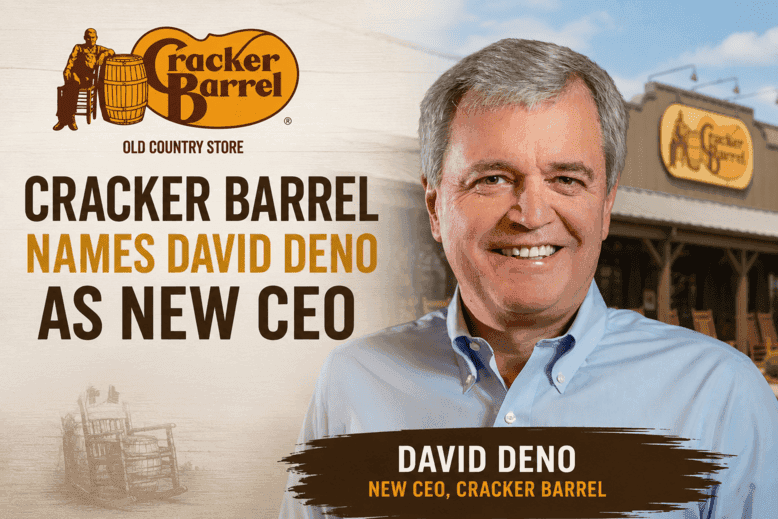
Veteran restaurant executive David Deno assumes the helm at Cracker Barrel, signaling a pivotal moment for the brand’s revitalization. Learn what this means for operators, staff, and industry leaders.
Jul 27, 2026
Discover how restaurant apps help owners manage labor, payroll, inventory, food safety, reporting, and back-office operations more efficiently every day.
Jul 24, 2026

Fogo de Chão has announced Daniel Duran as its new CFO, marking a strategic leadership transition designed to enhance global growth and financial innovation for the renowned restaurant brand.
Jul 24, 2026

Learn how to calculate, benchmark, track, and improve restaurant payroll percentage while balancing staffing costs, sales, service, and profitability effectively.
Jul 24, 2026
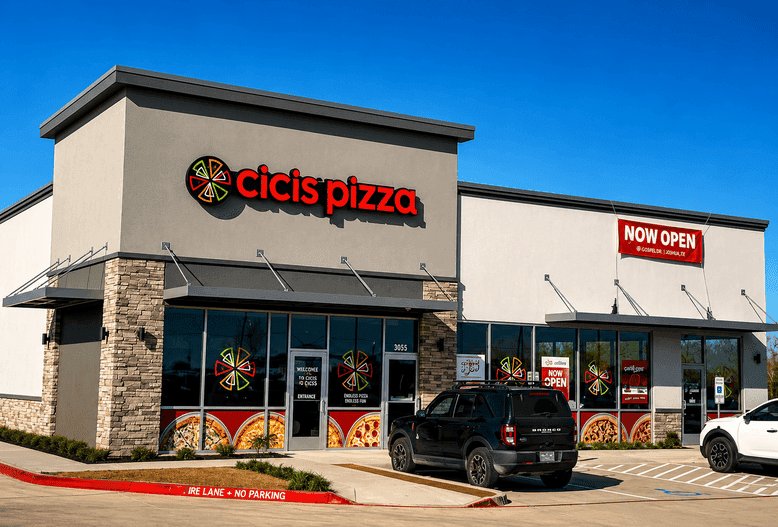
Cicis Pizza’s systemwide sales have surged over 50%, fueled by digital innovation, modern operations, and a revamped franchise strategy. Learn what restaurant owners can take away from Cicis’ transformation.
Jul 24, 2026
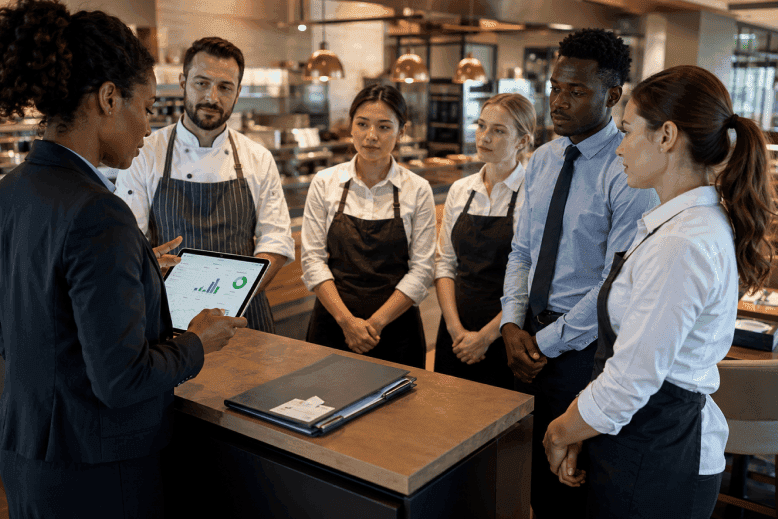
Stay compliant with key restaurant labor regulations in Summer 2026, including minimum wage increases, scheduling laws, and retirement requirements.
Jul 24, 2026
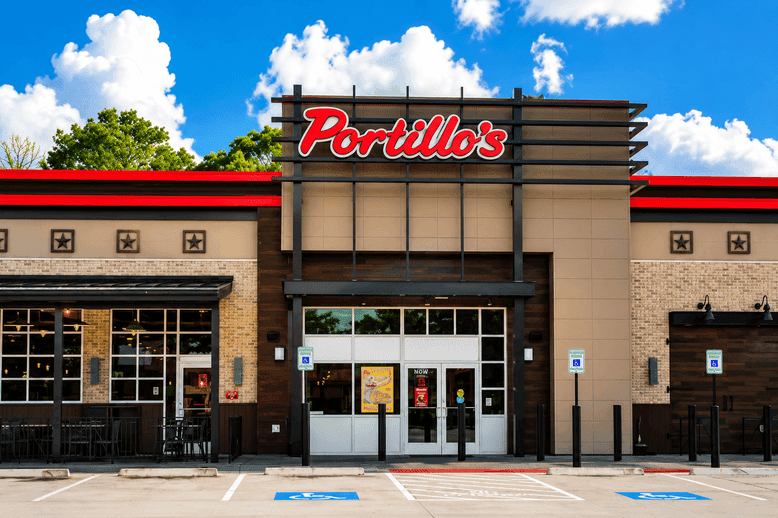
Portillo’s welcomes industry veteran Christopher Hansen as Executive Chef and Senior Director of Culinary Innovation to steer menu strategy and fuel national growth.
Jul 23, 2026
Explore marketing strategies for food businesses using reviews, professional photos, SEO, social media, partnerships, events, and catering.
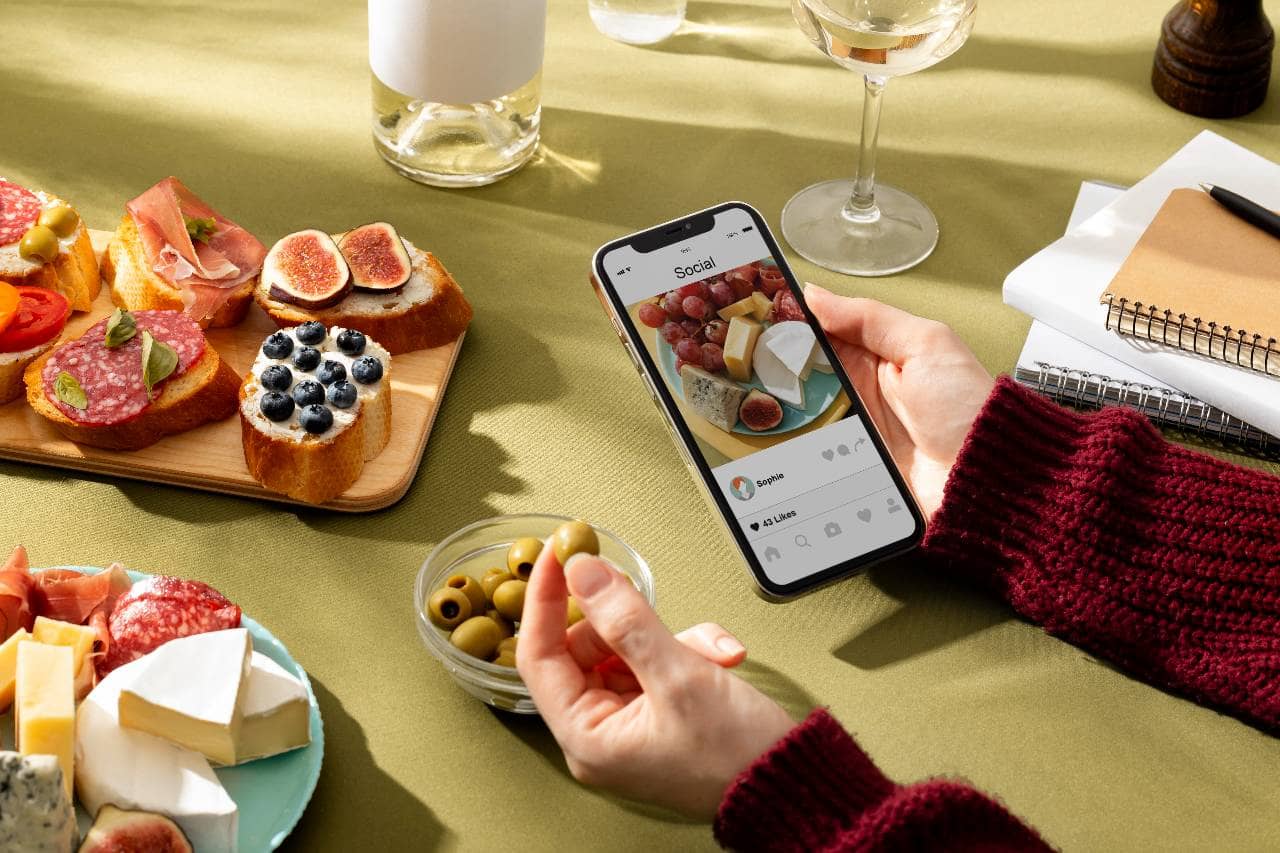
Food and beverage businesses often struggle because their marketing is inconsistent, reactive, or too expensive. Many operators either spend money on agencies without clear results or chase every new trend hoping it will bring in customers. While trends can create short-term attention, they rarely build steady traffic or long-term loyalty. Timeless marketing focuses on the basics that always matter- visibility, trust, consistency, and customer experience. These are the factors that help customers find your business, feel confident choosing it, and return after their first visit. Strong reviews, clear online information, professional visuals, and regular customer engagement create a foundation that keeps working over time. For restaurant owners, the question should not be, "What is popular right now?" It should be, "What makes customers choose us again and again?" A strong marketing foundation reduces hesitation before customers walk in. They can see your food, understand your brand, read your reviews, and know what to expect. When your marketing is built on trust and clarity, you create repeat visits, stronger word-of-mouth, and a business customers remember.
Before a customer ever sees your storefront, they are making a decision online. For many, that decision starts with reviews. Roughly 35% of people check platforms like Google or Yelp before choosing where to eat. That means your reputation is not being built inside your restaurant - it is being built publicly, and often without your direct input. Ignoring reviews is not neutral - it is a risk. Customers interpret silence as a lack of accountability. On the other hand, active review management signals professionalism, consistency, and care. This is one of the highest ROI marketing activities because it directly influences purchase decisions. 1. Respond to Every Review Positive reviews - Thank the customer, reinforce what they liked, and invite them back. Negative reviews - Acknowledge the issue, stay professional, and offer a path to resolution. This shows future customers that you are engaged and accountable. 2. Separate Trolls from Real Feedback Not every negative review is equal - Trolls - Keep responses short, calm, and non-defensive. Do not escalate. Legitimate complaints - Treat them as operational insights. If multiple customers mention the same issue (slow service, cold food, long wait times), that is a signal to fix something internally. 3. Encourage Honest Feedback to Build Volume - Most satisfied customers do not leave reviews unless prompted. - Train staff to ask at the right moment (after a positive interaction). - Offer small incentives like a dessert or appetizernot for positive reviews, but for honest feedback. - More reviews increase credibility and improve ranking on platforms. 4. Use Reviews as an Operational Tool Track recurring themes - - Service speed - Food quality consistency - Cleanliness - Staff friendliness Fixing these issues improves both operations and future reviews. 5. Understand the Compounding Effect A strong review profile does two things - - Increases conversion (more people choose your restaurant). - Improves visibility (platforms rank you higher). This creates a flywheel, better service - better reviews - more customers - more reviews. At a practical level, this is one of the easiest ways to outperform competitors. Many restaurants still ignore reviews or respond inconsistently. By simply being active, structured, and professional, you immediately stand out. Customers trust other customers more than they trust ads. Reviews are your most credible marketing channel - if you manage them correctly.
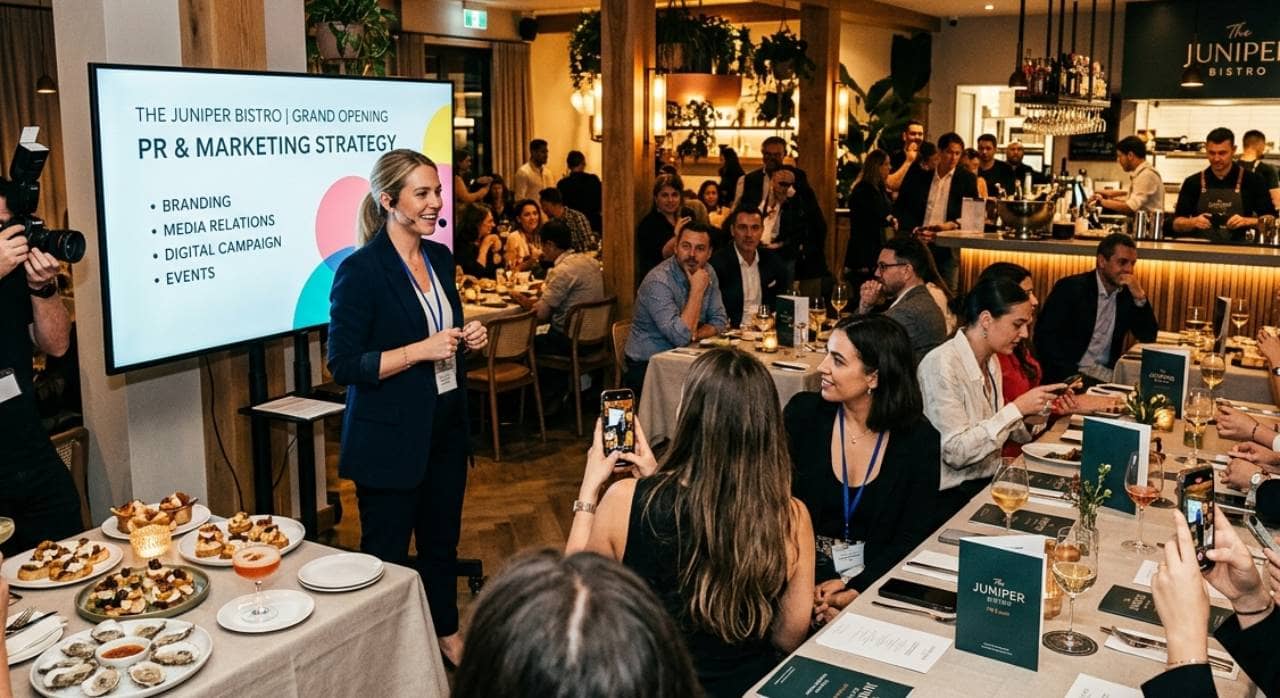
Public relations is one of the most overlooked marketing tools for food and beverage businesses. Many restaurant owners assume PR means hiring an expensive agency, but that is not always necessary. At its core, PR is about getting other people to talk about your brand in a way that builds trust. Unlike paid ads, PR carries third-party credibility. When a local magazine, food blog, news outlet, or community publication features your business, it feels more trustworthy than a self-promotional post. Customers see it as validation. This can help your restaurant stand out in a crowded market. The key is having something worth talking about. A standard menu item may not be enough. A unique experience, signature product, unusual ingredient, creative presentation, or community-focused story can create the "wow" factor that gets attention. For example, a dramatic dessert presentation, a limited-time menu item, or a strong local sourcing story can give media outlets a reason to feature you. Restaurant owners can start with a simple DIY PR process - 1. Identify Your Story - Focus on what makes your business different. This could be your founder story, menu concept, local partnerships, sustainability efforts, or a unique customer experience. 2. Write a Short Press Release - Keep it simple. Explain who you are, what is new, why it matters, and how people can visit or learn more. 3. Build a Local Media List - Include food writers, local newspapers, lifestyle publications, neighborhood blogs, influencers, and community newsletters. 4. Reach Out Directly - Send a short, personalized pitch. Avoid sounding generic. Explain why your story would interest their audience. PR should not be treated as a one-time campaign. It works best when your restaurant consistently creates moments worth sharing. That could be a new seasonal menu, a collaboration, an event, or a local charity tie-in. When customers see your brand mentioned by trusted sources, it reduces hesitation and increases interest. Strong PR gives people a reason to try you, talk about you, and remember you.
Food and beverage marketing is visual. Before customers read your menu, check your hours, or visit your location, they often see your food online first. That first impression matters. If the photos are dark, blurry, or poorly staged, customers may assume the experience will feel the same way. Professional photography helps your business look credible, polished, and worth visiting. While phone cameras are useful for quick social media updates, they should not be the foundation of your marketing. A $200-$500 investment in professional photos can give you high-quality assets for your website, Google profile, Yelp page, delivery apps, social media, menus, flyers, and ads. The goal is not just to show food. The goal is to sell the full experience. 1. Show Your Signature Items - Highlight the food and drinks customers are most likely to order. Focus on bestsellers, high-margin items, seasonal specials, and visually strong menu items. 2. Show the Atmosphere - Customers want to know what it feels like to visit. Include photos of the dining room, bar area, patio, counter, lighting, and overall environment. 3. Show Your Team - Staff photos can make the brand feel more human. Friendly service, clean uniforms, and action shots help customers picture the experience before they arrive. 4. Keep Photos Consistent - Use the same visual style across your website, review sites, social media, and online ordering platforms. Consistency builds recognition and trust. Strong visuals reduce uncertainty. Customers can see what they are getting, what the space feels like, and whether the brand matches the occasion they have in mind. That matters whether they are choosing a quick lunch, date night spot, catering vendor, or weekend destination. In a competitive market, better visuals can be the difference between being considered and being ignored. Professional photos are not just decoration - they are sales tools.
Your website is often the final step before a customer decides to visit, order, or move on to another option. If the site is slow, confusing, outdated, or hard to use on mobile, it creates friction at the exact moment the customer is ready to act. A strong website does not need to be complicated. It needs to be clear, fast, and useful. For food and beverage businesses, the most important information should be easy to find within seconds. 1. Make the Essentials Easy to Find Every restaurant website should clearly show - - Menu - Address and directions - Hours of operation - Contact information - Online ordering or reservation link, if available Customers should not have to click through multiple pages to find basic information. The harder it is to act, the more likely they are to leave. 2. Prioritize Mobile Compatibility Most customers are searching from their phones. They may be in the car, walking nearby, comparing options, or trying to place an order quickly. If your website does not load correctly on mobile, you are likely losing traffic and revenue. Mobile-friendly design should include - - Easy-to-read menus - Clickable phone numbers - Simple navigation - Fast loading speed - Visible ordering or reservation buttons 3. Use Local SEO to Capture Ready-to-Buy Customers SEO helps your business show up when customers search with intent. For example, someone searching "best tacos near me," "coffee shop in downtown Austin," or "catering near Irvine" is already looking for a place to spend money. Use local keywords throughout your website, such as - - City or neighborhood name - Cuisine type - Service type - Catering, delivery, takeout, or dine-in options - Signature menu items 4. Keep Information Updated Wrong hours, outdated menus, broken links, or old pricing can frustrate customers and damage trust. Review your website, Google Business Profile, Yelp page, and ordering platforms regularly to make sure the information matches. Your digital foundation should remove doubt. When customers can quickly find your menu, location, hours, and ordering options, they are more likely to choose you. Strong marketing does not just create attentionit makes the next step easy.

Social media should not be treated as random posting. For food and beverage businesses, it works best when it acts like a digital menu - showing customers what they can order, what the experience feels like, and why they should visit. When customers repeatedly see your food, your team, your process, and your atmosphere, your business becomes easier to remember when they are hungry or planning where to go. 1. Show What Customers Can Buy - Your social media should clearly feature - - Signature dishes - Seasonal items - Drinks and desserts - Catering options - Limited-time offers - Daily specials Customers should not have to guess what you sell. Make the food easy to understand and visually appealing. 2. Use Behind-the-Scenes Content - Behind-the-scenes content builds trust because it shows effort, quality, and care. Share prep work, ingredient sourcing, kitchen routines, team moments, and the process behind popular menu items. This makes the brand feel more personal and authentic. 3. Make Customers Part of the Process - Interactive tools like polls, stickers, questions, and voting features can help customers feel involved. For example, you can ask followers to vote on a new flavor, choose a special, or give feedback on menu ideas. 4. Repost Customer Content - Customer photos, videos, and reviews act as social proof. When people see real guests enjoying your food, it feels more credible than a direct advertisement. Reposting customer journeys also encourages more guests to tag your business. 5. Stay Consistent - A strong social media presence does not require posting all day. It requires consistency. A few quality posts each week, supported by regular Stories, can keep your business visible without overwhelming your team. Social media works when it supports real business goals - more visits, more orders, stronger loyalty, and better brand recognition. Treat it as a tool to build trust and appetite - not just a place to chase trends.
Word-of-mouth is one of the most powerful forms of marketing because it comes from real customer experience. When people recommend your restaurant to friends, coworkers, or family, that recommendation carries more trust than an ad. But word-of-mouth does not happen by accident. It grows when every part of the customer journey is easy, memorable, and worth sharing. Start by mapping every touchpoint a customer has with your business. This includes how they find you online, how easy it is to read your menu, what they see when they arrive, how quickly they are greeted, how smooth the ordering process is, and how they feel after the meal. Each step either builds confidence or creates friction. Common friction points include - 1. Confusing Hours - If your website, Google profile, and social pages show different hours, customers lose trust. 2. Poor Signage - If customers cannot easily find your entrance, parking, or pickup area, the experience starts with frustration. 3. Slow Service - Long waits without communication can turn a good meal into a bad memory. 4. Unclear Ordering Process - Customers should know where to order, where to wait, and how to pick up food. 5. Inconsistent Experience - If food quality or service changes from visit to visit, referrals become harder to earn. Events are another practical way to build community and fill slower periods. Rent, utilities, and baseline labor costs continue whether the dining room is full or empty. Hosting events during slower hours can help turn fixed costs into revenue opportunities. Restaurants can partner with local artists, florists, musicians, calligraphy instructors, fitness groups, or community organizations to create experiences that bring in new customers. These events do not need to be complicated. A weeknight tasting, floral workshop, trivia night, or local vendor pop-up can create traffic during hours that usually underperform. Community marketing works because it gives people a reason to visit beyond the food. It turns your restaurant into a place where people gather, connect, and share experiences. That is how word-of-mouth becomes repeatable.
Once your marketing foundation is strong, you can start scaling through partnerships, catering, and paid advertising. These strategies work best when your reviews, website, photos, social media, and customer experience are already in place. Without that foundation, growth efforts can bring attention but fail to convert it into revenue. 1. Build Strategic Collaborations A strong collaboration gives you access to another brand's audience. This works best when both businesses serve a similar customer profile but do not directly compete. Good collaboration partners may include - - Local gyms - Wedding planners - Breweries - Coffee shops - Boutiques - Offices - Event venues - Local creators For example, a bakery may partner with a coffee shop, or a healthy fast-casual restaurant may collaborate with a fitness studio. Each business gets visibility with customers who are already likely to care. 2. Create Catering and Vendor Revenue Streams Catering can help food and beverage businesses generate sales beyond normal walk-in traffic. Weddings, office lunches, corporate events, school functions, and private parties all create opportunities for higher-volume orders. To make catering work, build a simple system - - Create clear catering packages. - Set minimum order requirements. - Offer pickup, delivery, or full-service options. - Build relationships with event planners and local businesses. - Promote the "support local" angle when pitching. This gives customers and planners a reason to choose you over a generic vendor. 3. Use Paid Advertising Only After the Basics Are Strong Paid ads should be treated as an advanced strategy, not a shortcut. If your website is weak, photos are poor, reviews are inconsistent, or ordering is confusing, ads will only send traffic into a broken system. Once the foundation is ready, precision advertising can be powerful. Restaurants can target customers by - - Distance from the location - Cuisine interest - Travel behavior - Demographics - Past engagement - Local events or seasonal demand The key is tracking results. Do not measure ads only by clicks or impressions. Track orders, reservations, catering inquiries, redemptions, and repeat visits. Scaling is not about spending more money first. It is about making sure every dollar works harder. Partnerships, catering, and paid ads can all grow revenue, but only when they are connected to a clear, trustworthy, and easy-to-buy customer experience.
