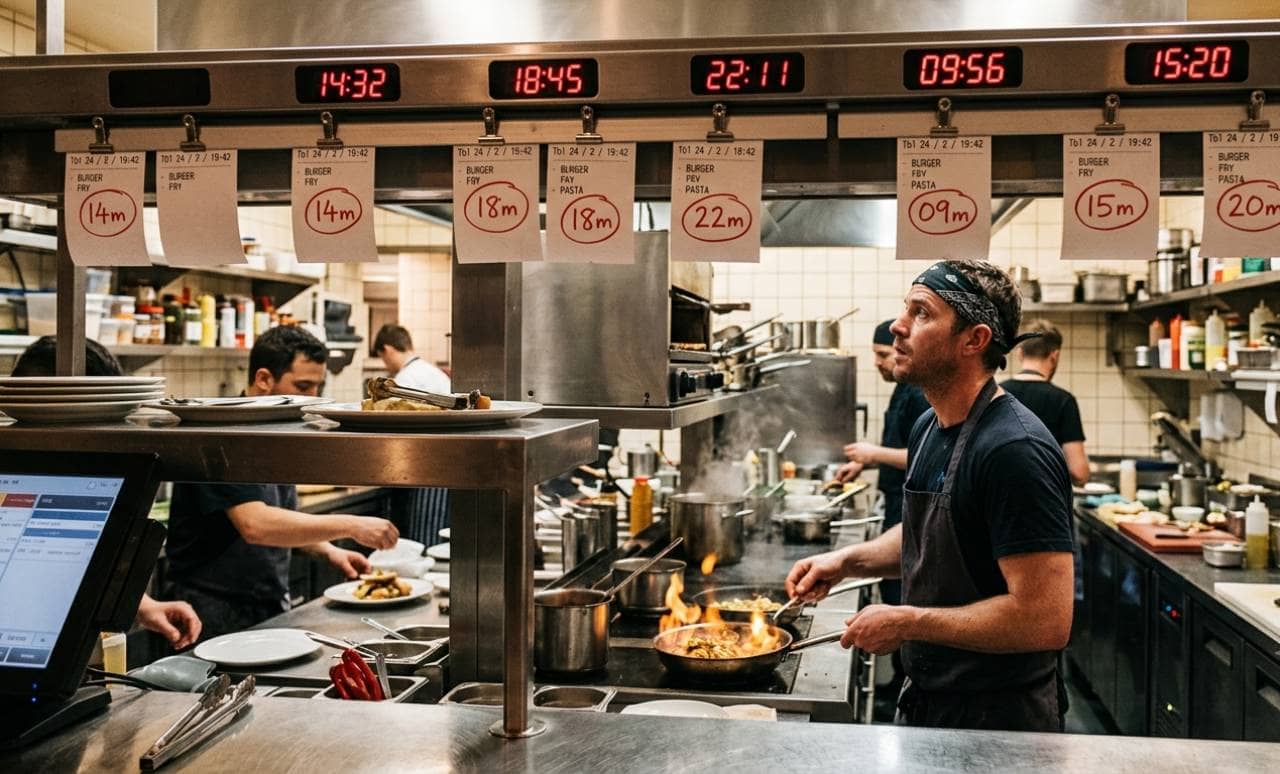
How to Reduce Restaurant Kitchen Ticket Times
Improve kitchen ticket times with practical strategies for better preparation, smoother workflows, stronger communication, smarter staffing, and effective restaurant technology.
back office
Jul 27, 2026
Improve kitchen ticket times with practical strategies for better preparation, smoother workflows, stronger communication, smarter staffing, and effective restaurant technology.
Jul 27, 2026
Noodles & Company achieves historic sales growth and operational turnaround in 2026, sharing critical lessons for restaurant owners on boosting traffic, innovation, and team culture.
Jul 27, 2026

Learn how restaurant owners can manage payroll accurately, track labor costs, reduce errors, maintain compliance, and improve workforce profitability efficiently.
Jul 27, 2026

Veteran restaurant executive David Deno assumes the helm at Cracker Barrel, signaling a pivotal moment for the brand’s revitalization. Learn what this means for operators, staff, and industry leaders.
Jul 27, 2026

Stay compliant with key restaurant labor regulations in Summer 2026, including minimum wage increases, scheduling laws, and retirement requirements.
Jul 24, 2026
Cicis Pizza’s systemwide sales have surged over 50%, fueled by digital innovation, modern operations, and a revamped franchise strategy. Learn what restaurant owners can take away from Cicis’ transformation.
Jul 24, 2026
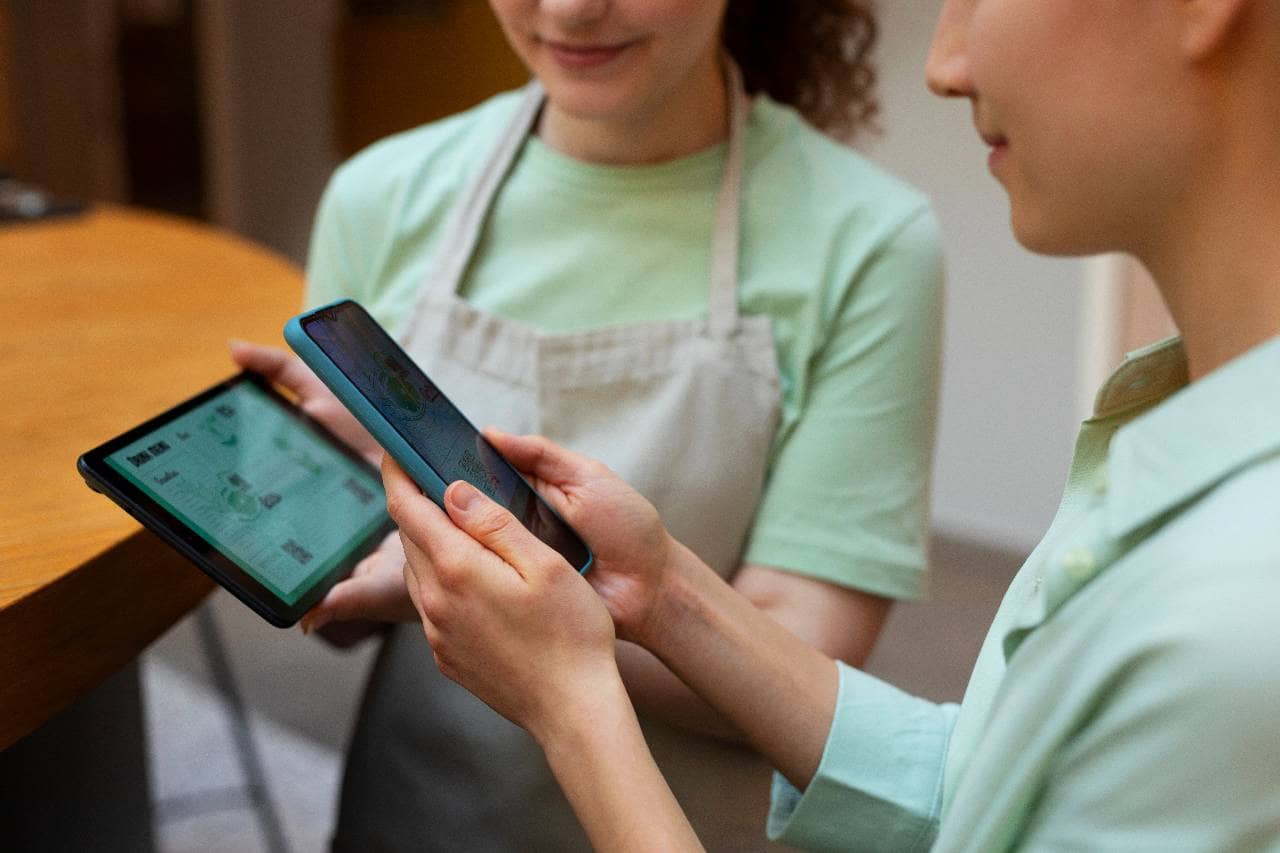
Discover how restaurant apps help owners manage labor, payroll, inventory, food safety, reporting, and back-office operations more efficiently every day.
Jul 24, 2026

Fogo de Chão has announced Daniel Duran as its new CFO, marking a strategic leadership transition designed to enhance global growth and financial innovation for the renowned restaurant brand.
Jul 24, 2026

Learn how to calculate, benchmark, track, and improve restaurant payroll percentage while balancing staffing costs, sales, service, and profitability effectively.
Jul 24, 2026
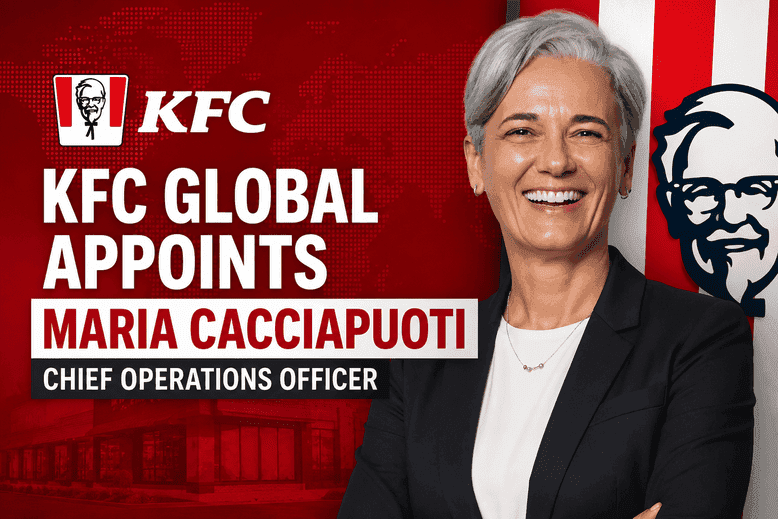
KFC Global has selected experienced leader Maria Cacciapuoti as its new Chief Operations Officer. Discover how her extensive expertise will help shape KFC’s global operations and franchise partnerships.
Jul 23, 2026
Learn how to write a coffee shop business plan that covers concept, location, menu, finances, branding, marketing, and risk planning.

A coffee shop business plan is the foundation of whether your business survives or fails. Many operators skip this step because they are eager to open, but that decision often leads to poor financial planning, unclear positioning, and costly mistakes within the first year. At a practical level, your business plan does three critical things. 1. Secures Funding with Clear Justification Whether you are approaching a bank, private investor, or even friends and family, no one will commit money without understanding how it will be used and when it will return. A strong plan outlines startup costs, expected revenue, and profitability timelines. It shows that your idea is not just creative - it is financially viable. 2. Aligns Partners and Stakeholders If you have co-founders or investors, misalignment is one of the fastest ways a business breaks down. A written plan forces clarity on roles, expectations, and long-term goals. It answers key questions early- What does success look like? How will decisions be made? What is the exit strategy? 3. Creates Operational Clarity Before You Open Once your doors open, daily operations move fast. Without a plan, you are constantly reacting instead of executing. A business plan helps you define your concept, target customer, pricing strategy, and cost structure in advance. This reduces guesswork and improves decision-making under pressure. From a data standpoint, the risk is real. A large percentage of small businesses fail due to poor financial planning and lack of direction - not because the product was bad. Coffee shops are especially sensitive to this because margins are tight, rent is fixed, and labor costs are constant.
Your concept is the backbone of your entire business plan. If this is unclear, everything else - menu, pricing, location, marketing - will feel disconnected and inconsistent. A coffee shop is not just a place that sells coffee. It is a solution to a specific customer need, and your concept defines exactly what that solution is. Start by choosing your format. This is a practical decision that directly impacts startup costs, staffing, and revenue potential. Common formats include - 1. Mobile coffee truck or cart - Lower startup cost, flexible location, limited menu 2. Kiosk or small footprint shop - High efficiency, fast service, lower rent 3. Sit-in cafe - Higher investment, longer customer stays, stronger brand experience 4. Hybrid model - Combines dine-in, takeaway, and possibly delivery Each format comes with trade-offs. A mobile setup may reduce rent but limits volume. A sit-in cafe creates a stronger brand but increases fixed costs. Your plan should clearly justify why your chosen format fits your market and budget. Next, shift your thinking from "what you sell" to what problem you solve. This is where most coffee shop concepts fail. Selling coffee is not unique - solving a need is. Examples of real customer problems - - Lack of comfortable workspaces outside the home - Need for quick, reliable morning service - Desire for a social environment or community hub - Late-night study or meeting spaces - High-quality specialty coffee not available nearby Your concept should directly address one or more of these problems. For example, a shop targeting remote workers might prioritize large tables, strong Wi-Fi, and quiet zones. A commuter-focused shop might prioritize speed, mobile ordering, and limited seating. The most successful coffee brands build around this idea. Starbucks, for example, positioned itself as a "third place" between home and work - not just a coffee provider. That positioning influenced everything from store layout to menu design. Finally, your concept must be consistent and defensible. That means - - Clear value proposition - Defined customer experience - Alignment between menu, pricing, and environment If your concept tries to serve everyone, it will not resonate with anyone. A focused concept makes your business easier to understand, easier to market, and easier to operate profitably.
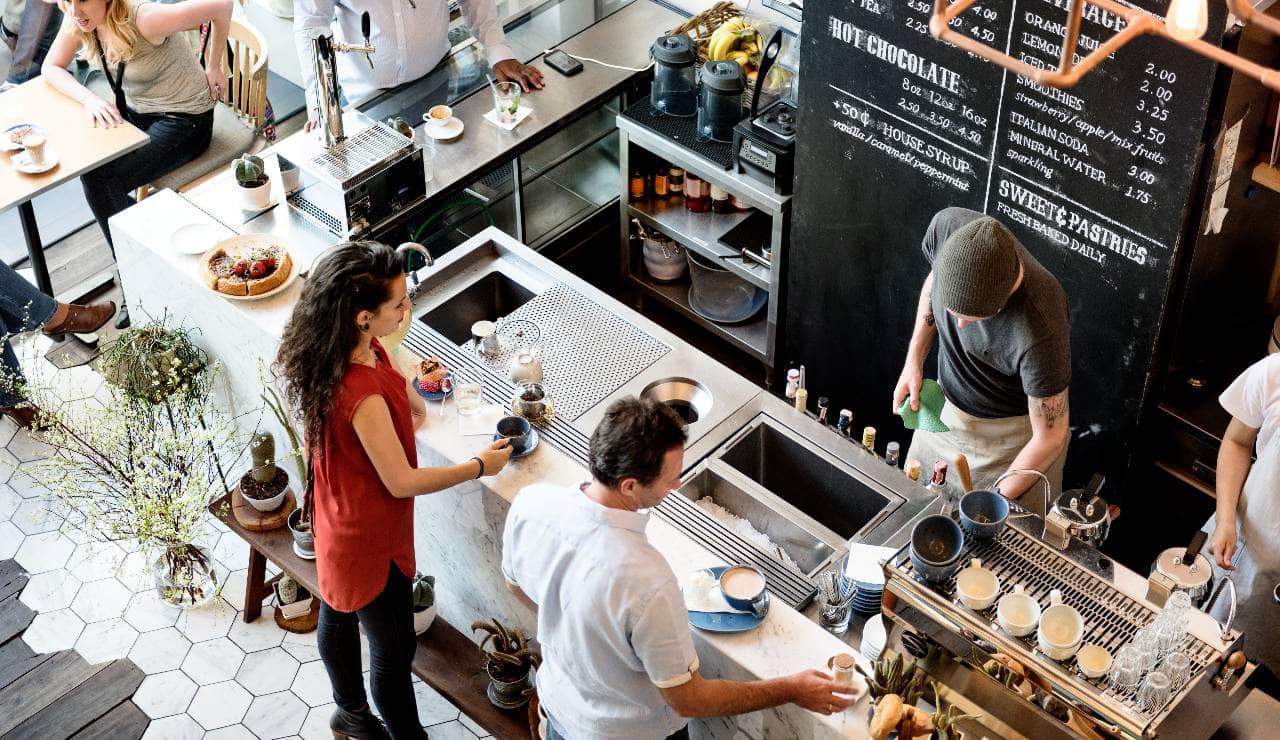
Your coffee shop business plan needs a clear target customer. Without one, you risk making decisions based on personal preference instead of real market demand. The goal is not to serve "everyone who drinks coffee." The goal is to understand who is most likely to visit often, spend consistently, and connect with your brand. Start by creating a customer avatar. This is a detailed profile of your ideal customer. For example, your avatar might be "Michelle," a college student who studies late, needs affordable drinks, wants reliable Wi-Fi, and prefers a comfortable place to meet classmates. That one profile can guide major business decisions. Your target customer should influence - 1. Menu Choices - Students may want affordable drinks, snacks, and late-night options. Office workers may prefer fast service, mobile ordering, and premium espresso drinks. 2. Store Design - Remote workers may need outlets, quiet seating, and strong Wi-Fi. Social customers may prefer lounge seating, music, and a warmer atmosphere. 3. Pricing Strategy - Your pricing must match your customer's spending habits. A high-end specialty menu may work in one neighborhood but fail in a price-sensitive student area. 4. Hours of Operation - A commuter-focused shop may need early morning hours. A student-focused shop may benefit from staying open later. 5. Marketing Channels - Younger customers may respond better to Instagram, TikTok, and campus promotions. Professionals may respond better to local partnerships, loyalty programs, and email offers. This section of the business plan should also include data. Look at local demographics, foot traffic, nearby schools or offices, household income, and competitor reviews. If customers are already asking for more seating, better Wi-Fi, faster service, or healthier snacks nearby, that is useful information. A strong target customer profile helps your coffee shop make smarter decisions before spending money. It keeps your concept focused, your marketing sharper, and your operations easier to manage.
Location is one of the most expensive and most impactful decisions in your coffee shop business plan. Rent is a fixed cost, and once you sign a lease, it becomes difficult to adjust. That is why your location strategy needs to be based on data - not assumptions. Start by evaluating the trade-off between rent and traffic. High-traffic areas (downtown cores, busy retail streets) offer visibility and volume, but come with significantly higher rent. Lower-rent areas (side streets, residential neighborhoods) reduce costs but require a stronger reason for customers to visit. The right choice depends on your concept and target customer. 1. High-Traffic Locations Best for - quick-service, grab-and-go concepts Advantage - consistent foot traffic and impulse purchases Risk - high rent requires high daily sales to break even 2. Residential or Neighborhood Locations Best for - sit-in cafes, community-focused concepts Advantage - repeat customers and lower rent Risk - slower ramp-up and dependence on local loyalty 3. Transit-Adjacent Locations Best for - commuter-focused concepts Advantage - steady flow during peak hours without premium rent Examples - near bus stops, train stations, parking hubs Another critical factor is residential density, especially in a post-pandemic environment. More people working from home means demand has shifted away from central business districts and into neighborhoods. A location near apartments or housing clusters can generate consistent daytime traffic, not just morning rushes. You should also analyze competition within a defined radius - - How many coffee shops exist within walking distance? - What are their price points and reviews? - Where are the gaps (e.g., no late-night option, no workspace-friendly cafe)? Finally, your location must align with your financial model. A simple rule - if your projected sales cannot comfortably cover rent, labor, and cost of goods, the location is too expensive - no matter how attractive it looks. A strong location strategy balances visibility, accessibility, cost, and customer behavior. When those factors align, your coffee shop has a much higher chance of building consistent traffic and long-term profitability.
A strong concept and location will not compensate for a weak team. Investors, lenders, and partners evaluate your business plan not just on the idea, but on the people responsible for executing it. This section should clearly show that you have the skills, support, and structure to operate consistently. Start with the founder's profile. Be direct about your experience and strengths - - Operations (staffing, scheduling, daily execution) - Financial management (cost control, budgeting) - Customer service and hospitality - Leadership and team development If you lack experience in any of these areas, do not ignore it - address it. Acknowledging gaps and showing how you will fill them builds more credibility than trying to appear complete. Next, define your core team and partners. This includes - - Co-founders or investors - Store manager or lead barista - Suppliers (coffee roasters, food vendors) - Advisors (accountants, consultants, experienced operators) Each role should serve a purpose. For example, a partner with strong financial backing reduces capital pressure. A supplier with reliable delivery improves consistency. An experienced manager reduces operational mistakes. Focus on team synergy. A well-balanced team combines - - Capital (funding and financial stability) - Talent (operational and service expertise) - Resources (supplier relationships, local connections) This balance is what gives confidence to lenders and investors. It shows that your business is not dependent on one person making every decision. Finally, outline your staffing plan. Even a small coffee shop needs - - Defined roles (baristas, shift leads, manager) - Basic training standards - Scheduling expectations tied to projected sales Labor is one of your highest ongoing costs. A clear plan shows that you understand how to control it while maintaining service quality. A strong team section answers one question - Can this group consistently execute the plan? If the answer is clear and supported, your business becomes significantly more credible.
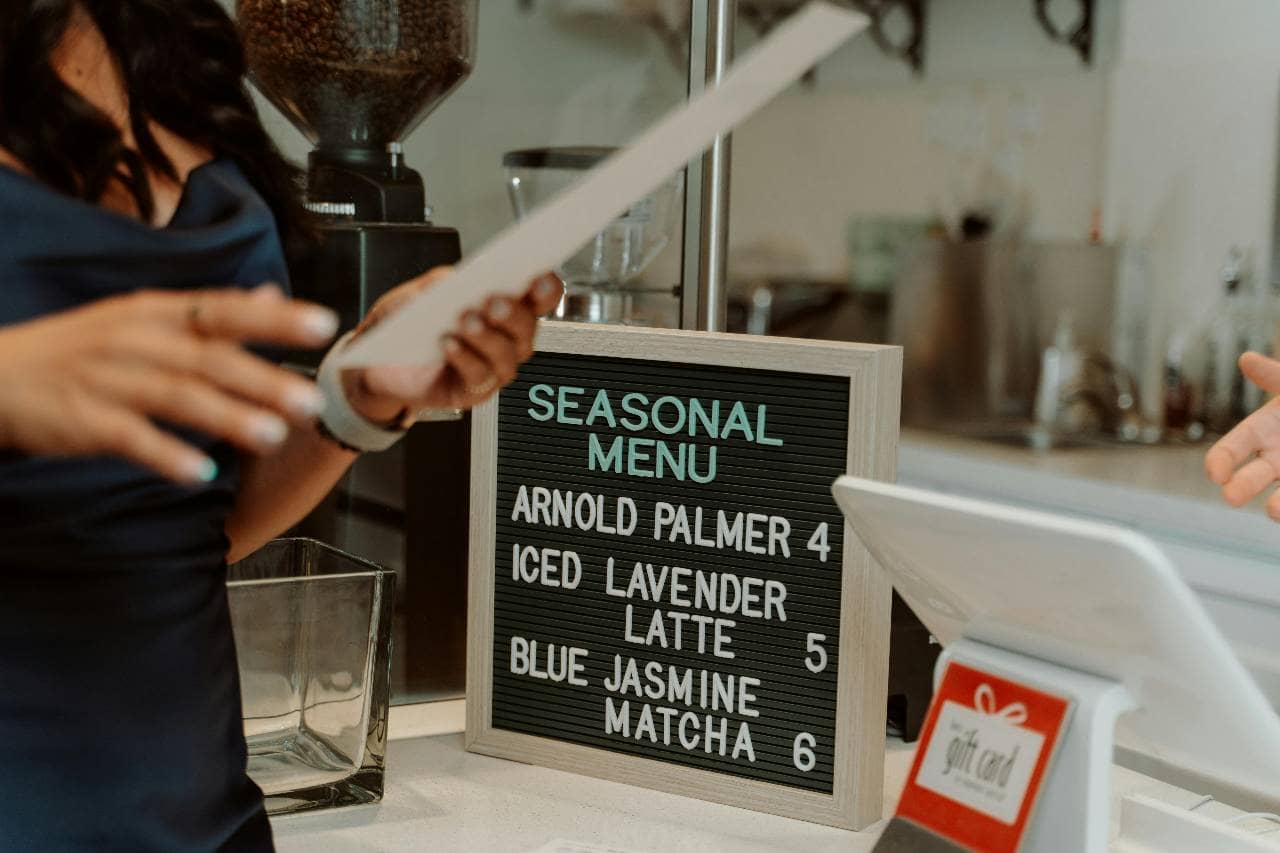
Your menu is not just a list of items - it is a financial tool. Every product you offer should support your margins, match your target customer, and fit your operational capacity. A poorly designed menu can quickly erode profitability, even if sales volume is strong. Start with a focused, targeted menu. Avoid the mistake of offering too many items early. Instead, build around your core - - Espresso-based drinks (high demand, consistent margin) - Brewed coffee and cold beverages - A small set of complementary food items (pastries, snacks, light meals) Each item should serve your target customer. For example, if you are targeting students, consider affordable combos and late-night snacks. If you are targeting professionals, prioritize speed, quality, and premium drink options. Next, focus on margin structure. Coffee alone will not maximize your profitability. You need higher-margin add-ons - - Muffins, croissants, and baked goods - Packaged snacks (chips, protein bars) - Seasonal or specialty drinks with premium pricing These items often carry better margins and increase average ticket size. A simple goal- increase the number of items per transaction, not just the number of transactions. Then, validate your pricing with data, not assumptions - - Review competitor pricing within your area - Speak with suppliers to understand real ingredient costs - Use small surveys or informal feedback to test willingness to pay Your pricing must cover cost of goods sold (COGS) while remaining competitive in your market. Finally, connect your menu to a basic financial forecast. At minimum, your plan should estimate - - Average ticket size - Daily transaction volume - Monthly revenue projections - COGS percentage - Gross profit For example, if your average ticket is $6 and you project 150 transactions per day, that gives you a starting point for revenue. From there, subtract COGS and labor to understand whether your model is sustainable. A strong menu and financial plan shows that your business is designed to generate profit - not just attract customers.
Branding and design are not just aesthetic decisions - they directly impact customer behavior, dwell time, and repeat visits. Your coffee shop's look, feel, and messaging should clearly communicate what kind of experience customers can expect before they even place an order. Start with visual identity. This includes - - Logo and color palette - Typography and signage - Packaging (cups, sleeves, bags) - Staff uniforms These elements should be consistent and aligned with your concept. A workspace-focused cafe might use clean, minimal design. A community-driven cafe might lean into warmer tones and more relaxed visuals. Next, focus on store layout and ambiance. Design should support your target customer's behavior - Remote workers - large tables, outlets, stable Wi-Fi Quick-service customers - efficient ordering flow, limited seating Social groups - comfortable seating, flexible layouts Every design choice should have a purpose. More seating increases dwell time but reduces turnover. Faster layouts increase volume but may reduce the in-store experience. Your plan should show that you understand these trade-offs. Use renders or mockups in your business plan when possible. Visuals help landlords, investors, and partners clearly understand your concept. It also reduces misalignment before build-out begins. Then, build a pre-opening marketing strategy. One of the biggest mistakes new coffee shops make is waiting until opening day to think about marketing. You need traction before you open. Key tactics to include - - Social media build-up (Instagram, TikTok) showing progress - Local partnerships (gyms, offices, universities) - Influencer or micro-creator outreach - Opening promotions or limited-time offers The goal is simple - generate awareness so your first weeks are not slow. Finally, maintain a clear marketing roadmap beyond launch - - Loyalty programs to drive repeat visits - Seasonal promotions to increase average ticket size - Community events to build local engagement Many coffee shops fail within the first year not because of product quality, but because they never build consistent traffic. A structured marketing plan helps prevent that. This section should demonstrate that your brand is intentional, your space is functional, and your growth strategy is planned - not reactive.
This section shows whether you truly understand your business - not just the opportunity, but the risks. A strong business plan does not ignore weaknesses or threats. It identifies them early and explains how they will be managed. Start with a clear SWOT analysis - 1. Strengths (Internal Advantages) - What makes your coffee shop different or better? Examples - strong concept, prime location, experienced team, unique menu 2. Weaknesses (Internal Risks) - Where are you vulnerable? Examples - limited startup capital, lack of experience, small space, narrow menu 3. Opportunities (External Upside) - What market gaps can you take advantage of? Examples - growing remote work population, underserved neighborhood, lack of late-night cafes 4. Threats (External Risks) What could negatively impact your business? Examples - nearby competitors, rising rent, economic slowdowns, supplier price increases This exercise forces realism. Investors expect to see it because it shows you are thinking beyond best-case scenarios. Next, connect your SWOT to a financial risk review. This is where you demonstrate control over the numbers that determine survival. Key areas to include - 1. Break-even point - How much revenue you need monthly to cover rent, labor, and COGS 2. Fixed vs. variable costs - Rent and utilities vs. ingredients and hourly labor 3. Cash flow runway - How long you can operate before needing additional capital 4. Sensitivity analysis - What happens if sales are 20% lower than expected? For example, if your rent and labor are high, your plan should show how many daily transactions are required to stay profitable. If your margins are tight, you should explain how add-ons or pricing adjustments improve them. Finally, emphasize transparency and preparedness. This section is not about presenting a perfect business - it is about showing that you understand the risks and have a plan to respond. A well-documented SWOT and financial review builds credibility. It tells lenders, partners, and even yourself that the business is grounded in reality, not assumptions.
