
Pei Wei Wins Best Fast-Casual Chain Award
Pei Wei Asian Kitchen named Best Fast-Casual Chain in Reviewed 2026 Awards, reflecting shift from price competition to quality and transparency.
News
Sep 11, 2026
Pei Wei Asian Kitchen named Best Fast-Casual Chain in Reviewed 2026 Awards, reflecting shift from price competition to quality and transparency.
Sep 11, 2026

O'Charley's shuttered all corporate restaurants nationwide on September 9, 2026, ending its 55-year legacy as a casual-dining regional powerhouse.
Sep 11, 2026
Authentic Restaurant Brands lands $325M investment from Trimontium to fuel disciplined regional expansion across five established restaurant concepts.
Sep 11, 2026

Walmart expands restaurant delivery beyond Subway and Dunkin', taking on DoorDash, Uber Eats, and Grubhub with Papa Johns nationwide rollout.
Sep 11, 2026

Complete NFL season restaurant checklist covering licensing, AV setup, menu prep, inventory, staffing, and marketing before kickoff arrives.
Sep 11, 2026

California shifts to public enforcement strategy against Dickey's for deceptive franchise disclosures, signaling stricter state-level franchise oversight.
Sep 10, 2026
Paul Brown temporarily steps away from Inspire Brands as Scott Murphy assumes interim CEO role during confidential IPO filing process targeting late 2026.
Sep 10, 2026
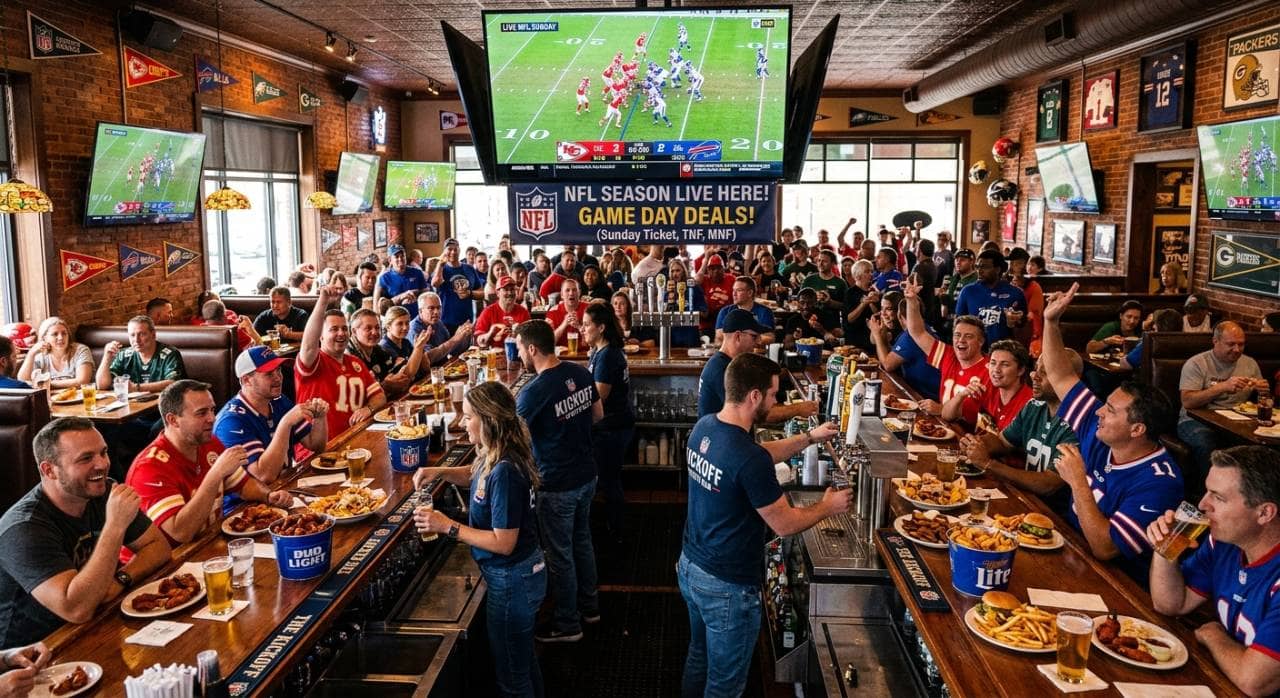
Prepare your restaurant for NFL season with smart menu planning, staffing, marketing, technology, and atmosphere strategies that boost season-long revenue.
Sep 9, 2026
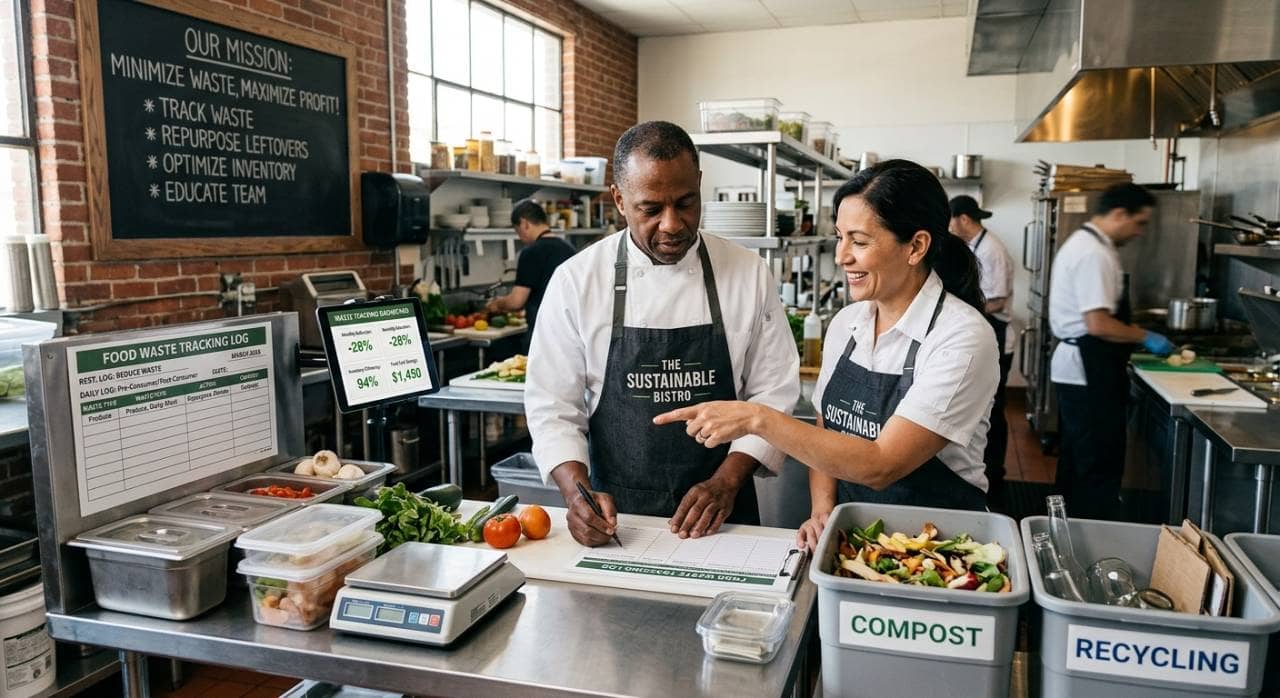
Learn how to reduce food waste in restaurants through smarter purchasing, storage, preparation, and service strategies that cut costs.
Sep 9, 2026
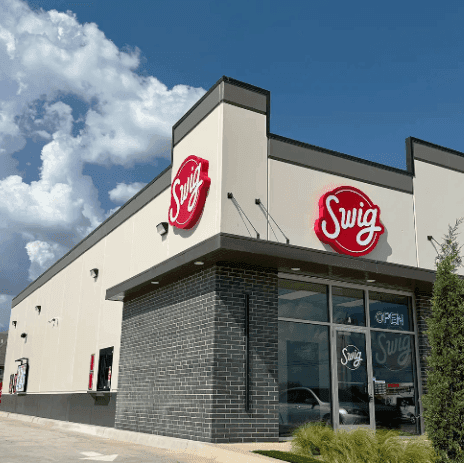
Swig signs franchise agreement for 11 South Denver locations, marking Colorado entry and validating its national expansion strategy.
Sep 8, 2026

Unlock Exclusive Access To Webinars, Events, And The Latest News For Free!
A look at how U.S. brands expand through multi-unit deals, cross-border partnerships, and seasoned operators in 2026.

Photo by Unseen Histories
Across 2026, franchising feels less like a one-off deal and more like a mapped plan. Brands with staying power are chasing scale through multi-unit commitments that stretch across state lines and into new territory. The playbook is simple but bold: grow earnings by footprint, shore up operations with veteran partners, and keep brand standards intact with sharp local know-how. A standout signal is the pact between Xponential Fitness and Riser Fitness to launch 127 new Club Pilates studios across six western and midwestern states within the next five years. This isn’t just about adding studios; it’s a blueprint for cross-border, multi-market growth, proof that size can coexist with strategy.
Beyond fitness, the expansion narrative underscores a trend of partnering with operators who can shepherd rapid, multi-market growth. Take Mike’s Red Tacos, a San Diego-rooted concept famed for its birria-focused menu, which has signed a 50-unit deal to spread through New England. The deal was led by franchisees Bob Quinlan and Al Graziano, who also run Jersey Mike’s and Dave’s Hot Chicken. The brand started as a food truck in 2021, opened its first brick-and-mortar in 2022, and began franchising just last year, a timeline that mirrors the sector’s appetite for fast, scalable growth around a strong narrative.
Industry outlets have highlighted birria as a catalyst for franchise interest, underscoring how a unique menu can drive rapid multi-market entry. The coverage frames Mike’s Red Tacos as a fast-casual success story, with birria earning attention beyond California staples. The momentum isn’t accidental: it’s the result of branding that blends a compelling story with disciplined expansion. News and trade chatter point to a broader trend, brands that pair a clear concept with experienced operators are better positioned to scale into dense corridors and distant markets alike.
Beyond the East Coast push, brands are carving serious regional footprints through disciplined, multi-unit commitments. In Phoenix, Smalls Sliders is pursuing a 15-unit expansion under Talha and Rehman Ahmed, a duo who already manage a portfolio that includes KFC, Taco Bell, and Pizza Hut in the metro. In the Midwest, Broken Yolk Cafe declares a two-unit Indiana entrance under Marc Clapper, a veteran operator who also steers Freddy’s Frozen Custard & Steakburgers; this marks the San Diego breakfast concept’s first foray into Indiana. In the West, PayMore, the electronics resale concept with a global footprint, enters California’s Central Valley with a three-unit Fresno-area deal led by Jay Jones.
These moves illustrate a pattern: seasoned entrepreneurs with cross-industry portfolios can push faster, more geographically expansive rollouts. Smalls Sliders benefits from a leadership team that already runs multiple brands; Broken Yolk Cafe taps into established site selection and operator networks; PayMore leverages a diversified background to blend retail, service, and franchising. The result is a more confident path to market saturation in key metros, where the right operators magnify brand recognition and speed up openings without eroding margins.

Industry observers praise the strategy of pairing established brands with operators who bring multi-brand experience, capital discipline, and local instincts. In Southern California, Gong Cha launches a three-unit push with Gagan and Aman Batta, showing how bubble-tea labels scale in dense markets while keeping brand standards intact. The move aligns with Gong Cha’s broader North American expansion and its push toward more multi-unit ownership. In parallel, Marco’s Pizza signs a 12-unit Southern California deal with Baljit Gill, a franchising veteran with a track record across concepts. Phenix Salon Suites also grows in the Northeast, three locations in New York and New Jersey with Filakan Holdings, illustrating cross-industry know-how at work.
This is an exciting moment for Which Wich in the U.K. as we continue to build momentum across multiple regions, said Rami Awada, the U.K. master franchisee, in Fast Casual coverage of London-area expansion. The remark captures a broader trend: U.S.-origin concepts scale quickly when paired with operators who understand cross-border nuance. The takeaway is simple: multi-unit deals aren’t just about growth; they test a framework that respects local tastes, regulatory realities, and real estate cycles. In this light, Which Wich isn’t merely entering the U.K., it’s piloting a scalable international expansion model.
Across brands, multi-year horizons shape planning. The Club Pilates arrangement, delivering 127 new studios over five years, signals a deliberate cadence designed to saturate key markets while preserving quality. The international dimension, Riser Fitness’s Mexico master franchise, relies on debt facilities and a coordinated development pipeline to accelerate growth. In manufacturing-friendly, customer-centric concepts, the expansion tempo is matched by a spectrum of financing and development agreements. The Gong Cha three-unit deals and the Which Wich UK expansion point to a broader international trajectory, with Krispy Kreme Netherlands aiming for around 30 stores in five years. The throughline remains: disciplined, multi-site commitments backed by seasoned operators and cross-border investment.
Looking ahead, regulators, labor markets, and local tastes will shape openings. The most successful brands balance flexibility with clear performance metrics, building a narrative around EEAT, experience, expertise, authoritativeness, and trust. In 2026, franchising momentum isn’t tethered to one region or one concept; it’s a coordinated, multi-domain growth engine that rewards operators who stay disciplined yet adaptable, and lenders who can see the long game.
