True Food Kitchen Files Bankruptcy, Closes 12 Sites
True Food Kitchen filed for Chapter 11 bankruptcy, closing 12 locations and shrinking to 34 restaurants across 14 states amid $42.1 million in debt.
News
Oct 5, 2026
True Food Kitchen filed for Chapter 11 bankruptcy, closing 12 locations and shrinking to 34 restaurants across 14 states amid $42.1 million in debt.
Oct 5, 2026

Snooze Eatery names industry veteran Amy Hom as COO, starting Sept. 28, to strengthen hospitality and operations ahead of its next growth phase.
Oct 5, 2026

Opening a second restaurant location requires readiness, clear goals, financial planning, funding, smart strategy, standardized operations, strong teams, and careful launch monitoring for sustainable growth.
Sep 30, 2026
Evaluate restaurant industry performance in Q3 2026 through key trends affecting restaurant sales, traffic, consumer spending, labor, costs, and technology.
Oct 2, 2026
Restaurants can control operating costs by tracking food, labor, rent, utilities, technology, marketing, and other expenses against sales.
Oct 5, 2026

Improve restaurant visibility with local SEO by optimizing Google Business Profile, targeting local keywords, managing reviews, and maintaining accurate online information.
Oct 5, 2026
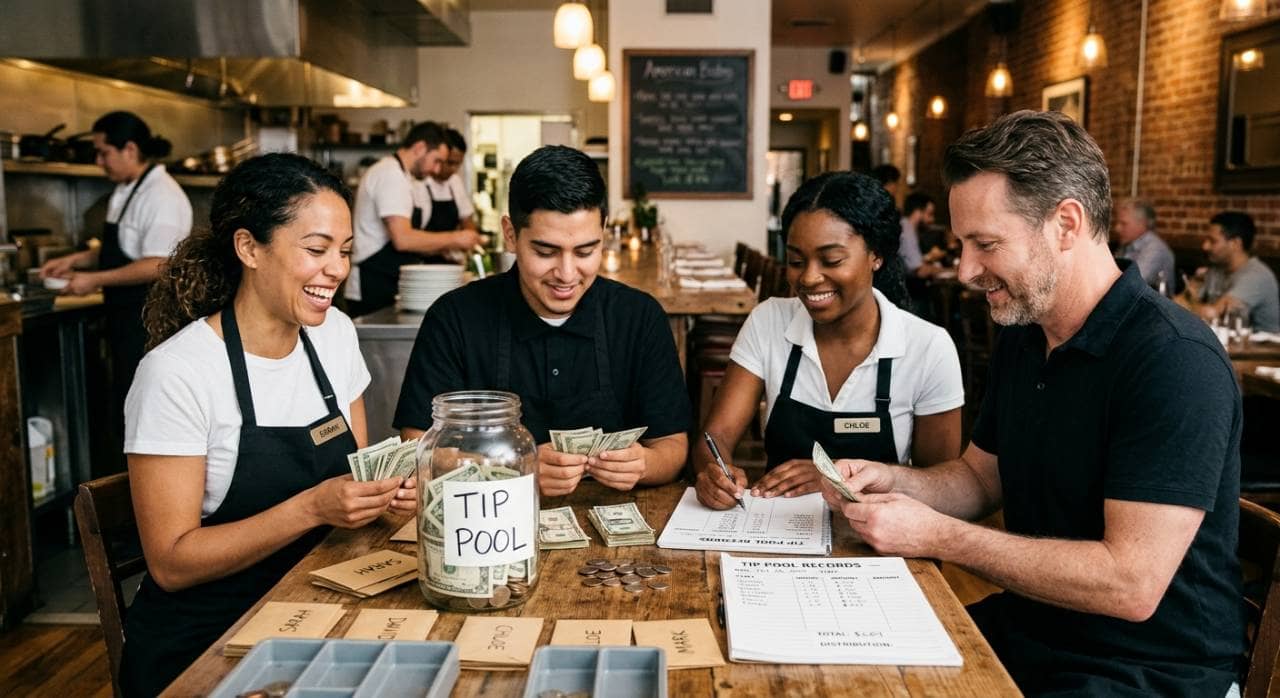
Understand tip pooling rules, employee eligibility, distribution methods, compliance requirements, recordkeeping practices, and policies restaurant owners need for proper tip management.
Oct 2, 2026

Whit's Frozen Custard hires industry veteran Amos Durbin as COO to guide franchise expansion, drawing on two decades of restaurant leadership experience.
Oct 2, 2026
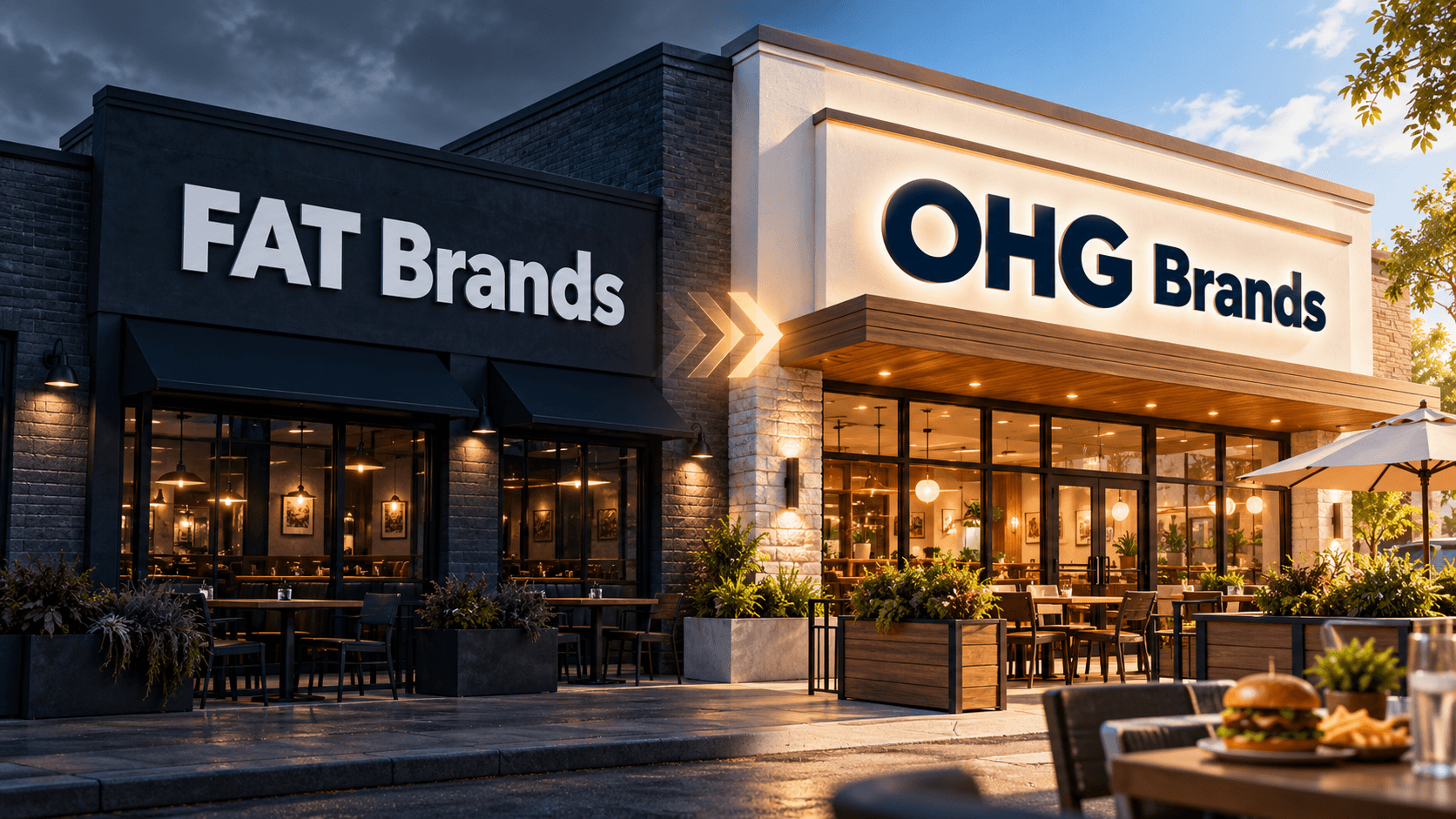
FAT Brands' $1B acquisition empire fell into bankruptcy and sold for $965M, re-emerging as OHG Brands with 1,700 restaurants.
Oct 1, 2026
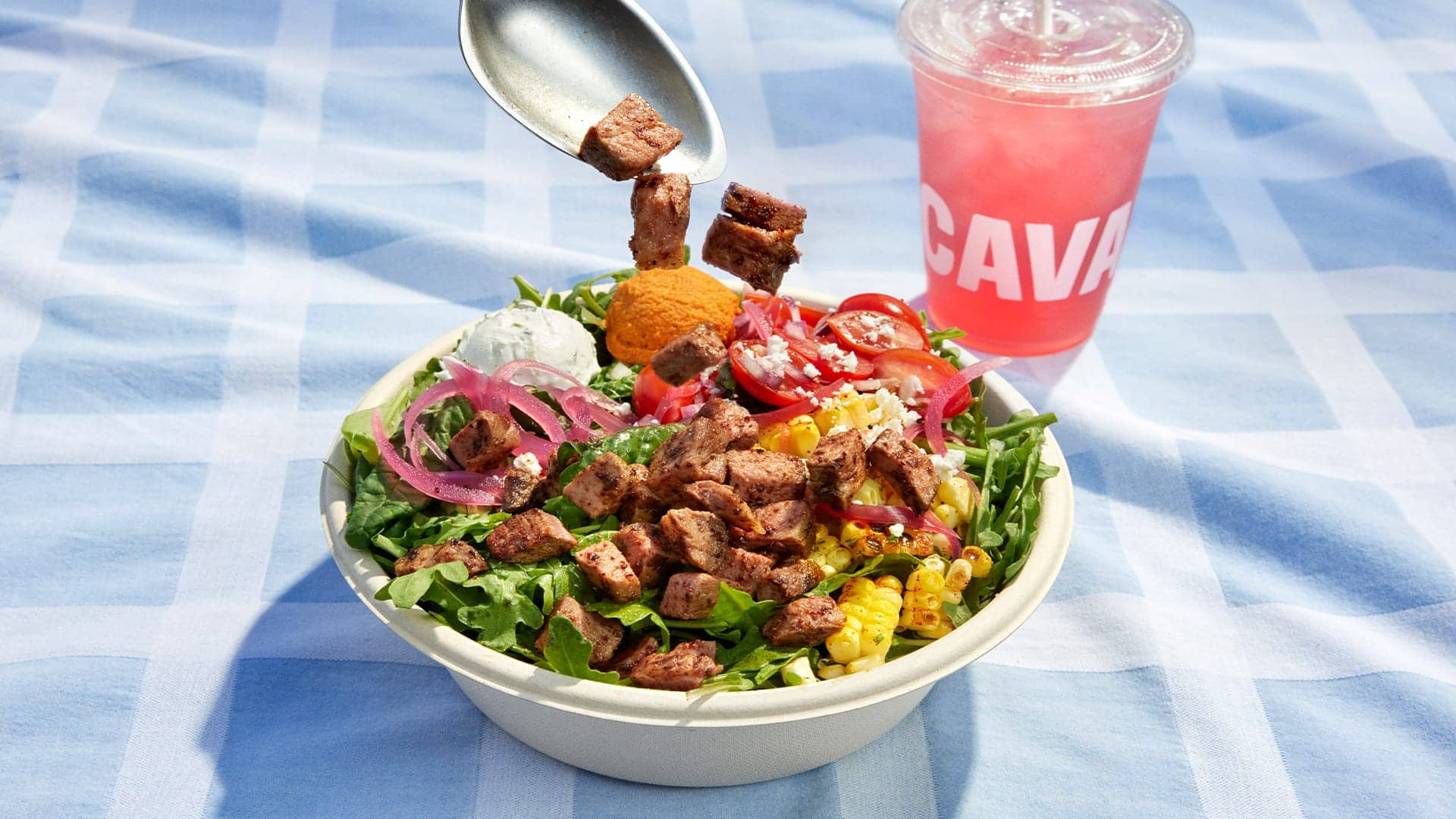
CAVA names John Ludeke, former Dr. Squatch Chief Brand Officer, as its new CMO to drive national growth and guest loyalty.
Oct 1, 2026

Unlock Exclusive Access To Webinars, Events, And The Latest News For Free!
Paul Brown temporarily steps away from Inspire Brands as Scott Murphy assumes interim CEO role during confidential IPO filing process targeting late 2026.
Paul Brown, CEO and cofounder of Inspire Brands, is temporarily stepping away from the restaurant giant to recover from a recent injury. Scott Murphy, president of Dunkin' and chief brand officer of Inspire, will serve as interim CEO. The timing is significant: Inspire confidentially filed for an IPO in May, with the company now targeting an offering as early as the end of this year, though it could slip into early 2027.
Murphy told employees he does not expect Inspire's strategy or direction to change during Brown's absence, and Inspire expressed confidence that Brown will return after his recovery.
Leadership changes during IPO preparation typically draw investor scrutiny. Yet the company's ability to execute a seamless transition signals institutional maturity that extends beyond any single executive. This transition becomes an unintended stress test of the systems Inspire has built to support a multi-billion-dollar, multi-brand organization.
Brown's influence on Inspire extends back further than the company's 2018 founding. He took the helm at Arby's in 2013 following Roark Capital's acquisition and drove a sustained sales recovery. Inspire was created in 2018 following Arby's acquisition of Buffalo Wild Wings, with Brown as co-founder. Sonic joined the portfolio in 2018 in a deal valued at roughly $2.3 billion, followed by Jimmy John's in 2019.
Dunkin' Brands acquisition in 2020 for $11.3 billion represented one of the largest restaurant transactions in industry history, bringing Dunkin' and Baskin-Robbins into the fold.
IPO proceeds will be allocated primarily towards reducing Inspire's debt under an existing term loan facility, with funds also covering fees and expenses related to the transaction. Brown's track record spanning the Arby's turnaround, orchestration of Inspire's formation, and acquisitions totaling billions remains central to the company's strategic narrative for investors.
The scale Inspire has assembled is substantial. Its global footprint spans more than 33,400 restaurants with combined annual sales of $33.4 billion. The portfolio includes Arby's, Buffalo Wild Wings, Sonic, Jimmy John's, Dunkin', and Baskin-Robbins across nearly 60 markets and more than $32.6 billion in 2024 global system sales.
According to Inspire's operational data, 9 in 10 Americans are within 10 miles of an Inspire restaurant. High local density stabilizes traffic, streamlines operations, and expands transfer options.
Inspire's portfolio has locations in all 50 states and Canada, with more than 70 percent of its system franchised. This portfolio diversity insulates the company from sector-specific downturns and positions it to capitalize on varied consumer preferences across dayparts, giving teams steadier hours and managers more predictable staffing and profitability.
Scott Murphy has been with Dunkin' for more than two decades and was named brand president of the coffee and doughnut chain once the acquisition was complete. He has since added the title of chief brand officer for Inspire. As Chief Brand Officer, Murphy leads Inspire's U.S. franchise business across all brands, overseeing demand generation, digital guest experience, U.S. development, and the U.S. CPG business.
He continues to serve as Dunkin' Brand President since 2019, setting strategic direction and overseeing marketing, franchisee operations, and culinary innovation.
Prior to Inspire, Murphy served as President of Dunkin' Americas and held various leadership positions including Chief Operating Officer of Dunkin' and Chief Supply Officer & SVP of International Operations. His two-decade tenure within one of Inspire's flagship brands provides the contextual understanding necessary to navigate a multi-brand operating company during this sensitive period.
Inspire's ability to elevate Murphy to interim CEO without disrupting day-to-day operations demonstrates organizational maturity extending beyond dependence on a single executive. When reorganizing structure in late 2023, CEO Paul Brown stated the company's revised structure "positions us for accelerated growth and will further enhance the advantages of our tightly integrated shared services platform."
The company's shared services infrastructure spanning procurement, data analytics, technology, and supply chain enables brand leaders to operate with strategic autonomy while benefiting from enterprise-scale efficiencies.
For public market investors evaluating governance and resilience, such institutional depth addresses concerns about leadership concentration and provides reassurance about the company's ability to execute strategy through transitions. This structural foundation becomes critical in evaluating investment risk during the IPO process.
According to reports, Inspire Brands is preparing an IPO that could reportedly raise $2 billion at a potential $20 billion valuation. The confidential IPO filing puts Roark Capital's restaurant platform in front of public-market investors. The listing could show whether buyers still reward large franchised brand portfolios, or whether debt and private equity exits remain a harder sell.
Recent reports indicate IPO proceeds will repay borrowings and cover offering costs, which matters to investors who have become more selective about highly levered listings.
In a friendlier market, large brand portfolios are valued for scale and cash generation. In tougher conditions, the same structure can be viewed as a sponsor monetization event leaving public buyers with a mature asset and heavy balance sheet. The timing coincides with a broader trend of large restaurant franchisors testing public market appetite. The IFA projects franchise sector output to exceed $920 billion this year, with steady investor interest in multi-brand QSR platforms.
A confidential filing allows a company to engage with regulators before disclosing financials publicly, a route increasingly used by large private companies ahead of major offerings. The public filing, which would make the company's financials visible to investors, has not yet been scheduled. Inspire has not confirmed a timeline for public filing or an IPO date.
As with any confidential S-1 process, the offering could be delayed, restructured, or withdrawn based on market conditions.
The regulatory pathway and economic backdrop will shape whether Inspire achieves a year-end 2026 listing or extends into early 2027. Brown's medical leave does not alter the formal SEC review process, but investor perception of continuity during transitions can influence timing decisions once public filing occurs. Depending on recovery timing and the IPO process, Brown may resume the CEO role before or after public listing.
Murphy said: "We look forward to welcoming Paul back when he has fully recovered." Brown's anticipated return reinforces that this leadership transition is temporary and does not signal a structural change at the executive level. His track record spanning the Arby's turnaround, orchestration of Inspire's formation, and acquisitions totaling billions remains central to the company's strategic narrative for investors.
What this transition demonstrates to prospective investors is that even a founder-led platform can sustain execution during unexpected disruptions.