
Nazia Millwala Named ARP President
Alexandria Restaurant Partners names Nazia Millwala president, succeeding founders in a planned leadership transition across Virginia and Orlando.
News
Oct 14, 2026
Alexandria Restaurant Partners names Nazia Millwala president, succeeding founders in a planned leadership transition across Virginia and Orlando.
Oct 14, 2026
Cicis Pizza names franchise veteran Kimberly Thompson EVP of Development, targeting 600 locations within five years across key Southern markets.
Oct 14, 2026
Savory Fund closes Fund III at $201.5 million, drawing bank capital for the first time as it bets on repeating the success of Swig and Mo' Bettahs.
Oct 13, 2026
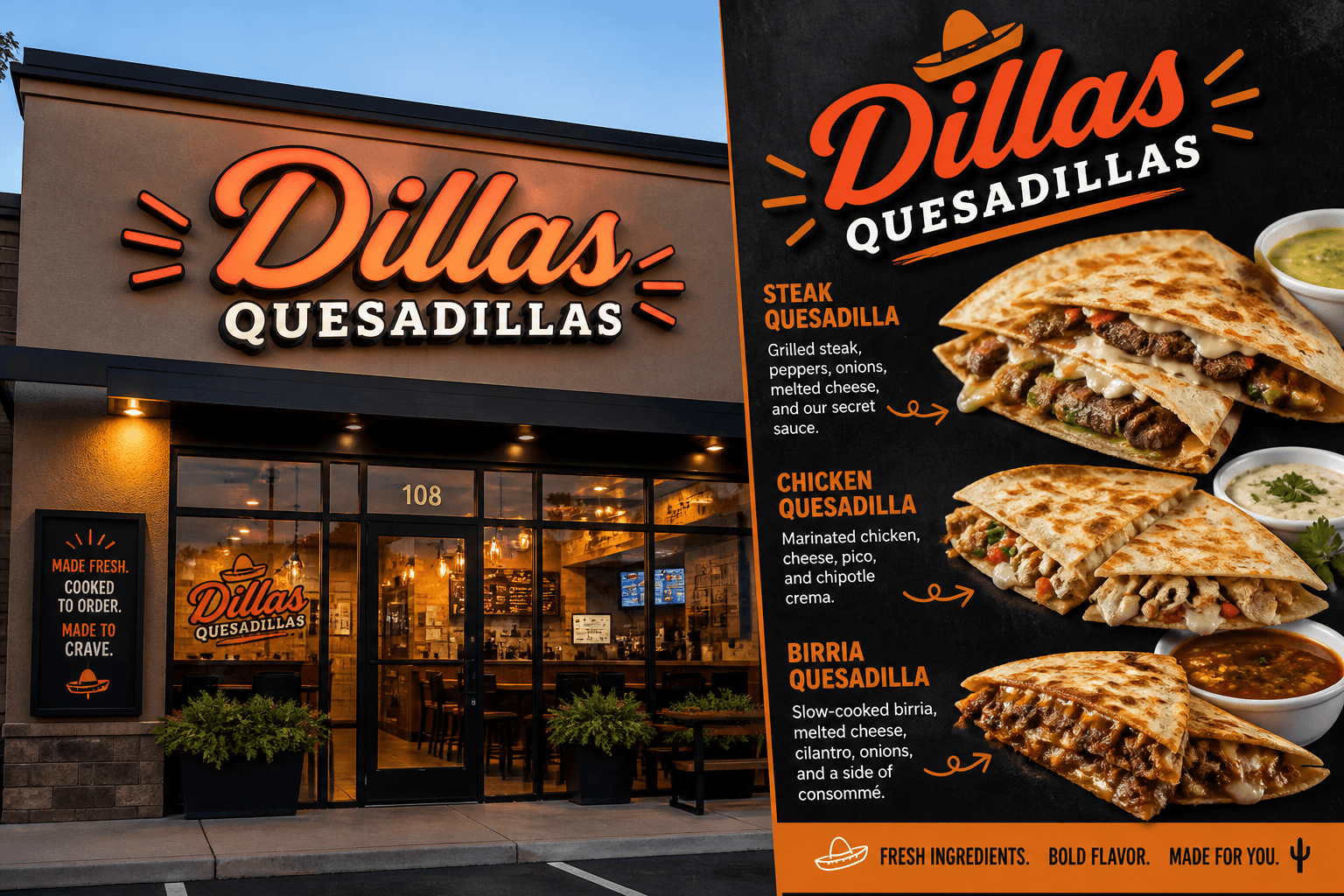
Dillas Quesadillas hires Michael Mabry as its first-ever COO to lead operations, marketing and franchise sales on the path to 50 locations by 2028.
Oct 13, 2026
Starbucks firmly denies rumors of a $50 billion Chipotle acquisition, shifting focus to its turnaround plan and upcoming Q4 earnings report.
Oct 12, 2026
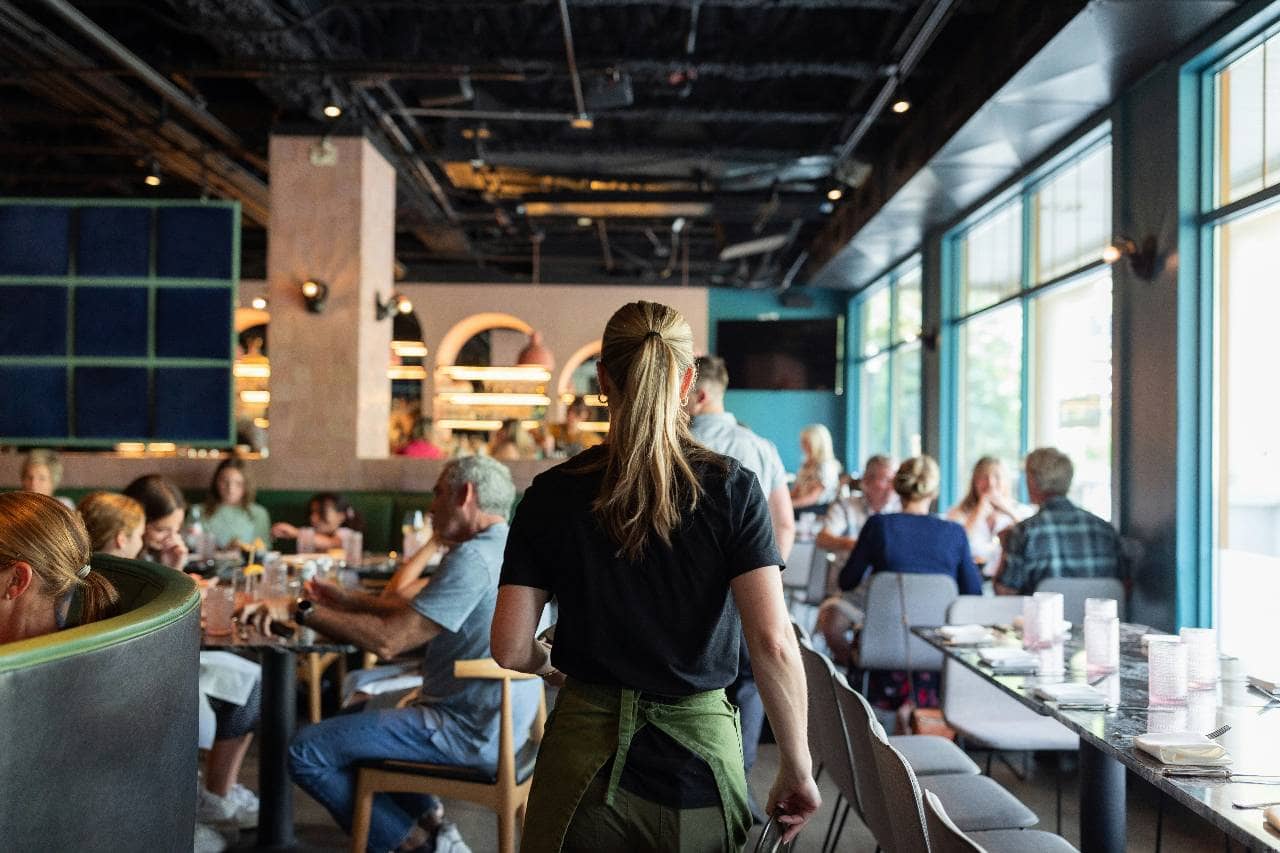
September 2026 restaurant leadership changes highlight executive priorities around expansion, operations, franchising, technology, financial performance, customer engagement, and sustainable growth.
Oct 12, 2026

Learn how to calculate restaurant labor costs, determine labor cost percentages, account for payroll expenses, track spending, and improve profitability through smarter staffing decisions.
Oct 9, 2026

A cloud-based POS system helps restaurant owners streamline transactions, access real-time sales data, improve operational efficiency, manage costs, and support business growth.
Oct 12, 2026
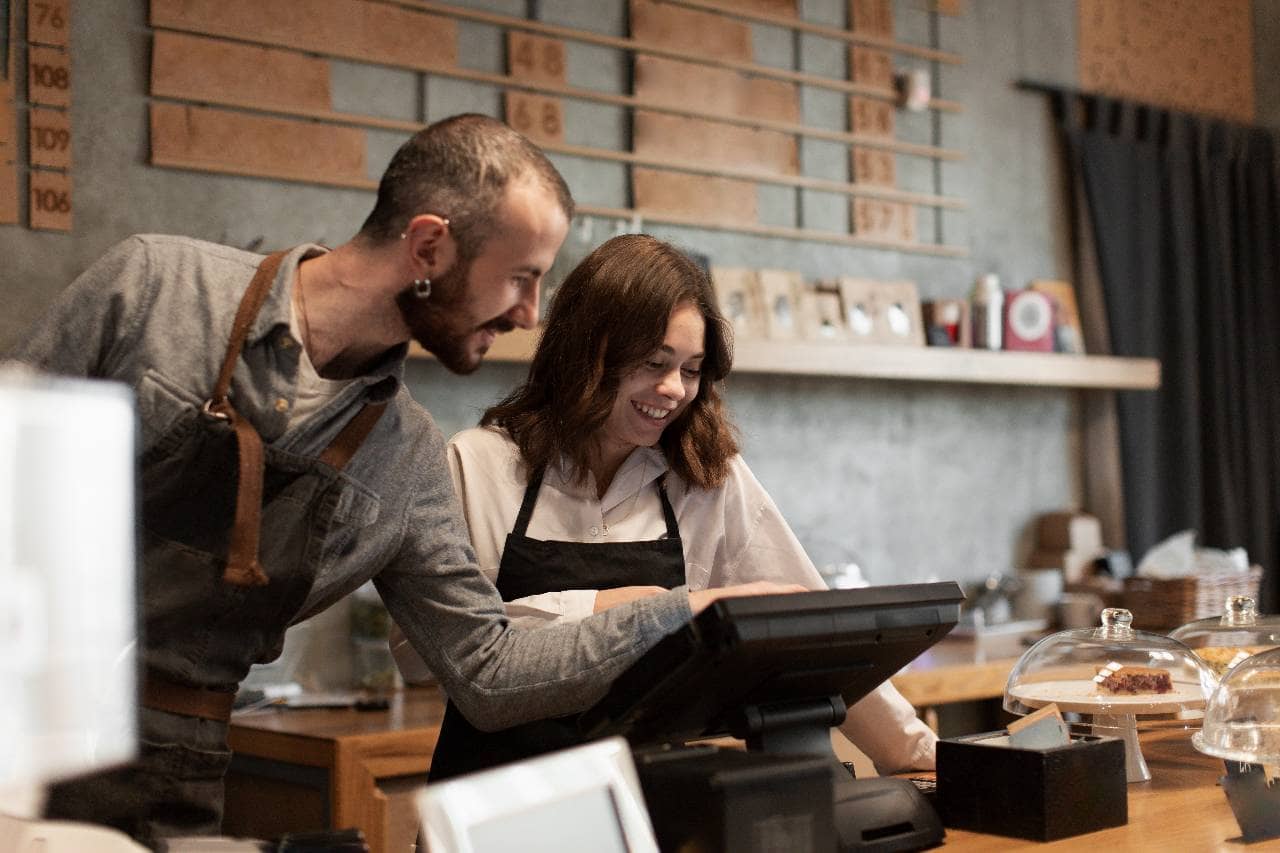
Workforce management software helps restaurant owners streamline scheduling, time tracking, attendance, and labor costs, improve compliance, choose the right platform, and implement it effectively to save time and boost efficiency.
Oct 9, 2026

SignalFlare AI hires restaurant tech veteran Robert Peterson as CRO to drive adoption of its Navigator decision intelligence platform.
Oct 9, 2026

Unlock Exclusive Access To Webinars, Events, And The Latest News For Free!
Walmart expands restaurant delivery beyond Subway and Dunkin', taking on DoorDash, Uber Eats, and Grubhub with Papa Johns nationwide rollout.

Photo by Thimotius Timmy
Walmart announced nationwide delivery of Papa Johns pizza, marking the first time the retailer will deliver from restaurant brands without physical locations inside its stores. The move follows pilot programs with Subway and Dunkin' and positions Walmart as a direct challenger to the third-party delivery oligopoly long controlled by DoorDash, Uber Eats, and Grubhub.
The timing cuts against an industry where consolidated power has seemed immovable. DoorDash commands 60.7% market share nationally as of end of 2024, with Uber Eats at 26.1% and Grubhub at 6.3%.
Yet Walmart's strategic calculus differs fundamentally from legacy delivery apps. The retailer sees restaurant delivery not as a standalone business but as a reason for customers to open its app, browse groceries alongside pizzas, and consolidate shopping trips. Approximately 65 percent of restaurant orders placed through Walmart also include other items from the retailer, demonstrating the ecosystem's power to increase order value and customer engagement.
Eligible customers access Papa Johns through the Restaurants tab on Walmart's website and mobile app, browsing pizzas, wings, sandwiches, sides, and desserts. They can bundle meal purchases with groceries or order independently. Walmart Express Delivery promises fulfillment within one or two hours, handled by in-store drivers or gig workers from the Spark courier network.
Walmart operates more than 4,000 stores nationwide, with 90 percent of the U.S. population living within 10 miles of a location. That density matters.
The Spark Driver platform, which launched in 2018 as a crowdsourced delivery experiment, has expanded to cover over 10,000 pickup points across all 50 states by 2022, with the driver workforce tripling within the following year. Papa Johns delivery launches in select markets this fall, with expansion reaching thousands of locations nationwide. This infrastructure—built on both employee drivers and independent contractors—enables same-day fulfillment at geographic breadth that third-party platforms must assemble through aggregation.
Papa Johns, based in Atlanta and the fourth-largest U.S. pizza operator with approximately 5,989 restaurants in 50 countries and territories as of June 2025, embraced the partnership from weakness, not strength. Same-store sales declined 8.3 percent in its most recent quarter, with executives citing a softer consumer environment and a promotion-heavy fast-food market. The pizza chain's North America comparable sales have fallen for seven of the past eight quarters.
The company is closing 300 underperforming restaurants across North America by the end of 2027 while cutting 7 percent of its workforce and eliminating menu items. Pizza Hut reported a 6 percent decline in same-store sales for the same period and is being sold by Yum Brands following its eighth straight period of negative growth. Domino's reported a 5.2 percent increase last quarter, suggesting Papa Johns has not kept pace with consumer demand for compelling value.
Chris Lyn-Sue, Papa Johns' global chief marketing officer, characterized the Walmart partnership as distribution diversification. For the pizza chain, this arrangement means access to a massive customer audience and delivery infrastructure without building proprietary logistics. Papa Johns pioneered major pizza chain adoption of third-party delivery through a 2019 partnership with DoorDash and has since joined all major delivery marketplaces, demonstrating strategic willingness to spread across channels.

Sales through aggregator platforms rose in the low teens last quarter for Papa Johns, even as organic delivery orders declined year-over-year, illustrating the trade-off operators face: aggregators drive traffic but reduce per-transaction revenue. By positioning Papa Johns alongside grocery staples and household goods on Walmart's delivery platform, the chain gains exposure to customers who may not actively seek pizza through traditional delivery apps.
The broader pattern signals a fundamental shift in how restaurant chains navigate delivery ecosystems. Successful operators no longer view platforms as exclusive partners but as complementary channels. For Walmart, the cumulative effect of securing Subway, Dunkin', and Papa Johns creates a restaurant destination within its digital ecosystem, differentiating its value proposition from pure-play delivery apps that focus exclusively on dining.
As Walmart continues expanding this restaurant footprint, it gains leverage in negotiations with additional chains while building customer habit around its platform for food delivery.
This mirrors Walmart's approach to leveraging store networks as strategic assets. The retailer has turned physical stores into mini distribution centers that support same-day fulfillment. Third-party apps typically lack this density of pickup and fulfillment points, a structural advantage Walmart is weaponizing.
Uncertainties cloud the long-term picture. Unit economics for Walmart Express Delivery remain unproven at scale. Restaurant partners may resist platform exclusivity and continue multi-channel listings, fragmenting Walmart's competitive advantage. The Spark Driver program faced a February 2026 FTC settlement alleging that Walmart misled nearly one million independent contractors who collectively completed more than 272 million deliveries, raising questions about labor costs and brand trust as the company scales.

Papa Johns' ability to stabilize same-store sales depends not solely on distribution expansion but on menu innovation, local advertising, and improved value perception—areas where Walmart's platform may help but cannot fully solve. The pizza category itself faces structural headwinds beyond any single operator, with consumers shifting to smaller, non-specialty pizzas and convenience stores like Casey's General Stores gaining share through bundled fuel and merchandise offerings.
Walmart's Papa Johns rollout represents a watershed moment in how large retailers view food delivery. The move leverages Walmart's structural advantages—ubiquitous store presence, existing logistics, and customer trust—to compete directly with DoorDash, Uber Eats, and Grubhub in channels where those platforms have achieved market dominance.
For restaurant operators, this diversification creates both opportunity and complexity: new customer acquisition through Walmart's platform while managing margin pressure, channel conflict, and operational complexity across multiple fulfillment systems.

For Papa Johns specifically, the partnership provides a lifeline during sustained sales weakness, opening a fresh distribution avenue at a time when the pizza category faces acute consumer pressure. As Walmart scales this model to additional restaurant brands, the competitive pressure on traditional third-party platforms will intensify, potentially accelerating consolidation or forcing broader business model innovation across the delivery ecosystem. The question is no longer whether retail giants will compete in restaurant delivery, but how aggressively they will press structural advantages to reshape an industry built on aggregation rather than integration.