True Food Kitchen Files Bankruptcy, Closes 12 Sites
True Food Kitchen filed for Chapter 11 bankruptcy, closing 12 locations and shrinking to 34 restaurants across 14 states amid $42.1 million in debt.
News
Oct 5, 2026
True Food Kitchen filed for Chapter 11 bankruptcy, closing 12 locations and shrinking to 34 restaurants across 14 states amid $42.1 million in debt.
Oct 5, 2026

Snooze Eatery names industry veteran Amy Hom as COO, starting Sept. 28, to strengthen hospitality and operations ahead of its next growth phase.
Oct 5, 2026

Opening a second restaurant location requires readiness, clear goals, financial planning, funding, smart strategy, standardized operations, strong teams, and careful launch monitoring for sustainable growth.
Sep 30, 2026

Evaluate restaurant industry performance in Q3 2026 through key trends affecting restaurant sales, traffic, consumer spending, labor, costs, and technology.
Oct 2, 2026
Restaurants can control operating costs by tracking food, labor, rent, utilities, technology, marketing, and other expenses against sales.
Oct 5, 2026
Improve restaurant visibility with local SEO by optimizing Google Business Profile, targeting local keywords, managing reviews, and maintaining accurate online information.
Oct 5, 2026
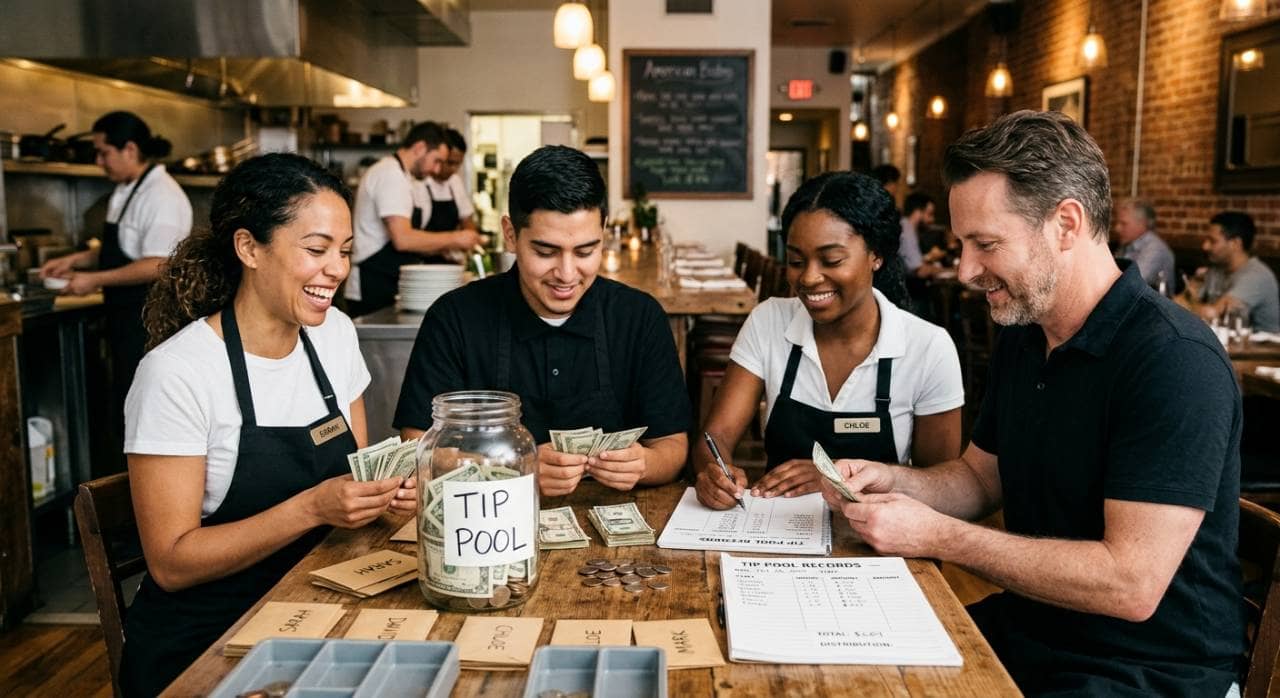
Understand tip pooling rules, employee eligibility, distribution methods, compliance requirements, recordkeeping practices, and policies restaurant owners need for proper tip management.
Oct 2, 2026

Whit's Frozen Custard hires industry veteran Amos Durbin as COO to guide franchise expansion, drawing on two decades of restaurant leadership experience.
Oct 2, 2026
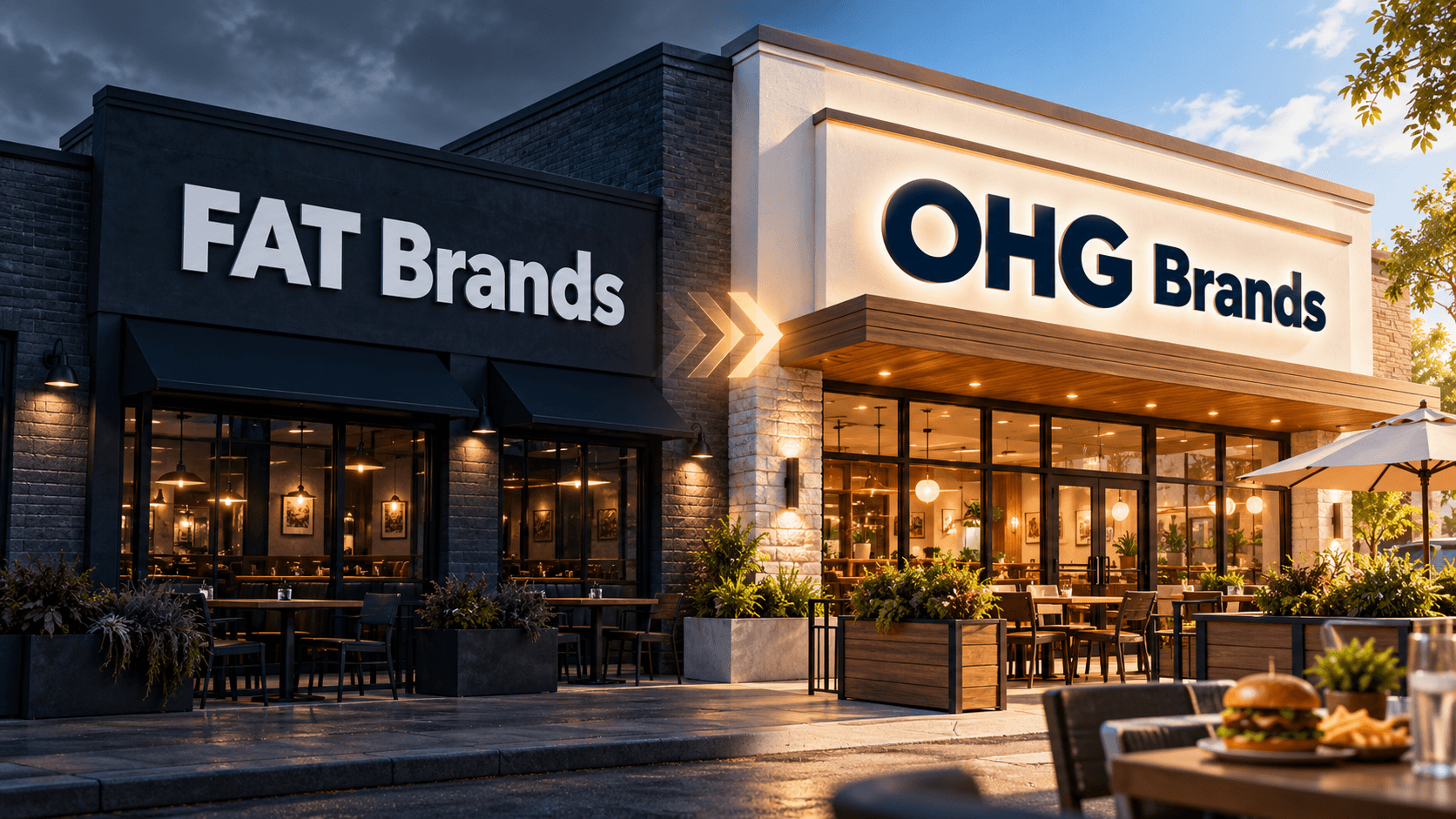
FAT Brands' $1B acquisition empire fell into bankruptcy and sold for $965M, re-emerging as OHG Brands with 1,700 restaurants.
Oct 1, 2026
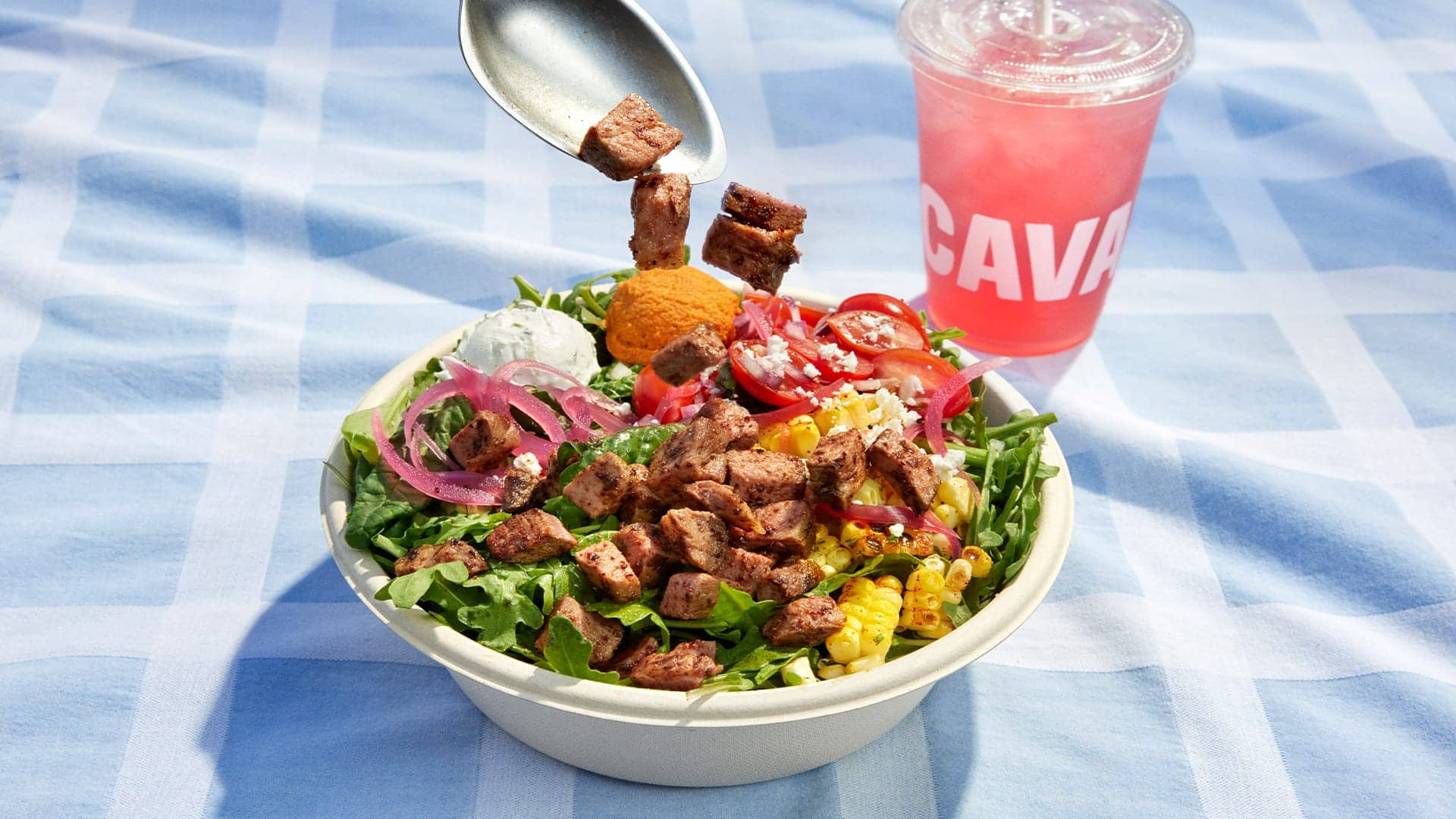
CAVA names John Ludeke, former Dr. Squatch Chief Brand Officer, as its new CMO to drive national growth and guest loyalty.
Oct 1, 2026

Unlock Exclusive Access To Webinars, Events, And The Latest News For Free!
O'Charley's shuttered all corporate restaurants nationwide on September 9, 2026, ending its 55-year legacy as a casual-dining regional powerhouse.

Photo by Sasha Matveeva
O'Charley's closed all company-owned restaurants nationwide on September 9, 2026, ending its corporate-operated presence across multiple states after 55 years in business. The Nashville-based chain, owned by Cannae Holdings, permanently shuttered corporate locations at 8 p.m. on Wednesday, marking an abrupt termination of decades-long operations. Founded in 1971 in Nashville, Tennessee, O'Charley's had built its reputation on Southern comfort food served in a casual dining and bar setting. By the time the lights went out, however, the chain had already dwindled to a fraction of its former footprint, with only 47 corporate locations remaining.
The closure caught nearly everyone off guard. A worker at the Harrison, Ohio location told local media that management failed to announce the decision properly, and employees discovered the shutdown through news reports or by arriving for scheduled shifts to find locked doors. The O'Charley's website became inaccessible, and social media accounts were disabled, cutting off all official communication channels. This communication void stood in sharp contrast to the typical 30- to 60-day advance notice that accompanies managed store closures across the industry.
The story of O'Charley's decline spans roughly two decades. At its peak during the 2000s, the chain operated nearly 250 locations across multiple states, establishing itself as a regional powerhouse in casual dining. That dominance eroded incrementally as operational headwinds accumulated. Beginning in 2016, the company initiated closures and accelerated store exits in subsequent years. In 2023, management attempted an asset-light operational model, deliberately shuttering approximately 17% of the portfolio to preserve cash flow.
The strategy assumed that a smaller, leaner footprint focusing on higher-performing units would stabilize profitability. That assumption proved dangerously wrong. By July 2026, corporate locations had shrunk to 47. Throughout 2025 and 2026, financial results deteriorated: as of August 10, 2026, the chain was making nearly 13% less than the prior year, while O'Charley's restaurants were seeing 22% fewer customers. Same-store sales had dropped 13.1% during the second quarter of 2026. Cannae Holdings invested $170 million in its restaurant group through mid-2026, yet posted a net loss of $40 million that quarter.
The broader financial picture at Cannae Holdings revealed why the parent company could no longer sustain the bleeding. The company reported making $15 million less in the first six months of 2026 than in the first six months of 2025, while simultaneously reporting operating costs that increased by $18 million. In February, Cannae's CEO Ryan Caswell announced the company would concentrate its portfolio on sports and entertainment-related assets rather than its restaurant group. The restaurant division had become a consistent loss center diverting capital and management attention from higher-return investments.

O'Charley's trajectory mirrors pressures cascading across the entire casual-dining sector. A performance and analytics company found that 9% of all full-service units are at risk for closure in 2026. This analysis continues an industrywide trend in which several full-service brands have shuttered or announced plans to shutter significant portions of their units, including Denny's, Outback Steakhouse, Applebee's, Red Robin, On the Border, Macaroni Grill, Smokey Bones, Hooters, and Bahama Breeze. Most chains have cited similar reasons for closures and bankruptcies: rising labor and product costs driven by inflation, supply chain instability, consumers' changing attitudes toward eating out, and unsustainable debt obligations.

Food and labor costs have increased by 35% in the last five years. Average menu prices rose 31% from February 2020 to April 2025, according to the National Restaurant Association. The industry environment has created a bifurcated landscape in which chains with strong brand positioning, value-focused strategies, and operational excellence have thrived, while others lacking differentiation or compelling value propositions have collapsed under cost pressure and traffic loss.
O'Charley's collapse illustrates how corrective measures, even those implemented with deliberate intent, can prove insufficient when underlying business fundamentals deteriorate. The 2023 decision to aggressively reduce portfolio size was premised on the assumption that smaller, higher-performing units would stabilize profitability. Yet this recalibration failed to achieve its objectives. O'Charley's Restaurant + Bar had struggled to maintain its customer base and visitation frequency, with results well below industry segment averages. The persistence of negative same-store sales throughout 2025 and into 2026, combined with traffic declines exceeding 20%, suggests that the brand itself faced structural weaknesses in menu positioning, guest experience, or competitive differentiation that store closures alone could not remedy.
By contrast, Chili's has led the publicly traded casual dining sector in same-store sales growth quarter after quarter since 2024. That turnaround combined a long-term investment in operations and equipment with a well-timed value play that put Chili's in direct price competition with fast food at the $10 price point. O'Charley's lacked the operational investment, brand innovation, and clear value proposition that enabled competitors to reverse negative sales trajectories.
The fate of franchised O'Charley's locations remains fragmented and uncertain. An employee at a franchised location in Niles, Ohio, indicated the restaurant would remain open "as long as possible" and was expected to close permanently sometime between September 27 and October 4. A franchised location in Chester, Virginia, stated that no official closing date had been established. This divergence reflects the nature of franchise relationships: individual franchisees operate under distinct lease agreements, profitability thresholds, and contractual terms that shape closure decisions independent of corporate direction.
The corporate parent's apparent minimal involvement in coordinating franchise operations or providing unified guidance suggests that individual operators are determining exit strategies based on local market conditions and personal financial viability rather than any centralized transition plan. For employees, landlords, and lenders tied to these locations, the uncertainty compounds an already disruptive transition. O'Charley's dissolution stands as a cautionary case study in how legacy casual-dining brands without compelling differentiation struggle to survive in an era of elevated costs, changing consumer preferences, and diminished customer traffic.