Pei Wei Wins Best Fast-Casual Chain Award
Pei Wei Asian Kitchen named Best Fast-Casual Chain in Reviewed 2026 Awards, reflecting shift from price competition to quality and transparency.
News
Sep 11, 2026
Pei Wei Asian Kitchen named Best Fast-Casual Chain in Reviewed 2026 Awards, reflecting shift from price competition to quality and transparency.
Sep 11, 2026

O'Charley's shuttered all corporate restaurants nationwide on September 9, 2026, ending its 55-year legacy as a casual-dining regional powerhouse.
Sep 11, 2026
Authentic Restaurant Brands lands $325M investment from Trimontium to fuel disciplined regional expansion across five established restaurant concepts.
Sep 11, 2026

Walmart expands restaurant delivery beyond Subway and Dunkin', taking on DoorDash, Uber Eats, and Grubhub with Papa Johns nationwide rollout.
Sep 11, 2026

Complete NFL season restaurant checklist covering licensing, AV setup, menu prep, inventory, staffing, and marketing before kickoff arrives.
Sep 11, 2026

California shifts to public enforcement strategy against Dickey's for deceptive franchise disclosures, signaling stricter state-level franchise oversight.
Sep 10, 2026
Paul Brown temporarily steps away from Inspire Brands as Scott Murphy assumes interim CEO role during confidential IPO filing process targeting late 2026.
Sep 10, 2026
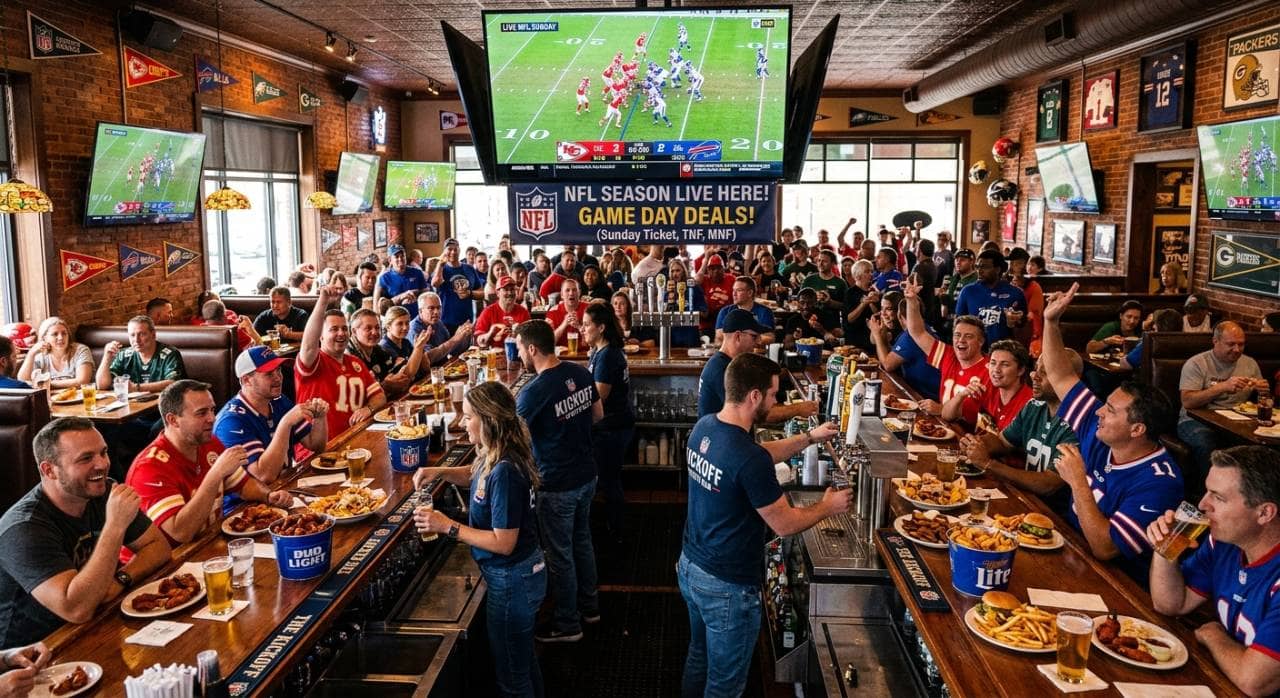
Prepare your restaurant for NFL season with smart menu planning, staffing, marketing, technology, and atmosphere strategies that boost season-long revenue.
Sep 9, 2026
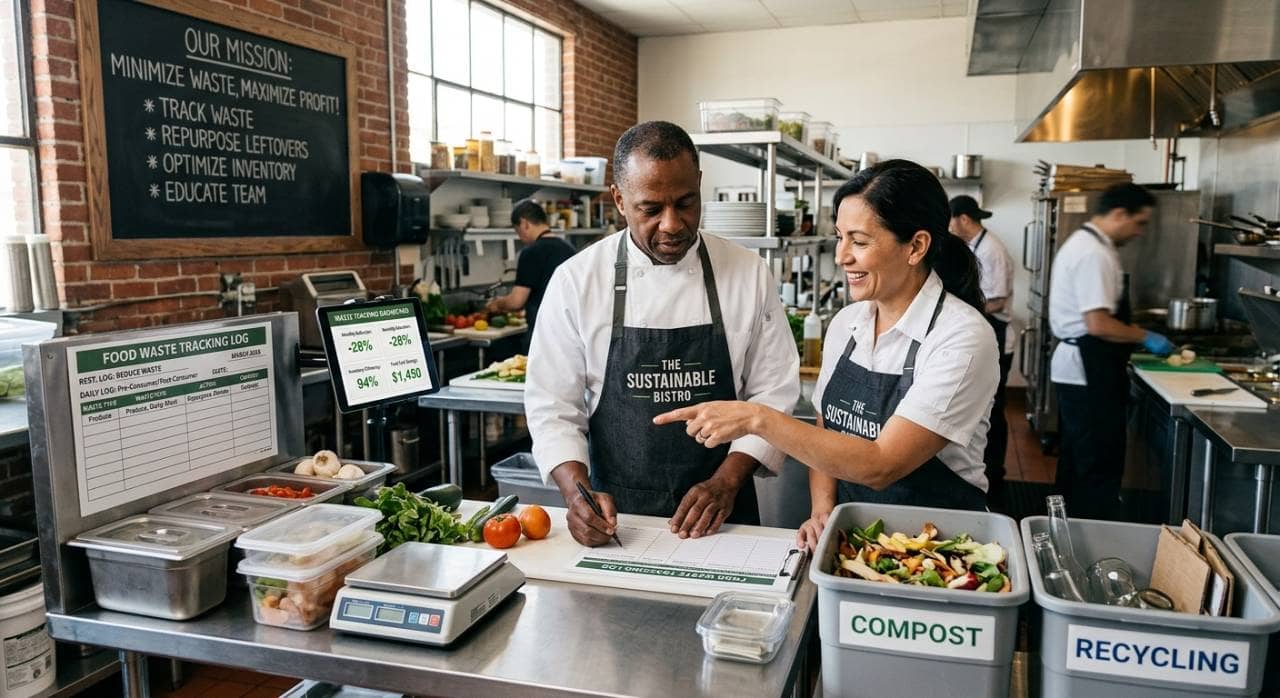
Learn how to reduce food waste in restaurants through smarter purchasing, storage, preparation, and service strategies that cut costs.
Sep 9, 2026
Swig signs franchise agreement for 11 South Denver locations, marking Colorado entry and validating its national expansion strategy.
Sep 8, 2026

Unlock Exclusive Access To Webinars, Events, And The Latest News For Free!
Learn how to calculate food cost, control margins, reduce waste, price menu items, and use technology to improve restaurant profit.
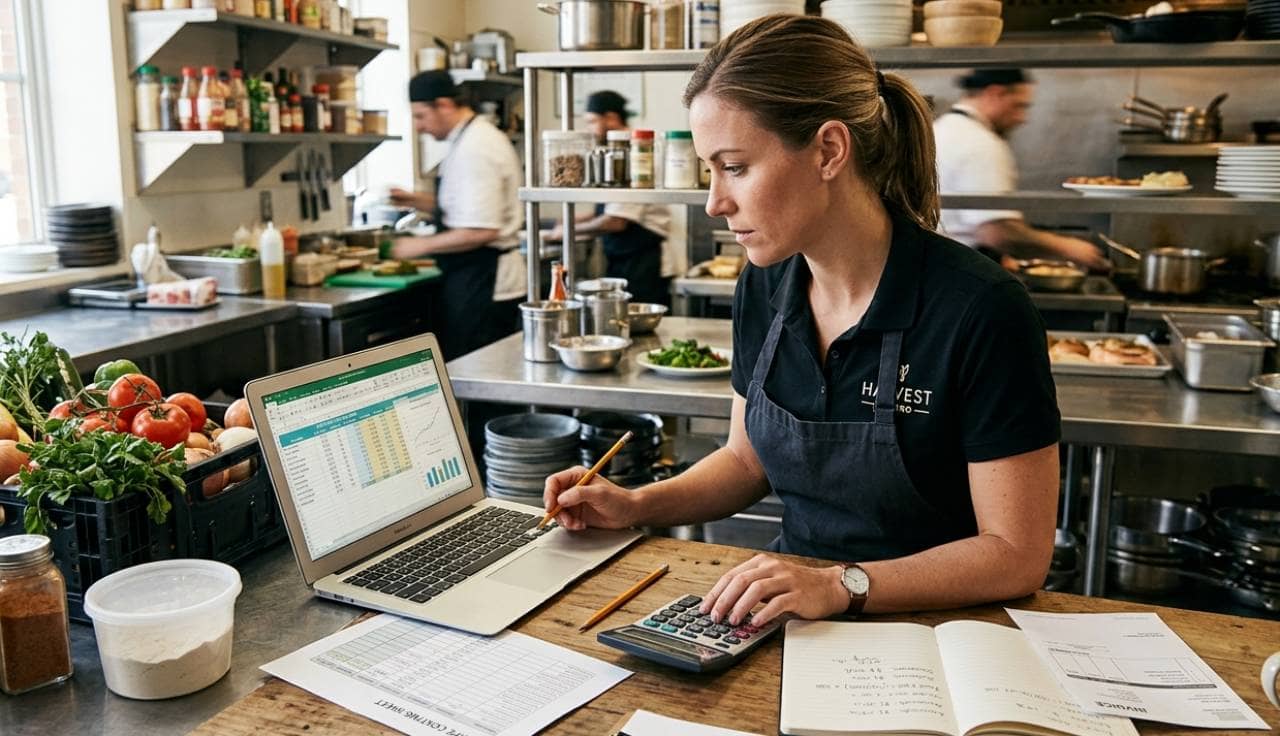
Food cost is one of the most important numbers in a restaurant because it directly affects profitability. Strong sales may look good on paper, but if ingredient costs, waste, and portion sizes are not controlled, that revenue may not turn into real profit. Most restaurants operate on tight margins. Food, labor, rent, and overhead can take up nearly 90% of total revenue, leaving only a small percentage for profit. In that environment, even a small increase in food cost can create a major impact. A 3% to 5% rise may seem minor, but it can quickly reduce the money left after expenses. Food cost management is powerful because it is one of the areas owners can influence every day. Portion control, menu pricing, supplier costs, prep waste, and ingredient choices all affect the final number. Unlike rent or fixed overhead, food cost can be adjusted through better systems and daily discipline. High food costs can also reveal deeper problems, such as over-portioning, poor inventory control, spoilage, or menu items priced too low. For restaurant owners, the goal is clear - track food costs consistently, review the numbers, and make quick adjustments. Better food cost control helps protect margins and build a more profitable operation.
If you are not calculating food cost consistently, you are guessing at one of the most important numbers in your restaurant. Food cost percentage shows how much you spend on ingredients compared to how much revenue those items generate. The basic formula is - Food Cost % = (Total Food Purchases / Total Food Sales) x 100 Step-by-Step Breakdown 1. Track Your Food Purchases - Add up all food invoices for the same period. - Keep non-food items like cleaning supplies, uniforms, and paper goods separate. - Example. $2,500 in food purchases for the week. 2. Track Your Food Sales - Pull food sales from your POS for the same period. - Exclude taxes, tips, gift cards, and non-food revenue when possible. - Example. $10,000 in food sales. 3. Apply the Formula - ($2,500 / $10,000) x 100 = 25% food cost This means you spend $0.25 on food for every $1.00 in food sales. What the Numbers Actually Tell You 1. 20%-28% - Strong control for many concepts 2. 28%-35% - Common range, depending on menu type 3. 35%+ - Warning zone that may require immediate review These numbers are not one-size-fits-all. A steakhouse, quick-service restaurant, and cafe will all have different targets. The goal is to know your normal range and watch for changes. Why Weekly Tracking Matters Monthly food cost reviews are useful, but weekly tracking gives owners faster control. If food cost rises from 28% to 32%, waiting until month-end can allow the problem to continue for several weeks. A weekly review helps you catch - - Supplier price increases - Over-portioning - Waste or spoilage - Ordering mistakes - Menu items priced too low Simple vs. Advanced Tracking You do not need to start with a complex inventory system. For many restaurants, purchases divided by sales is enough to spot major trends. Larger or multi-location operations may need advanced tracking to compare theoretical food cost against actual usage. The key is consistency. A simple report reviewed every week is more valuable than a detailed report ignored for a month.

Not every popular menu item is a profitable menu item. A dish may sell well, but if the ingredient cost is too high, the portion size is too large, or the price is too low, it may contribute less profit than expected. This is why restaurant owners need to look beyond sales volume and measure actual margin. A practical way to review your menu is to separate items into profit categories - 1. High Sales / High Profit - These are your strongest items. - They sell often and produce healthy margins. - They should be easy to find on the menu and promoted by staff. 2. High Sales / Low Profit - These items bring in traffic but may not add enough profit. - Review portion size, supplier cost, prep waste, and pricing. - Small price increases or recipe adjustments can improve margin. 3. Low Sales / High Profit - These items have potential but need better visibility. - Feature them in bundles, specials, or server recommendations. 4. Low Sales / Low Profit - These are weak performers. - Consider removing, redesigning, or replacing them. The biggest opportunity is often found in appetizers, sides, beverages, desserts, and add-ons. These items usually have lower ingredient costs and can raise the average check without adding heavy labor or expensive proteins. For example, a side item, premium topping, or specialty drink may generate more margin than a higher-priced entree. Restaurant owners should also train staff to guide guests toward profitable add-ons. A simple question like "Would you like to add a side or drink?" can increase average order value while improving the guest experience. When owners understand which menu items actually make money, they can make smarter decisions about pricing, layout, promotions, and staff training.
Restaurant pricing should not be based on guesswork. Every menu category has a different cost structure, which means appetizers, entrees, beverages, desserts, and add-ons should not all be priced the same way. A strong pricing strategy starts by understanding the target food cost for each category. For many restaurants, practical category benchmarks look like this - 1. Appetizers - Target food cost- around 10%-20% - Appetizers should be profitable because they increase the check before the entree. - If an appetizer has a high ingredient cost, review portion size or price. 2. Entrees - Target food cost- around 25%-40% - Entrees often carry higher costs because they include proteins, larger portions, and more prep. - A high-cost entree can work if it supports the overall guest experience, but it should not dominate the menu. 3. Beverages - Target cost, around 15% - Drinks can be strong margin builders, especially when paired with meals, bundles, or upgrades. - Owners should track which beverages sell well and which ones sit in inventory too long. 4. Sides, Desserts, and Add-Ons - These items often create strong profit with lower ingredient cost. - They should be placed clearly on the menu and suggested during ordering. - Even small add-ons can raise average ticket size across hundreds or thousands of orders. Category benchmarks help owners see where pricing is too low, portions are too large, or costs are rising too quickly. They also prevent emotional pricing, where owners avoid increases because they fear guest pushback. When each category has a clear target, pricing becomes more disciplined, measurable, and profitable.
Many restaurant owners hesitate to raise prices because they worry about losing customers. In reality, underpricing is often a bigger risk than overpricing. When prices are too low, margins shrink, cost increases become harder to absorb, and the business becomes dependent on volume instead of profitability. Pricing should be based on cost, demand, and perceived value - not just what competitors are charging. Independent restaurants, in particular, have an advantage. They are not required to compete at the lowest price point. Instead, they can focus on delivering a better experience and pricing accordingly. A practical way to approach premium pricing is to identify items that offer strong margins and high perceived value. These are often simple items with low ingredient cost but strong appeal to customers. For example, items like sides, shareables, specialty drinks, or upgraded add-ons can generate significant profit without increasing kitchen complexity. These "high-margin" items should be positioned strategically - - Highlight them on the menu - Train staff to recommend them - Bundle them with core items - Include them in promotions or combos Another key factor is perception. Higher prices can signal higher quality when the experience supports it. This includes presentation, service, consistency, and branding. If the guest experience aligns with the price, customers are less likely to focus on cost and more likely to focus on value. At the same time, pricing must remain intentional. Not every item should be premium-priced. The goal is to create a balanced menu where some items drive traffic, while others drive profit. When done correctly, this allows restaurants to increase average order value without relying only on more customers.

Promotions can help drive traffic, increase repeat visits, and encourage larger orders, but only when they are built with food cost in mind. A discount that increases sales but destroys margin is not a successful promotion. It is just a more expensive way to stay busy. The biggest mistake restaurant owners make is offering blind discounts without knowing the cost of the item being promoted. For example, a buy-one-get-one offer on a high-cost entree can quickly become unprofitable. If the item already has a 35%-40% food cost, giving away a second portion may leave little room to cover labor, packaging, rent, and overhead. A smarter approach is to promote items with low actual cost and high perceived value. These are items customers appreciate, but that do not heavily impact your margins. Examples may include - - Sides - Appetizers - Desserts - Fountain drinks - Add-ons - Loyalty rewards For example, offering a free side with a direct online order may feel valuable to the guest while costing the restaurant very little. This type of promotion can increase order size, improve customer satisfaction, and protect profit at the same time. Promotions should also support business goals beyond short-term sales. If third-party delivery commissions are reducing margins, use offers to encourage customers to order directly through your website or app. A small reward on a direct order may cost far less than paying a high delivery marketplace fee. The key is to measure every promotion before launching it. Know the item cost, expected sales lift, average ticket impact, and margin after discount. Promotions should create profitable behavior, not just temporary volume.
Food cost control becomes more accurate when restaurant owners know the true cost of every menu item. This means looking beyond the main ingredient and calculating the full cost of each dish, including portions, sauces, toppings, garnishes, packaging, and waste. A proper menu audit should include - 1. Ingredient Cost - List every ingredient used in each dish. - Calculate the cost based on the exact portion served. - Update costs when supplier prices change. 2. Portion Size - Measure how much product should go into each order. - Use portion tools, recipe cards, or prep guides to keep servings consistent. - Watch for over-portioning, which can quietly increase food cost. 3. Prep Loss and Waste - Account for trimming, spoilage, cooking loss, and mistakes. - Track waste daily so recurring issues become visible. - Compare waste patterns by item, station, or shift. 4. Packaging and Extras - Include containers, bags, cups, lids, napkins, sauces, and utensils. - This is especially important for takeout and delivery orders. - Small packaging costs can add up quickly across high order volume. The goal is to compare what an item should cost against what it actually costs. If the numbers do not match, owners can investigate pricing, portioning, waste, theft, supplier changes, or recipe inconsistency. A menu audit should not be a one-time task. Restaurant owners should review core items regularly, especially when supplier prices rise or sales patterns change.
Technology can help restaurant owners turn food cost data into better daily decisions. Once you know which items have the strongest margins, your systems should help promote those items consistently across ordering, staff workflows, and customer engagement. A POS system, online ordering platform, or inventory tool can show which items sell most often, which items create the best margin, and which items may be hurting profitability. This helps owners make decisions based on numbers instead of assumptions. Technology can also increase average order value through - - Suggested add-ons - Meal upgrades - Bundles - Loyalty rewards - Limited-time offers - Direct online ordering prompts For example, if a side, beverage, or dessert has a low ingredient cost and strong margin, it should be offered automatically during checkout. A simple prompt like "Add a drink?" or "Make it a combo?" can increase sales without adding major cost. Digital tools also help owners react faster when costs change. If supplier prices increase, operators can review menu pricing, adjust portions, or promote alternative high-margin items before profits shrink. When technology helps track costs, guide menu decisions, and push high-margin items, restaurants can improve profitability without depending only on more traffic. Key takeaway - food cost control becomes more powerful when it is connected to technology. With the right tools, restaurants can protect margins, increase average order value, and build a more profitable operation.