
Chipotle Rewards on Repeat Relaunch
Chipotle reshapes loyalty with Rewards on Repeat, blending in-store promotions, staff incentives, and simpler redemption to boost traffic.
news
Apr 16, 2026
Chipotle reshapes loyalty with Rewards on Repeat, blending in-store promotions, staff incentives, and simpler redemption to boost traffic.
Apr 16, 2026

Photo by Salah Ait Mokhtar on Unsplash
A refined look at Papa Murphy’s strategy as MTY guides a cautious turnaround amid a crowded pizza landscape—digital play, local marketing, and a new Detroit-style offering.
Apr 16, 2026

Photo by Sergio Mena Ferreira on Unsplash
Mo’ Bettahs leaves Kansas City as it pivots to a PE-backed national expansion to Phoenix, Indianapolis, and Minneapolis.
Apr 16, 2026

Photo by Kate Trysh on Unsplash
Applebee’s O-M-Cheese Burger fuses spectacle with value, driving social buzz and foot traffic—a signal for the skillet-cheese moment in casual dining.
Apr 16, 2026

Photo by Diego Mattevi on Unsplash
GoTo Foods taps Misra and Lambert to harmonize digital momentum with disciplined development across seven brands, aiming for stronger guest experiences and franchisee economics.
Apr 16, 2026
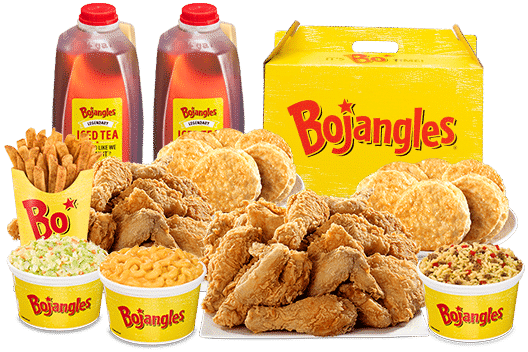
Bojangles launches Bo’s Chicken Rippers in an eight-week pilot, turning bites into a hands-on, sauce-forward experience with interactive, tear-apart slabs.
Apr 16, 2026
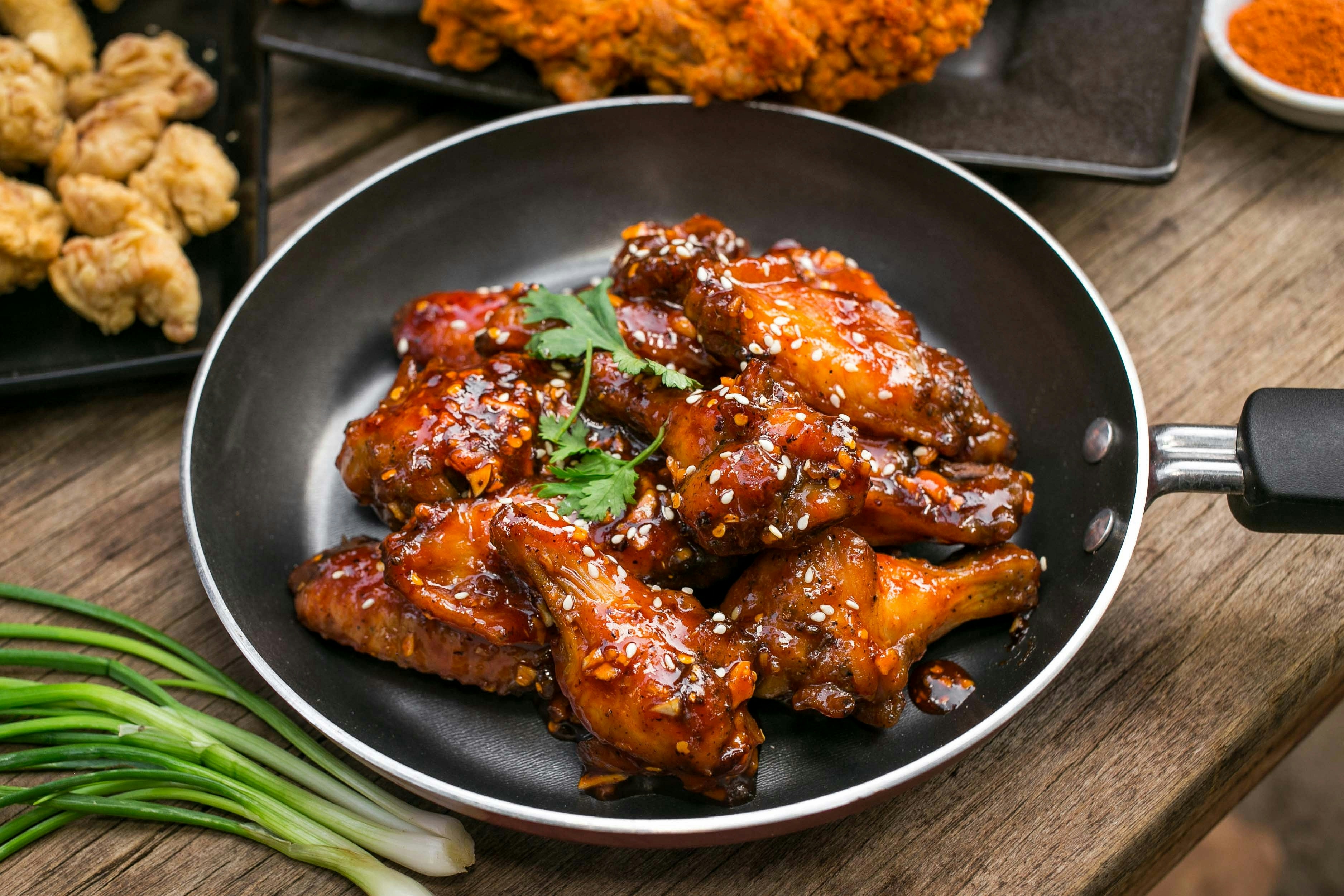
Photo by Jim Sosengphet on Unsplash
Popeyes teams with One Piece for a limited menu and merch drop, blending bold flavors with anime fandom to boost traffic and loyalty.
Apr 16, 2026
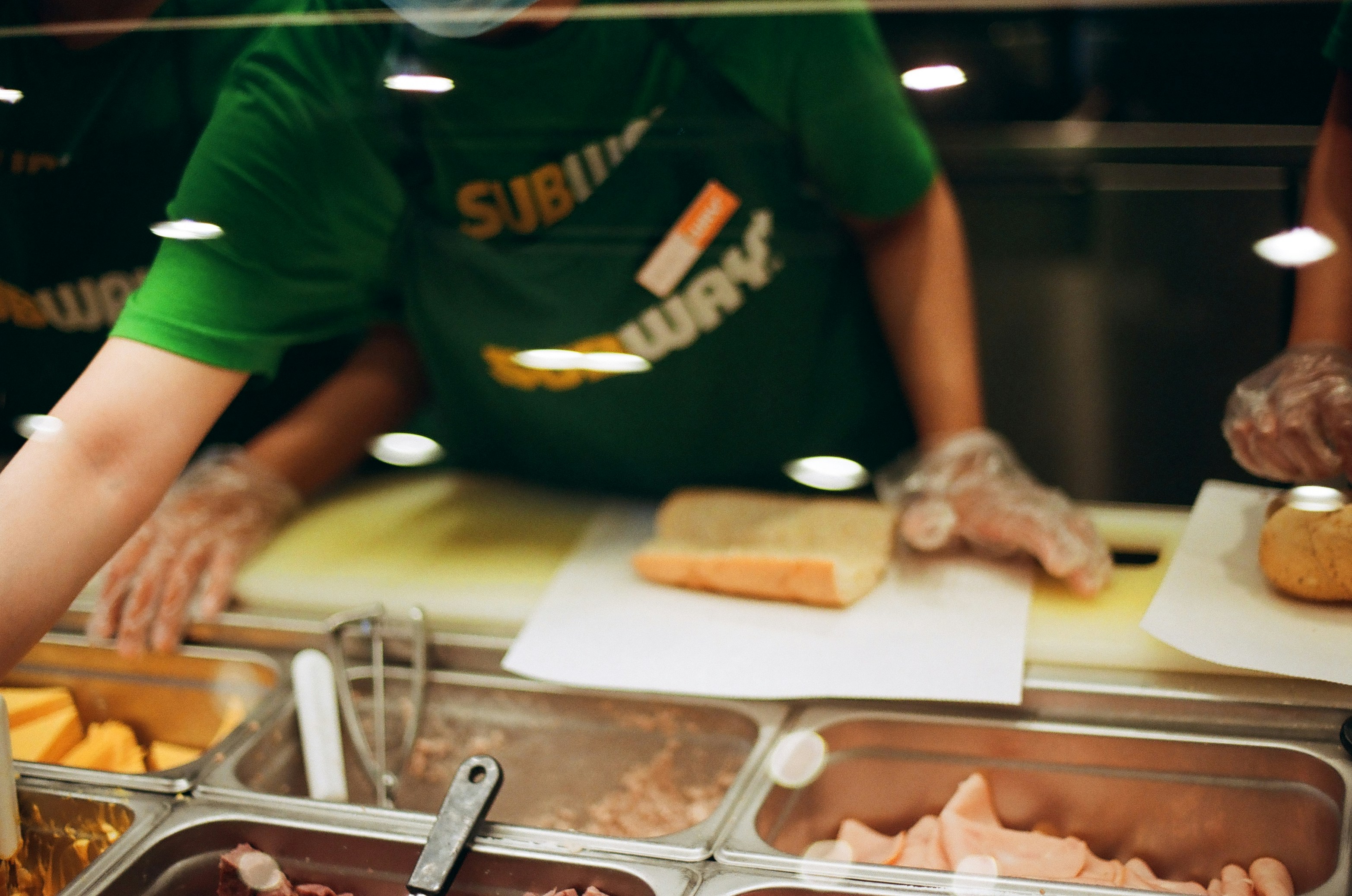
Photo by dedy kurniawan on Unsplash
A close look at Jersey Mike’s rapid expansion, leadership shift, and international push under Blackstone’s ownership.
Apr 16, 2026

Photo by Roberto Catarinicchia on Unsplash
CAVA launches Glazed Salmon with pomegranate glaze from Just Date, pairing seafood with chef-curated bowls and a new loyalty push to broaden Mediterranean flavors.
Apr 15, 2026

Photo by Carol Highsmith's America on Unsplash
Chains fuse Korean, Mexican, and botanical flavors into familiar favorites. Discover the artistry, risks, and strategy behind this culinary renaissance.
Apr 15, 2026
Explore the intersection of employee rights, artificial intelligence, and workplace ethics in light of recent legal cases.

Photo by Melanie Lim on Unsplash
The case of a former crew member at a Dunkin’ franchise highlights the complex relationship between artificial intelligence (AI) and employee rights in the workplace. The worker's inquiry into the legality of the tips distribution process, facilitated by a web search, sparked a contentious response from their supervisor, who dismissed the findings as 'AI' and not applicable to Dunkin’ Donuts. This incident underscores the growing influence of technology in employment practices and the need for a balanced understanding of how AI intersects with employee rights.

Photo by Melanie Lim on Unsplash
In the legal battle between the employee and the Dunkin’ franchisee, key issues concerning compensation law and fair payment practices surfaced. The pooling and delayed distribution of tips without transparency regarding the allocation method raised concerns about compliance with labor regulations. The employee's termination following the inquiry into this practice not only brought attention to potential violations but also highlighted the critical role of transparency and communication in ensuring fair compensation for workers.

Photo by Melanie Lim on Unsplash
The Fair Labor Standards Act (FLSA) serves as a cornerstone for protecting employees' rights in the United States. In the case against Simone’s Inc., the employee claimed nonpayment of wages in violation of Connecticut law and retaliation under the FLSA. This legal framework establishes a robust shield for workers against unfair labor practices and retaliation, emphasizing the importance of upholding employee rights and ensuring just treatment in the workplace.
As organizations integrate artificial intelligence into their operations, ethical considerations around AI usage become paramount. The dismissal of the employee’s findings as 'AI' rather than addressing the underlying legal concerns sheds light on the challenges of AI ethics in workplace culture. Employers must navigate the ethical implications of AI tools, ensuring that technology aligns with legal standards and ethical practices while respecting employee rights and fostering a transparent work environment.

Photo by Melanie Lim on Unsplash
The U.S. Department of Labor underscores the employee-friendly nature of the FLSA standard for protected activity. Even if an employer disputes payment discrepancies, the employee's expression of concerns regarding fair compensation is deemed as protected activity. This emphasis on empowering employees to raise issues without fear of retaliation reinforces a culture of compliance and accountability in workplaces, emphasizing the need for transparent communication and fair treatment of workers.